
 By John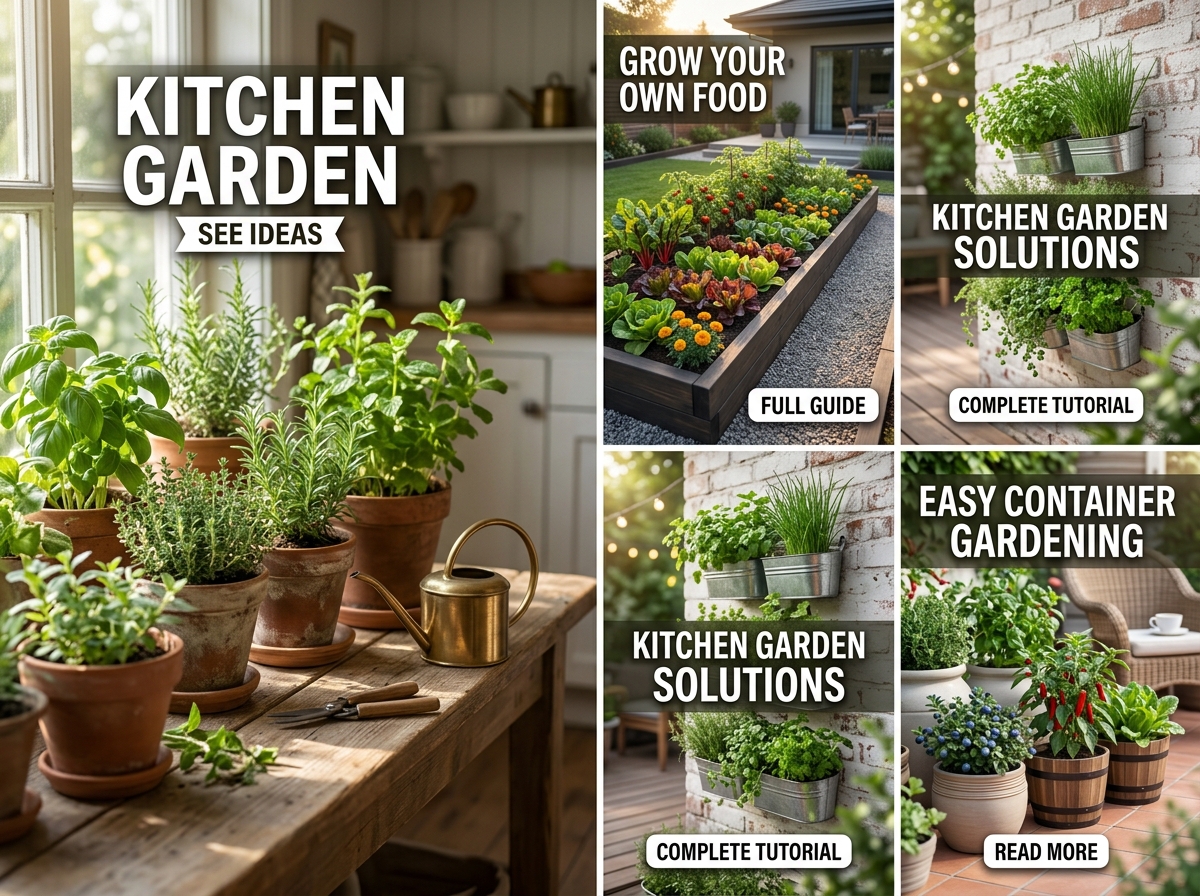
A kitchen garden is one of the most rewarding and practical ways to use outdoor or indoor space. By growing your own vegetables, herbs, fruits, and edible flowers, you can enjoy fresh ingredients right outside your door while creating a beautiful and productive garden.
Whether you have a spacious backyard, a small balcony, a rooftop terrace, or just a sunny patio, a kitchen garden can provide healthy produce, save money, and bring you closer to nature.
What Is a Kitchen Garden?
A kitchen garden, also known as a potager garden, is a garden designed specifically for growing edible plants used in daily cooking.
Typical kitchen gardens include:
- Vegetables
- Culinary herbs
- Fruits
- Salad greens
- Edible flowers
- Companion plants
Unlike traditional vegetable plots, modern kitchen gardens often combine productivity with attractive design.
Benefits of a Kitchen Garden
Fresh and Healthy Produce
Harvest vegetables and herbs at their peak freshness.
Cost Savings
Growing food at home can reduce grocery expenses.
Better Flavor
Homegrown produce often tastes better than store-bought alternatives.
Sustainable Living
Reduces food transportation and packaging waste.
Beautiful Outdoor Space
Kitchen gardens can be both functional and decorative.
Best Plants for a Kitchen Garden
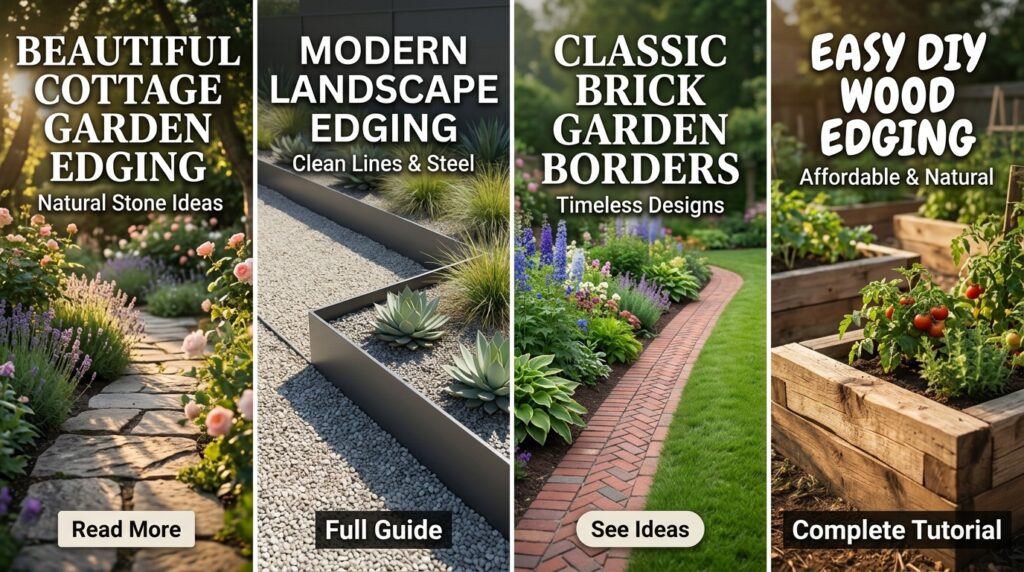
Herbs
Easy to grow and highly productive.
Popular Choices:
- Basil
- Mint
- Rosemary
- Thyme
- Parsley
- Cilantro
Leafy Greens
Fast-growing and ideal for beginners.
Great Options:
- Lettuce
- Spinach
- Kale
- Arugula
Vegetables
Provide a continuous harvest throughout the season.
Popular Vegetables:
- Tomatoes
- Peppers
- Cucumbers
- Carrots
- Beans
- Radishes
Fruits
Perfect for adding sweetness to your harvest.
Examples:
- Strawberries
- Blueberries
- Dwarf citrus trees
Kitchen Garden Layout Ideas
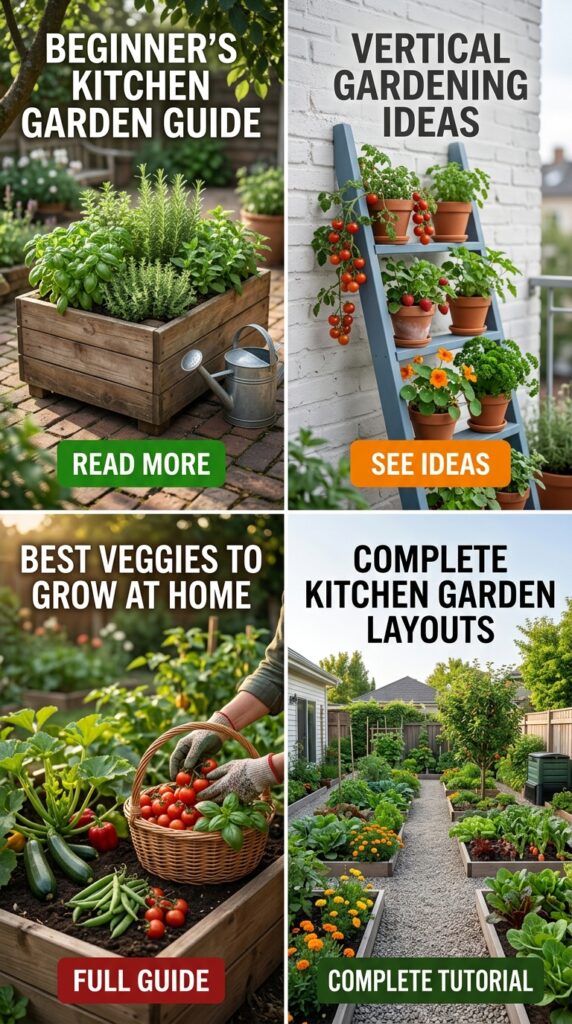
Raised Bed Kitchen Garden
One of the most popular layouts.
Benefits:
- Better drainage
- Easier maintenance
- Organized planting
Square Foot Garden
Efficient use of space.
Ideal For:
- Small gardens
- Beginners
- Intensive planting
Cottage-Style Kitchen Garden
Combines flowers and vegetables.
Features:
- Curved pathways
- Mixed plantings
- Colorful blooms
Modern Kitchen Garden
Clean and structured design.
Include:
- Geometric beds
- Metal planters
- Simple plant palettes
Small Kitchen Garden Ideas
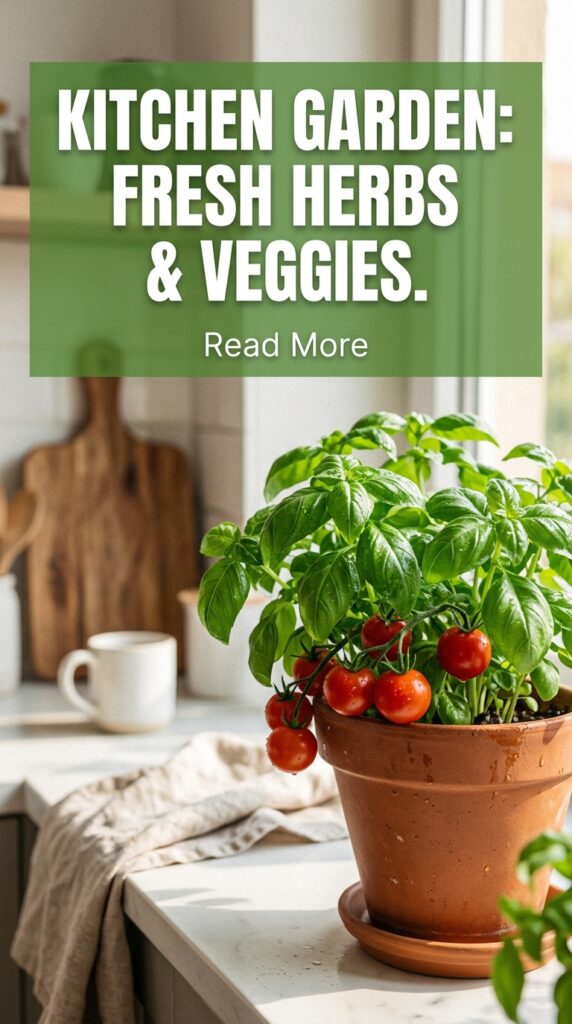
Even compact spaces can produce plenty of food.
Balcony Kitchen Garden
Use containers and vertical planters.
Patio Kitchen Garden
Combine decorative pots with edible plants.
Window Box Garden
Perfect for herbs and leafy greens.
Vertical Kitchen Garden
Grow upward to maximize space.
Kitchen Garden Design Tips
Group Plants by Water Needs
Simplifies irrigation and plant care.
Use Companion Planting
Certain plants benefit each other when grown together.
Examples:
- Tomatoes and basil
- Carrots and onions
- Lettuce and radishes
Create Accessible Paths
Allow easy access for planting and harvesting.
Add Decorative Features
Combine functionality with beauty.
Best Materials for Kitchen Gardens
Wood
Natural and attractive for raised beds.
Stone
Durable and timeless.
Metal
Modern appearance and long lifespan.
Terracotta
Ideal for herbs and container gardens.
Kitchen Garden Watering Tips
Water Consistently
Most vegetables prefer evenly moist soil.
Use Mulch
Helps retain moisture and reduce weeds.
Install Drip Irrigation
Efficient and water-saving solution.
Water Early in the Day
Reduces evaporation and disease risk.
Seasonal Kitchen Garden Planning
Spring
Plant leafy greens, peas, and herbs.
Summer
Focus on tomatoes, peppers, and cucumbers.
Autumn
Grow kale, spinach, and root vegetables.
Winter
Use greenhouses, cold frames, or indoor growing systems.
Kitchen Garden for Beginners
Start Small
Begin with a few easy-to-grow plants.
Choose Productive Crops
Focus on herbs, lettuce, and tomatoes.
Learn Your Climate
Select plants suited to local conditions.
Improve Soil Quality
Healthy soil leads to healthier plants.
Organic Kitchen Garden Ideas
For a natural approach:
- Use compost
- Avoid synthetic pesticides
- Encourage beneficial insects
- Practice crop rotation
- Mulch regularly
These methods support long-term soil health and sustainability.
Common Kitchen Garden Mistakes
Planting Too Much
Start with a manageable garden size.
Ignoring Sunlight Requirements
Most vegetables need at least 6–8 hours of sun daily.
Overwatering
Too much water can damage roots.
Poor Spacing
Allow enough room for mature plant growth.
Low-Maintenance Kitchen Garden Ideas
If you want easier upkeep, choose:
- Raised beds
- Drip irrigation
- Mulching
- Perennial herbs
- Easy vegetables like lettuce and radishes
These reduce maintenance while maintaining productivity.
Why Kitchen Gardens Are Popular
Kitchen gardens continue to grow in popularity because they offer:
- Fresh food at home
- Healthier eating habits
- Sustainable living
- Beautiful landscapes
- Rewarding gardening experiences
They combine practicality, beauty, and self-sufficiency.
Conclusion
A well-designed kitchen garden can provide fresh herbs, vegetables, and fruits while enhancing the beauty of your home. Whether you create a small balcony herb garden, a raised-bed vegetable plot, or a large decorative potager garden, growing your own food is both enjoyable and rewarding.
By selecting suitable plants, planning an efficient layout, and maintaining healthy soil, you can create a productive kitchen garden that supplies delicious harvests throughout the year.