
 By John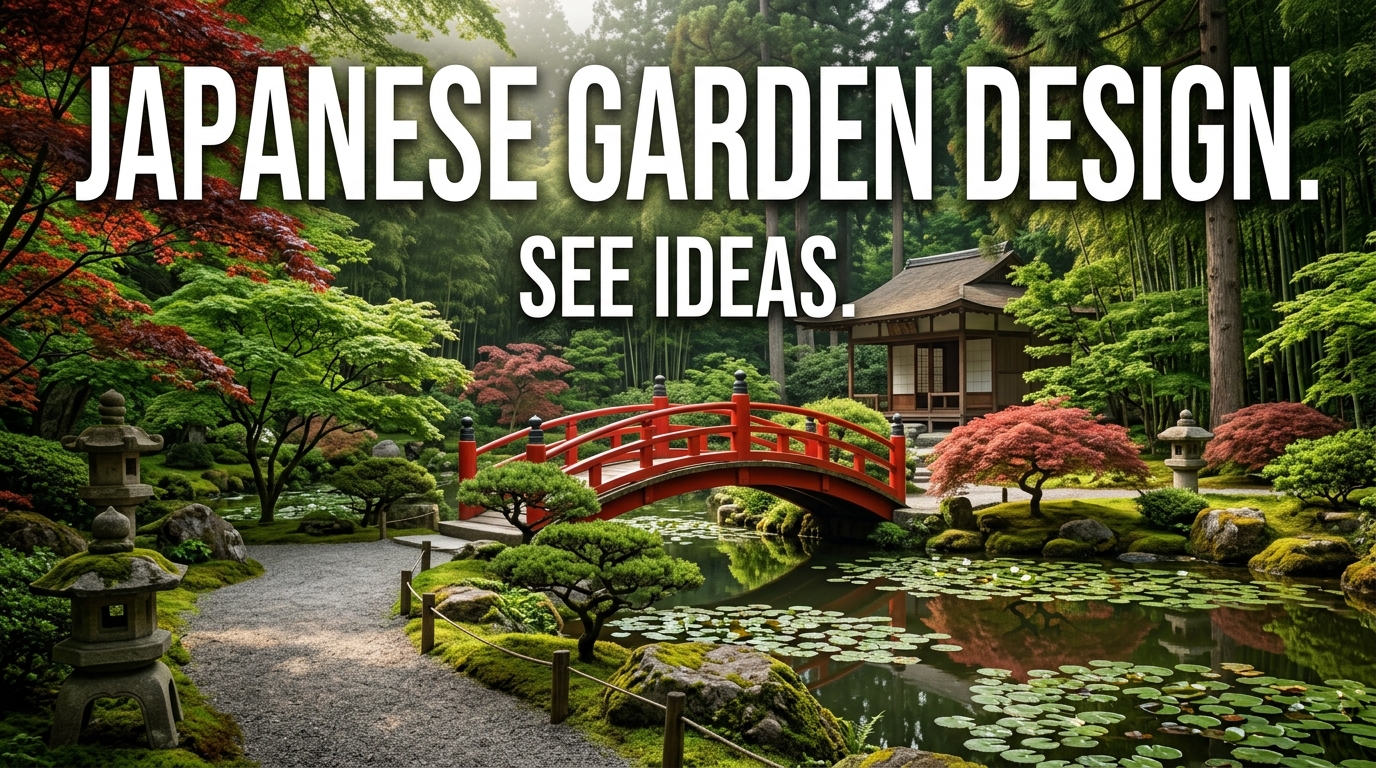
A Japanese garden landscape is designed to create a feeling of peace, balance, simplicity, and connection with nature. Instead of filling the garden with countless decorations, Japanese-inspired landscapes carefully combine rocks, water, plants, pathways, and architectural elements to create a calm and thoughtful outdoor environment.
Japanese gardens can be adapted to large yards, small backyards, courtyards, patios, and even compact urban spaces. Whether you want a traditional Japanese garden or a modern interpretation, the key is to create harmony between natural and constructed elements.
What Is a Japanese Garden Landscape?
Japanese garden design is influenced by principles of simplicity, asymmetry, natural beauty, and carefully framed views.
Common elements include:
- Rocks and stones
- Water features
- Gravel
- Moss
- Japanese maples
- Bamboo
- Stone lanterns
- Bridges
- Wooden structures
- Carefully shaped shrubs
- Winding pathways
Each element should have a purpose and contribute to the overall composition.
Main Types of Japanese Gardens

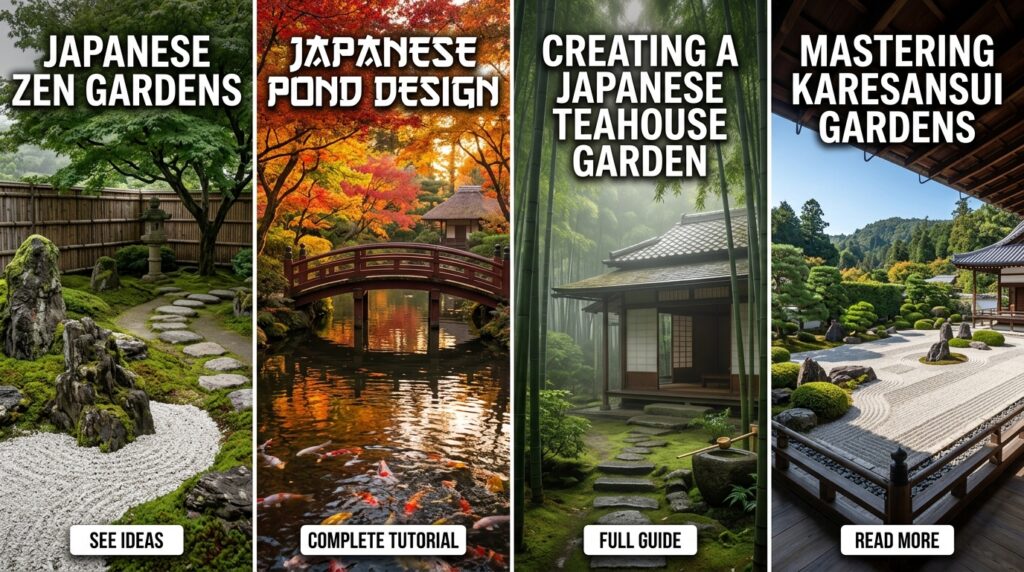
Zen Rock Garden
A Zen-inspired dry garden uses rocks, gravel, and minimal vegetation.
Raked gravel can represent water, while carefully positioned stones create visual focal points.
This style works particularly well in small spaces.
Stroll Garden
A stroll garden is designed to be experienced while walking along a pathway.
Curves, bridges, plants, and framed views gradually reveal different areas.
Tea Garden
Tea gardens traditionally create a transition from the outside world toward a tea house.
Typical features can include:
- Stone paths
- Water basins
- Simple gates
- Shade plants
- Rustic structures
Pond Garden
Water becomes the central feature.
A pond can be surrounded by rocks, trees, shrubs, bridges, and pathways.
Japanese Garden Design Principles
Simplicity
Avoid unnecessary decoration and visual clutter.
Asymmetry
Natural landscapes rarely have perfect symmetry, so Japanese gardens often use irregular arrangements.
Balance
Large and small elements should work together.
Borrowed Scenery
Frame distant trees, hills, architecture, or other views so they appear to become part of the garden.
Seasonal Interest
Choose plants that change throughout the year.
Japanese Garden Plants
Plant selection should support a natural and peaceful atmosphere.
Popular choices include:
Japanese Maple
Japanese maple provides delicate foliage and beautiful seasonal color.
Bamboo
Bamboo can create privacy, movement, and vertical structure. Choose clumping or otherwise appropriate species carefully to avoid unwanted spread.
Ferns
Ferns are useful for shaded, woodland-style areas.
Moss
Moss can provide a soft, aged appearance in suitable moist and shaded conditions.
Azaleas
Azaleas add seasonal flowers and can be shaped as part of the landscape.
Ornamental Grasses
Grasses provide movement and texture.
Always choose species that are suitable for your climate and soil.
Japanese Garden Rocks
Rocks are among the most important structural elements.
Use stones to create:
- Focal points
- Pathway edges
- Water features
- Dry landscapes
- Natural transitions
Avoid arranging rocks randomly. Consider their size, shape, orientation, and relationship to surrounding plants.
Japanese Garden Water Features
Water introduces movement and sound.
Consider:
- Garden ponds
- Small streams
- Water basins
- Cascades
- Bamboo water features
A simple water feature can become the focal point of a small garden.
Japanese Garden Pathways
Pathways encourage exploration and help organize the landscape.
Materials include:
- Natural stepping stones
- Gravel
- Flagstone
- Weathered stone
Avoid making every path perfectly straight. Gentle changes in direction can create a more natural experience.
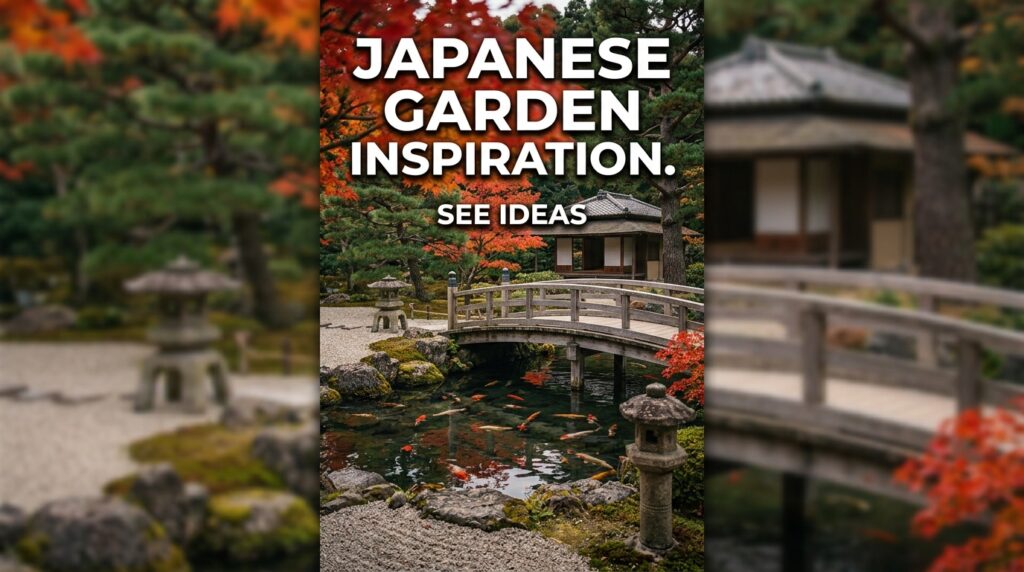
Add a Japanese Garden Bridge
A small bridge can create a strong focal point over a pond or dry stream.
Choose materials that complement the landscape, such as:
- Wood
- Stone
- Natural timber
Keep the design simple and avoid overly decorative structures.
Japanese Garden Lanterns
Stone lanterns can provide architectural interest.
Place them thoughtfully near:
- Pathways
- Water features
- Entrances
- Bridges
Use them sparingly so they remain focal details rather than visual clutter.
Japanese Garden Fence Ideas
Traditional-inspired fencing can create privacy and define different garden areas.
Materials may include:
- Bamboo
- Timber
- Natural branches
- Stone
Use fences as subtle background elements rather than making them dominate the landscape.
Small Japanese Garden Landscape Ideas
A small space can still capture the essence of Japanese design.
Try:
- One small maple
- Gravel
- Three or five carefully selected rocks
- A few mossy plants
- A stone lantern
- A simple water basin
Keep the composition open and uncluttered.
Japanese Garden for a Backyard
A larger backyard provides opportunities to create multiple zones.
Consider dividing the landscape into:
- Entrance area
- Dry rock garden
- Pond area
- Walking path
- Seating space
- Woodland planting area
Use plants and structures to transition naturally between each zone.
Japanese Garden Around a Patio
A patio can be softened with Japanese-inspired planting.
Use:
- Potted maples
- Bamboo screens
- Gravel
- Stone accents
- Ornamental grasses
Keep the surrounding materials natural and understated.
Japanese Garden Color Palette
Japanese-inspired landscapes often rely on subtle colors.
Common tones include:
- Deep green
- Moss green
- Gray stone
- Brown wood
- Soft pink
- White
- Seasonal red and orange
Avoid using too many bright colors simultaneously.
Japanese Garden Lighting
Outdoor lighting should be subtle.
Use:
- Low pathway lights
- Small spotlights
- Lantern-inspired fixtures
- Hidden landscape lighting
Highlight water, rocks, trees, and pathways rather than brightly illuminating the entire garden.
Japanese Garden Seating
A simple seating area provides a place to pause and appreciate the landscape.
Options include:
- Wooden benches
- Low stone benches
- Simple timber seating
- Minimalist outdoor chairs
Position seating toward a carefully framed garden view.
Japanese Garden Ideas on a Budget
You can recreate the atmosphere without expensive landscaping.
Try:
- Using locally available stones
- Creating a small dry garden
- Propagating suitable plants
- Building simple timber features
- Using gravel instead of expensive paving
- Choosing a few strong focal elements
A small, carefully composed garden can feel more authentic than a crowded landscape filled with expensive decorations.
Japanese Garden Maintenance
Japanese gardens may appear effortless, but they often require thoughtful maintenance.
Regular tasks can include:
- Pruning shrubs
- Removing invasive weeds
- Maintaining pathways
- Cleaning water features
- Raking gravel
- Removing dead foliage
- Managing bamboo growth
The goal is not to make everything perfectly uniform but to maintain the intended structure and atmosphere.
Common Japanese Garden Design Mistakes
Adding Too Many Decorations
Simplicity is fundamental to the aesthetic.
Making Everything Symmetrical
Natural asymmetry usually creates a more convincing composition.
Using Too Many Plant Species
A restrained plant palette can create greater visual harmony.
Ignoring Scale
Large rocks, trees, or structures can overwhelm a small garden.
Choosing Plants Without Considering Climate
Traditional Japanese plants may not thrive everywhere. Select suitable alternatives when necessary.
Frequently Asked Questions
What are the main elements of a Japanese garden?
Rocks, water, plants, pathways, gravel, wood, and carefully placed architectural features are common elements.
What plants are best for a Japanese garden?
Japanese maple, bamboo, ferns, moss, azaleas, and ornamental grasses are popular choices, provided they suit the local growing conditions.
Can I create a Japanese garden in a small yard?
Yes. A compact composition using gravel, stones, a small tree, and restrained planting can work beautifully.
Do Japanese gardens need water?
No. Dry Zen-style gardens demonstrate that rocks, gravel, and plants can create a peaceful landscape without a pond.
How do I make a Japanese garden feel natural?
Use asymmetrical arrangements, natural materials, restrained planting, layered views, and transitions that mimic natural landscapes.
Conclusion
A Japanese garden landscape offers a peaceful alternative to highly crowded or formal garden design. By combining rocks, water, plants, pathways, gravel, and simple architectural features, you can create an outdoor space that feels balanced, natural, and relaxing.
Start with a clear concept and choose only the elements that suit your available space. Whether you create a minimalist Zen rock garden, a lush pond landscape, or a small courtyard retreat, thoughtful placement and simplicity will help capture the timeless character of Japanese garden design.