 By John
Grow a Garden Seeds: Best Seed Selection, Planting Tips, and Gardening Guide for Beginners
Growing a garden from seeds is one of the most rewarding and affordable ways to create a thriving outdoor space. Whether you dream of harvesting fresh vegetables, growing colorful flowers, or cultivating fragrant herbs, starting from seeds gives you access to hundreds of plant varieties while saving money compared to buying mature plants. Watching tiny seeds develop into healthy plants is a satisfying experience for both beginner and experienced gardeners.
Seeds allow gardeners to control every stage of plant growth, from germination to harvest. With proper planning, healthy soil, adequate sunlight, and consistent watering, you can enjoy a productive garden filled with vegetables, herbs, annual flowers, and long-lasting perennials. Growing from seed also gives you the flexibility to experiment with unique plant varieties that may not be available at local garden centers.
This complete guide explains how to choose the best garden seeds, prepare your garden, sow seeds successfully, care for seedlings, and maintain a healthy garden throughout the growing season.
Why Grow a Garden From Seeds?
Starting plants from seeds offers many advantages.
Benefits include:
- Lower gardening costs
- Wider variety of plants
- Stronger root development
- Greater control over growing conditions
- Enjoyable gardening experience
- Fresh vegetables and herbs
- Beautiful flowers
- Sustainable gardening
Growing from seed is ideal for gardeners of all skill levels.
Choosing the Best Garden Seeds
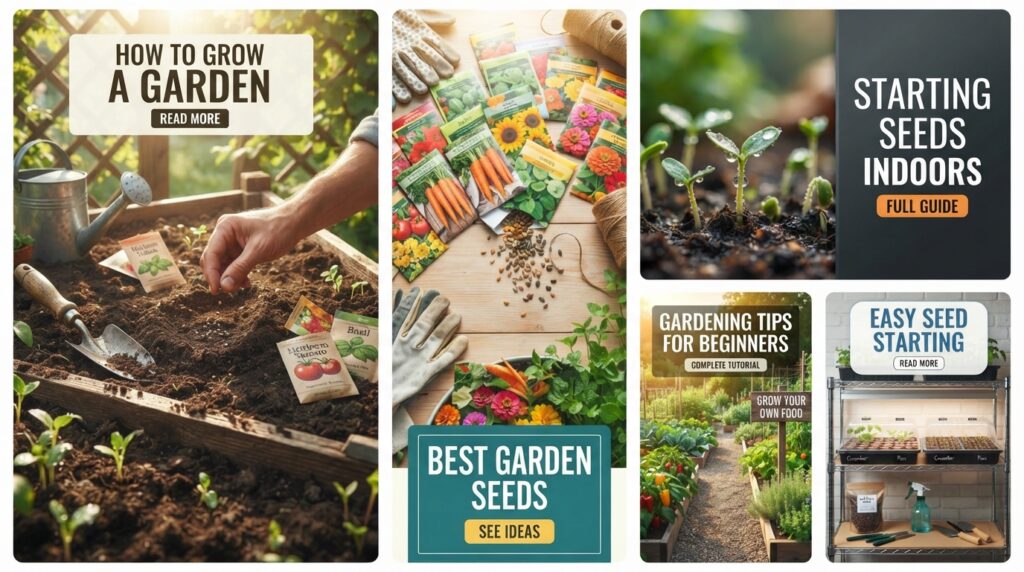
Select high-quality seeds from trusted suppliers.
Popular categories include:
- Vegetable seeds
- Flower seeds
- Herb seeds
- Native plant seeds
- Wildflower mixes
- Pollinator-friendly plants
Always check the seed packet for planting instructions and expiration dates.
Popular Vegetable Seeds
Vegetables are among the easiest plants to grow from seed.
Top choices include:
- Tomatoes
- Carrots
- Lettuce
- Cucumbers
- Beans
- Peas
- Spinach
- Radishes
- Beets
- Pumpkins
Choose varieties suited to your local climate.
Flower Seeds
Flowers add color and attract beneficial insects.
Popular flower seeds include:
- Sunflowers
- Zinnias
- Marigolds
- Cosmos
- Nasturtiums
- Cornflowers
- Calendula
- Sweet Peas
Mix annuals and perennials for blooms throughout the year.
Herb Seeds
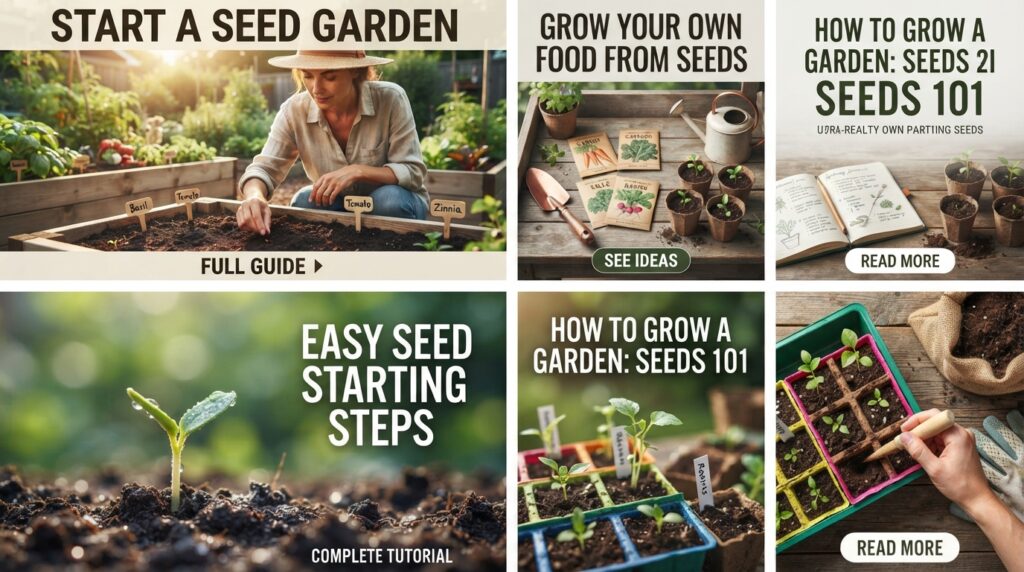
Fresh herbs are easy to grow from seed.
Excellent options include:
- Basil
- Parsley
- Dill
- Cilantro
- Chives
- Thyme
- Oregano
- Sage
Herbs thrive in raised beds, containers, and traditional gardens.
Preparing Your Garden
Healthy soil provides the foundation for successful seed growth.
Before planting:
- Remove weeds
- Loosen the soil
- Add compost
- Improve drainage
- Level the planting area
- Test soil pH if needed
Rich soil encourages strong root development.
Choosing the Right Location
Most plants require plenty of sunlight.
Look for an area with:
- Six to eight hours of sunlight
- Good drainage
- Easy access to water
- Protection from strong winds
Match the location to the needs of your chosen plants.
Direct Sowing Seeds

Many plants grow well when sown directly outdoors.
Suitable crops include:
- Carrots
- Beans
- Peas
- Radishes
- Spinach
- Sunflowers
Follow the recommended planting depth shown on the seed packet.
Starting Seeds Indoors
Some plants benefit from an early indoor start.
Examples include:
- Tomatoes
- Peppers
- Eggplants
- Broccoli
- Cabbage
Use seed trays, quality seed-starting mix, and bright light for healthy seedlings.
Watering Seeds
Consistent moisture is essential during germination.
Best practices include:
- Keep soil evenly moist
- Avoid waterlogging
- Use a fine spray
- Water in the morning
Overwatering can cause seeds to rot.
Understanding Germination
Germination begins when seeds absorb water and begin to grow.
Factors affecting germination include:
- Soil temperature
- Moisture
- Oxygen
- Light
- Seed quality
Most seeds germinate within a few days to several weeks, depending on the plant.
Thinning Seedlings
When seedlings become crowded, remove weaker plants.
Benefits include:
- Better airflow
- Reduced competition
- Healthier growth
- Larger harvests
Proper spacing improves plant performance.
Mulching Around Seedlings
Mulch helps protect young plants.
Advantages include:
- Moisture retention
- Weed suppression
- Temperature regulation
- Improved soil health
Apply mulch once seedlings are well established.
Fertilizing Young Plants
Healthy nutrition encourages vigorous growth.
Good options include:
- Compost
- Organic fertilizers
- Fish emulsion
- Balanced garden fertilizer
Avoid excessive fertilization, especially with young seedlings.
Companion Planting
Some plants grow better together.
Popular combinations include:
- Tomatoes and basil
- Carrots and onions
- Cucumbers and dill
- Beans and corn
- Lettuce and radishes
Companion planting helps improve productivity and reduce pests.
Pollinator-Friendly Gardens
Encourage bees and butterflies by planting:
- Lavender
- Coneflowers
- Bee Balm
- Cosmos
- Sunflowers
- Zinnias
Pollinators improve vegetable and fruit production.
Raised Bed Gardening
Raised beds provide excellent growing conditions.
Benefits include:
- Better drainage
- Warmer soil
- Improved soil quality
- Easier maintenance
Seeds often germinate faster in well-prepared raised beds.
Container Gardening
Containers are ideal for patios and balconies.
Grow:
- Herbs
- Lettuce
- Tomatoes
- Flowers
- Peppers
Use quality potting mix designed for containers.
Sustainable Gardening
Practice environmentally friendly gardening by using:
- Compost
- Rainwater collection
- Organic mulch
- Native plants
- Crop rotation
- Natural pest control
Sustainable methods create healthier gardens while protecting the environment.
Seasonal Planting Guide
Spring
Plant:
- Lettuce
- Peas
- Spinach
- Carrots
Summer
Grow:
- Tomatoes
- Beans
- Cucumbers
- Corn
Autumn
Sow:
- Kale
- Radishes
- Beets
- Broccoli
Winter
In mild climates, plant:
- Garlic
- Onions
- Cover crops
Seasonal planning extends your gardening success.
Common Gardening Mistakes
Avoid these common errors:
- Planting too deeply
- Overwatering
- Poor soil preparation
- Overcrowding seedlings
- Ignoring sunlight needs
- Skipping weed control
Small improvements lead to healthier plants.
Garden Maintenance
Keep your garden healthy by:
- Watering consistently
- Removing weeds
- Feeding plants
- Checking for pests
- Harvesting regularly
- Adding compost
Routine care produces stronger plants and better harvests.
Frequently Asked Questions
Is it better to grow a garden from seeds or plants?
Growing from seeds is usually more affordable and offers a wider variety of plants, while starter plants provide faster results.
Which seeds are easiest for beginners?
Lettuce, beans, peas, radishes, sunflowers, marigolds, and basil are among the easiest seeds to grow.
How often should I water newly planted seeds?
Keep the soil consistently moist but not soggy until seeds germinate and seedlings become established.
Can I grow seeds in containers?
Yes. Many vegetables, herbs, and flowers grow successfully in containers with quality potting mix and regular watering.
How long does it take for seeds to germinate?
Germination varies by plant type. Some seeds sprout in a few days, while others may take two to three weeks or longer.
Conclusion
Growing a garden from seeds is one of the most enjoyable and rewarding ways to create a beautiful, productive outdoor space. Whether you’re planting vegetables, herbs, flowers, or pollinator-friendly plants, starting from seed allows you to enjoy greater variety, healthier plants, and lower gardening costs.
By selecting quality seeds, preparing nutrient-rich soil, providing consistent care, and following seasonal planting schedules, you can enjoy healthy growth from germination through harvest. With patience and proper maintenance, your seed-grown garden will reward you with colorful blooms, fresh produce, and the satisfaction of nurturing plants from the very beginning.