
 By John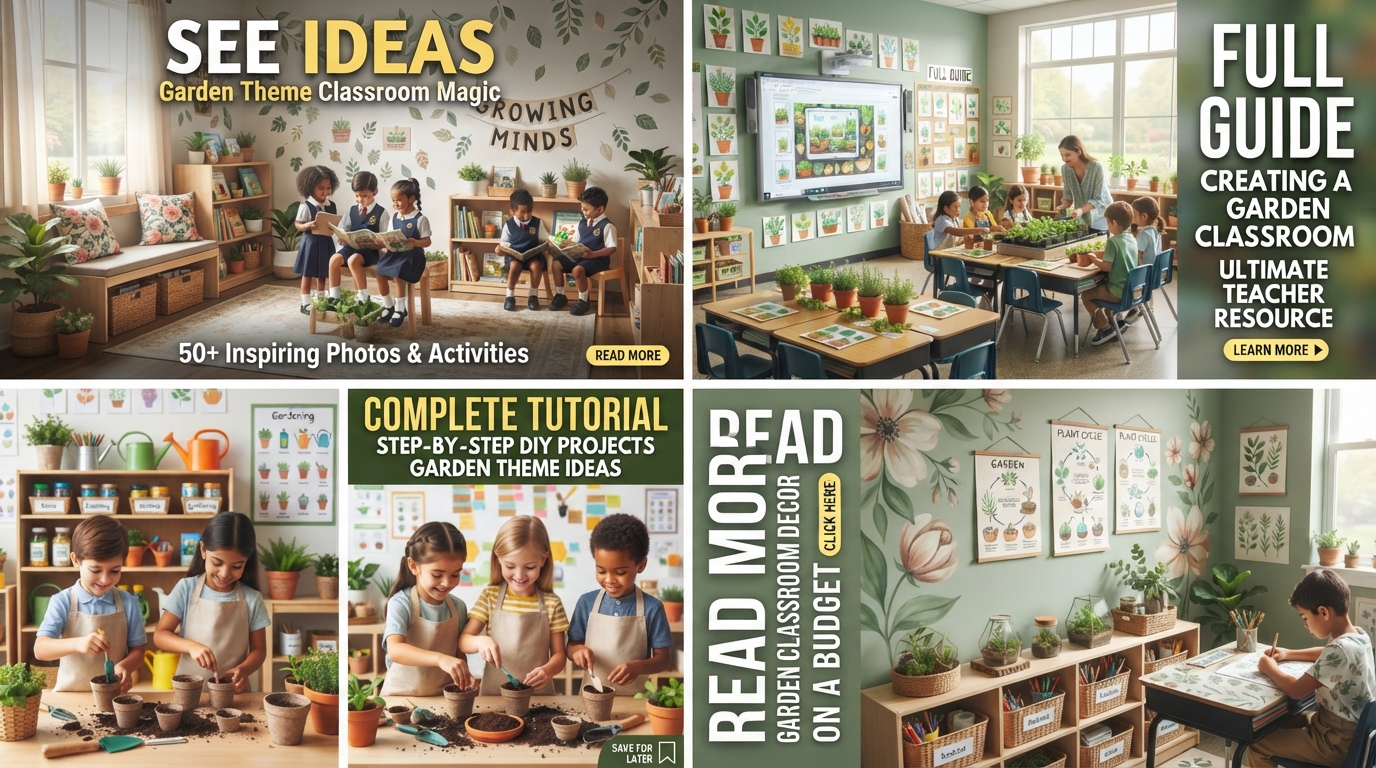
A garden theme classroom can transform an ordinary learning environment into a bright, welcoming, and imaginative space inspired by flowers, plants, insects, and nature. This theme works especially well for preschool and elementary classrooms because it can make learning more interactive while introducing children to gardening, science, seasons, and the natural world.
You don’t need a large budget to create a garden-inspired classroom. Paper flowers, plant-themed bulletin boards, colorful labels, recycled containers, and handmade decorations can completely change the atmosphere. The best garden classroom combines cheerful décor with practical learning activities.
What Is a Garden Theme Classroom?
A garden theme classroom uses nature-inspired elements throughout the learning environment.
Common features include:
- Flowers
- Leaves
- Butterflies
- Bees
- Ladybugs
- Garden signs
- Plant displays
- Nature-themed bulletin boards
- Garden-inspired learning centers
- Green and floral colors
The theme can be adapted to different ages, subjects, and classroom sizes.
Benefits of a Garden Theme Classroom
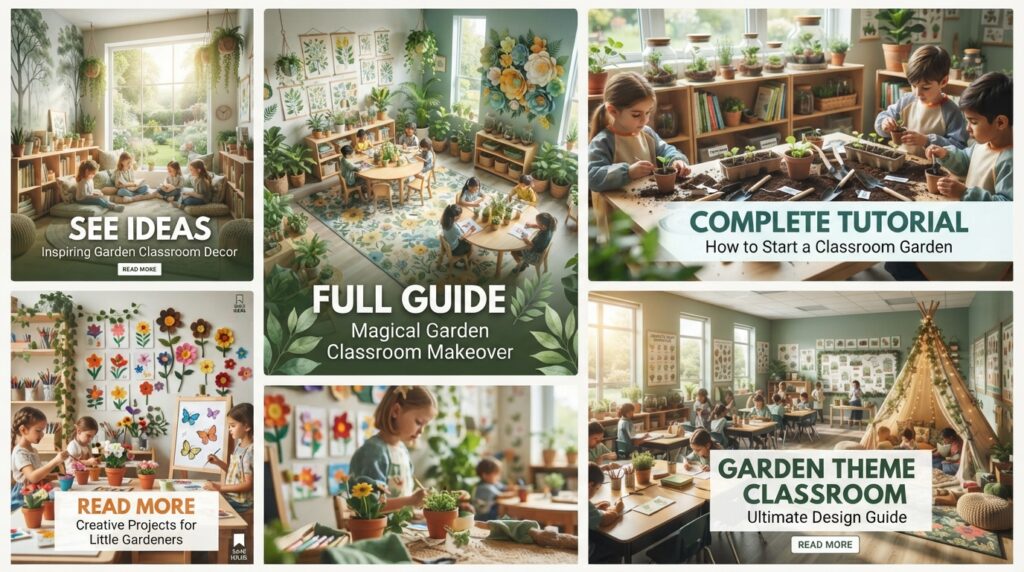
A nature-inspired classroom can:
- Create a welcoming atmosphere
- Encourage curiosity
- Support science learning
- Introduce gardening concepts
- Inspire creativity
- Make classroom routines more engaging
- Connect lessons with the natural world
Teachers can use the theme for both decoration and hands-on learning.
Garden Theme Classroom Color Palette
Choose a consistent palette to make the room feel cohesive.
Popular colors include:
- Green
- Yellow
- Pink
- Purple
- Blue
- White
- Orange
Use green as a base and add brighter flower colors as accents.
Garden Theme Bulletin Board
A garden bulletin board can become the main classroom focal point.
Try ideas such as:
Welcome to Our Garden
Create paper flowers with students’ names on the petals.
Watch Us Grow
Use flowers, leaves, or vegetables to represent student progress.
Our Class Is Blooming
Add a large garden scene with individual student flowers.
Reading Garden
Turn books or reading achievements into flowers growing from a garden bed.
Create a Garden-Themed Door
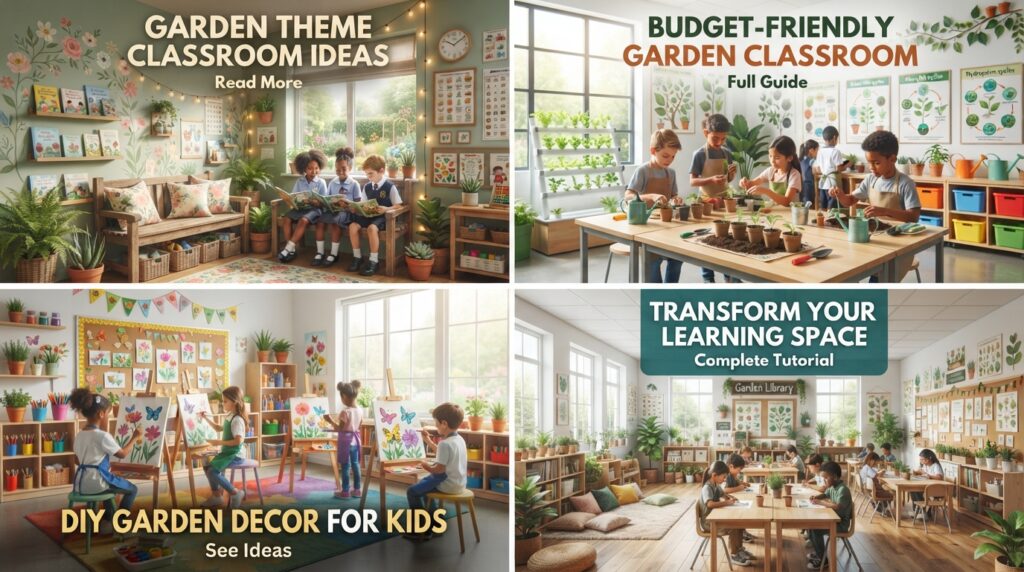
The classroom door is the perfect place to introduce the theme.
Add:
- Paper flowers
- Vines
- Butterflies
- Bees
- Garden signs
- Student names
A phrase such as “Welcome to Our Learning Garden” can make the entrance especially inviting.
Garden Theme Classroom Name Displays
Turn student names into garden elements.
Ideas include:
- Flower name tags
- Butterfly labels
- Ladybug cards
- Vegetable signs
- Leaf-shaped labels
These can be used on desks, cubbies, lockers, or classroom displays.
Garden Reading Corner
Create a cozy reading area inspired by a garden.
Add:
- Floral cushions
- Green rugs
- Paper vines
- Flower decorations
- Nature-themed books
- Soft lighting
You can call the space the “Reading Garden” or “Book Garden.”
Garden Theme Classroom Library
Organize books using garden-inspired labels.
Categories could include:
- Flowers
- Animals
- Insects
- Seasons
- Science
- Gardening
- Nature Stories
Use colorful flower or leaf signs to make categories easy to recognize.
Garden-Themed Learning Centers
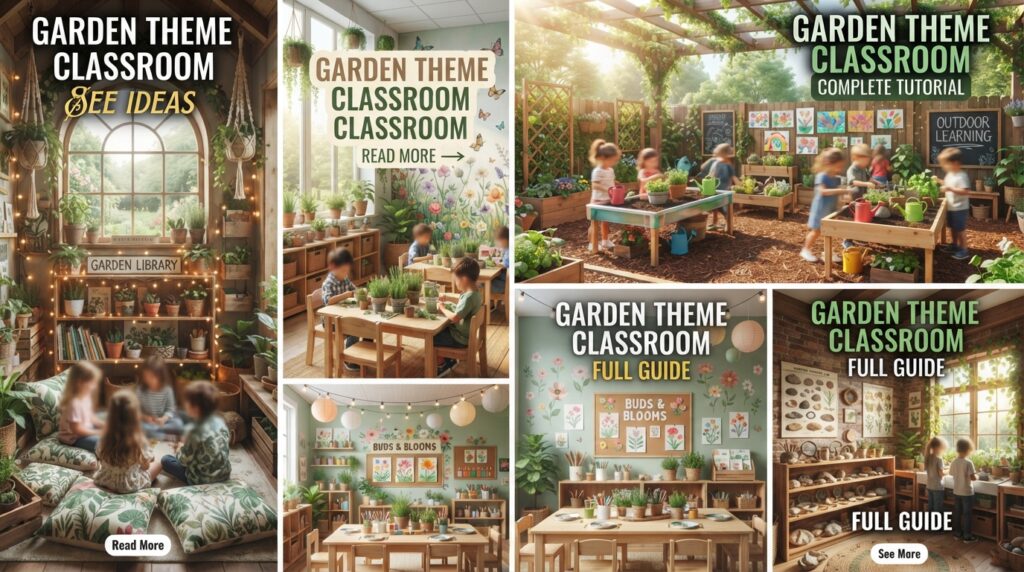
Turn learning centers into themed garden areas.
For example:
Math Garden
Use flowers, leaves, or vegetables for counting, sorting, patterns, and basic calculations.
Science Garden
Explore seeds, plant growth, insects, weather, and ecosystems.
Writing Garden
Students can write stories about gardens, insects, plants, or imaginary outdoor adventures.
Art Garden
Create paper flowers, painted rocks, leaf prints, and insect crafts.
Garden Theme Classroom Job Chart
Turn classroom responsibilities into gardening jobs.
Examples include:
- Garden Helper
- Watering Helper
- Seed Starter
- Garden Organizer
- Flower Leader
- Cleanup Gardener
Display student names on flower pots or garden markers.
Garden Theme Attendance Chart
Create a simple garden scene with one flower, butterfly, or insect for each student.
Students can move their name or symbol each morning to show attendance.
Garden Theme Calendar
Decorate the calendar with:
- Flowers
- Leaves
- Butterflies
- Bees
- Seasonal vegetables
Change the decorations throughout the year to teach seasonal concepts.
Garden Theme Classroom Rules
Turn classroom expectations into simple garden messages.
For example:
- Help Others Grow
- Be Kind
- Use Gentle Hands
- Listen Carefully
- Keep Our Garden Clean
- Let Everyone Bloom
Use flower or leaf illustrations to make the rules memorable.
Garden Theme Classroom Door Decorations
Create an immersive entrance using layered paper decorations.
Add:
- Large flowers
- Green vines
- Butterflies
- Bees
- Garden fences
- A welcome sign
Allow students to help make some of the decorations.
DIY Garden Classroom Decorations
DIY projects can be inexpensive and engaging.
Paper Flowers
Create large paper flowers using colorful construction paper.
Egg Carton Flowers
Paint suitable clean egg cartons and turn the sections into flower shapes.
Paper Plate Sunflowers
Use paper plates and colored paper to create oversized classroom flowers.
Painted Garden Rocks
Decorate smooth stones with insects, flowers, or positive words.
Cardboard Garden Fence
Create a lightweight decorative fence from cardboard and place it around a bulletin board.
Garden Theme Classroom Crafts
Craft activities can reinforce the theme.
Try:
- Leaf rubbing
- Flower collages
- Butterfly crafts
- Paper insects
- Seed art
- Nature-inspired painting
- Paper vegetable gardens
Choose age-appropriate materials and supervise children when necessary.
Add Real Plants
If classroom policies and conditions allow, a few suitable plants can make the theme feel authentic.
Consider easy-care options appropriate for the classroom environment.
Teach students about:
- Watering
- Sunlight
- Roots
- Leaves
- Plant growth
Avoid plants that are toxic or problematic for children and pets.
Create a Classroom Seed-Growing Project
Growing seeds provides a simple hands-on science activity.
Students can observe:
- Seed preparation
- Germination
- Root development
- Leaf growth
- Changes over time
Use transparent containers where appropriate so students can observe root development.
Garden Theme Classroom Science
The garden theme naturally supports science lessons.
Explore:
- Plant life cycles
- Pollination
- Soil
- Weather
- Insects
- Photosynthesis
- Seasons
- Food production
Students can keep simple observation journals as plants grow.
Garden Theme Classroom Math
Use garden objects to make math activities more engaging.
Try:
- Counting flowers
- Sorting seeds
- Creating patterns
- Measuring plant growth
- Comparing leaf sizes
- Graphing classroom plant observations
The theme can work with many age-appropriate math concepts.
Garden Theme Classroom Writing
Encourage creative writing with prompts such as:
- “If I lived in a garden…”
- “The secret life of a butterfly…”
- “A tiny seed’s adventure…”
- “My magical garden…”
- “The day the flowers started talking…”
Display finished writing as part of the classroom garden.
Garden Theme Classroom for Preschool
A garden theme is especially suitable for young learners.
Use:
- Large colorful flowers
- Friendly insects
- Simple garden signs
- Sensory activities
- Nature books
- Easy counting games
Keep decorations safe, accessible, and age appropriate.
Garden Theme Classroom for Elementary Students
Older students can explore deeper topics.
Include:
- Plant life cycles
- Pollination
- Food gardens
- Environmental science
- Garden journals
- Measurement activities
- Ecosystem projects
The theme can become a foundation for cross-curricular learning.
Garden Theme Classroom on a Budget
You can create an attractive classroom without expensive supplies.
Save money by:
- Using construction paper
- Reusing cardboard
- Making DIY decorations
- Repurposing containers
- Creating handmade labels
- Involving students in crafts
Focus spending on practical classroom materials rather than decorative items.
Seasonal Garden Classroom Themes
Spring
Use flowers, seedlings, butterflies, and rain themes.
Summer
Add sunshine, vegetables, fruits, and colorful flowers.
Autumn
Use leaves, pumpkins, harvest themes, and warm colors.
Winter
Use evergreen plants, woodland themes, and simple nature decorations.
Common Garden Classroom Mistakes
Too Much Decoration
Leave enough open space so the room remains functional.
Overusing Bright Colors
Choose a consistent palette instead of using every color everywhere.
Blocking Learning Materials
Decorations should not interfere with displays, shelves, windows, or classroom access.
Using Unsafe Plants or Materials
Check plants, craft materials, and decorations for age-appropriate safety.
Forgetting Educational Value
Use the garden theme to support learning rather than decoration alone.
Frequently Asked Questions
What should I include in a garden theme classroom?
Use flowers, leaves, insects, plants, garden signs, nature-themed bulletin boards, and garden-inspired learning centers.
Is a garden theme good for preschool?
Yes. Flowers, insects, plants, and gardening activities provide many opportunities for sensory, science, art, language, and early math learning.
How can I decorate a classroom door with a garden theme?
Create a garden scene using paper flowers, vines, butterflies, bees, a small fence, and a welcoming message.
How can I create a garden classroom on a budget?
Use construction paper, cardboard, recycled containers, handmade decorations, and student-created crafts.
Can real plants be used in a garden classroom?
Yes, if classroom conditions and school policies allow. Choose suitable non-toxic plants and teach students how to care for them safely.
Conclusion
A garden theme classroom can make learning feel colorful, creative, and connected to nature. From flower-covered bulletin boards and garden-themed classroom rules to reading corners, science experiments, math activities, and student crafts, the theme can extend far beyond simple decoration.
Start with a simple color palette and one main garden display. Then gradually add learning centers, handmade crafts, plants, and seasonal activities. By combining décor with hands-on learning, you can create a classroom environment where students feel inspired to explore, discover, and grow.