
 By John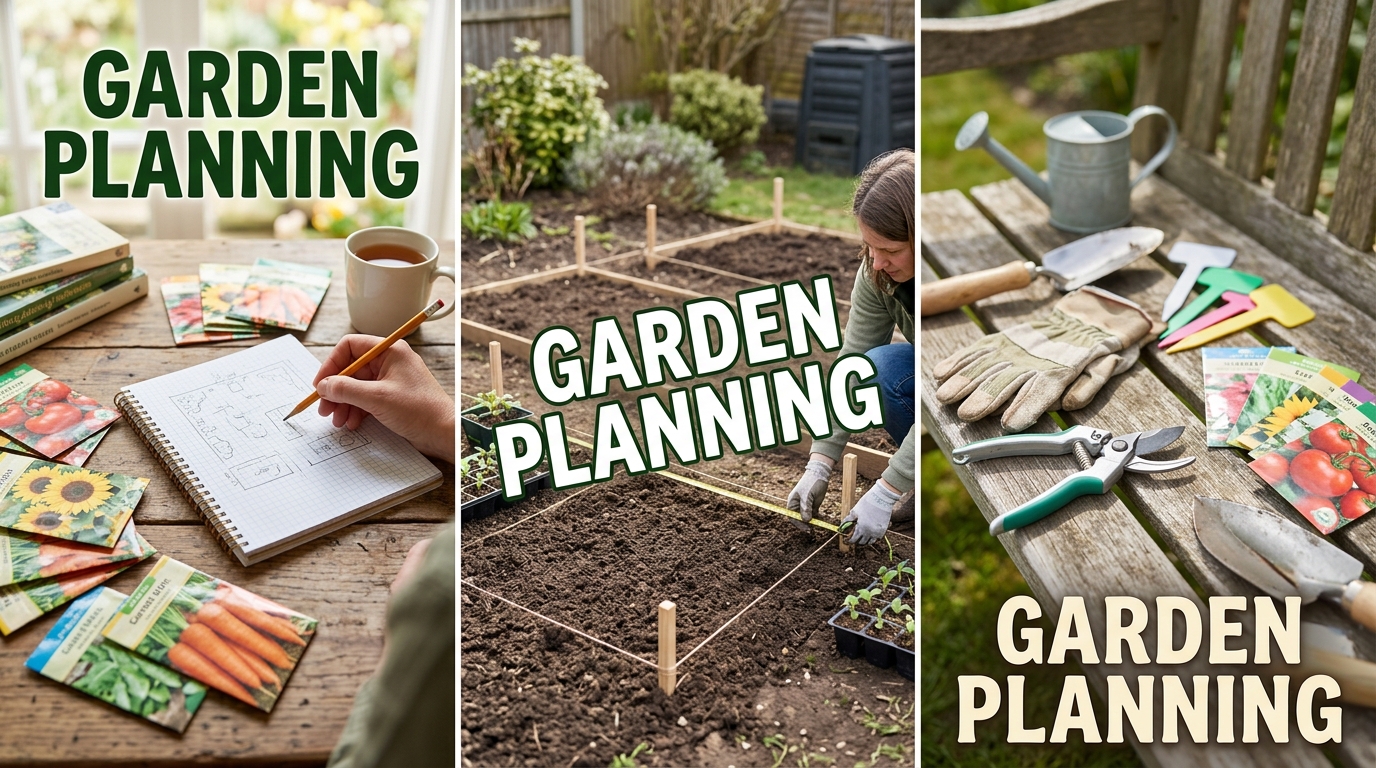
Garden planning is the foundation of creating a beautiful, organized, and functional outdoor space. Whether you want a vegetable garden, flower garden, modern landscape, cottage garden, or relaxing backyard retreat, proper planning helps maximize space, improve plant health, and create a visually balanced environment.
A well-planned garden combines layout, plant selection, pathways, seating, lighting, and decorative elements to create an outdoor space that fits your lifestyle and maintenance preferences. Good garden planning also helps avoid common gardening mistakes while making outdoor spaces easier to maintain and enjoy throughout every season.
In this guide, you’ll discover everything about garden planning, including layouts, zoning, plant selection, pathways, lighting, seating, and landscaping inspiration.
What Is Garden Planning?
Garden planning is the process of organizing outdoor spaces before planting or landscaping begins.
Garden planning often includes:
- Garden layouts
- Plant placement
- Pathways
- Watering systems
- Seating areas
- Lighting design
- Raised beds
- Decorative borders
- Outdoor structures
The goal is to create a balanced and efficient outdoor environment.
Benefits of Garden Planning
1. Maximizes Outdoor Space
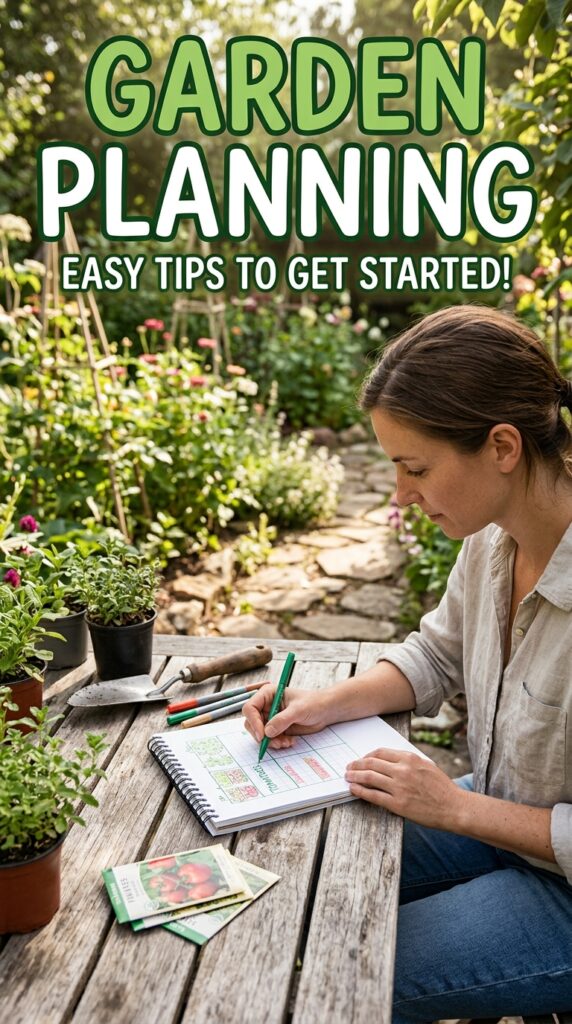
Planning helps use every area efficiently.
2. Improves Garden Appearance
Organized layouts create cleaner and more attractive landscapes.
3. Makes Maintenance Easier
Thoughtful designs reduce unnecessary work.
4. Supports Healthy Plant Growth
Proper placement improves sunlight and airflow.
5. Saves Time and Money
Planning helps avoid costly landscaping mistakes.
Important Steps in Garden Planning
1. Analyze Your Outdoor Space
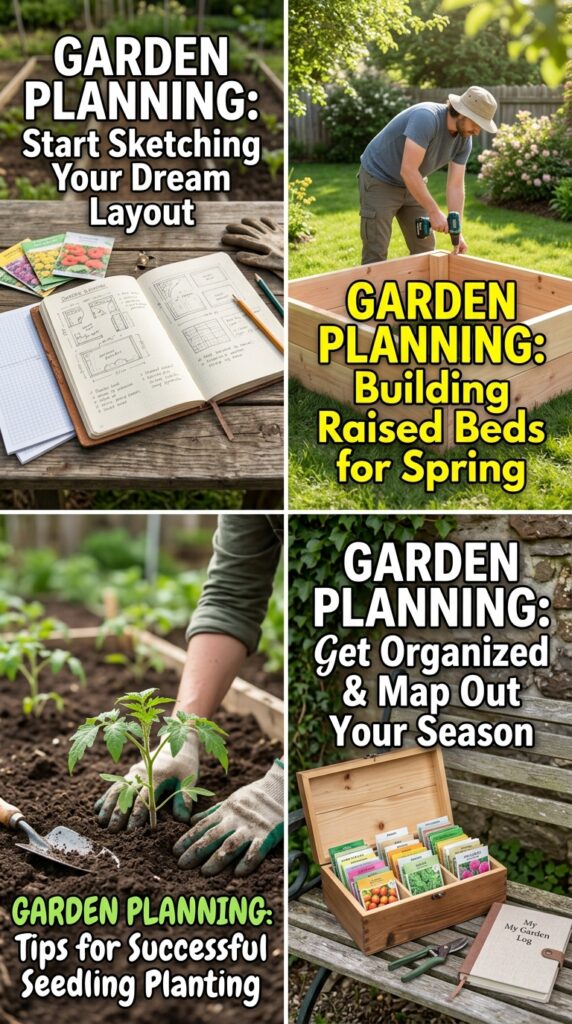
Start by studying the garden area carefully.
Consider:
- Sunlight exposure
- Shade areas
- Soil condition
- Drainage
- Existing plants
- Space dimensions
Understanding the environment helps choose the right design and plants.
2. Choose a Garden Style
Selecting a consistent style creates visual harmony.
Popular Garden Styles:
- Modern garden
- Cottage garden
- Tropical garden
- Zen garden
- Mediterranean garden
- Vegetable garden
- Wildflower garden
3. Divide the Garden Into Zones
Zoning helps organize outdoor spaces efficiently.
Common Garden Zones:
- Dining area
- Vegetable garden
- Flower beds
- Relaxation space
- Pathways
- Lawn area
- Play zone
4. Plan Pathways and Access
Pathways improve movement and structure.
Popular Pathway Materials:
- Gravel
- Stone
- Brick
- Wood
- Concrete pavers
5. Select Plants Carefully
Choose plants suited to your climate and maintenance level.
Consider:
- Sunlight needs
- Water requirements
- Growth size
- Seasonal interest
- Pollinator friendliness
Best Garden Planning Styles
1. Modern Garden Planning
Modern layouts focus on clean lines and structure.
Features:
- Geometric shapes
- Minimal planting
- Neutral colors
- Organized pathways
2. Cottage Garden Planning
Cottage gardens feel romantic and relaxed.
Include:
- Wildflowers
- Curved pathways
- Layered flower beds
- Rustic decor
3. Tropical Garden Planning
Tropical gardens create lush resort-like atmosphere.
Popular Plants:
- Palms
- Ferns
- Banana plants
- Bird of paradise
4. Zen Garden Planning
Zen gardens focus on simplicity and tranquility.
Features:
- Gravel areas
- Bamboo
- Stone accents
- Minimal greenery
5. Vegetable Garden Planning
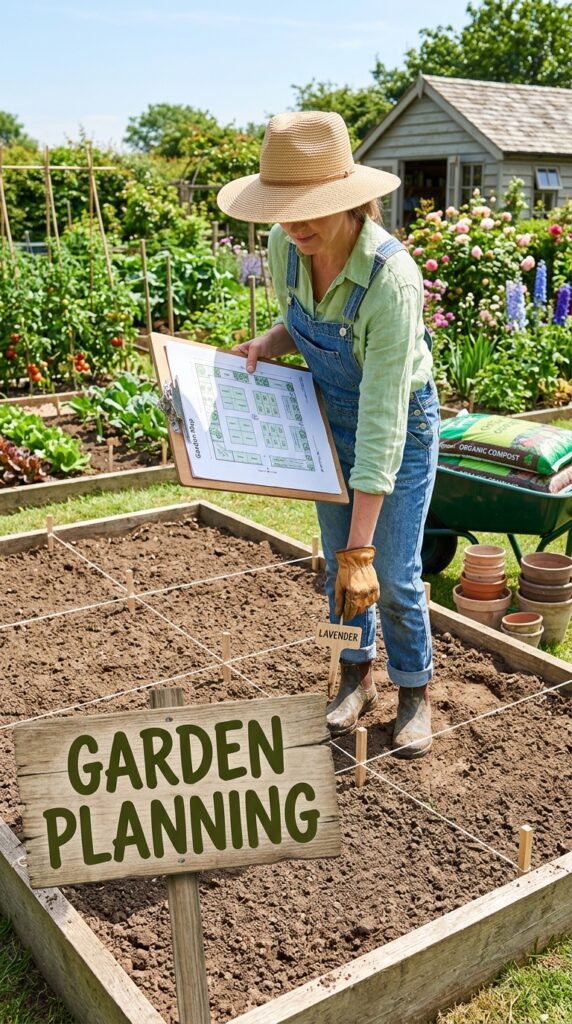
Productive gardens combine beauty with practicality.
Include:
- Raised beds
- Companion planting
- Trellises
- Herb sections
Small Garden Planning Ideas
Small spaces can still feel functional and beautiful.
Vertical Gardening
Use walls and trellises to maximize greenery.
Compact Seating Areas
Create cozy outdoor corners.
Raised Beds
Organize planting efficiently.
Multi-Functional Spaces
Combine dining, planting, and relaxation zones.
Backyard Garden Planning Ideas
Backyards provide endless landscaping possibilities.
Outdoor Lounge Areas
Perfect for entertaining and relaxing.
Fire Pit Zones
Create warm gathering spaces.
Pergola Garden Design
Adds shade and structure.
Multi-Level Landscaping
Creates visual depth and interest.
Front Yard Garden Planning Ideas
Front gardens improve curb appeal and entrance beauty.
Symmetrical Planting
Creates organized elegant appearance.
Decorative Walkways
Guide visitors naturally to entrances.
Flower Borders
Add color and softness.
Minimalist Front Gardens
Modern and low-maintenance design.
Garden Lighting Planning Ideas
Lighting improves atmosphere and nighttime usability.
Solar Path Lights
Eco-friendly and practical.
Fairy Lights
Create magical evening ambiance.
Spotlights
Highlight trees and focal points.
Lantern Decor
Warm rustic outdoor atmosphere.
Water Feature Planning Ideas
Water features add tranquility and visual interest.
Garden Fountains
Elegant landscape centerpiece.
Small Ponds
Natural and peaceful garden feature.
Waterfalls
Dramatic and relaxing outdoor element.
Reflecting Pools
Modern luxury landscaping feature.
Garden Seating Planning Ideas
Comfortable seating makes gardens more enjoyable.
Outdoor Sofas
Ideal for relaxing and entertaining.
Wooden Benches
Classic and timeless seating option.
Swing Chairs
Create cozy outdoor retreats.
Dining Areas
Perfect for outdoor meals and gatherings.
Low Maintenance Garden Planning Ideas
Easy-care landscaping reduces long-term work.
Best Features:
- Native plants
- Mulching
- Drip irrigation
- Gravel pathways
- Perennial flowers
These reduce watering and maintenance needs.
Seasonal Garden Planning Ideas
Spring Garden Planning
Focus on fresh flowers and planting preparation.
Summer Garden Planning
Add shade and outdoor seating.
Autumn Garden Planning
Use warm foliage and cozy decor.
Winter Garden Planning
Include evergreen plants and lighting.
DIY Garden Planning Ideas
DIY projects personalize outdoor spaces affordably.
DIY Raised Beds
Simple and practical gardening feature.
DIY Garden Paths
Affordable landscaping improvement.
DIY Pergola
Adds shade and structure.
DIY Vertical Garden
Perfect for compact outdoor spaces.
Garden Decor Planning Ideas
Decorative details complete outdoor aesthetics.
Decorative Pots
Enhance plant displays beautifully.
Garden Sculptures
Add artistic focal points.
Rustic Lanterns
Perfect for nighttime ambiance.
Outdoor Rugs
Make seating areas feel cozy.
Common Garden Planning Mistakes to Avoid
Overcrowding Plants
Leave space for growth and airflow.
Ignoring Sunlight Patterns
Plants need proper light conditions.
Poor Drainage Planning
Standing water can damage plants and structures.
Mixing Too Many Styles
Choose a consistent garden theme.
Why Garden Planning Is Important
Garden planning is essential because it helps create:
- Functional outdoor spaces
- Healthier plant growth
- Beautiful landscaping
- Easier maintenance
- Better use of available space
Thoughtful planning leads to more successful and enjoyable gardens.
Conclusion
Garden planning is the key to creating a beautiful, organized, and functional outdoor space that fits your lifestyle and gardening goals. Whether you want a relaxing backyard retreat, a productive vegetable garden, a modern landscape, or a charming cottage garden, careful planning helps maximize beauty, comfort, and efficiency.
By combining layouts, plants, pathways, lighting, seating, water features, and decorative elements, you can design a stunning garden that feels peaceful, practical, and visually appealing throughout every season.