
 By John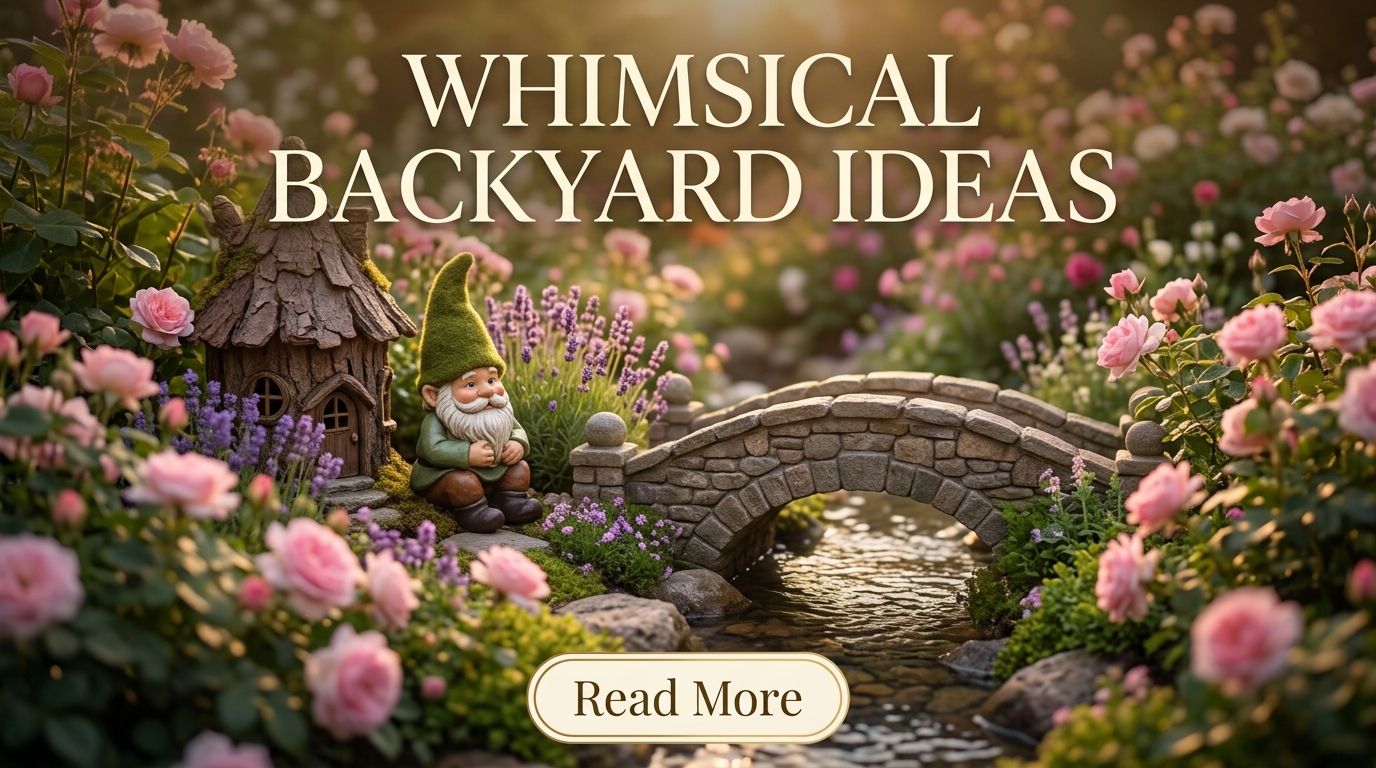
Garden gnomes are among the most recognizable and beloved garden decorations in the world. These cheerful figurines have been bringing personality, charm, and whimsy to outdoor spaces for generations. Whether placed among flower beds, beside pathways, near ponds, or tucked beneath shrubs, garden gnomes add a playful touch that can make any landscape feel more welcoming and unique.
From traditional red-hatted gnomes to modern and themed designs, today’s garden gnomes come in countless styles, sizes, and materials. They can complement cottage gardens, fairy gardens, rustic landscapes, and even contemporary outdoor spaces. For many homeowners and gardening enthusiasts, garden gnomes are more than simple decorations—they are iconic symbols of creativity, fun, and garden personality.
This complete guide explores the history of garden gnomes, popular styles, decorating ideas, placement tips, and ways to incorporate these charming figures into your outdoor design.
What Are Garden Gnomes?
Garden gnomes are decorative statues typically designed to resemble small mythical creatures known as gnomes. Traditional gnomes are often depicted with:
- Pointed red hats
- Long white beards
- Simple clothing
- Friendly expressions
According to folklore, gnomes were believed to protect gardens, crops, and hidden treasures beneath the earth.
Today, they serve primarily as decorative ornaments that add character and charm to outdoor spaces.
The History of Garden Gnomes

Garden gnomes originated in Europe during the 19th century.
The first decorative garden gnomes were created in Germany, where artisans crafted clay figurines inspired by folklore and mythology.
These statues quickly became popular among wealthy estate owners and garden enthusiasts.
Over time, garden gnomes spread throughout Europe and eventually gained popularity worldwide.
Today, they remain a classic garden decoration enjoyed by people of all ages.
Why Garden Gnomes Are So Popular
Garden gnomes continue to be popular because they bring fun and personality to outdoor spaces.
Benefits include:
- Adding visual interest
- Creating conversation pieces
- Enhancing garden themes
- Expressing personal style
- Making gardens feel welcoming
Their playful nature appeals to both children and adults.
Garden gnomes can make even simple landscapes feel more imaginative and inviting.
Traditional Garden Gnomes
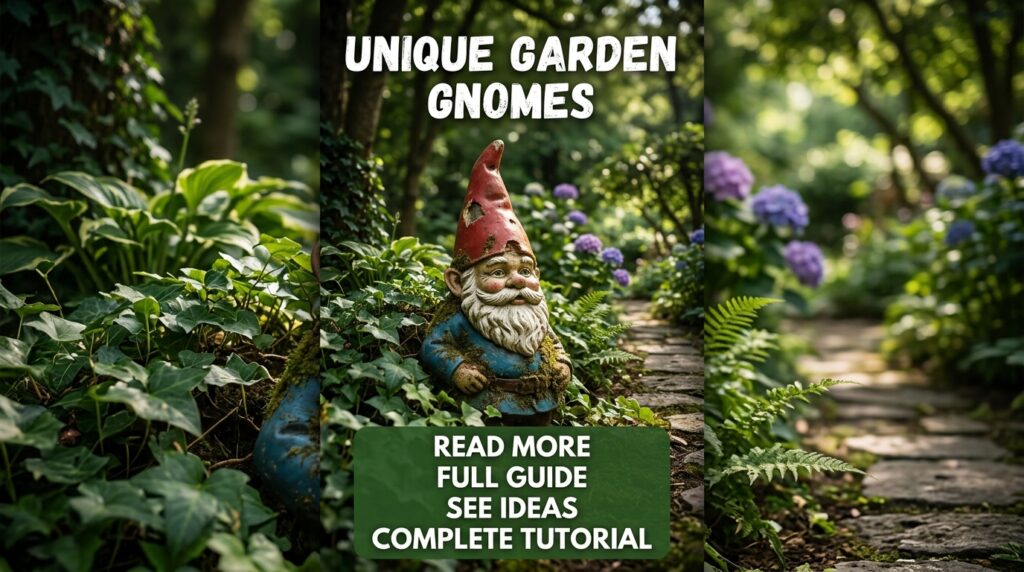
Traditional gnomes remain the most iconic style.
Characteristics include:
- Red pointed hats
- White beards
- Rustic clothing
- Gardening tools
These classic designs work particularly well in cottage gardens and traditional landscapes.
Their timeless appearance complements a wide range of garden styles.
Modern Garden Gnome Designs
Contemporary gnomes offer creative alternatives to traditional figures.
Popular modern styles include:
- Minimalist gnomes
- Artistic sculptures
- Colorful contemporary designs
- Abstract interpretations
Modern garden gnomes work well in contemporary landscapes and urban gardens.
They provide a fresh twist on a classic decoration.
Funny Garden Gnomes
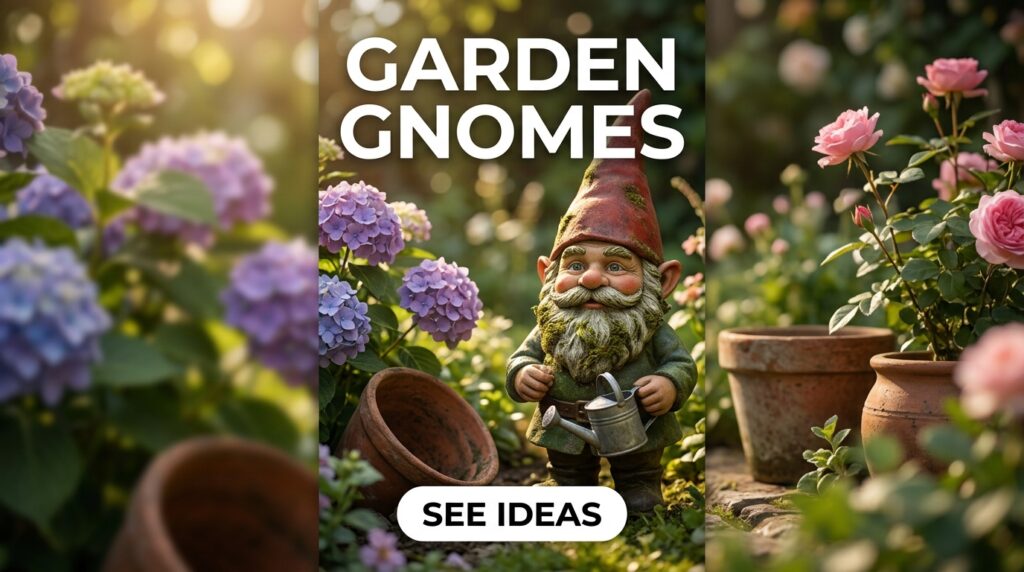
Humorous gnomes have become increasingly popular.
Examples include:
- Gnomes relaxing in hammocks
- Fishing gnomes
- Sleeping gnomes
- Reading gnomes
- Adventure-themed gnomes
These playful figures add personality and entertainment to outdoor spaces.
Funny gnomes often become favorite garden features.
Fairy Garden Gnomes
Miniature gnomes are perfect for fairy gardens.
These tiny figurines can be combined with:
- Fairy houses
- Mini bridges
- Tiny pathways
- Decorative mushrooms
Fairy garden gnomes create magical scenes that encourage imagination.
They are especially popular with children and fantasy garden enthusiasts.
Solar Garden Gnomes
Solar-powered gnomes combine decoration with functionality.
Features may include:
- Illuminated lanterns
- Glowing accents
- Solar-powered lights
These gnomes provide visual appeal during the day and gentle lighting at night.
Solar designs add charm while enhancing garden ambiance.
Best Materials for Garden Gnomes
Garden gnomes are available in several materials.
Resin
Lightweight, affordable, and weather-resistant.
Concrete
Durable and stable in outdoor conditions.
Ceramic
Decorative but more fragile.
Stone
Natural appearance and exceptional longevity.
The best material depends on your climate, budget, and design preferences.
Where to Place Garden Gnomes
Placement greatly influences the impact of garden decorations.
Popular locations include:
- Flower beds
- Garden pathways
- Pond edges
- Rock gardens
- Under trees
- Vegetable gardens
Strategic placement helps gnomes feel like natural parts of the landscape.
Avoid placing all decorations in one area.
Garden Gnomes in Cottage Gardens
Cottage gardens are ideal settings for traditional gnomes.
Surround them with:
- Roses
- Lavender
- Foxgloves
- Hollyhocks
The abundance of flowers creates a charming and storybook-like atmosphere.
Traditional gnomes blend beautifully with informal planting schemes.
Creating a Gnome-Themed Garden
Some gardeners dedicate entire sections to gnome displays.
Ideas include:
- Gnome villages
- Miniature landscapes
- Decorative pathways
- Themed scenes
A gnome garden becomes a whimsical attraction and conversation piece.
Creativity is the only limit.
Garden Gnomes and Wildlife Gardens
Gnomes can coexist beautifully with wildlife-friendly gardens.
Place them near:
- Birdbaths
- Pollinator gardens
- Butterfly habitats
- Wildlife ponds
Their presence adds visual interest without affecting beneficial wildlife.
Natural surroundings enhance their charm.
Seasonal Garden Gnome Decorations
Many homeowners update their gnome displays throughout the year.
Spring
Flower-themed gnomes and colorful displays.
Summer
Beach and vacation-inspired gnomes.
Autumn
Harvest-themed decorations.
Winter
Holiday and festive gnomes.
Seasonal updates keep gardens fresh and interesting.
DIY Garden Gnome Projects
Creative gardeners often enjoy making their own gnomes.
Popular DIY methods include:
- Painted rocks
- Clay sculptures
- Wooden crafts
- Recycled materials
Handmade gnomes add a personal touch and can become unique garden features.
DIY projects are also enjoyable family activities.
Garden Gnomes for Small Gardens
Small gardens benefit from carefully selected decorations.
Choose:
- Compact gnome statues
- Miniature scenes
- Fairy garden accessories
Avoid overcrowding limited spaces.
A single well-placed gnome can create a strong visual impact.
Combining Gnomes with Other Garden Decor
Garden gnomes pair well with:
- Birdhouses
- Wind chimes
- Fairy houses
- Decorative mushrooms
- Lanterns
Mixing complementary elements creates a cohesive and imaginative design.
Balance is important to prevent visual clutter.
Maintaining Garden Gnomes
Proper maintenance helps preserve appearance and durability.
Care tips include:
- Cleaning regularly
- Removing dirt and algae
- Touching up paint when needed
- Protecting fragile pieces during severe weather
Routine maintenance ensures gnomes remain attractive for years.
Weather-resistant materials require less upkeep.
Common Decorating Mistakes
Avoid overcrowding the garden with too many gnomes.
Choose styles that complement your landscape.
Maintain consistency in themes and colors.
Position decorations thoughtfully rather than randomly.
A few well-placed gnomes often create a stronger effect than excessive ornamentation.
Benefits of Decorating with Garden Gnomes
Garden gnomes offer several advantages.
They add personality and charm.
They create focal points within the landscape.
They encourage creativity and self-expression.
They appeal to visitors of all ages.
Most importantly, they make gardens feel welcoming and unique.
Their playful nature helps create memorable outdoor spaces.
Final Thoughts
Garden gnomes have remained popular for generations because they bring joy, personality, and whimsy to outdoor spaces. Whether you prefer traditional red-hatted figures, modern artistic designs, humorous characters, or miniature fairy garden gnomes, these decorative statues can enhance virtually any garden style.
By carefully selecting and positioning garden gnomes throughout your landscape, you can create focal points, tell visual stories, and add a touch of magic to your outdoor environment. From cottage gardens and wildlife habitats to modern patios and fairy gardens, gnomes offer endless opportunities for creative expression.
A thoughtfully placed garden gnome is more than a decoration—it is a charming companion that helps transform an ordinary garden into a space filled with character, imagination, and timeless appeal.