
 By John
A garden design layout is the way different elements of a garden—such as plants, paths, seating areas, lawns, and decorative features—are arranged in a structured plan. A good layout is the foundation of every beautiful garden, whether it is small, large, modern, or traditional.
With the right layout ideas, even a simple outdoor space can be transformed into a functional, stylish, and relaxing garden.
Understanding Garden Layout Design
Garden layout is all about organizing space efficiently while keeping it visually appealing. A well-planned layout considers:
- Shape and size of the garden
- Sunlight and shade areas
- Movement paths
- Plant placement
- Functional zones
- Visual balance and focal points
A strong layout ensures the garden feels spacious, organized, and easy to maintain.
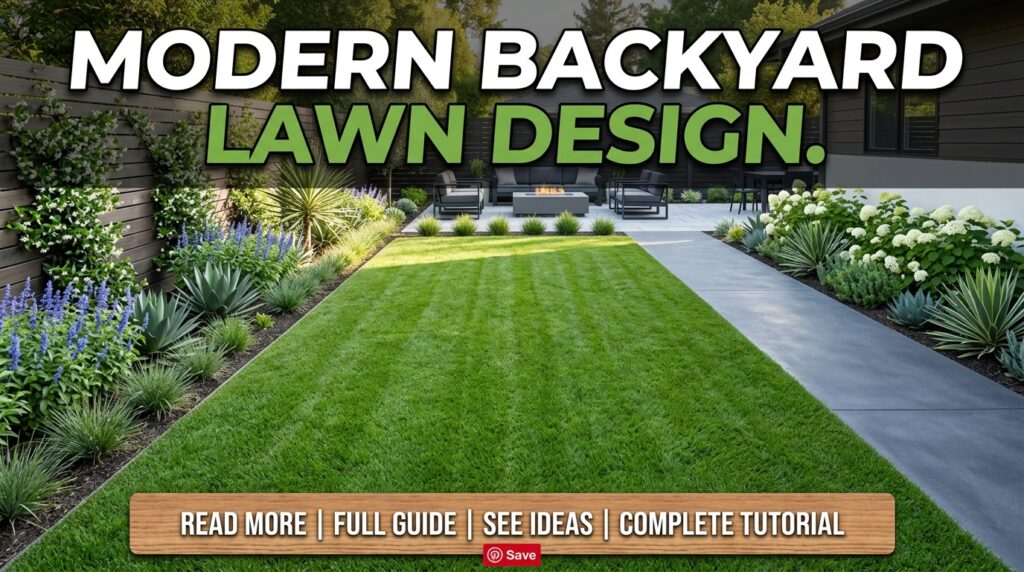
1. Straight Line Garden Layout
This is one of the simplest and most common designs.
Features:
- Straight pathways
- Symmetrical planting beds
- Clear structure
Best for:
- Modern homes
- Small rectangular gardens
- Easy maintenance gardens
This layout creates a clean and organized appearance.
2. Curved Garden Layout
A curved layout makes the garden feel soft and natural.
Features:
- Flowing pathways
- Rounded flower beds
- Natural movement
Best for:
- Cottage gardens
- Relaxed outdoor spaces
- Medium to large gardens
Curves help make small spaces feel larger.
3. Zoning Garden Layout
This layout divides the garden into functional areas.
Common zones:
- Seating area
- Flower garden
- Vegetable patch
- Water feature area
- Lawn space
Best for:
- Family gardens
- Large backyards
- Multi-purpose outdoor spaces
Zoning improves usability and organization.
4. Central Feature Layout
A strong focal point is placed in the center of the garden.
Features:
- Fountain or sculpture in the middle
- Circular or radial pathways
- Balanced planting around center
Best for:
- Formal gardens
- Large open spaces
- Luxury designs
5. Linear Garden Layout
This layout works well for long or narrow gardens.
Features:
- Straight path from front to back
- Plants arranged along edges
- Clear directional flow
Best for:
- Small urban gardens
- Narrow backyards
- Terrace gardens
6. Square Grid Layout
A structured design based on equal sections.
Features:
- Equal square or rectangular beds
- Easy crop rotation
- Organized planting
Best for:
- Vegetable gardens
- Raised bed gardening
- Efficient planting systems
7. Cottage Garden Layout
A romantic and natural layout style.
Features:
- Dense planting
- Mixed flowers and textures
- Soft curved paths
- Informal structure
Best for:
- Flower lovers
- Traditional homes
- Aesthetic garden spaces
8. Minimalist Garden Layout
A modern and simple approach.
Features:
- Clean lines
- Limited plant varieties
- Neutral colors
- Open space design
Best for:
- Contemporary homes
- Low maintenance gardens
- Small spaces
Garden Path Layout Ideas
Paths guide movement and define structure in a garden.
Popular options:
- Gravel paths for rustic feel
- Stone slab paths for elegance
- Brick paths for traditional style
- Wooden decking paths for modern look
Good pathways improve both function and beauty.
Plant Placement in Garden Layout
Proper plant placement is essential for balance.
Layering method:
- Tall plants at back
- Medium plants in middle
- Low plants at front
Repetition:
Repeating plant types creates harmony and structure.
Mixing textures:
Combine leafy, flowering, and structured plants.
Best Plants for Garden Layouts
Structural plants:
- Boxwood
- Yew
- Bamboo
- Ornamental grasses
Flowering plants:
- Roses
- Lavender
- Hydrangeas
- Tulips
Ground cover:
- Thyme
- Ivy
- Sedum
Garden Seating Layout Ideas
Corner seating:
Perfect for small gardens.
Central seating:
Works in larger open layouts.
Hidden seating:
Surrounded by plants for privacy.
Patio seating:
Near the house for convenience.
Water Feature Layout Ideas
Water elements add calmness and focus.
Options include:
- Central fountain
- Side pond
- Wall waterfall
- Small reflecting pool
Water features often act as focal points in the layout.
Lighting in Garden Layout Design
Lighting improves both safety and atmosphere.
Types of lighting:
- Pathway lights
- String lights
- Spotlights on plants
- Wall lanterns
Proper lighting enhances nighttime beauty.
Common Garden Layout Mistakes
- No clear structure or zones
- Overcrowding plants
- Ignoring sunlight direction
- Poor pathway planning
- Too many mixed styles
Tips for Perfect Garden Design Layout
- Start with a simple sketch before planting
- Keep focal points in mind
- Use repetition for harmony
- Balance hardscape and soft plants
- Choose low-maintenance plants where possible
Conclusion
A well-planned garden design layout is the foundation of a beautiful and functional outdoor space. Whether you choose a modern minimalist style, a curved natural garden, or a structured vegetable layout, the key is balance, flow, and clarity.
With the right design ideas, any garden—large or small—can be transformed into a stylish, relaxing, and highly usable space that reflects your personal taste and lifestyle.