
 By John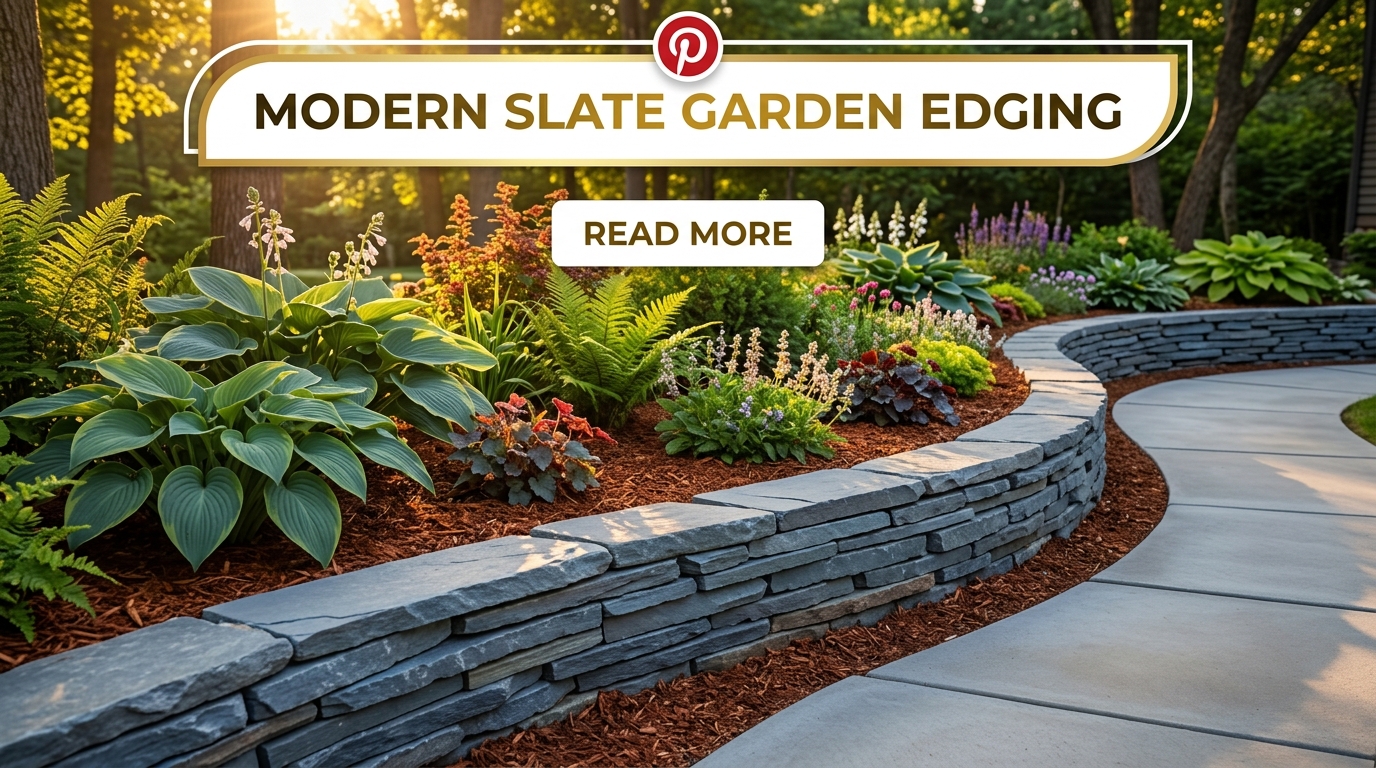
Garden Bed Edging Ideas, Landscape Borders, Flower Bed Edging, Lawn Separation, and Outdoor Design Inspiration
Garden bed edging is one of the simplest yet most effective ways to improve the appearance and functionality of your landscape. A well-designed edge creates a clean transition between lawns, flower beds, pathways, and garden spaces while helping to define the overall structure of the garden. Whether you’re designing a modern landscape, cottage garden, vegetable patch, or formal front yard, the right edging can instantly make your outdoor space look more polished and professionally maintained.
Beyond aesthetics, garden edging also serves practical purposes. It helps prevent grass from invading planting areas, keeps mulch contained, reduces maintenance, and creates clear boundaries throughout the landscape. With a wide range of materials available, from natural stone and brick to metal and wood, there is a garden edging solution for every style and budget.
This comprehensive guide explores the best garden bed edging ideas, materials, installation tips, and maintenance practices to help you create attractive and long-lasting landscape borders.
What Is Garden Bed Edging?
Garden bed edging is a border installed around planting beds to separate them from surrounding areas such as lawns, patios, pathways, or driveways.
Edging can be made from various materials, including:
- Stone
- Brick
- Metal
- Wood
- Concrete
- Plastic
- Gravel
The primary purpose is to create a defined and organized landscape.
Benefits of Garden Bed Edging
Creates Clean Lines
Edging gives garden beds a neat and professional appearance.
Prevents Grass Encroachment
Helps stop lawn grass from spreading into planting areas.
Keeps Mulch in Place
Reduces mulch washout and movement.
Improves Landscape Structure
Clearly defines different garden zones.
Reduces Maintenance
Makes mowing and trimming easier.
Enhances Property Appeal
Well-defined beds contribute to overall curb appeal.
Choosing the Right Edging Material
The best material depends on your garden style, budget, and maintenance preferences.
Consider:
- Durability
- Appearance
- Installation difficulty
- Cost
- Climate conditions
Matching the edging material to your home’s architecture often creates the most cohesive design.
Natural Stone Garden Edging
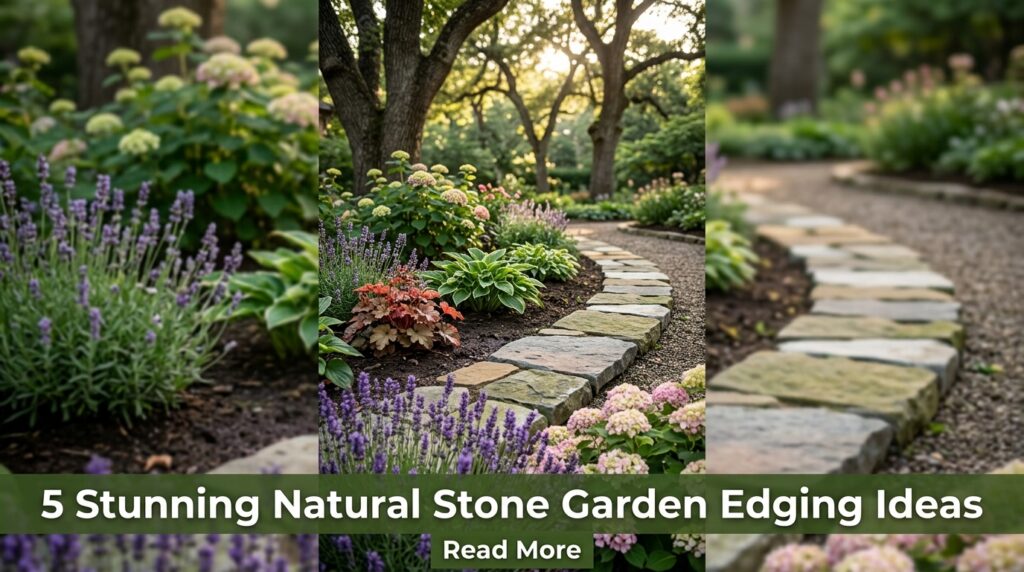
Natural stone is one of the most popular and attractive edging materials.
Benefits include:
- Timeless appearance
- Exceptional durability
- Natural texture
- Versatile design options
Popular stones include:
- Limestone
- Granite
- Slate
- Fieldstone
Stone edging complements both formal and informal landscapes.
Brick Garden Bed Edging
Brick creates a classic and elegant border.
Advantages include:
- Traditional appearance
- Long lifespan
- Easy maintenance
- Flexible installation patterns
Popular layouts include:
- Soldier course
- Herringbone
- Angled brick edging
Brick works especially well in cottage and traditional gardens.
Metal Garden Edging
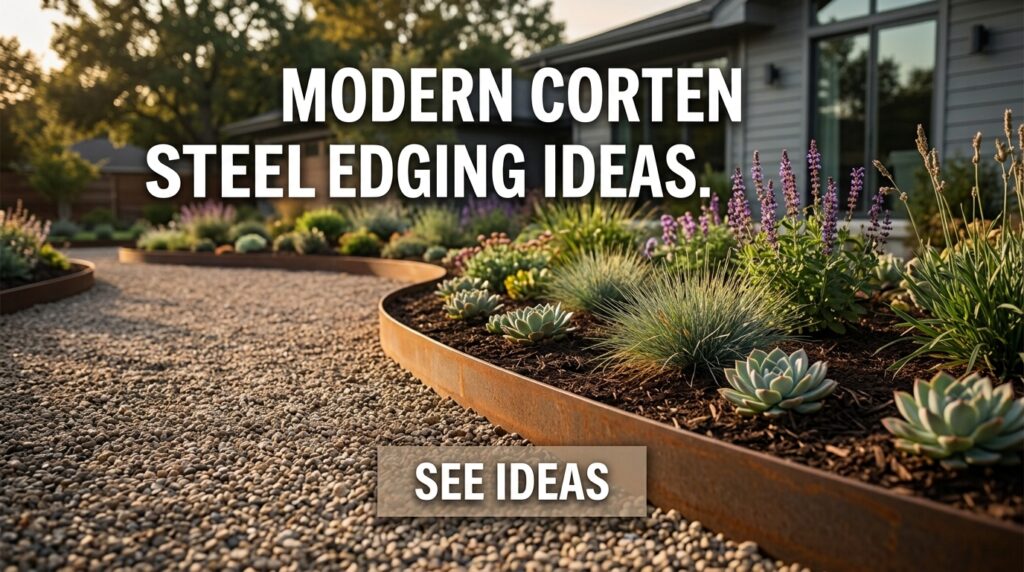
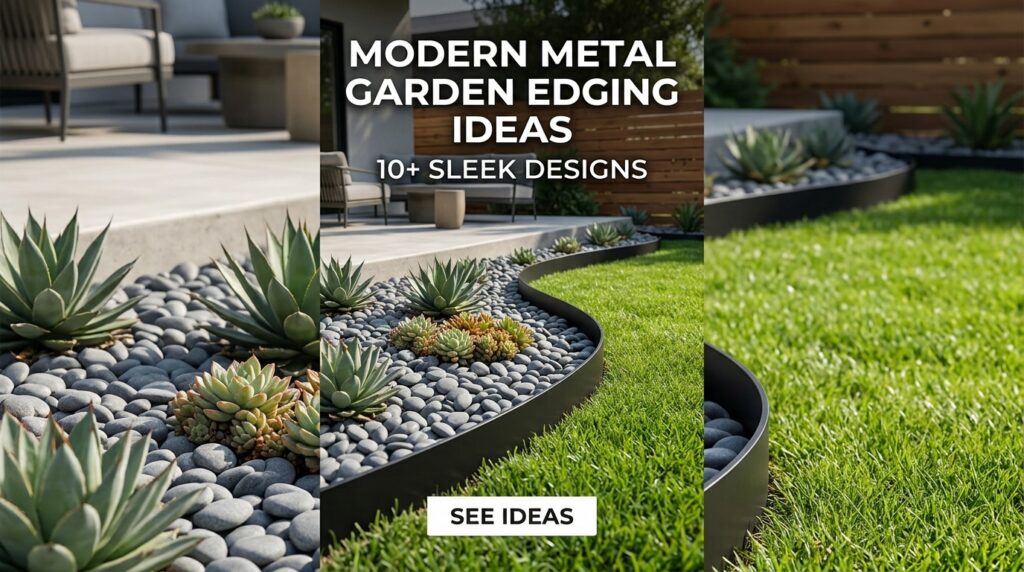
Metal edging is a favorite in modern landscape design.
Common materials include:
- Steel
- Corten steel
- Aluminum
Benefits include:
- Clean lines
- Contemporary appearance
- Long durability
- Minimal visual intrusion
Metal edging creates crisp and professional-looking borders.
Wooden Garden Edging
Wood provides a warm and natural look.
Popular choices include:
- Cedar
- Redwood
- Pressure-treated timber
Benefits include:
- Affordable cost
- Easy installation
- Rustic charm
Wood is ideal for vegetable gardens and cottage landscapes.
Concrete Edging
Concrete offers durability and versatility.
Options include:
- Poured concrete
- Concrete blocks
- Decorative concrete edging
Advantages:
- Long-lasting
- Low maintenance
- Modern appearance
Concrete works well in structured landscapes.
Gravel Garden Borders
Gravel edging creates a relaxed and natural feel.
Benefits include:
- Good drainage
- Low cost
- Easy installation
Use decorative gravel around pathways and planting beds.
Plastic Landscape Edging
Plastic edging is a practical budget-friendly option.
Advantages include:
- Flexible shapes
- Lightweight
- Easy installation
- Affordable pricing
Modern versions can be surprisingly durable.
Decorative Rock Borders
Large decorative rocks create striking landscape edges.
Suitable for:
- Xeriscape gardens
- Natural landscapes
- Rustic gardens
Rock borders blend beautifully into outdoor environments.
Raised Bed Edging
Raised beds naturally provide edging while improving functionality.
Popular materials include:
- Timber
- Stone
- Brick
- Metal
Raised beds improve drainage and soil quality while creating strong visual structure.
Modern Garden Edging Ideas
Modern landscapes often feature:
- Straight lines
- Minimalist materials
- Metal edging
- Concrete borders
Simplicity is key to achieving a contemporary look.
Cottage Garden Edging
Cottage gardens benefit from softer edging styles.
Popular options include:
- Brick borders
- Natural stone
- Low hedges
- Decorative fencing
These materials complement informal planting schemes.
Vegetable Garden Edging
Practical edging solutions include:
- Wood boards
- Metal panels
- Raised beds
Defined borders help organize planting areas and pathways.
Curved Garden Bed Edging
Curved borders create a natural and flowing appearance.
Benefits include:
- Soft visual lines
- Organic garden design
- Enhanced movement through the landscape
Flexible materials work best for curved installations.
Formal Garden Edging
Formal gardens emphasize symmetry and precision.
Suitable materials include:
- Brick
- Stone
- Metal
- Trimmed hedges
Strong geometric lines create a structured appearance.
Garden Pathway Edging
Pathway borders improve safety and aesthetics.
Popular materials include:
- Brick
- Stone
- Metal strips
- Gravel channels
Defined paths enhance the overall garden layout.
Installing Garden Bed Edging
Step 1: Mark the Border
Use a garden hose or string to outline the desired shape.
Step 2: Dig a Trench
Create a trench deep enough to secure the edging material.
Step 3: Level the Base
Ensure the border sits evenly.
Step 4: Install the Material
Position stones, bricks, metal, or wood securely.
Step 5: Backfill and Finish
Add soil, mulch, or gravel around the edging.
Careful installation ensures long-lasting results.
Mulch and Edging Combinations
Mulch enhances the appearance of edged beds.
Popular mulch types include:
- Bark mulch
- Wood chips
- Decorative gravel
- Pine straw
The contrast between edging and mulch creates visual definition.
Seasonal Maintenance
Maintain your edging throughout the year by:
Inspecting Borders
Check for shifting or damage.
Cleaning Materials
Remove dirt and debris.
Replacing Loose Sections
Repair problems promptly.
Refreshing Mulch
Keep beds looking neat and tidy.
Routine maintenance preserves both appearance and functionality.
Common Garden Edging Mistakes
Avoid these common issues:
Choosing the Wrong Material
Select edging that matches your garden style.
Poor Installation
Improper installation can cause shifting and uneven borders.
Ignoring Drainage
Ensure water can move away from planting areas.
Overcomplicated Designs
Simple borders often look more professional.
Lack of Maintenance
Even durable materials benefit from periodic upkeep.
Best Garden Bed Edging Ideas by Style
Modern Gardens
- Steel edging
- Concrete borders
- Minimalist lines
Cottage Gardens
- Brick edging
- Natural stone
- Decorative fencing
Mediterranean Gardens
- Stone borders
- Gravel edging
- Terracotta accents
Rustic Gardens
- Timber edging
- Fieldstone borders
- Log edging
Matching edging to your landscape style creates a cohesive appearance.
Frequently Asked Questions
What is the best material for garden bed edging?
Natural stone, brick, metal, and wood are among the most popular and durable choices.
Does edging help keep weeds out?
Edging can reduce weed spread and help maintain clear garden boundaries.
Is metal edging better than plastic?
Metal is generally more durable and visually appealing, though plastic is more affordable.
How deep should garden edging be installed?
Most edging should be installed several inches below ground level for stability.
Can I install garden edging myself?
Yes. Many edging materials are suitable for DIY installation with basic tools.
Conclusion
Garden bed edging is a simple improvement that can dramatically enhance the appearance and organization of any landscape. Whether you choose natural stone, brick, metal, wood, or decorative gravel, the right edging helps define spaces, reduce maintenance, and create a polished garden design.
From modern minimalist landscapes to charming cottage gardens, edging provides both beauty and functionality. With thoughtful material selection, proper installation, and regular maintenance, your garden bed edging can remain attractive and effective for many years, helping your outdoor space look organized, professional, and inviting throughout every season.