
 By John
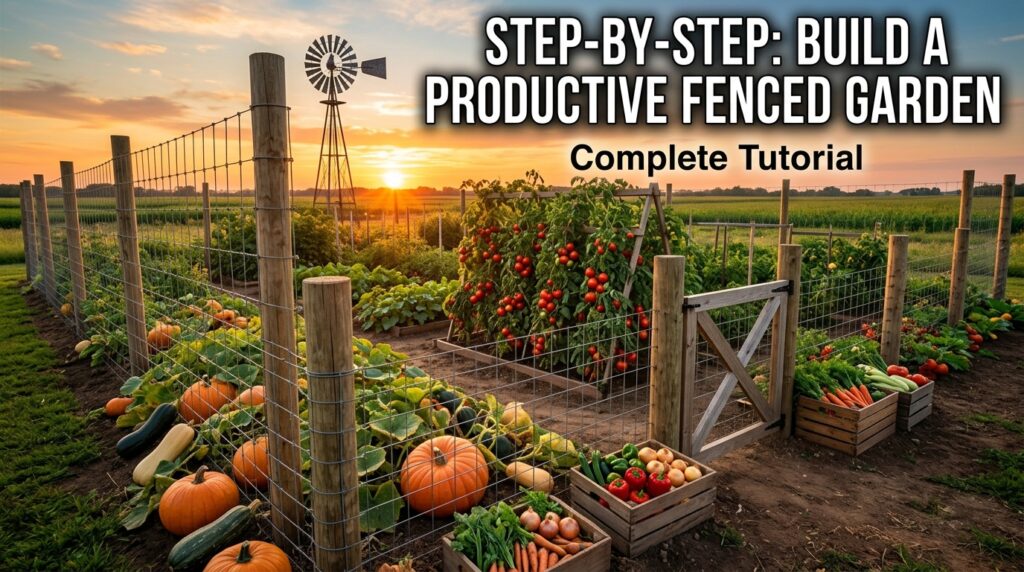
A fenced vegetable garden is one of the smartest investments a gardener can make. While growing your own vegetables is rewarding, it can also attract unwanted visitors such as rabbits, deer, chickens, squirrels, and neighborhood pets. Installing a fence not only protects your crops but also adds structure, organization, and visual appeal to your garden space.
Whether you have a small raised bed garden or a large backyard vegetable plot, a well-designed fence can help ensure healthier plants, larger harvests, and less frustration throughout the growing season. From rustic wooden enclosures to modern metal fencing, there are countless ways to create a beautiful and functional fenced vegetable garden.
This complete guide explores the best fencing options, layout ideas, plant recommendations, and maintenance tips to help you build the perfect protected vegetable garden.
Why Build a Fenced Vegetable Garden?
A fence provides several important benefits:
- Keeps out rabbits and deer
- Protects crops from pets
- Defines the garden area
- Adds visual appeal
- Supports climbing vegetables
- Improves garden organization
Many gardeners find that fencing significantly increases the success of their vegetable harvests.
Best Types of Garden Fencing
Wooden Fences
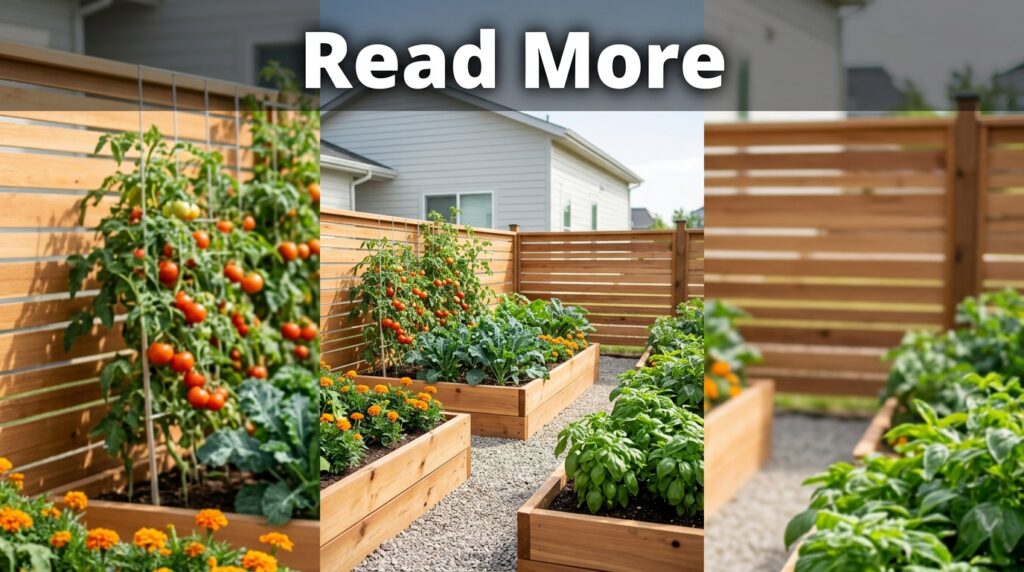
Wood fences offer a classic and attractive appearance.
Benefits include:
- Natural look
- Durable construction
- Easy customization
Popular styles include picket fences and horizontal slat designs.
Wire Mesh Fencing
Ideal for keeping out small animals.
Advantages:
- Affordable
- Effective
- Easy to install
Chicken wire and hardware cloth are popular choices.
Metal Fencing
Modern and long-lasting.
Perfect for:
- Contemporary gardens
- Decorative borders
- Low-maintenance landscapes
Bamboo Fencing
Provides a tropical and eco-friendly aesthetic.
Vinyl Fencing
Resistant to weather and requires minimal upkeep.
How Tall Should a Garden Fence Be?
Fence height depends on the animals you’re trying to deter.
- Rabbits: 60–90 cm
- Dogs: 90–120 cm
- Deer: 180–240 cm
- Chickens: 90 cm
For maximum protection, many gardeners choose fences around 120–180 cm tall.
Fenced Vegetable Garden Layout Ideas
Raised Bed Garden
Install fencing around multiple raised beds with a central pathway.
Cottage Vegetable Garden
Combine:
- Wooden fencing
- Climbing beans
- Flower borders
Modern Garden
Features:
- Black metal fencing
- Geometric beds
- Gravel pathways
Farmhouse Garden
Include:
- Split rail fencing
- Rustic gates
- Wooden trellises
Add a Garden Gate
A gate improves accessibility and enhances the overall design.
Popular gate styles include:
- Arched wooden gates
- Metal garden gates
- Rustic farmhouse gates
Adding a decorative gate creates a welcoming entrance to your garden.
Vegetables That Benefit Most from Fencing
Lettuce
Frequently targeted by rabbits.
Tomatoes
Require protection and support.
Peppers
Benefit from a secure growing environment.
Cabbage
Often damaged by wildlife.
Beans
Can be trained to climb fence panels.
Cucumbers
Grow exceptionally well on fencing and trellises.
Using Fences as Trellises
Many vegetables can grow directly on fences.
Excellent choices include:
- Pole beans
- Peas
- Cucumbers
- Small melons
- Climbing squash
Vertical gardening helps maximize space and improve airflow.
Companion Plants for Fenced Gardens
Enhance your vegetable garden with:
- Marigolds
- Lavender
- Nasturtiums
- Calendula
- Sunflowers
These plants attract pollinators and add beauty to the space.
Small Fenced Vegetable Garden Ideas
Limited space? Try:
- Container gardens within a fenced area
- Compact raised beds
- Vertical planters
- Corner vegetable gardens
Even a small fenced garden can produce an impressive harvest.
Budget-Friendly Fence Ideas
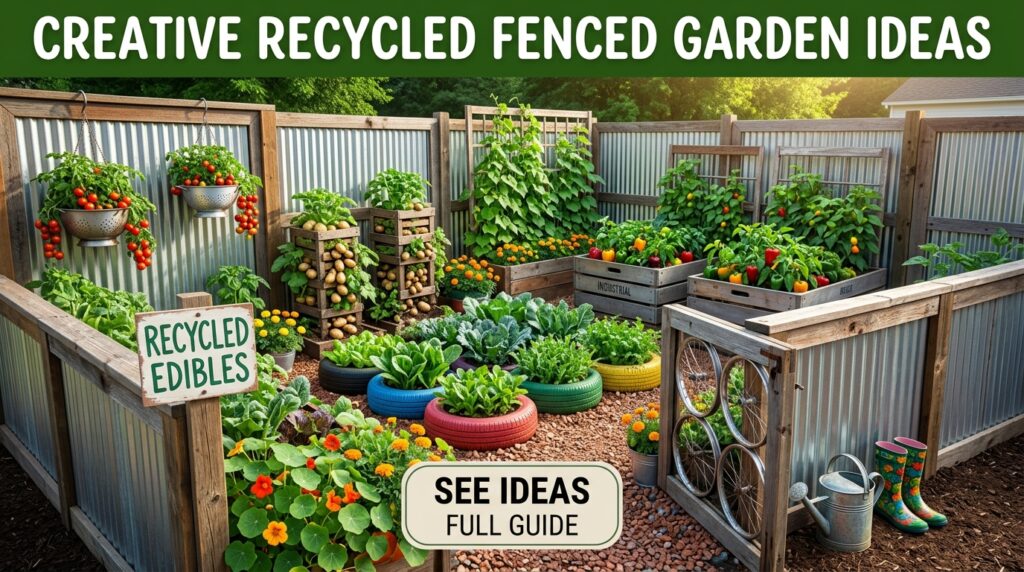
Save money by using:
- Pallets
- Chicken wire
- Repurposed wood
- Bamboo panels
- DIY fence kits
Many fencing projects can be completed over a weekend.
Garden Path Ideas
Complete your fenced garden with pathways made from:
- Gravel
- Mulch
- Brick
- Stepping stones
Pathways improve accessibility and help keep the garden tidy.
Maintenance Tips
Inspect the Fence
Check for loose panels and damage regularly.
Clean Annually
Remove dirt and debris.
Protect Wooden Fences
Apply stain or sealant every few years.
Repair Holes Promptly
Small openings can quickly become entry points for pests.
Trim Nearby Vegetation
Prevent plants from damaging the fence structure.
Routine maintenance extends the lifespan of your garden fence.
Common Mistakes to Avoid
Building the Fence Too Low
Consider the wildlife common to your area before choosing a height.
Forgetting a Gate
Easy access is essential for harvesting and maintenance.
Using Weak Materials
Invest in durable fencing for long-term performance.
Ignoring Drainage
Ensure water can move freely around the fenced area.
Overcrowding Plants
Leave sufficient space between crops to promote airflow.
Frequently Asked Questions
Do I need a fence around my vegetable garden?
While not essential, a fence provides valuable protection against wildlife and pets.
What is the best fence for a vegetable garden?
Wire mesh and wooden fences are among the most popular options due to their effectiveness and affordability.
Can vegetables grow on fences?
Yes. Beans, peas, cucumbers, and other climbing plants thrive on fences and trellises.
How tall should a vegetable garden fence be?
This depends on the pests in your area, but 120–180 cm is suitable for many gardens.
Are fenced vegetable gardens expensive?
Not necessarily. Budget-friendly materials such as pallets and chicken wire can keep costs low.
Conclusion
A fenced vegetable garden is a practical and attractive way to protect your crops while adding structure and charm to your outdoor space. Whether you choose a rustic wooden enclosure, a modern metal fence, or a simple wire barrier, fencing helps create a secure environment where vegetables can thrive.
By combining durable fencing, thoughtful garden layouts, and companion planting, you can enjoy healthier plants, larger harvests, and a more enjoyable gardening experience. With proper planning and maintenance, your fenced vegetable garden can provide fresh produce and lasting beauty for many years to come.