
 By John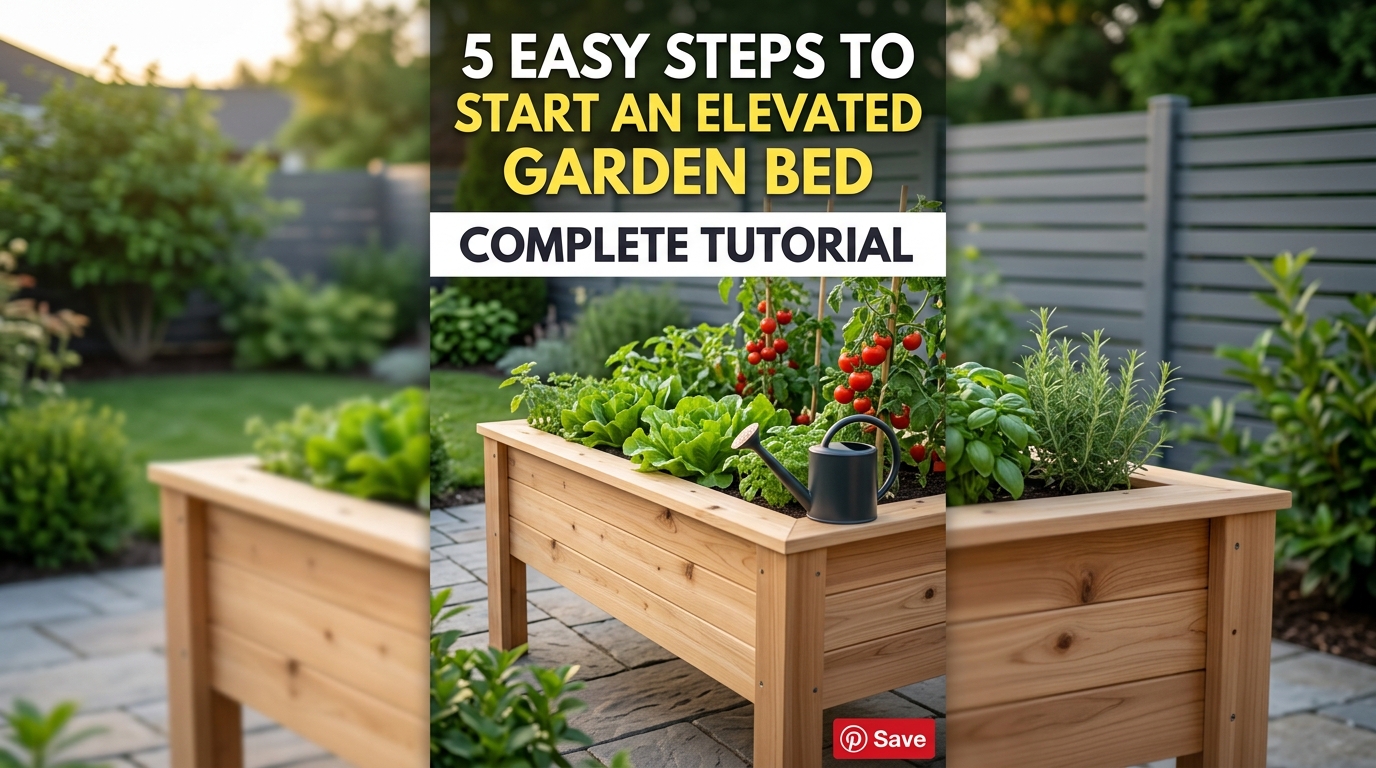
An elevated garden bed (also called a raised garden bed) is a gardening structure where soil is raised above ground level and contained within a frame. It is one of the most popular gardening methods for growing vegetables, herbs, and flowers because it improves soil control, drainage, and accessibility.
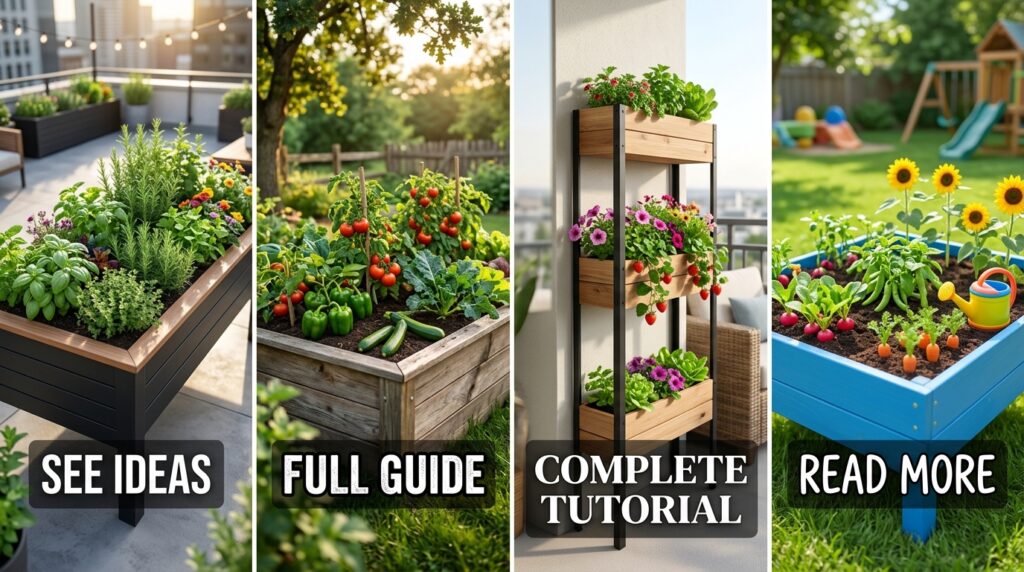
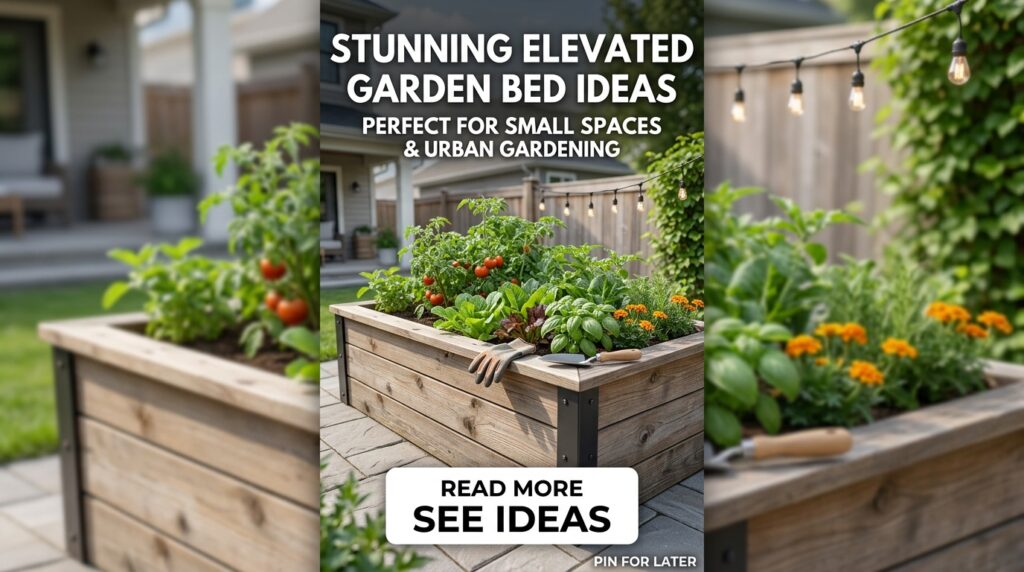
Elevated garden beds are ideal for small spaces, patios, backyards, and even rooftop gardens.
What Is an Elevated Garden Bed?
An elevated garden bed is a box-like structure filled with soil that sits above the natural ground level. It can be built using wood, metal, stone, or recycled materials.
Basic Structure:
- Frame (wood, steel, or brick)
- Soil layers
- Drainage base
- Optional legs or stand (for fully raised beds)
Benefits of Elevated Garden Beds
Better Soil Control
You can choose high-quality soil instead of relying on poor native soil.
Improved Drainage
Water flows more efficiently, reducing root rot.
Easier Gardening
Less bending and kneeling, making it ideal for elderly gardeners.
Fewer Weeds
Raised structure limits weed growth.
Pest Protection
Easier to control pests like snails and rodents.
Higher Productivity
Plants often grow faster and healthier.
Types of Elevated Garden Beds
1. Wooden Raised Beds
Most common and affordable option.
Features:
- Natural look
- Easy to build
- Budget-friendly
2. Metal Raised Beds
Modern and long-lasting.
Features:
- Durable
- Weather resistant
- Sleek design
3. Brick or Stone Beds
Permanent and decorative.
Features:
- Strong structure
- Premium appearance
- Excellent heat retention
4. Plastic or Composite Beds
Lightweight and low maintenance.
Features:
- Easy installation
- Resistant to rot
- Portable options
Elevated Garden Bed Design Ideas
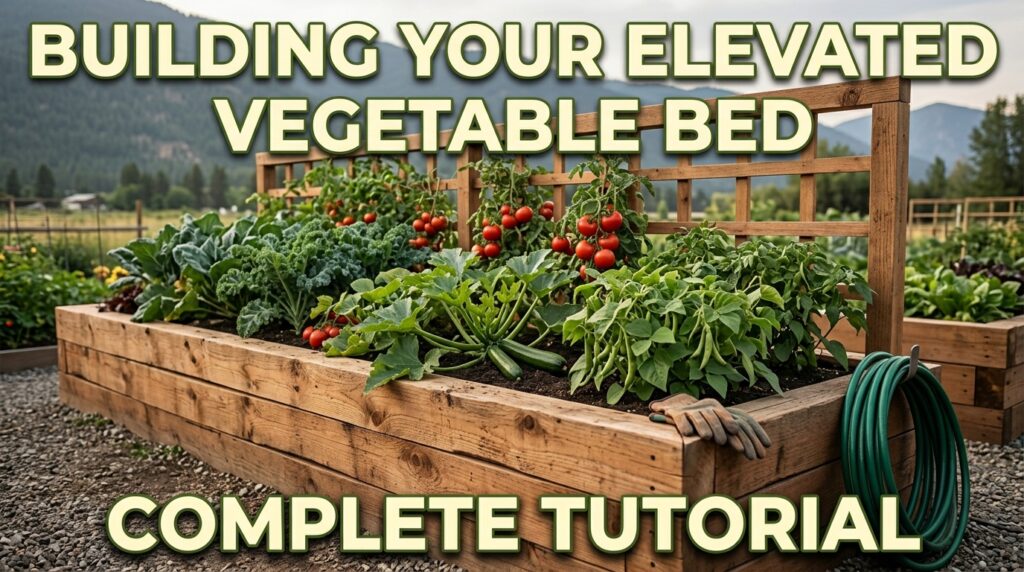
1. Rectangular Layout Beds
Simple rows of raised beds.
Best for:
- Vegetable gardens
- Herb gardens
2. Tiered Garden Beds
Multiple levels of planting beds.
Best for:
- Sloped gardens
- Decorative planting
3. Square Foot Gardening Beds
Small divided sections for organized planting.
4. L-Shaped or U-Shaped Beds
Great for corners and efficient space use.
Best Plants for Elevated Garden Beds
Vegetables:
- Tomatoes
- Lettuce
- Spinach
- Carrots
- Peppers
Herbs:
- Basil
- Mint
- Rosemary
- Parsley
Flowers:
- Marigolds
- Petunias
- Lavender
- Zinnias
Soil Mix for Elevated Garden Beds
A good soil mix is essential for healthy growth.
Recommended Mix:
- 40% topsoil
- 40% compost
- 20% organic matter (peat moss or coco coir)
This ensures nutrients, drainage, and moisture balance.
Placement Tips for Elevated Garden Beds
Sunlight
Most vegetables need 6–8 hours of sunlight daily.
Water Access
Place near a water source for convenience.
Wind Protection
Avoid extremely exposed areas.
Level Ground
Ensure stability and proper drainage.
Elevated Garden Bed Layout Ideas
1. Parallel Rows
Best for large vegetable gardens.
2. Checkerboard Layout
Small square beds arranged for easy access.
3. Perimeter Garden Beds
Beds placed along garden edges with open center space.
4. Central Pathway Layout
Walking path between raised beds for easy maintenance.
Maintenance Tips
Water Regularly
Raised beds dry out faster than ground soil.
Add Compost
Refresh nutrients every season.
Rotate Crops
Prevent soil depletion and pests.
Check Structure
Repair wood or metal frames when needed.
Common Mistakes to Avoid
- Using poor-quality soil
- Overwatering or underwatering
- Building too deep without drainage
- Placing beds in full shade
- Ignoring crop rotation
Why Elevated Garden Beds Are Popular
Elevated garden beds are widely used because they:
- Improve plant growth
- Work in small spaces
- Reduce gardening effort
- Look clean and organized
- Increase yield and efficiency
Conclusion
An elevated garden bed is a practical and highly effective gardening solution for growing healthy plants in a controlled environment. Whether you choose wood, metal, or stone, raised beds offer better soil quality, easier maintenance, and improved productivity.
With the right layout, soil mix, and plant selection, elevated garden beds can transform any small or large space into a thriving and beautiful garden.