
 By John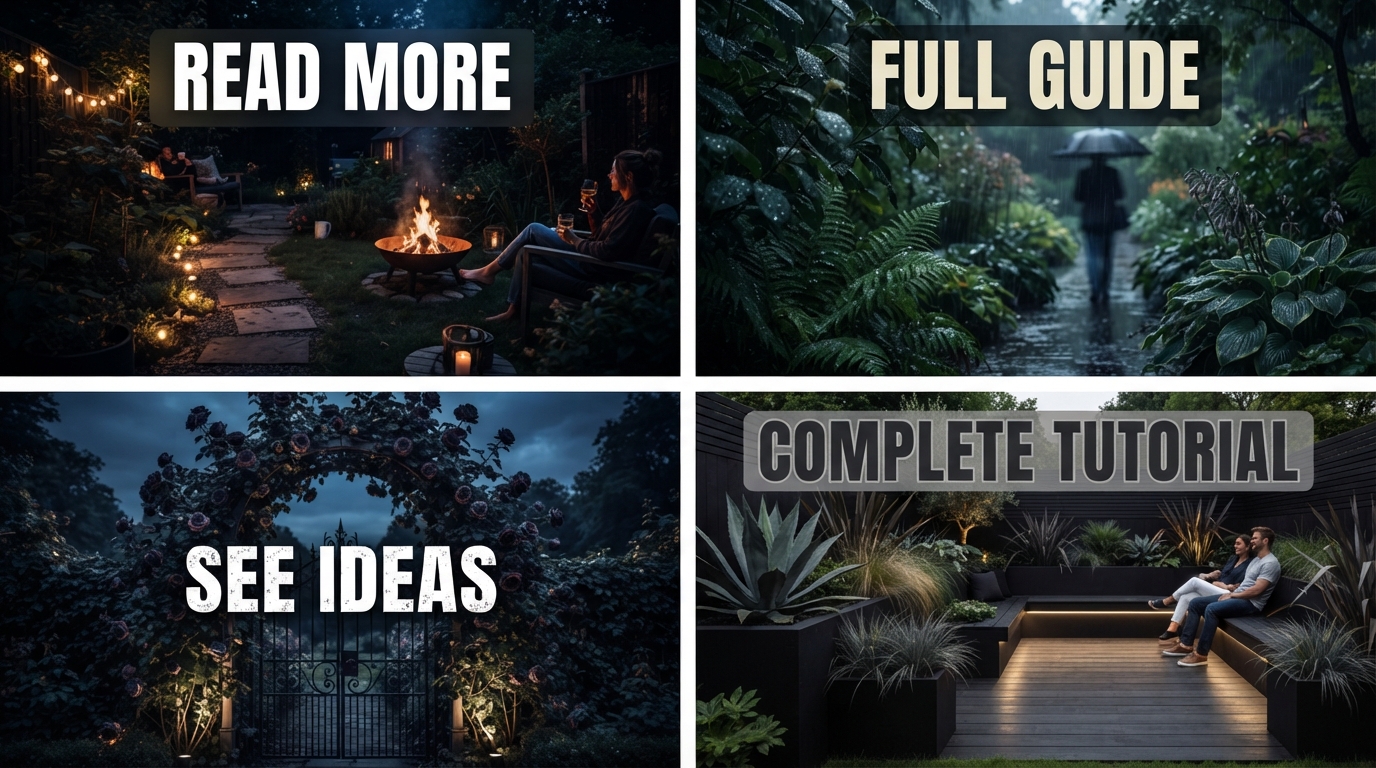
A dark garden creates a mysterious and dramatic atmosphere by combining deep foliage, moody flowers, rich textures, dark materials, and atmospheric lighting. Instead of relying on bright colors, this garden style embraces shades of burgundy, deep green, black, purple, charcoal, and muted gray.
A dark garden can be inspired by gothic landscapes, enchanted forests, witch gardens, moon gardens, or sophisticated contemporary designs. Whether you have a large backyard, a small courtyard, or a simple garden corner, carefully selected plants and décor can create a dramatic outdoor retreat.
What Is a Dark Garden?
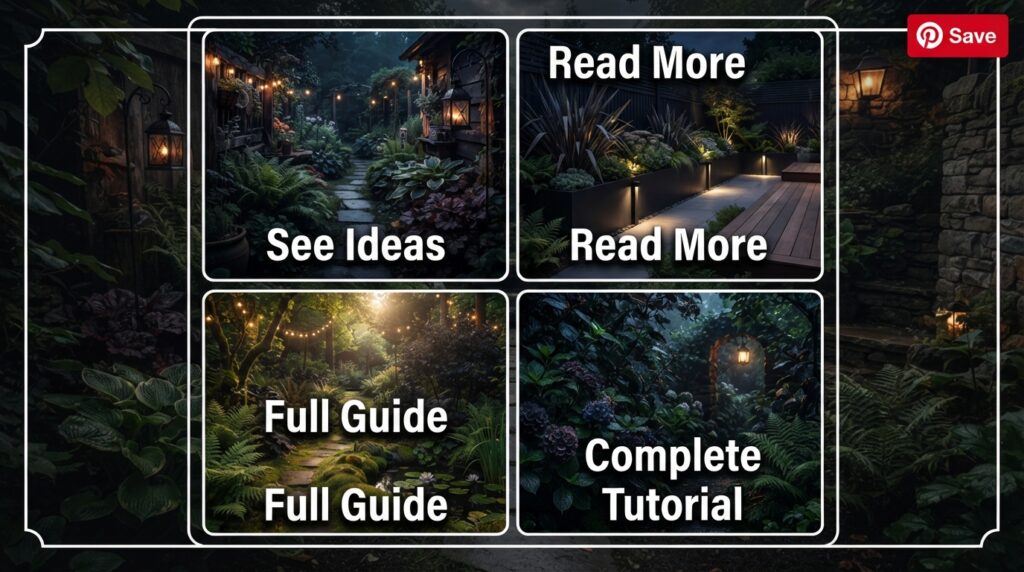
A dark garden is a landscape designed around moody colors, rich textures, shadows, and atmospheric details.
Typical elements include:
- Dark foliage
- Deep purple flowers
- Burgundy plants
- Black or charcoal containers
- Weathered stone
- Dark wood
- Gothic-inspired décor
- Lanterns
- Dramatic garden sculptures
- Soft nighttime lighting
The goal isn’t necessarily to make the garden literally dark, but to create a mysterious and sophisticated mood.
Why Create a Dark Garden?
A dark garden can:
- Create a unique landscape style
- Add drama and contrast
- Make bright flowers stand out
- Create a relaxing atmosphere
- Transform shaded corners
- Complement gothic or modern architecture
- Provide an enchanting nighttime setting
It can also work particularly well in spaces where strong contrasts and deep foliage are visually appealing.
Choose Dark Foliage Plants
Foliage is one of the easiest ways to establish a dark garden theme.
Look for plants with:
- Deep burgundy leaves
- Purple foliage
- Dark green leaves
- Nearly black tones
- Silvery foliage for contrast
Plant availability depends heavily on climate, so choose varieties suited to your growing conditions.
Add Dark Flowers
Dark-colored flowers create dramatic focal points.
Consider suitable varieties of:
- Dahlias
- Roses
- Tulips
- Petunias
- Pansies
- Heuchera
- Sweet peas
Deep purple, burgundy, wine, and near-black blooms can create a sophisticated color palette.
Create a Gothic Garden
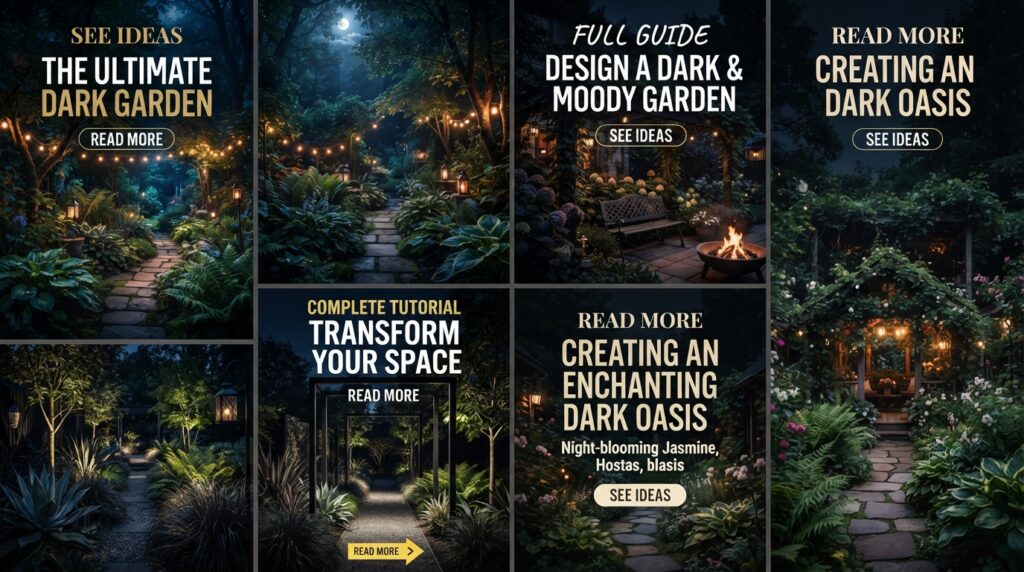
A gothic garden takes the dark theme further with architectural and decorative details.
Add:
- Arched gates
- Dark metal fencing
- Stone pathways
- Ornate containers
- Dramatic sculptures
- Vintage lanterns
- Climbing roses
- Tall shrubs
Keep the design intentional rather than filling the space with unrelated decorations.
Dark Cottage Garden
Combine moody colors with the relaxed abundance of a cottage garden.
Use:
- Dark roses
- Lavender
- Purple salvia
- Foxgloves
- Ornamental grasses
- Climbing plants
Natural stone and weathered wood can soften the darker palette.
Witch Garden Theme
A witch-inspired garden can combine useful herbs with mysterious plants and rustic décor.
Consider growing suitable herbs such as:
- Rosemary
- Thyme
- Sage
- Lavender
- Mint
- Lemon balm
Add weathered pots, hanging bundles of herbs, natural stones, and simple lanterns to create an enchanting atmosphere.
Always verify plant safety, especially if children or pets have access to the garden.
Dark Garden Color Palette
A strong color palette helps keep the garden cohesive.
Popular combinations include:
Gothic Palette
Black, burgundy, deep purple, dark green, and charcoal.
Moody Cottage Palette
Dusty pink, plum, lavender, burgundy, and green.
Modern Dark Palette
Charcoal, black, silver, deep green, and white.
Woodland Palette
Dark green, brown, gray, muted purple, and natural stone.
Use Dark Garden Containers
Planters can reinforce the theme.
Choose:
- Black ceramic pots
- Charcoal planters
- Dark terracotta
- Weathered stone containers
- Dark wooden boxes
Use lighter foliage or flowers inside some containers to create contrast.
Add Natural Stone
Stone adds texture and structure.
Use:
- Slate
- Dark gravel
- Natural boulders
- Stepping stones
- Stone walls
Mix dark stone with green plants so the garden doesn’t become visually flat.
Create a Moody Garden Path
A pathway can become an important design element.
Try:
- Dark gravel
- Slate stepping stones
- Weathered brick
- Natural stone
- Wood-chip paths
Curve the pathway where possible to create mystery and encourage exploration.
Add Dark Garden Fencing
Dark fencing can create a dramatic backdrop for foliage.
Options include:
- Black-painted timber
- Dark metal fencing
- Charcoal panels
- Weathered wood
- Natural stone walls
A dark background can make green foliage and colorful flowers appear more vibrant.
Use Dramatic Garden Sculptures
Sculptures can strengthen the atmosphere.
Consider:
- Abstract metal art
- Stone statues
- Gothic-inspired pieces
- Birds
- Botanical sculptures
- Rustic artwork
Choose one or two focal pieces rather than overcrowding the garden.
Create a Dark Garden Seating Area
A secluded seating area can make the garden feel like a private retreat.
Use:
- Dark wooden benches
- Black metal chairs
- Weather-resistant cushions
- Small tables
- Pergolas
Surround the seating with foliage and fragrant plants for an immersive atmosphere.
Add Atmospheric Lighting
Lighting is especially important in a dark garden.
Try:
- Warm lanterns
- String lights
- Pathway lights
- Small uplights
- Candle-style outdoor lights
- Subtle spotlights
Use lighting to emphasize plants, pathways, and sculptures without making the entire garden excessively bright.
Dark Moon Garden
A moon garden uses pale and reflective plants to glow visually in evening light.
Combine darker foliage with:
- White flowers
- Silver foliage
- Pale blooms
- Light-colored stones
Flowers with evening fragrance can further enhance the experience.
Dark Garden for Small Spaces
You can create a dramatic look in a small courtyard or balcony.
Try:
- Dark containers
- Vertical planting
- One statement plant
- Black or charcoal wall décor
- Compact shrubs
- Warm lighting
Avoid using too many large objects because they can make a small space feel crowded.
Dark Garden With Water
Water can add reflections and atmosphere.
Consider:
- Small ponds
- Dark stone fountains
- Reflecting bowls
- Wall fountains
Keep water features properly maintained and appropriately scaled for the garden.
Dark Garden on a Budget
A dramatic garden doesn’t have to be expensive.
Save money by:
- Propagating suitable plants
- Painting existing containers
- Reusing stones
- Creating DIY garden décor
- Buying young plants
- Using reclaimed wood
- Adding inexpensive solar lighting
Build the garden gradually instead of trying to complete everything at once.
How to Create a Dark Garden
Step 1: Select a Color Palette
Choose two or three dominant dark tones and one or two contrasting colors.
Step 2: Choose Foliage
Start with plants that provide deep green, burgundy, purple, or dark foliage.
Step 3: Add Flowers
Introduce dramatic blooms for seasonal interest.
Step 4: Add Hardscape
Use dark stone, timber, gravel, or fencing.
Step 5: Create a Focal Point
Add a sculpture, water feature, arch, or unusual plant.
Step 6: Finish With Lighting
Use warm, subtle lights to emphasize the garden after sunset.
Common Dark Garden Mistakes
Making Everything Black
Too much black can make a garden look flat. Use green, silver, stone, and lighter flowers for contrast.
Choosing Plants Without Considering Light
Dark foliage still requires appropriate growing conditions.
Overdecorating
A few strong pieces usually create more impact than many decorations.
Ignoring Maintenance
Dense planting and dark surfaces may still require regular cleaning, pruning, and care.
Forgetting Safety
Ensure pathways, steps, and seating areas have adequate lighting after dark.
Frequently Asked Questions
What plants are good for a dark garden?
Plants with deep green, burgundy, purple, or dark foliage can work well. Choose species based on your climate, soil, and sunlight.
How do I make my garden look gothic?
Use dark foliage, burgundy and purple flowers, black or weathered materials, stone, dramatic sculptures, arches, and atmospheric lighting.
Can a dark garden work in a small backyard?
Yes. Dark containers, vertical planting, dramatic foliage, and warm lighting can create a strong look without requiring much space.
What colors work best in a dark garden?
Deep green, burgundy, plum, purple, charcoal, black, silver, and occasional white or pale pink create beautiful contrast.
How can I make a dark garden feel welcoming?
Balance dark colors with warm lighting, comfortable seating, greenery, natural stone, and a few lighter flowers.
Conclusion
A dark garden offers a unique alternative to traditional bright landscaping. By combining deep foliage, dramatic flowers, dark materials, natural textures, and carefully positioned lighting, you can create an outdoor space that feels mysterious, elegant, and inviting.
Start with a strong color palette and a few statement plants, then build the design with stone, containers, fencing, sculptures, and lighting. Whether your inspiration is gothic, woodland, witchy, moonlit, or contemporary, a thoughtfully designed dark garden can become a captivating retreat throughout the seasons.