
 By John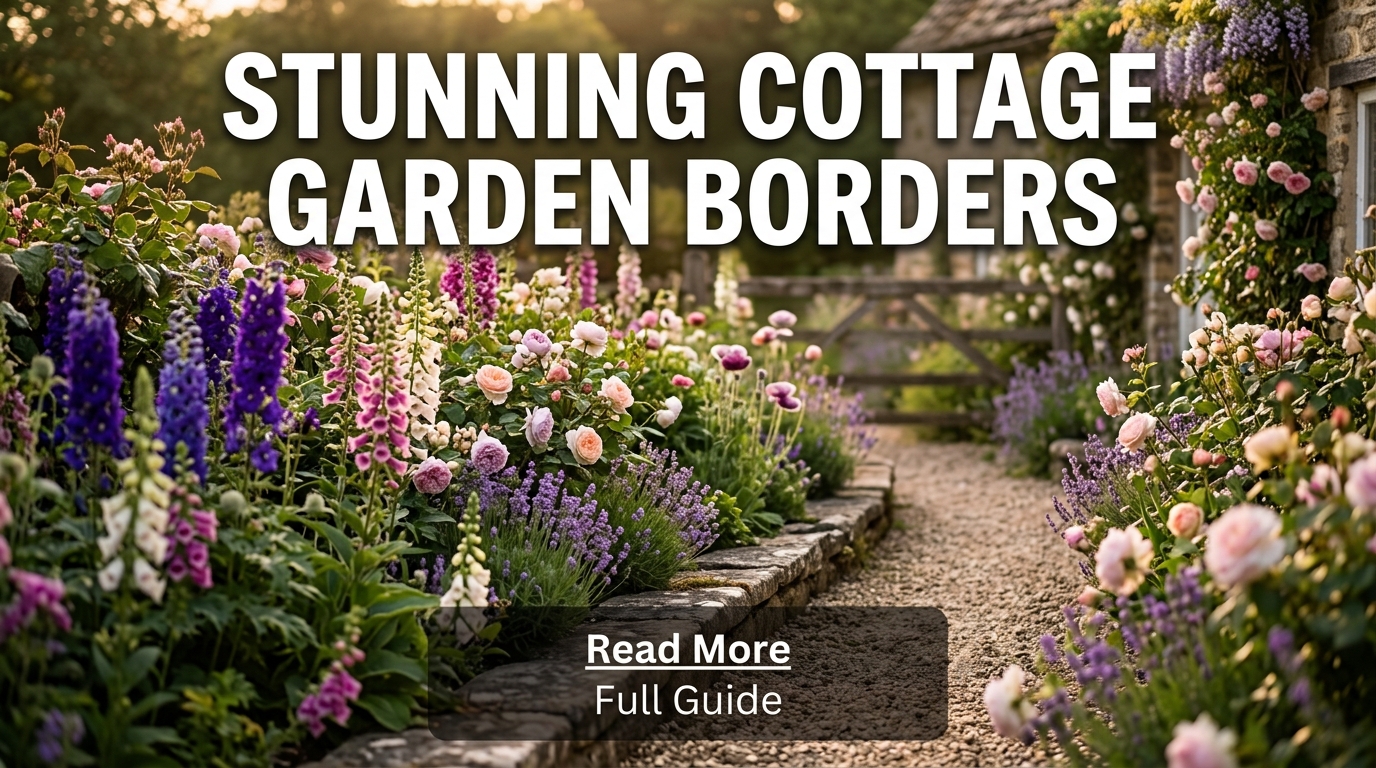
Cottage garden borders are one of the most charming and recognizable features of a traditional cottage-style landscape. Filled with colorful flowers, fragrant plants, and layers of textures, these borders create a relaxed, romantic, and welcoming atmosphere. Unlike formal garden designs that rely on strict symmetry and neat arrangements, cottage garden borders embrace abundance, natural beauty, and a slightly wild appearance that feels both timeless and inviting.
Whether you have a large backyard, a small front garden, or a narrow pathway, cottage garden borders can transform ordinary spaces into vibrant displays of color and character. By combining flowering perennials, annuals, shrubs, and climbing plants, you can create borders that provide beauty from spring through autumn while attracting butterflies, bees, and other beneficial pollinators.
This complete guide explores cottage garden border ideas, plant selections, design principles, maintenance tips, and inspiration for creating stunning garden edges.
What Are Cottage Garden Borders?
Cottage garden borders are planting areas located along fences, walls, pathways, lawns, or property boundaries. They are designed with a mix of flowers, shrubs, and foliage plants arranged in a natural, informal style.
Traditional cottage garden borders are known for their dense plantings and colorful displays. Plants often spill over pathways and blend together, creating a lush and abundant look.
The goal is to create a border that appears effortless while still providing structure, seasonal interest, and visual harmony.
Why Cottage Garden Borders Are So Popular
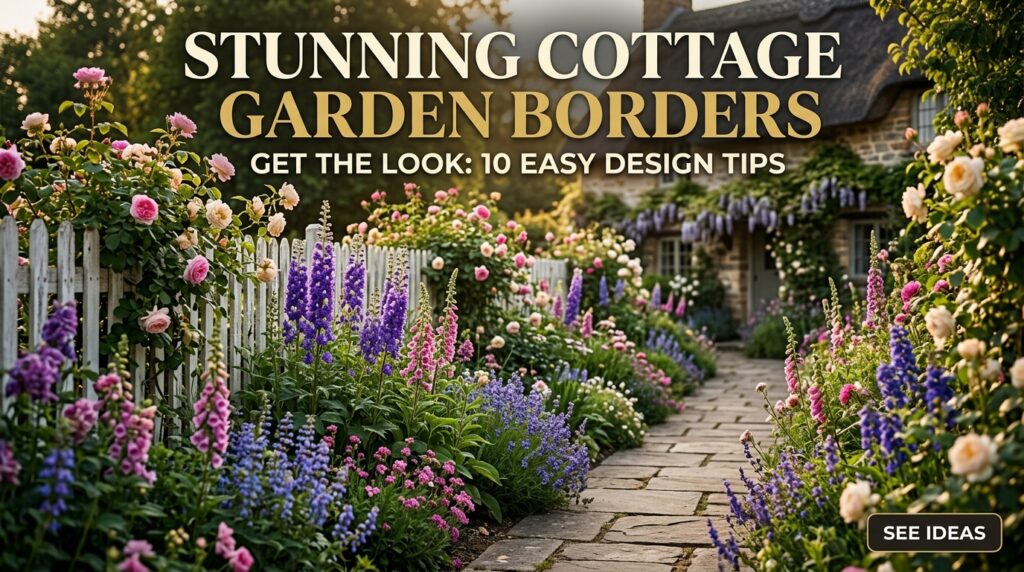
Cottage garden borders remain popular because they combine beauty, practicality, and charm.
They provide long-lasting color throughout the growing season.
They attract pollinators such as bees, butterflies, and hummingbirds.
They soften hard landscaping features like fences and walls.
They create a relaxed and welcoming atmosphere.
Most importantly, cottage garden borders can be adapted to gardens of any size.
Key Characteristics of Cottage Garden Borders
Understanding the main characteristics helps create an authentic cottage garden look.
Informal Planting
Plants are arranged naturally rather than in strict geometric patterns.
Abundant Flowers
Borders are packed with blooms to create a lush appearance.
Layered Heights
Tall plants, medium-sized flowers, and low-growing ground covers are combined.
Mixed Planting
Annuals, perennials, herbs, and shrubs are often planted together.
Seasonal Interest
A variety of plants ensures beauty throughout the year.
Planning Your Cottage Garden Border
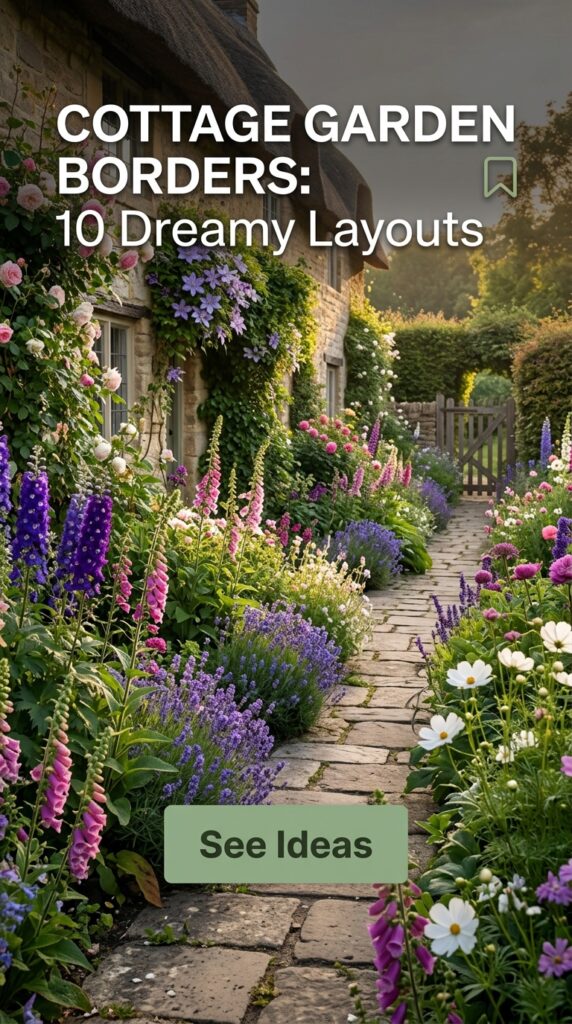
Before planting, evaluate the available space.
Consider:
- Sunlight conditions
- Soil quality
- Border width
- Existing structures
- Climate
Most cottage garden borders benefit from at least six hours of sunlight daily.
Preparing the soil with compost improves plant health and flowering performance.
A well-planned border provides long-term success.
Layering Plants for Maximum Impact
Layering is one of the most important cottage garden design techniques.
Position taller plants at the back of the border.
Medium-height plants belong in the middle.
Low-growing flowers and edging plants should be placed near pathways and lawn edges.
This arrangement creates depth, structure, and continuous visual interest.
Best Flowers for Cottage Garden Borders
Flower selection is central to achieving the cottage garden style.
Popular choices include:
- Roses
- Delphiniums
- Foxgloves
- Hollyhocks
- Peonies
- Coneflowers
- Shasta Daisies
- Lupines
- Sweet Peas
- Phlox
These flowers provide height, color, fragrance, and seasonal variety.
Roses in Cottage Garden Borders
Roses are often considered the heart of a cottage garden.
Popular varieties include:
- Climbing Roses
- Shrub Roses
- English Roses
- Floribunda Roses
Their romantic blooms and fragrance enhance the traditional cottage atmosphere.
Mixing roses with perennials creates a classic and timeless display.
Adding Fragrance to Garden Borders
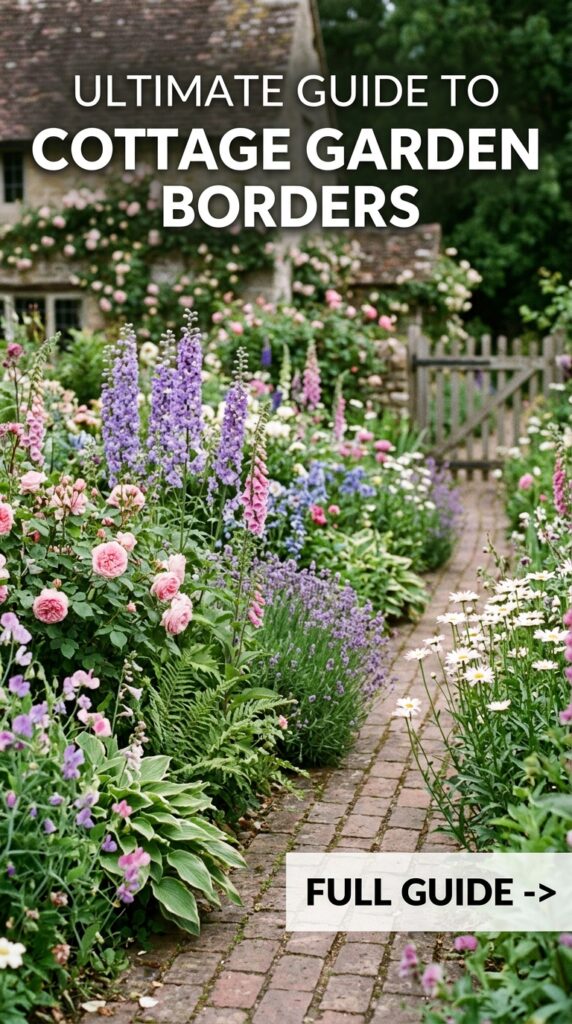
Fragrant plants make cottage gardens even more inviting.
Excellent options include:
- Lavender
- Sweet Pea
- Jasmine
- Roses
- Dianthus
- Mock Orange
Position scented plants near seating areas, pathways, and entrances where their fragrance can be fully appreciated.
Cottage Garden Border Color Schemes
Color plays an important role in creating visual harmony.
Popular cottage garden color palettes include:
Pastel Colors
Soft pinks, blues, whites, and lavender shades create a romantic look.
Bright Cottage Colors
Bold reds, yellows, oranges, and purples create a cheerful atmosphere.
Monochromatic Borders
Different shades of a single color create elegance and sophistication.
Choosing a consistent palette helps unify the design.
Incorporating Shrubs
Shrubs provide structure and year-round interest.
Popular cottage garden shrubs include:
- Hydrangeas
- Boxwood
- Spirea
- Lilac
- Weigela
Shrubs help anchor the border while supporting surrounding flowers.
They also provide seasonal foliage and blooms.
Using Climbing Plants
Vertical interest is an important feature of cottage gardens.
Popular climbing plants include:
- Climbing Roses
- Clematis
- Honeysuckle
- Wisteria
- Jasmine
Train climbers over trellises, fences, and arches.
Vertical elements add height and help maximize space.
Edging Ideas for Cottage Garden Borders
Border edging creates a clean transition between planting areas and pathways.
Popular edging materials include:
- Brick
- Natural stone
- Timber
- Low-growing plants
Soft plant edging often feels most authentic in cottage gardens.
Allowing plants to spill slightly over edges enhances the informal appearance.
Cottage Garden Borders Along Fences
Fences provide ideal backdrops for colorful borders.
Plant taller flowers and climbers near the fence.
Layer medium and shorter plants toward the front.
This arrangement maximizes visual impact while softening the appearance of the fence.
Flowering climbers create additional beauty and privacy.
Small Cottage Garden Border Ideas
Even small gardens can enjoy cottage-style borders.
Choose compact plant varieties.
Focus on layering and color rather than quantity.
Use vertical gardening techniques to maximize space.
A narrow border filled with carefully selected plants can still create a lush and abundant appearance.
Pollinator-Friendly Cottage Borders
Cottage gardens are excellent habitats for pollinators.
Plant nectar-rich flowers such as:
- Lavender
- Coneflowers
- Bee Balm
- Salvia
- Foxgloves
Providing continuous blooms throughout the season supports bees and butterflies.
Pollinator-friendly borders benefit both wildlife and the garden ecosystem.
Seasonal Interest Throughout the Year
A successful border remains attractive across multiple seasons.
Spring
Tulips, daffodils, and early perennials provide fresh color.
Summer
Roses, delphiniums, and daisies dominate the display.
Autumn
Sedums, asters, and ornamental grasses provide late-season beauty.
Winter
Evergreen shrubs and structural plants maintain interest.
Planning for all seasons ensures year-round appeal.
Budget-Friendly Cottage Garden Border Ideas
Creating beautiful borders does not require a large budget.
Grow plants from seed.
Divide existing perennials to expand planting areas.
Purchase smaller plants and allow them to mature over time.
Use compost to improve soil naturally.
Gradual development often results in the most authentic cottage garden appearance.
Common Mistakes to Avoid
Avoid planting only one type of flower.
Do not neglect plant spacing entirely, as overcrowding can lead to disease.
Avoid using too many unrelated colors.
Ensure taller plants do not completely shade smaller flowers.
Maintain pathways and access points for practical use.
Balance abundance with healthy plant growth.
Maintenance Tips
Regular maintenance keeps borders healthy and attractive.
Deadhead flowers to encourage additional blooms.
Prune plants as necessary.
Divide overcrowded perennials every few years.
Water during dry periods.
Apply mulch to suppress weeds and improve soil quality.
Consistent care helps maintain the lush appearance cottage gardens are known for.
Benefits of Cottage Garden Borders
Cottage garden borders offer numerous advantages.
They add beauty and color to the landscape.
They attract beneficial pollinators.
They soften fences, walls, and pathways.
They provide seasonal interest and fragrance.
They create a welcoming and timeless atmosphere.
Their versatility makes them suitable for both traditional and modern homes.
Final Thoughts
Cottage garden borders are a beautiful way to bring color, fragrance, and personality into any landscape. With their abundant flowers, layered planting schemes, and relaxed style, they create a garden that feels both romantic and inviting.
Whether you are designing a large country garden or a small urban border, cottage garden principles can help you create a space filled with charm and seasonal beauty. By combining roses, perennials, shrubs, climbers, and fragrant flowers, you can enjoy a border that evolves throughout the year while supporting pollinators and enhancing your outdoor environment.
A well-designed cottage garden border is more than just a planting area—it is a living display of color, texture, and timeless garden beauty.