
 By John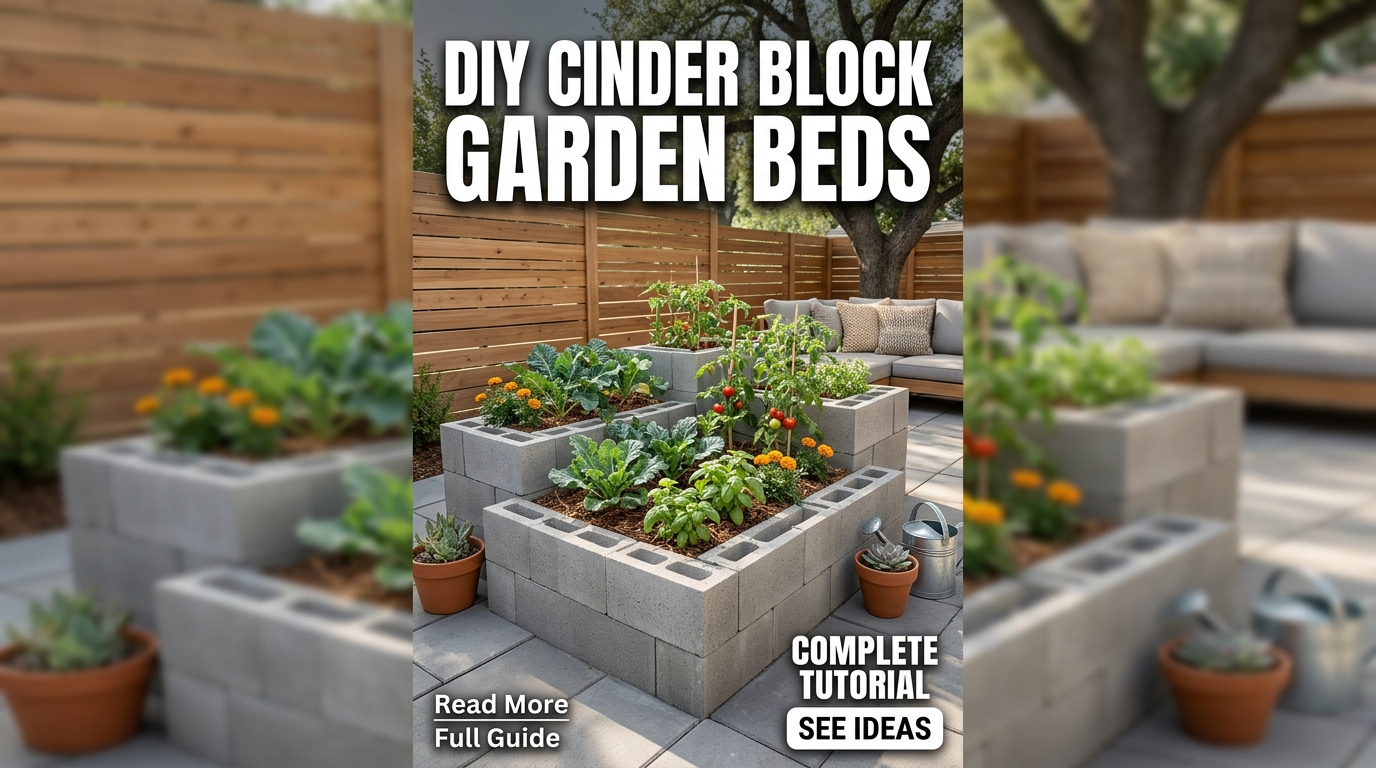
Concrete block garden beds are a practical, durable, and budget-friendly solution for growing vegetables, herbs, flowers, and ornamental plants. Made from standard concrete masonry blocks, these raised garden beds are easy to build, highly customizable, and capable of lasting for decades with minimal maintenance. Whether you have a large backyard, a small urban garden, or a homestead, concrete block beds provide a sturdy framework that can improve plant health and make gardening more efficient.
One of the biggest advantages of concrete block garden beds is their versatility. They can be arranged in various shapes and sizes, used to create decorative borders, and even provide extra planting space within the holes of the blocks themselves. Their clean lines and solid structure make them suitable for modern landscapes, vegetable gardens, cottage gardens, and functional backyard growing spaces.
This complete guide covers everything you need to know about concrete block garden beds, including benefits, design ideas, construction tips, planting suggestions, and maintenance advice.
What Are Concrete Block Garden Beds?
Concrete block garden beds are raised planting areas built using concrete blocks stacked to form a border around soil and plants.
They are commonly used for:
- Vegetable gardens
- Herb gardens
- Flower beds
- Pollinator gardens
- Small fruit gardens
Unlike wooden raised beds, concrete blocks resist rot, insect damage, and weathering, making them a long-lasting gardening solution.
Benefits of Concrete Block Garden Beds
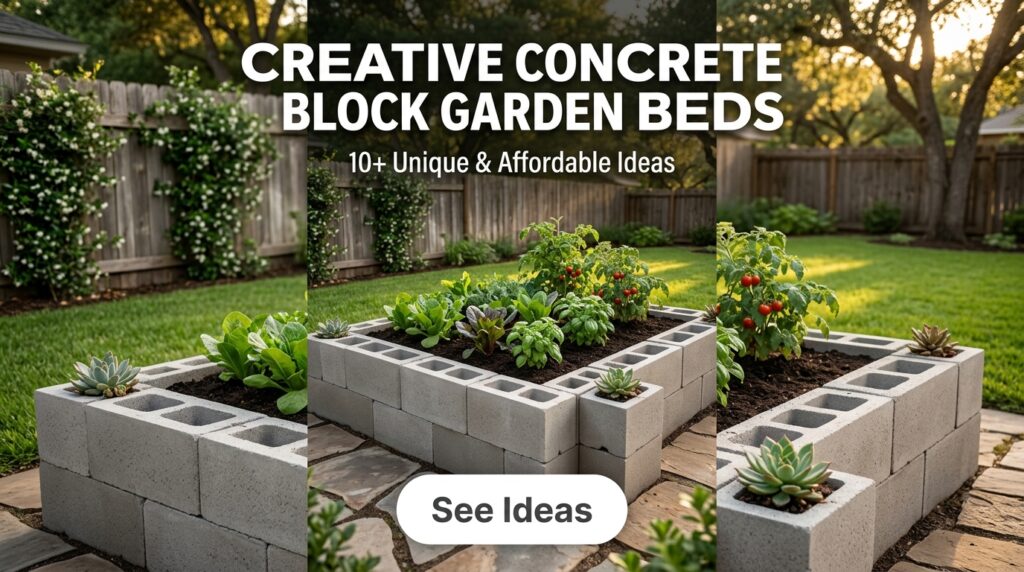
Concrete block beds offer numerous advantages.
Long-Lasting Durability
Concrete blocks can last for decades without significant deterioration.
Affordable Construction
Blocks are widely available and often less expensive than many other raised bed materials.
Easy to Build
No advanced construction skills are required.
Excellent Soil Control
Raised beds allow gardeners to customize soil quality and composition.
Reduced Weed Problems
Clearly defined beds help limit weed growth and simplify maintenance.
Better Accessibility
Raised planting areas reduce bending and make gardening more comfortable.
Choosing the Right Concrete Blocks
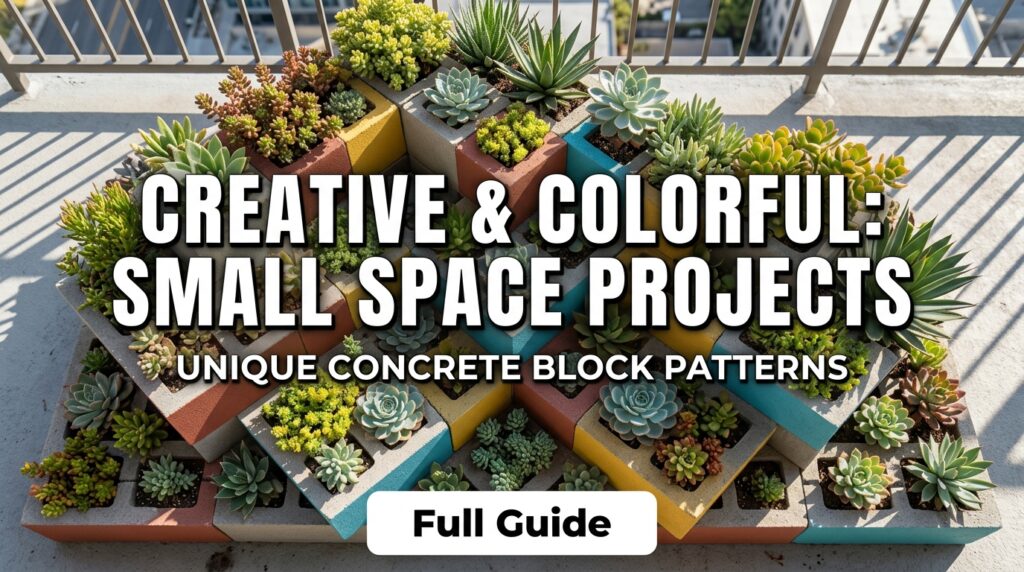
Several types of concrete blocks can be used.
Popular options include:
Standard Cinder Blocks
The most common choice for raised beds.
Decorative Concrete Blocks
Provide a more attractive finished appearance.
Interlocking Blocks
Offer increased stability and easier assembly.
Choose blocks that are structurally sound and suitable for outdoor use.
Planning Your Garden Bed
Before building, consider:
- Available space
- Sunlight exposure
- Drainage
- Plant selection
- Access pathways
Most vegetables require at least six to eight hours of sunlight daily.
Careful planning helps ensure long-term success.
Ideal Size for Concrete Block Garden Beds
A common raised bed size is:
- 4 feet wide
- 8 feet long
This width allows easy access from both sides without stepping into the bed.
Height can vary depending on gardening needs and available materials.
Higher beds provide greater accessibility and deeper soil capacity.
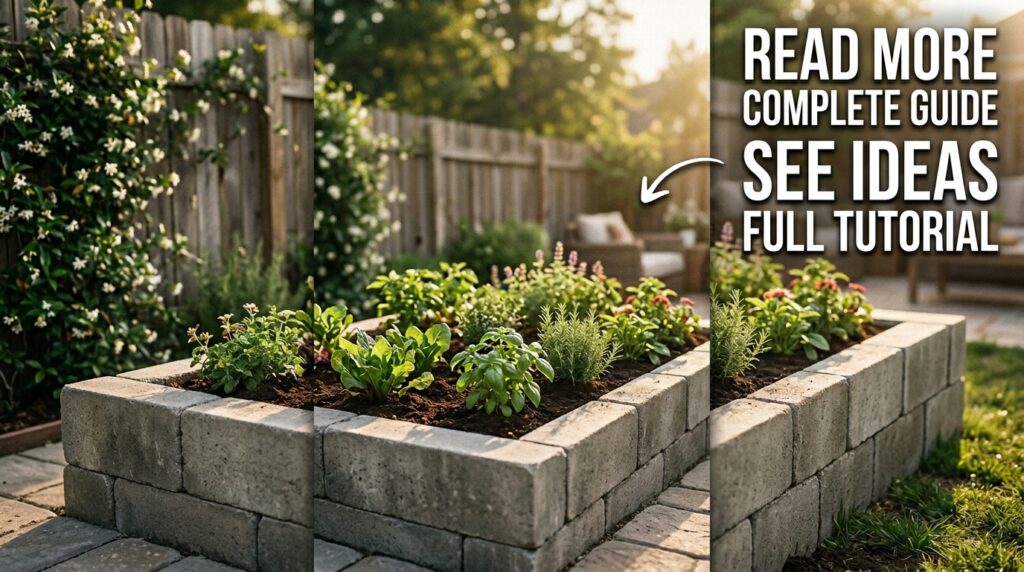
How to Build a Concrete Block Garden Bed
Step 1: Select the Location
Choose a sunny area with good drainage.
Step 2: Mark the Layout
Use stakes and string to define the shape.
Step 3: Level the Ground
A level foundation improves stability.
Step 4: Place the Blocks
Arrange concrete blocks around the perimeter.
Step 5: Check Alignment
Ensure the structure remains square and level.
Step 6: Fill with Soil
Add high-quality soil and compost.
The bed is now ready for planting.
Best Soil for Raised Beds
Healthy plants require quality growing media.
A good mix includes:
- Topsoil
- Compost
- Organic matter
- Aged manure
Avoid compacted garden soil whenever possible.
Loose, fertile soil promotes strong root development and higher yields.
Vegetable Garden Ideas
Concrete block beds are ideal for growing vegetables.
Popular crops include:
- Tomatoes
- Peppers
- Lettuce
- Carrots
- Cucumbers
- Beans
The controlled growing environment helps maximize productivity.
Raised beds often warm up faster in spring, extending the growing season.
Herb Garden Ideas
Herbs thrive in concrete block beds.
Popular choices include:
- Basil
- Rosemary
- Thyme
- Oregano
- Sage
- Parsley
The individual holes in cinder blocks can also be used for growing smaller herbs.
This maximizes planting space while creating an attractive display.
Flower Garden Beds
Concrete blocks are not just for vegetables.
Beautiful flowers include:
- Marigolds
- Zinnias
- Lavender
- Coneflowers
- Petunias
Flower-filled raised beds add color and curb appeal to any landscape.
They also attract beneficial pollinators.
Use the Block Openings for Extra Plants
One unique advantage of concrete blocks is the hollow openings.
These spaces can be planted with:
- Herbs
- Succulents
- Strawberries
- Annual flowers
Using every available space increases garden productivity and visual appeal.
The result is both practical and decorative.
Modern Concrete Block Garden Designs
Concrete blocks work well in modern landscapes.
Features often include:
- Geometric layouts
- Clean lines
- Minimalist planting schemes
Pairing concrete with gravel, metal, and architectural plants creates a contemporary appearance.
The industrial look is increasingly popular in modern garden design.
Painted Concrete Block Beds
Painting blocks can add personality and style.
Popular colors include:
- White
- Gray
- Green
- Black
- Bright accent colors
Use outdoor masonry paint designed for weather resistance.
Painted beds can coordinate with home exteriors and garden themes.
Concrete Block Tiered Gardens
Tiered beds add visual interest and improve functionality.
Benefits include:
- Better drainage
- Easier access
- Enhanced aesthetics
Tiered designs work especially well on sloped properties.
They create multiple planting levels while controlling erosion.
Concrete Block Garden Borders
Blocks can also be used as decorative edging.
Ideas include:
- Flower bed borders
- Pathway edges
- Lawn dividers
Even simple borders create structure and organization within the landscape.
The clean appearance enhances overall garden design.
Growing Pollinator Plants
Pollinator-friendly gardens thrive in raised beds.
Popular flowers include:
- Bee Balm
- Lavender
- Salvia
- Coneflowers
- Black-Eyed Susans
These plants attract bees, butterflies, and other beneficial insects.
Pollinator gardens support local ecosystems while adding beauty.
Watering Raised Beds
Concrete block beds generally drain well.
Tips include:
- Water deeply
- Avoid shallow watering
- Monitor soil moisture regularly
Raised beds may dry out faster than traditional gardens during hot weather.
Consistent watering promotes healthy growth.
Mulching for Better Results
Mulch offers several benefits.
Advantages include:
- Moisture retention
- Weed suppression
- Improved soil health
- Temperature regulation
Organic mulch such as straw or shredded bark works particularly well.
Mulching reduces maintenance and improves plant performance.
Budget-Friendly Gardening Solution
Concrete block beds are relatively inexpensive to build.
Additional savings can come from:
- DIY construction
- Recycled blocks
- Home-produced compost
Their long lifespan provides excellent value over time.
Many gardeners find them more cost-effective than wooden beds.
Common Mistakes to Avoid
Avoid placing beds in heavily shaded locations.
Do not use poor-quality soil.
Ensure proper drainage.
Leave adequate space between beds for access.
Avoid making beds too wide to reach comfortably.
Careful planning helps prevent future challenges.
Maintenance Tips
Concrete block beds require minimal upkeep.
Routine maintenance includes:
- Checking alignment
- Replacing damaged blocks if necessary
- Adding compost annually
- Controlling weeds
Their durability makes them one of the lowest-maintenance raised bed options available.
Final Thoughts
Concrete block garden beds are a durable, affordable, and highly versatile solution for growing vegetables, herbs, flowers, and ornamental plants. Their strength, longevity, and ease of construction make them a favorite choice among both beginner and experienced gardeners.
Whether you create a productive vegetable garden, a colorful flower bed, a modern landscape feature, or a pollinator-friendly planting area, concrete blocks provide a sturdy foundation for long-term gardening success. With proper planning, quality soil, and thoughtful design, these raised beds can transform any outdoor space into an organized and productive garden.
A concrete block garden bed is more than just a planting area—it is a practical investment that combines functionality, durability, and beauty for years of enjoyable gardening.