
 By John
A colorful garden can transform an ordinary outdoor space into a lively landscape filled with flowers, foliage, texture, and personality. By combining plants in different colors, heights, shapes, and blooming seasons, you can create a garden that feels cheerful and welcoming throughout the year.
Whether you have a small backyard, front yard, patio, balcony, or large landscape, colorful garden ideas can be adapted to almost any space. The secret is to balance bold colors with greenery and repeat selected shades so the overall design feels intentional rather than chaotic.
What Is a Colorful Garden?
A colorful garden uses flowers, foliage, containers, garden structures, and decorative features to create a vibrant outdoor environment.
Common elements include:
- Bright flowers
- Colorful foliage
- Flower borders
- Painted planters
- Decorative pots
- Colorful garden art
- Vibrant pathways
- Seasonal plants
- Colorful outdoor furniture
You can choose a rainbow-inspired palette or focus on a few complementary colors.
Benefits of a Colorful Garden
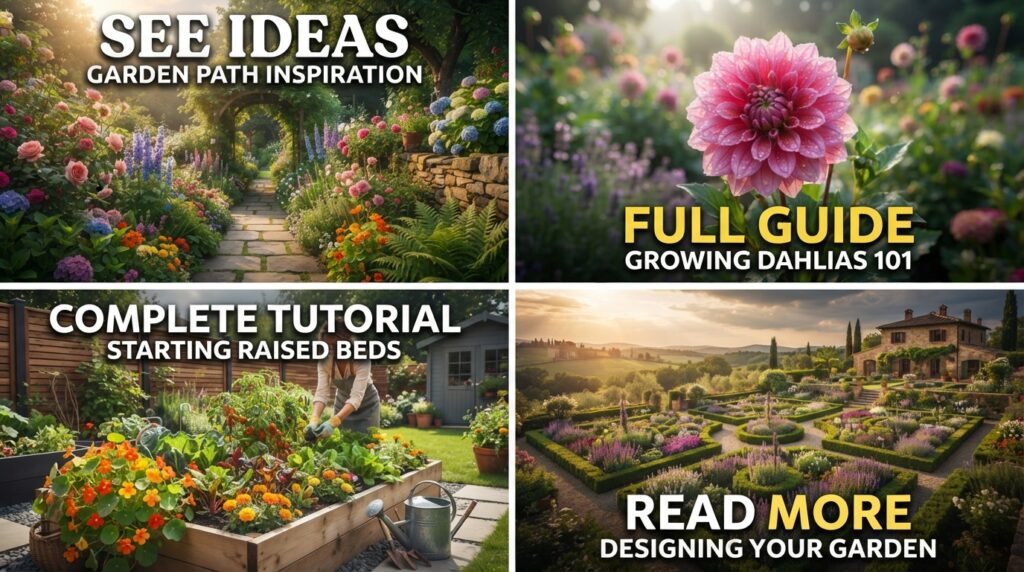
A vibrant garden can:
- Improve curb appeal
- Create a cheerful atmosphere
- Attract pollinators
- Add seasonal interest
- Make outdoor spaces feel more inviting
- Highlight architectural features
- Express your personal style
Color can also help draw attention toward particular areas of the landscape.
Choose a Garden Color Palette
Before planting, decide which colors you want to emphasize.
Rainbow Garden
Use red, orange, yellow, green, blue, purple, and pink for a playful effect.
Pastel Garden
Combine soft pink, lavender, pale yellow, cream, and light blue.
Hot Color Garden
Use red, orange, magenta, and yellow for an energetic atmosphere.
Cool Color Garden
Combine blue, purple, white, and silver for a calmer appearance.
Tropical Color Garden
Use vibrant flowers and foliage with strong greens, pinks, oranges, yellows, and reds.
Create Colorful Flower Beds
Flower beds are one of the easiest ways to introduce vibrant color.
Combine plants with different:
- Flower shapes
- Heights
- Bloom periods
- Leaf textures
- Colors
Place taller plants toward the back and lower-growing varieties toward the front.
Use Colorful Annual Flowers
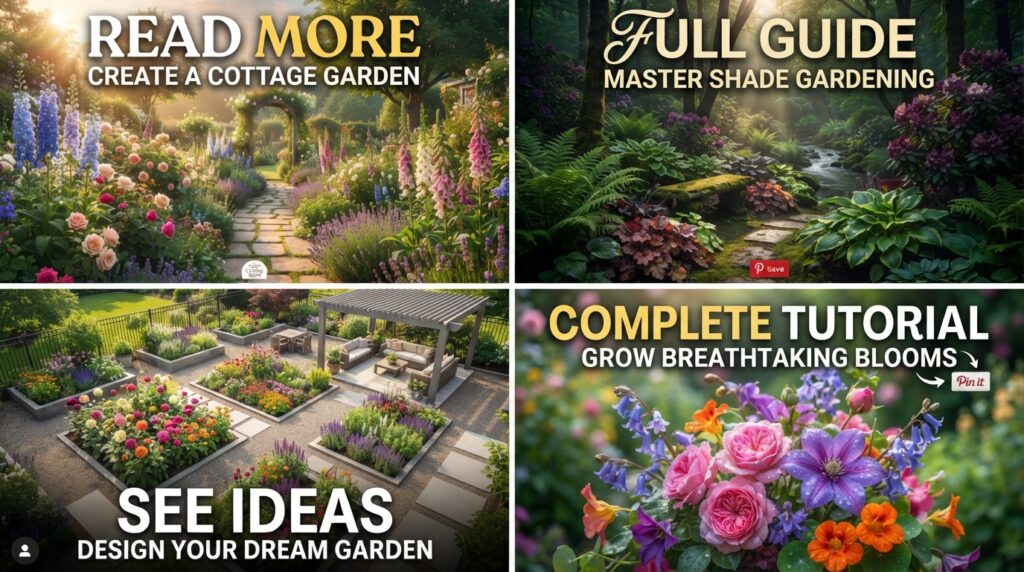
Annuals can provide quick seasonal color.
Depending on your climate, suitable choices may include:
- Marigolds
- Petunias
- Zinnias
- Cosmos
- Impatiens
- Begonias
- Nasturtiums
Choose plants according to local growing conditions and available sunlight.
Add Colorful Perennials
Perennials can provide recurring color year after year.
Consider suitable varieties of:
- Coneflowers
- Daylilies
- Salvia
- Iris
- Peonies
- Coreopsis
- Black-eyed Susans
Combine early-, mid-, and late-season bloomers for a longer display.
Create a Rainbow Garden
A rainbow garden can be playful and especially attractive for family gardens.
Arrange flowers by:
- Red
- Orange
- Yellow
- Green
- Blue
- Purple
You don’t have to follow a strict rainbow pattern. Repeating several colors throughout the garden can create a more natural appearance.
Add Colorful Garden Containers
Containers allow you to introduce color even when you have limited planting space.
Use:
- Painted pots
- Ceramic planters
- Hanging baskets
- Window boxes
- Recycled containers
Coordinate container colors with flowers and the surrounding landscape.
Colorful Front Yard Garden
A vibrant front yard can improve curb appeal.
Try:
- Colorful flower borders
- Bright containers near the entrance
- Seasonal annuals
- Flowering shrubs
- Colorful groundcovers
Keep pathways clear and repeat a few dominant colors for a cohesive appearance.
Colorful Backyard Garden
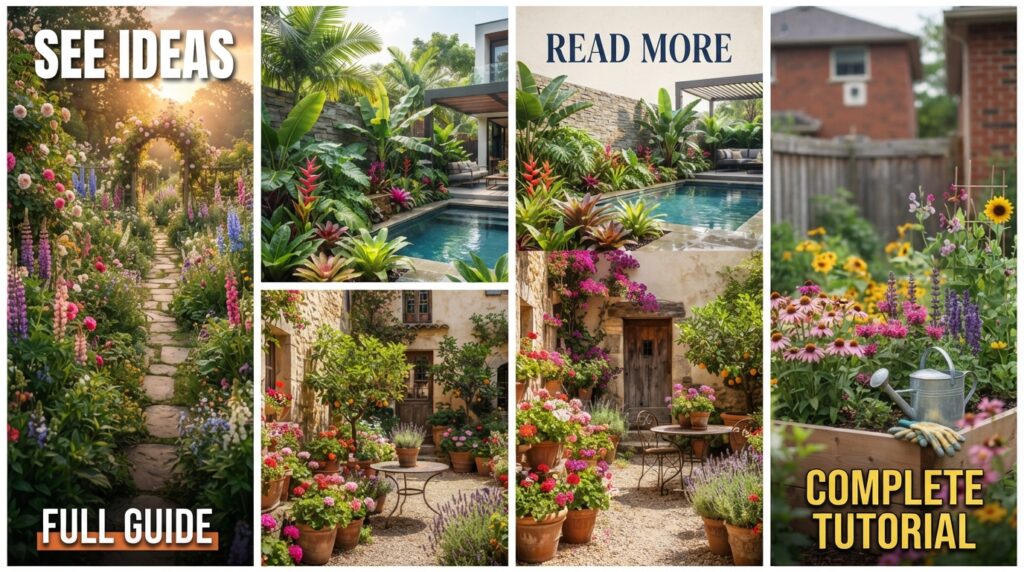
Backyards provide more opportunities for layered planting.
Create separate areas for:
- Flower beds
- Seating
- Vegetable gardens
- Children’s spaces
- Pollinator gardens
- Outdoor dining
Use different color combinations to distinguish individual garden rooms.
Colorful Small Garden
You can create a vibrant look even with limited space.
Try:
- Vertical planters
- Hanging baskets
- Bright containers
- Compact flowering plants
- Colorful trellises
- Window boxes
Use height as well as ground-level planting to maximize visual impact.
Colorful Cottage Garden
Cottage gardens naturally lend themselves to abundant color.
Combine:
- Roses
- Daisies
- Lavender
- Foxgloves
- Delphiniums
- Poppies
- Hardy geraniums
Allow flowers to overlap visually while maintaining enough space for healthy growth.
Colorful Tropical Garden
A tropical-inspired garden can emphasize dramatic foliage and vibrant flowers.
Use suitable plants for your climate, focusing on:
- Large leaves
- Bright flowers
- Bold textures
- Layered planting
- Rich green foliage
Choose tropical species only where local temperatures and growing conditions support them.
Colorful Vegetable Garden
Vegetable gardens can be highly decorative.
Grow colorful crops such as:
- Purple cabbage
- Rainbow carrots
- Red lettuce
- Yellow squash
- Purple beans
- Colorful peppers
- Rainbow chard
Combine edible plants with flowers and herbs for an attractive mixed garden.
Add Colorful Garden Paths
Pathways can contribute to the overall palette.
Consider:
- Painted stepping stones
- Colorful tiles
- Brick
- Decorative gravel
- Mosaic details
Keep the surface practical, stable, and appropriate for outdoor use.
Colorful Garden Fence
A painted fence can become a dramatic garden backdrop.
Possible approaches include:
- Soft pastel colors
- Bold accent colors
- Multicolored panels
- Bright garden gates
- Natural wood with colorful décor
Use exterior-rated finishes suitable for outdoor conditions.
Add Colorful Garden Art
Garden art can add color without requiring additional plants.
Ideas include:
- Painted rocks
- Mosaic pieces
- Metal sculptures
- Ceramic artwork
- Colorful wind ornaments
- Decorative signs
- Handmade garden stakes
Place larger pieces strategically so they don’t compete with flowering plants.
Colorful Garden Seating Area
Bring color into your seating space with:
- Bright cushions
- Painted chairs
- Colorful umbrellas
- Patterned outdoor rugs
- Decorative pots
- Vibrant table accessories
Choose weather-resistant materials for outdoor furniture and fabrics.
Create a Colorful Pollinator Garden
Colorful flowers can support pollinators when suitable plant species are selected.
Include plants that provide nectar or pollen for local:
- Bees
- Butterflies
- Hoverflies
- Other beneficial insects
Choose regionally appropriate plants and avoid unnecessary pesticide use.
Colorful Garden for Children
A bright garden can be an engaging space for children.
Add:
- Colorful flowers
- Butterfly-friendly plants
- Vegetable beds
- Painted stones
- Garden signs
- Small planting areas
- Nature observation spaces
Keep plant choices and garden materials appropriate for children’s safety.
Colorful Garden Lighting
Lighting can add another layer of color and atmosphere after sunset.
Use:
- Warm lanterns
- String lights
- Pathway lighting
- Decorative outdoor lights
- Subtle accent lighting
Use lighting carefully so it highlights the garden without overwhelming the plants or surrounding homes.
Colorful Garden Ideas on a Budget
You don’t need a large budget to create a vibrant landscape.
Try:
- Growing flowers from seeds
- Propagating suitable plants
- Reusing containers
- Painting old pots
- Making DIY garden art
- Using recycled materials
- Collecting seeds where appropriate
Build the garden gradually and prioritize plants suited to your growing conditions.
How to Design a Colorful Garden
Step 1: Choose Your Main Colors
Select three or four dominant colors.
Step 2: Study the Space
Check sunlight, soil, drainage, and existing plants.
Step 3: Select Plants
Choose flowers and foliage that suit your conditions and bloom at different times.
Step 4: Create Layers
Combine tall, medium, and low-growing plants.
Step 5: Repeat Colors
Repeat key colors in different parts of the garden to create unity.
Step 6: Add Decorative Features
Use containers, seating, pathways, artwork, or fencing to complement the planting.
Step 7: Maintain the Design
Deadhead flowers, remove weeds, water appropriately, and refresh seasonal displays.
Common Colorful Garden Mistakes
Using Too Many Colors Without a Plan
A huge variety of colors can look chaotic. Repeat a few colors to create cohesion.
Ignoring Foliage
Green and textured foliage provides the visual background that makes flowers stand out.
Planting Without Considering Mature Size
Crowded plants can reduce airflow and make maintenance difficult.
Forgetting Bloom Times
Plan for different seasons so color doesn’t disappear all at once.
Choosing Plants Without Checking Conditions
Select plants based on sunlight, soil, water needs, and climate.
Frequently Asked Questions
How do I make my garden more colorful?
Add flowering plants with different bloom periods, colorful containers, foliage plants, garden art, and repeated accent colors.
What colors look good together in a garden?
Purple and yellow, blue and white, pink and purple, red and orange, and green with almost any flower color can work beautifully.
Can a small garden be colorful?
Absolutely. Containers, vertical planting, hanging baskets, window boxes, and compact flowering plants can provide plenty of color.
What is the easiest way to create a colorful flower garden?
Start with a few reliable plants suited to your local conditions and group them by color, height, and flowering season.
How can I keep a colorful garden looking good all year?
Combine plants with different bloom seasons and include evergreen or attractive foliage plants for structure between flowering periods.
Conclusion
A colorful garden can bring energy, personality, and beauty to almost any outdoor space. Whether you prefer a rainbow garden, cottage-style planting, tropical-inspired landscape, colorful vegetable garden, or simple flower border, thoughtful use of color can make your garden more memorable.
Start with a clear palette, select plants that suit your climate and growing conditions, and combine different heights and textures. Repeat your favorite colors throughout the landscape and add colorful containers, pathways, furniture, or garden art for extra character. With a little planning, even a small outdoor space can become a vibrant garden full of life and seasonal interest.