
 By John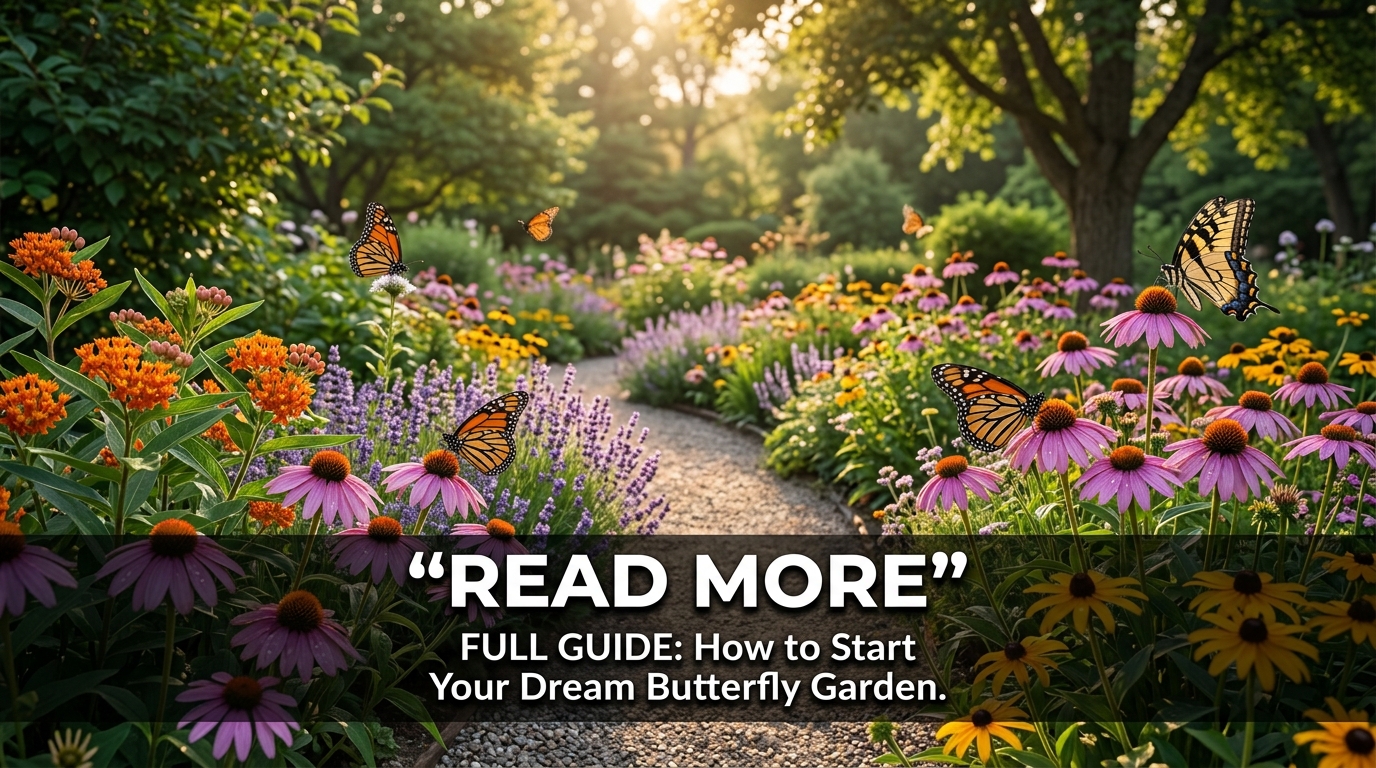
A butterfly garden is a specially designed outdoor space filled with nectar-rich flowers, host plants, and natural habitats that attract and support butterflies throughout their life cycle. These gardens not only add color and beauty to your landscape but also help support local ecosystems by providing food and shelter for important pollinators.
Whether you have a large backyard or a small patio, a butterfly garden can transform your outdoor space into a vibrant haven filled with flowers, movement, and wildlife.
What Is a Butterfly Garden?
A butterfly garden is a garden designed to attract, feed, and support butterflies. Unlike traditional flower gardens that focus mainly on appearance, butterfly gardens are planned to provide everything butterflies need, including nectar sources, host plants for caterpillars, water, and shelter.
A successful butterfly garden supports all stages of a butterfly’s life:
- Egg
- Caterpillar
- Chrysalis
- Adult butterfly
By providing the right environment, you can enjoy butterflies throughout the growing season.
Benefits of a Butterfly Garden
Supports Pollinators
Butterflies help pollinate flowers, fruits, and vegetables, contributing to a healthy garden ecosystem.
Adds Natural Beauty
Colorful butterflies create movement and visual interest throughout the garden.
Encourages Biodiversity
A butterfly garden attracts beneficial insects, birds, and other wildlife.
Educational Value
Butterfly gardens offer opportunities to learn about nature and life cycles.
Environmentally Friendly
Growing native plants and avoiding pesticides supports local ecosystems.
Essential Elements of a Butterfly Garden
Nectar Plants
Adult butterflies feed on nectar from flowers.
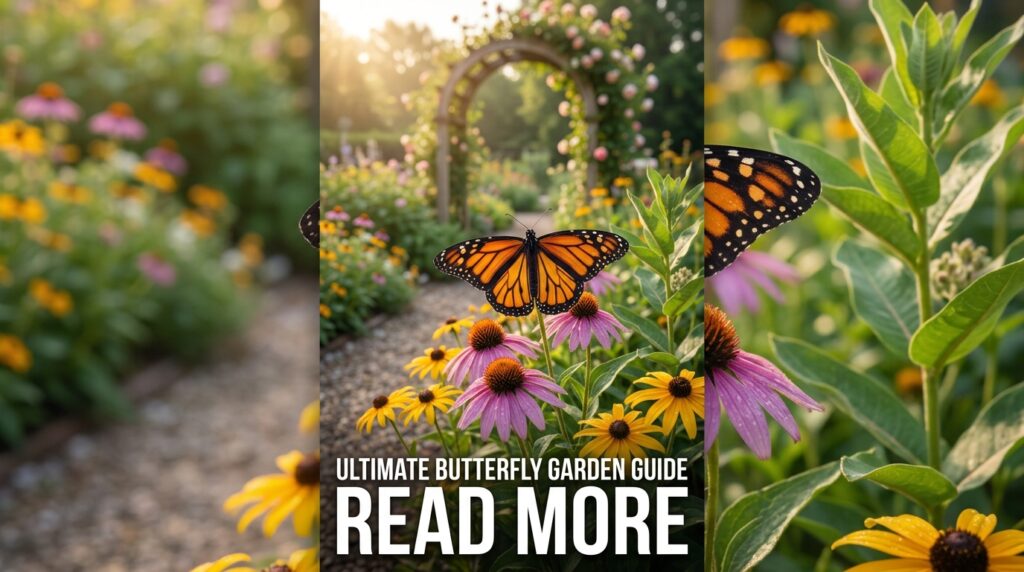
Popular nectar-rich flowers include:
- Butterfly bush
- Zinnias
- Coneflowers
- Black-eyed Susans
- Lantana
- Verbena
- Salvia
- Lavender
Planting a variety of flowers ensures continuous blooms throughout the season.
Host Plants
Host plants are where butterflies lay their eggs and caterpillars feed.
Examples include:
- Milkweed for monarch butterflies
- Parsley for swallowtails
- Dill
- Fennel
- Passionflower vines
- Native grasses
Without host plants, butterflies cannot complete their life cycle.
Sunny Locations
Butterflies are cold-blooded and need sunlight to stay active.
Choose a location that receives:
- At least six hours of sunlight daily
- Protection from strong winds
Sunlit gardens attract more butterfly activity.
Water Sources
Butterflies need water but prefer shallow sources.
Good options include:
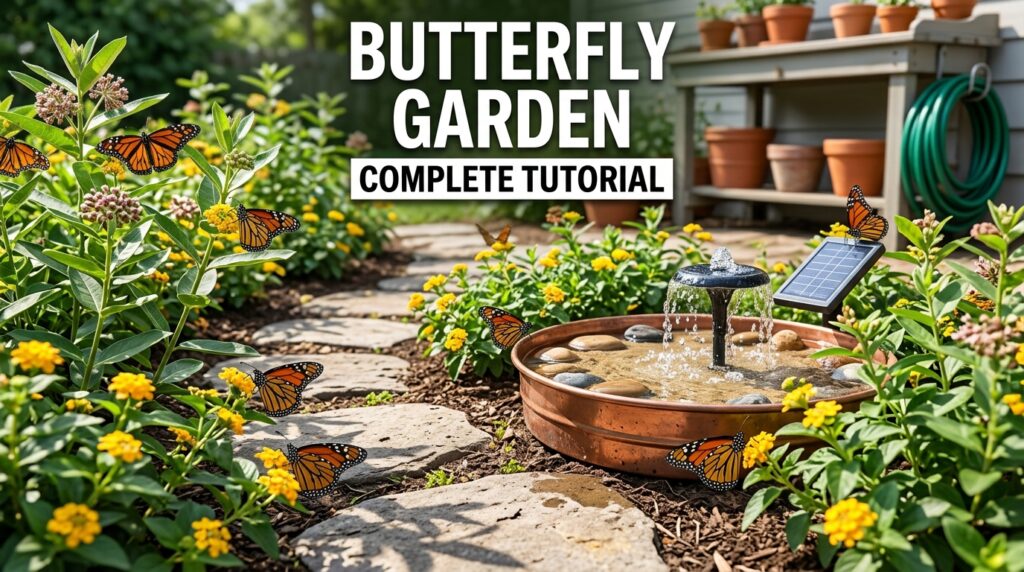
- Shallow dishes with pebbles
- Small puddling areas
- Damp sand patches
These provide moisture and essential minerals.
Shelter Areas
Butterflies need places to rest and hide from predators.
Include:
- Shrubs
- Small trees
- Tall grasses
- Garden structures
Sheltered areas help butterflies survive during bad weather.
Best Plants for a Butterfly Garden
Perennial Flowers
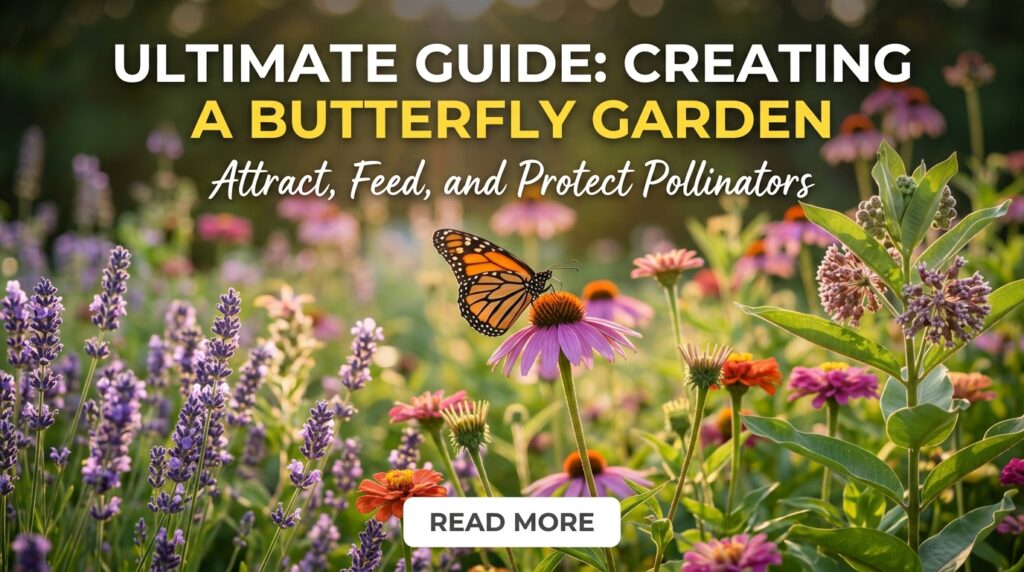
Perennials return every year and provide reliable nectar sources.
Popular choices:
- Coneflowers
- Bee balm
- Blanket flower
- Coreopsis
- Yarrow
Annual Flowers
Annuals provide long-lasting blooms.
Examples:
- Zinnias
- Cosmos
- Marigolds
- Sunflowers
- Petunias
Native Plants
Native plants are often the best choice because local butterflies have evolved alongside them.
Benefits include:
- Better adaptation to climate
- Lower maintenance
- Improved support for local species
Butterfly Garden Layout Ideas
Cottage-Style Butterfly Garden
A relaxed design with dense flower planting.
Features:
- Mixed flower borders
- Curved pathways
- Colorful blooms
This style naturally attracts pollinators.
Butterfly Meadow Garden
A natural-looking planting area filled with native wildflowers.
Features:
- Tall grasses
- Native flowers
- Minimal maintenance
Ideal for larger properties.
Small Backyard Butterfly Garden
Perfect for compact spaces.
Ideas:
- Raised beds
- Container gardens
- Vertical planting
Even a small area can attract butterflies.
Butterfly Garden Border
Plant butterfly-friendly flowers along fences or pathways.
Benefits:
- Saves space
- Creates colorful garden edges
- Attracts pollinators throughout the yard
Butterfly Garden Color Choices
Butterflies are attracted to bright, vibrant colors.
Popular flower colors:
- Purple
- Pink
- Red
- Yellow
- Orange
Plant flowers in clusters rather than individually. Large blocks of color are easier for butterflies to locate.
Seasonal Planning for Butterfly Gardens
Spring
Plant:
- Milkweed
- Salvia
- Coreopsis
Summer
Add:
- Zinnias
- Coneflowers
- Bee balm
Fall
Include:
- Asters
- Goldenrod
- Late-blooming native flowers
Seasonal planning ensures nectar is available throughout the year.
Butterfly Garden for Small Spaces
You do not need a large garden to attract butterflies.
Container Gardening
Use pots filled with:
- Lantana
- Zinnias
- Lavender
- Verbena
Balcony Butterfly Garden
Place containers in sunny locations and include nectar-rich flowers.
Vertical Butterfly Garden
Use wall planters or trellises with flowering vines.
Small spaces can still provide valuable butterfly habitat.
Common Mistakes to Avoid
Using Pesticides
Many pesticides harm butterflies and caterpillars.
Planting Only Nectar Flowers
Butterflies also need host plants for reproduction.
Ignoring Native Plants
Native species often support more butterflies than exotic plants.
Too Much Shade
Butterflies prefer sunny environments.
Lack of Continuous Blooms
Choose plants with different flowering times to provide food throughout the season.
Maintenance Tips
Keep your butterfly garden healthy by:
- Watering plants regularly
- Removing weeds
- Deadheading flowers to encourage blooms
- Avoiding chemical pesticides
- Adding compost annually
A healthy garden attracts more butterflies year after year.
Butterfly Species Commonly Attracted to Gardens
Depending on your location, you may see:
- Monarch butterflies
- Swallowtail butterflies
- Painted ladies
- Red admirals
- Sulphur butterflies
- Skippers
Different plants attract different butterfly species.
Why Butterfly Gardens Are Growing in Popularity
More gardeners are creating butterfly habitats because they:
- Support pollinator conservation
- Add natural beauty
- Require relatively low maintenance
- Improve biodiversity
- Create a relaxing outdoor environment
Butterfly gardening combines landscaping with environmental stewardship.
Conclusion
A butterfly garden is one of the most rewarding garden styles you can create. By planting nectar-rich flowers, providing host plants, and maintaining a safe habitat, you can attract beautiful butterflies while supporting local ecosystems.
Whether you have a large backyard, a small patio, or a few containers on a balcony, a butterfly garden can bring color, movement, and life to your outdoor space. With thoughtful planning and the right plants, your garden can become a thriving sanctuary for butterflies and other beneficial pollinators throughout the year.