
 By John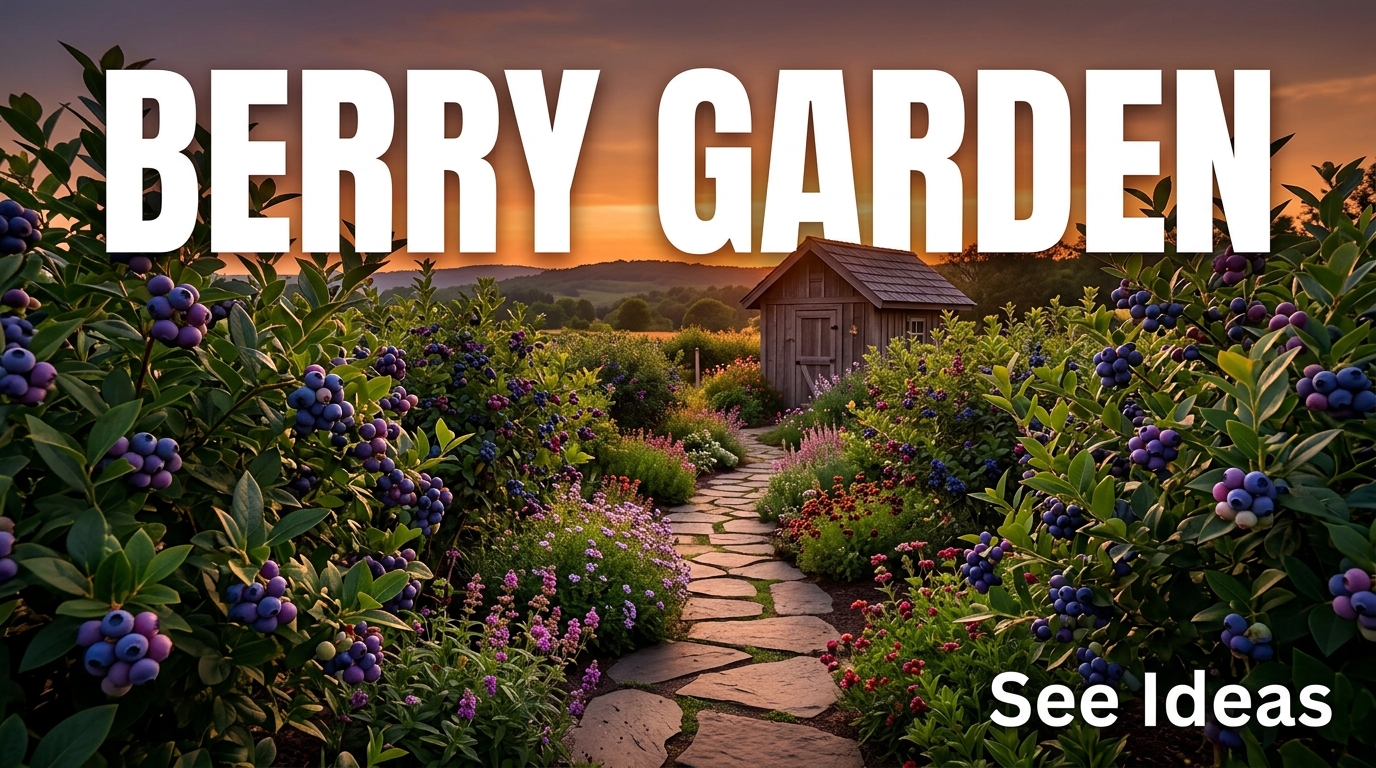
A berry garden is a wonderful way to add fresh fruit, colorful plants, and natural beauty to your outdoor space. Whether you have a large backyard, a small garden, raised beds, patio, balcony, or containers, many berry plants can be grown successfully when their specific climate, soil, sunlight, and watering needs are met.
From strawberries and raspberries to blueberries, blackberries, currants, and gooseberries, a thoughtfully designed berry garden can provide seasonal harvests while adding texture and visual interest to the landscape.
What Is a Berry Garden?
A berry garden is a dedicated growing area for berry-producing plants.
It can include:
- Strawberries
- Blueberries
- Raspberries
- Blackberries
- Currants
- Gooseberries
- Other locally suitable berry crops
Some berry plants grow as low groundcovers, while others develop into shrubs or vigorous canes. Planning around mature size makes the garden easier to maintain.
Benefits of Growing a Berry Garden
Growing berries at home can provide:
- Fresh seasonal fruit
- Attractive garden plants
- Pollinator-friendly flowers
- Productive use of garden space
- Opportunities for container gardening
- A fun project for families
Many berry plants are also attractive before and after fruit production.
1. Backyard Berry Garden
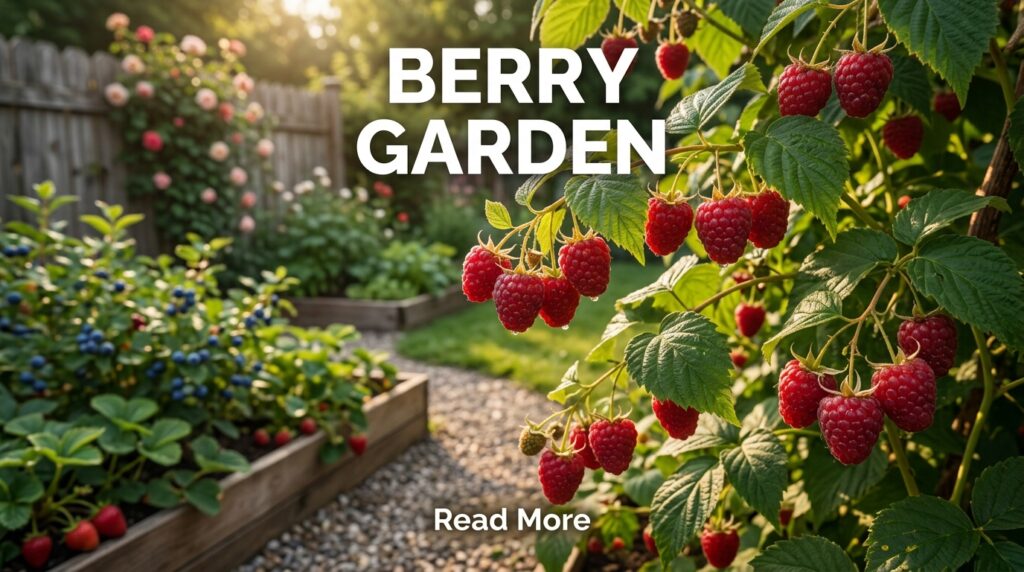
A backyard provides plenty of options for creating a productive berry patch.
Plant berries along:
- Garden borders
- Fences
- Pathways
- Raised beds
- Dedicated fruit-growing areas
Leave enough room between plants for airflow, pruning, harvesting, and maintenance.
2. Small Berry Garden
You don’t need a large yard to grow berries.
Use:
- Compact varieties
- Containers
- Raised beds
- Vertical supports
- Hanging planters where appropriate
Strawberries can be particularly useful in smaller gardens because they can be grown in relatively compact spaces.
3. Berry Garden in Raised Beds
Raised beds can make berry gardening easier by allowing you to control the growing medium and layout.
Use raised beds for:
- Strawberries
- Blueberries where suitable soil conditions can be provided
- Currants
- Other appropriately sized berry crops
Check the soil requirements of each crop before combining different species in one bed.
4. Strawberry Garden
Strawberries are among the most popular home-grown berries.
They can be planted in:
- Raised beds
- Containers
- Hanging baskets
- Garden borders
- Strawberry planters
Choose varieties suited to your climate and desired harvest season.
5. Blueberry Garden
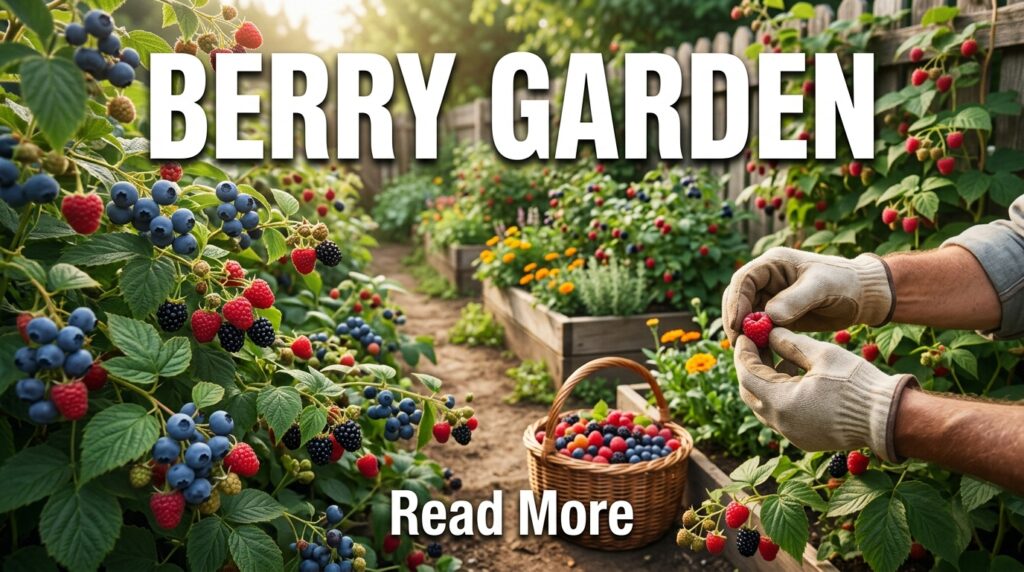
Blueberries can create attractive shrubs while producing delicious fruit.
They generally require acidic growing conditions and well-drained soil.
Before planting, check:
- Soil pH
- Drainage
- Sunlight
- Variety compatibility
- Mature plant size
Growing blueberries in containers can make it easier to control soil conditions.
6. Raspberry Garden
Raspberries can be highly productive when planted in suitable conditions.
They generally benefit from:
- Full sun
- Well-drained soil
- Good airflow
- Regular pruning
- Appropriate support
Some raspberry types spread vigorously, so choose a location where their growth can be managed.
7. Blackberry Garden
Blackberries can make an excellent addition to a larger backyard.
Many varieties benefit from strong trellising or other support.
Plant them where there is sufficient space for mature canes and easy access for harvesting and pruning.
8. Berry Garden With Trellis
Trellises are especially useful for berries that produce long or arching canes.
A sturdy support can:
- Keep canes organized
- Improve airflow
- Make harvesting easier
- Reduce sprawling growth
Install supports before plants become difficult to manage.
9. Berry Garden Along a Fence
A fence can provide a convenient background for berry plants and supports.
Use the fence to help organize:
- Raspberry canes
- Blackberry plants
- Climbing berry varieties
Don’t attach plants directly to structures unless the structure and support system are appropriate for the plant’s mature weight.
10. Berry Garden Pathway
Create pathways between berry rows for easy access.
Use:
- Gravel
- Mulch
- Pavers
- Stone
- Grass paths
Keep paths wide enough for comfortable harvesting and maintenance.
11. Berry Garden Containers
Containers make berry gardening possible on patios, balconies, and other small spaces.
Use suitable containers with:
- Adequate drainage
- Enough root space
- Quality growing medium
- Appropriate support
Remember that containers can dry out faster than garden soil.
12. Berry Garden on a Balcony
Balcony berry gardens can work with suitable compact varieties.
Consider:
- Strawberries
- Compact blueberries
- Other container-friendly berry plants
Before adding large containers, check balcony weight limits and consider wind exposure and water drainage.
13. Berry Garden for Kids
Berry gardens can be fun educational spaces for children.
Kids can help with:
- Planting
- Watering
- Mulching
- Observing flowers
- Harvesting ripe fruit
Choose thornless or less thorny varieties where appropriate and supervise children around garden tools.
14. Berry Garden With Flowers
Flowers can make a berry garden more attractive while providing resources for pollinators.
Add suitable flowers around the edges rather than overcrowding the berry plants.
Try plants that bloom at compatible times and suit your local growing conditions.
15. Berry Garden With Herbs
Herbs can complement berry beds when their growing requirements are compatible.
Consider placing suitable herbs around pathways or bed edges.
Avoid overcrowding berry plants because good airflow is important for many fruit crops.
16. Berry Garden Design for Pollinators
Pollinators can be valuable visitors to flowering fruit plants.
Create a pollinator-friendly environment with suitable:
- Native flowers
- Herbs
- Flowering shrubs
- Diverse bloom periods
- Water sources designed safely for wildlife
Avoid unnecessary pesticide use and follow local recommendations when pest control is needed.
17. Berry Garden With Netting
Birds and other wildlife may be attracted to ripe berries.
Protect fruit with appropriately installed garden netting where necessary.
Make sure netting is securely fitted and does not create hazards for birds, pets, or other wildlife.
18. Berry Garden in a Cottage Landscape
Berry plants can fit naturally into a cottage-style garden.
Combine fruit plants with:
- Informal flowers
- Herbs
- Gravel paths
- Wooden supports
- Natural materials
Use repetition to make the mixed planting feel intentional.
19. Modern Berry Garden
For a contemporary garden, use clean planting lines and simple materials.
Try:
- Raised beds
- Geometric pathways
- Matching containers
- Minimal trellises
- Repeated berry varieties
Keep the layout structured and easy to maintain.
20. Berry Garden on a Budget
Berry gardening can be affordable when planned carefully.
Save money by:
- Starting with a few plants
- Propagating suitable varieties when appropriate
- Using simple supports
- Growing in existing beds
- Choosing locally adapted plants
- Making your own mulch where suitable
Invest in healthy plants and appropriate growing conditions rather than unnecessary decorations.
21. Berry Garden With Straw Bale or Rustic Edging
Rustic edging can give a berry garden a casual countryside appearance.
Use durable, suitable materials to define planting areas and keep paths separate from fruit plants.
Avoid materials that may introduce contaminants into edible growing areas.
22. Berry Garden in a Courtyard
A courtyard can become a productive fruit garden with containers and compact varieties.
Use:
- Pots
- Raised planters
- Vertical supports
- Wall-adjacent planting
- Compact strawberries
Keep enough space for movement and harvesting.
23. Berry Garden Layout Ideas
A simple layout can make berry care easier.
Row Layout
Place plants in organized rows with pathways between them.
Border Layout
Use berry shrubs along the garden perimeter.
Raised Bed Layout
Separate different crops into dedicated beds.
Container Layout
Arrange containers according to sunlight and watering requirements.
Choose the layout based on your available space and the mature size of your plants.
Best Location for a Berry Garden
Most berry crops need suitable sunlight, drainage, and air circulation.
Before planting, consider:
- Sun exposure
- Soil type
- Drainage
- Wind
- Access to water
- Plant spacing
- Mature size
Many fruiting plants perform best in sunny locations, but exact requirements vary by species.
How to Start a Berry Garden
Step 1: Choose Suitable Berry Plants
Select varieties adapted to your climate.
Step 2: Pick the Right Location
Check sunlight, drainage, and available space.
Step 3: Prepare the Soil
Test soil where appropriate and amend it according to the requirements of the specific berry crop.
Step 4: Plan Spacing
Allow enough room for mature plants and harvesting.
Step 5: Install Supports
Add trellises before planting cane-forming berries.
Step 6: Plant Carefully
Follow recommended planting depth and spacing for each variety.
Step 7: Mulch
Apply suitable mulch to help conserve moisture and suppress weeds while keeping it appropriately away from plant crowns and stems.
Step 8: Water Consistently
Provide adequate moisture, especially while plants establish and during fruit development.
Step 9: Prune as Required
Pruning requirements differ significantly among berry crops, so follow variety-specific guidance.
Berry Garden Soil Tips
Different berries have different soil preferences.
For example, blueberries generally require more acidic soil than many other garden fruits.
Before planting several berry types together, research their individual requirements rather than assuming they all need the same conditions.
Good drainage is also important for many berry plants.
Berry Garden Watering Tips
Newly planted berries need consistent moisture while their roots establish.
Monitor containers and raised beds more frequently because they can dry faster than ground soil.
Water deeply when needed and avoid prolonged waterlogging.
Berry Garden Fertilizer Tips
Fertilizer requirements vary by berry species and soil conditions.
Use a fertilizer suitable for the specific crop and follow label directions.
Avoid excessive feeding, which can encourage unwanted leafy growth or cause nutrient problems.
Berry Garden Maintenance
Regular care may include:
- Watering
- Mulching
- Weeding
- Pruning
- Supporting canes
- Monitoring pests
- Checking for diseases
- Harvesting ripe fruit
- Protecting crops from birds
Maintaining good airflow and removing damaged plant material can help keep the garden healthier.
Common Berry Garden Mistakes
Choosing Plants Unsuitable for Your Climate
A plant may look attractive but fail to fruit well if its climate requirements aren’t met.
Planting Too Closely
Crowded plants can have reduced airflow and become harder to prune and harvest.
Ignoring Soil Requirements
Some berries have very specific soil preferences.
Forgetting Support
Cane-forming berries may need trellises or other strong supports.
Overwatering
Excess water can create root problems.
Skipping Pruning
Some berry crops require regular pruning for productive growth.
Frequently Asked Questions
What is the easiest berry to grow in a garden?
Strawberries are often a convenient choice for beginners because they can grow in beds and containers, but the easiest berry depends on your climate and growing conditions.
Can berries grow in containers?
Yes. Strawberries and some compact blueberry varieties are particularly suitable for containers. Choose a container size and growing medium appropriate for the specific plant.
Do berry plants need full sun?
Many berry plants produce best with plenty of sunlight, but requirements vary. Check the needs of the specific crop and variety.
How do I protect berries from birds?
Appropriately installed bird netting can help protect ripening fruit. Make sure the netting is secure and wildlife-safe.
Can I grow different berries together?
Yes, but don’t assume all berries have identical requirements. Check soil pH, spacing, watering, sunlight, pruning, and support needs before combining them.
Conclusion
A berry garden can combine beauty and productivity in almost any outdoor space. Whether you grow strawberries in containers, blueberries in carefully prepared acidic soil, raspberries along a trellis, or blackberries in a spacious backyard, choosing plants suited to your climate is the foundation of success.
Plan your garden around sunlight, soil, drainage, mature plant size, support requirements, and easy harvesting. With regular watering, appropriate feeding, pruning, and protection from pests, your berry garden can become a rewarding source of fresh seasonal fruit and an attractive feature of your landscape.