
 By John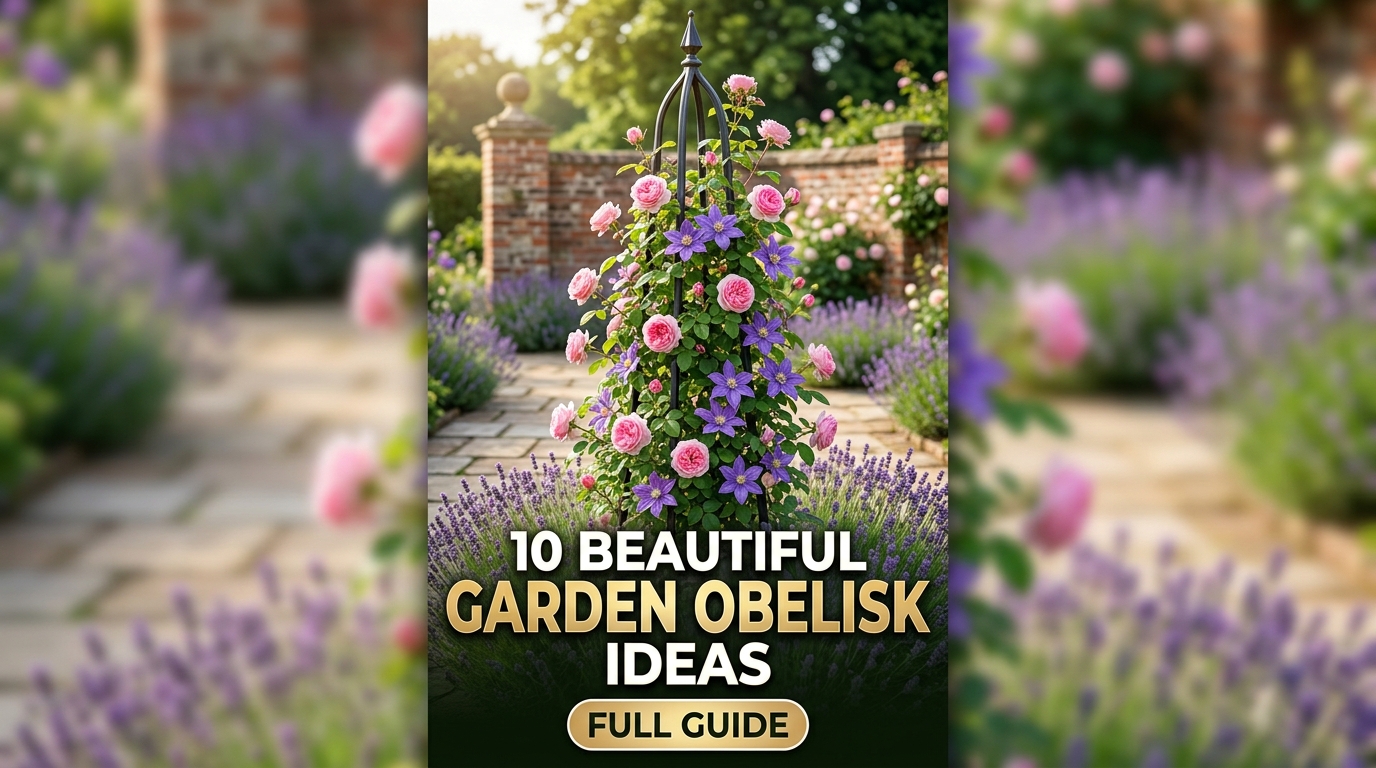
A garden obelisk is a tall, vertical garden structure used to support climbing plants such as roses, beans, clematis, and ivy. It is both a functional plant support and a decorative feature that adds height, structure, and elegance to garden spaces.
Garden obelisks are commonly used in flower beds, raised garden beds, patios, and landscape designs to create visual interest and vertical growing space.
What Is a Garden Obelisk?
A garden obelisk is typically a pyramid-shaped or tower-like frame made from wood, metal, or iron. It provides a vertical structure for plants to climb naturally.
Basic Features:
- Tall vertical structure
- Decorative top (often pointed or ornamental)
- Open frame for climbing plants
- Strong base for stability
Benefits of Using a Garden Obelisk
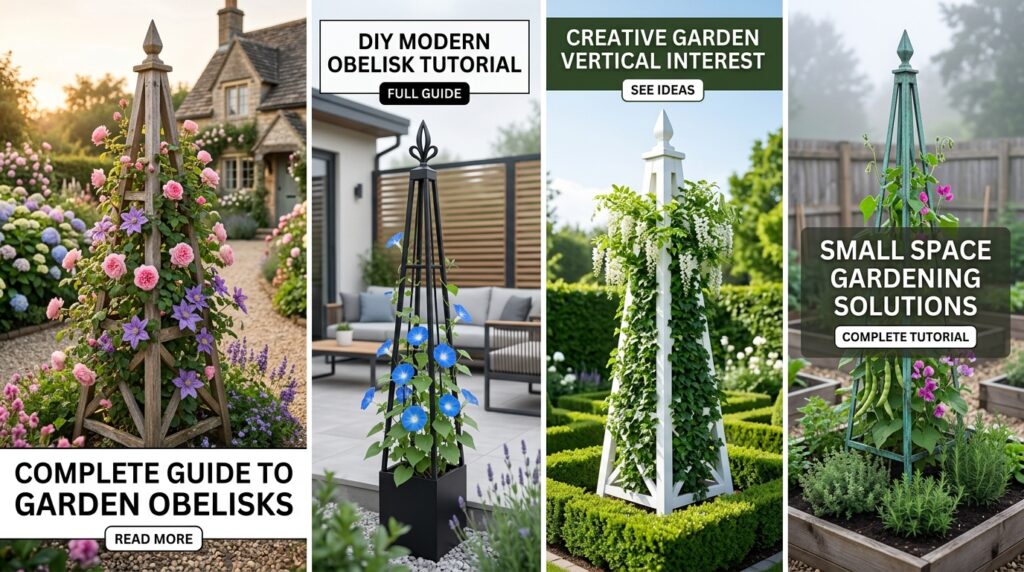
Adds Vertical Interest
Helps break up flat garden designs by adding height.
Supports Climbing Plants
Ideal for plants that grow upward.
Saves Space
Perfect for small gardens where horizontal space is limited.
Enhances Garden Design
Works as a focal point or decorative feature.
Improves Plant Health
Keeps plants off the ground, improving airflow and reducing disease.
Common Materials Used
Wooden Obelisks
- Natural and rustic appearance
- Blends well with cottage gardens
- Requires maintenance over time
Metal Obelisks
- Strong and durable
- Often powder-coated to prevent rust
- Suitable for modern gardens
Wrought Iron Obelisks
- Decorative and elegant
- Long-lasting and heavy-duty
- Ideal for formal garden designs
Best Plants for Garden Obelisks
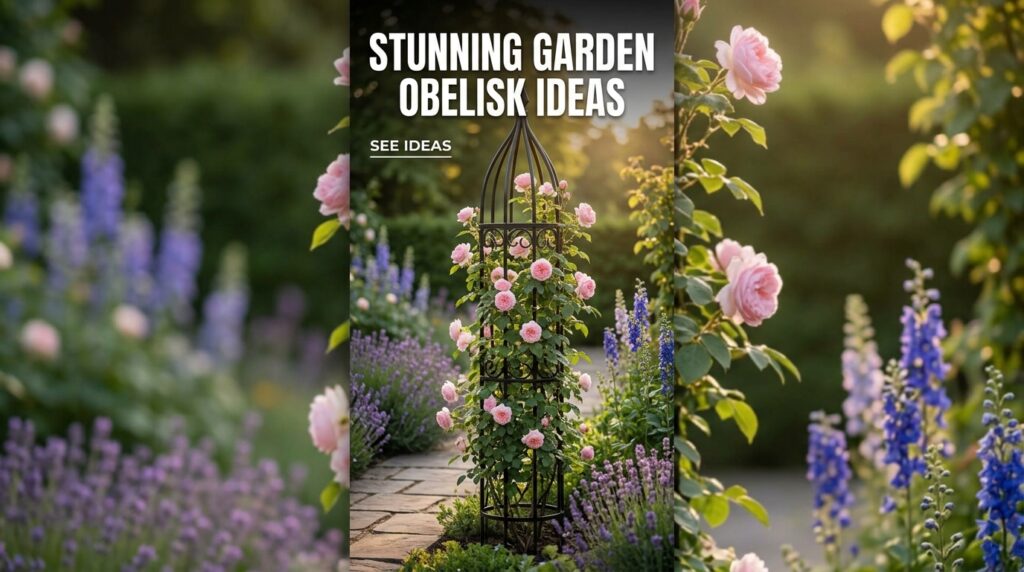
Flowering Climbers
- Roses
- Clematis
- Morning glory
- Sweet peas
- Honeysuckle
Edible Climbers
- Beans
- Peas
- Cucumbers
- Small squash varieties
Decorative Climbers
- Ivy
- Jasmine
- Passionflower
Garden Obelisk Design Ideas
1. Flower Bed Centerpiece
Place an obelisk in the middle of a flower bed to create a strong focal point.
2. Raised Bed Accent
Install obelisks in raised garden beds for vertical gardening.
3. Pathway Feature
Line garden paths with obelisks for a dramatic entrance effect.
4. Patio Decoration
Use decorative metal obelisks in pots on patios or balconies.
5. Cottage Garden Style
Combine obelisks with roses and flowering vines for a romantic look.
Garden Obelisk Shapes and Styles
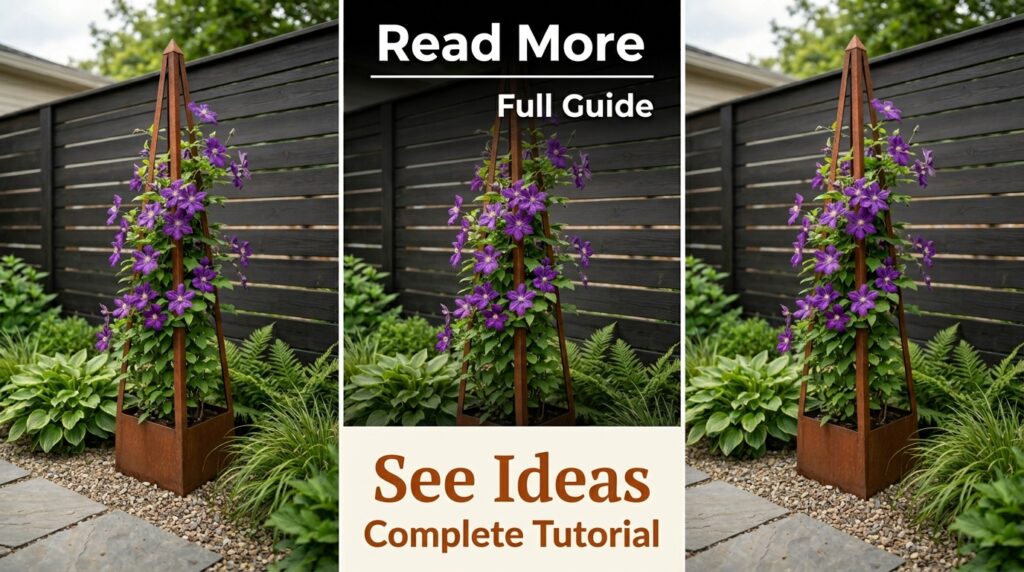
Classic Pyramid Shape
The most common design, narrow at the top and wide at the base.
Cylindrical Obelisk
Rounded structure, modern and minimal.
Ornamental Top Design
Includes decorative finials, spheres, or artistic tops.
Rustic Wooden Frame
Natural and handmade appearance for traditional gardens.
How to Use a Garden Obelisk
Step 1: Choose the Right Location
Select a sunny or partially shaded spot depending on plant needs.
Step 2: Secure the Base
Push or anchor the obelisk firmly into the soil or planter.
Step 3: Plant Climbing Plants
Plant near the base of the structure.
Step 4: Guide Growth
Gently train vines or stems onto the frame.
Step 5: Maintain Regularly
Prune and tie plants to maintain shape and direction.
Garden Obelisk in Small Gardens
Obelisks are especially useful in small spaces.
Benefits:
- Adds height without taking space
- Creates vertical greenery
- Works in pots and containers
- Enhances balcony gardens
Garden Obelisk in Landscape Design
In larger gardens, obelisks are used for:
- Symmetry in formal gardens
- Focal points in flower beds
- Pathway markers
- Structural balance in open spaces
Maintenance Tips
- Check stability regularly
- Clean metal surfaces to prevent rust
- Repaint wooden obelisks when needed
- Trim overgrown plants
- Tie vines gently to supports
Common Mistakes to Avoid
- Choosing weak materials for heavy climbers
- Not securing the base properly
- Overcrowding multiple plants
- Ignoring plant growth direction
- Using incorrect plant types
Why Garden Obelisks Are Popular
Garden obelisks are widely used because they:
- Add vertical beauty
- Support climbing plants effectively
- Fit in both small and large gardens
- Serve decorative and functional purposes
- Enhance overall landscape design
Conclusion
A garden obelisk is a stylish and practical garden structure that brings height, elegance, and structure to any outdoor space. Whether used for flowering vines, edible plants, or decorative greenery, it transforms simple garden beds into visually striking features.
With the right placement and plant selection, garden obelisks can become standout focal points that elevate the beauty and functionality of your entire garden.