
 By John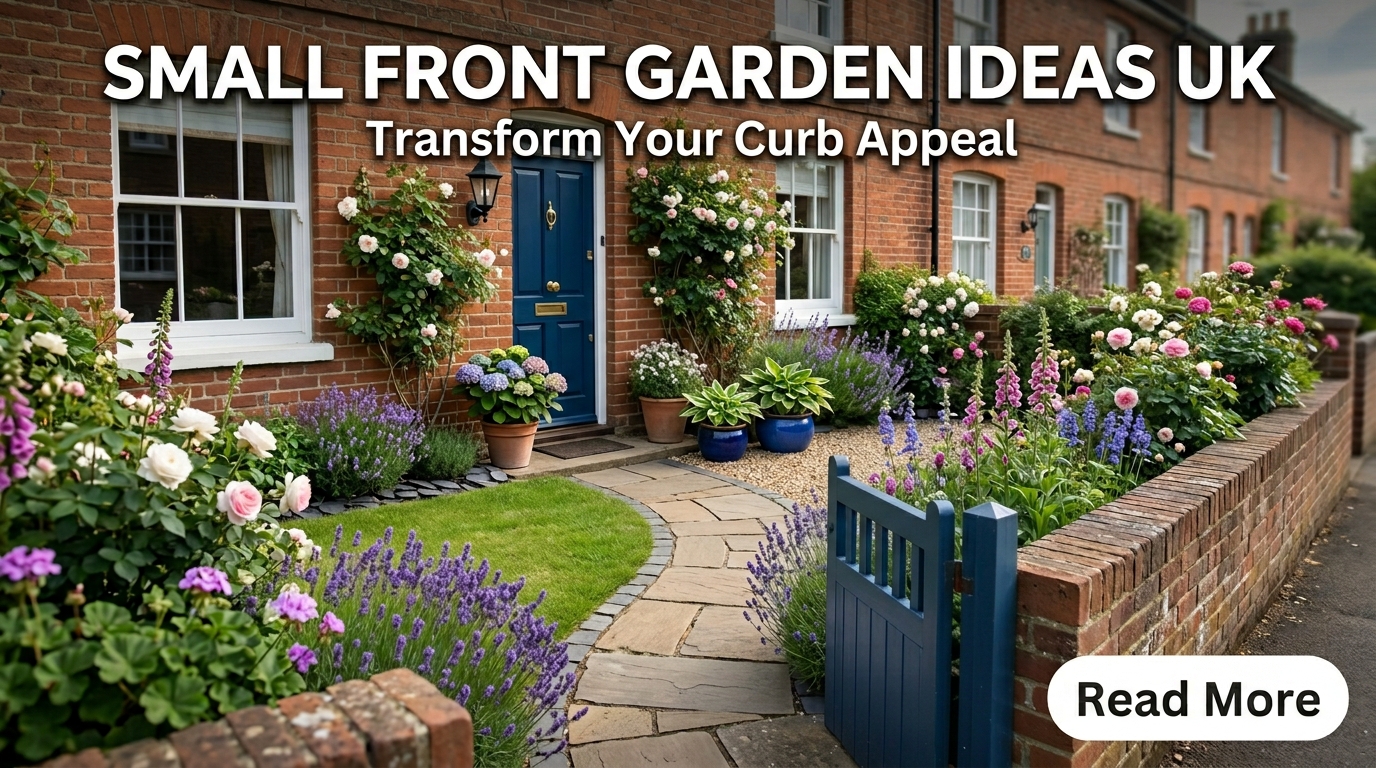
A small front garden in the UK plays a major role in the overall appearance of a home. It is the first thing visitors notice and often reflects the personality and style of the property. Even with limited space, a front garden can be transformed into a beautiful, practical, and low-maintenance outdoor area with the right planning and design choices.
Because UK weather conditions are often wet, cool, and unpredictable, front gardens need to be designed with durability, drainage, and year-round interest in mind. A successful small front garden balances structure, planting, and functionality while maintaining a clean and welcoming look.
This complete guide explores detailed small front garden ideas for UK homes, including layout styles, planting schemes, materials, and design strategies to help you create a visually appealing entrance regardless of space limitations.
Understanding Small Front Garden Design in the UK
Small front gardens in the UK typically face three main challenges. First is limited space, which requires smart use of every square metre. Second is weather conditions, which demand hardy plants and good drainage solutions. Third is maintenance, as most homeowners prefer low-effort gardens that look good throughout the year.
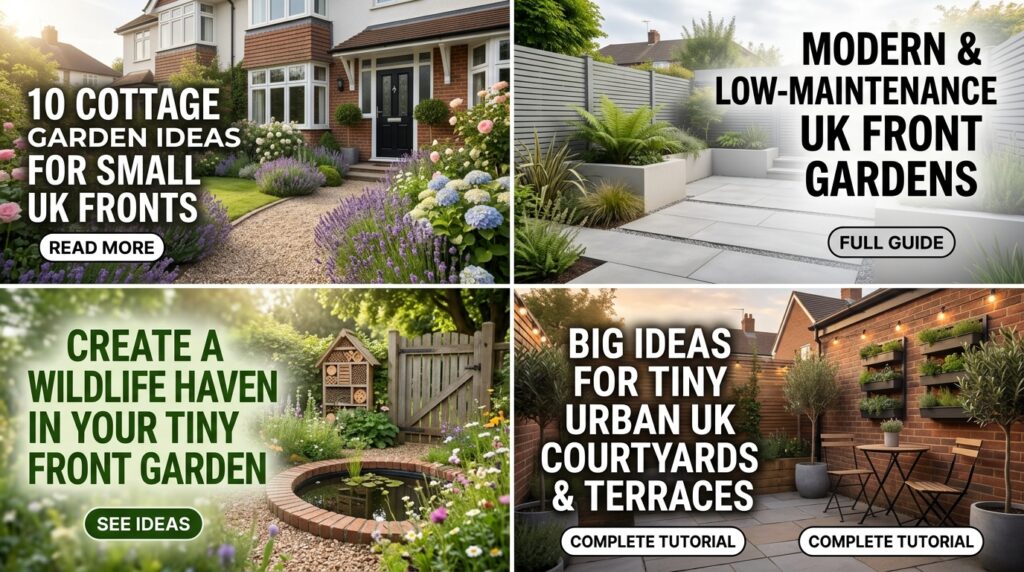
A well-designed front garden should achieve three key goals. It should improve curb appeal, remain practical for everyday use, and require minimal maintenance. Achieving these goals depends on choosing the right layout and materials.
The best small front gardens are simple, structured, and thoughtfully planted. Overcomplicated designs tend to make small spaces feel even smaller, so clarity and balance are essential.
Gravel Front Garden Design
Gravel is one of the most popular choices for small UK front gardens due to its affordability and practicality. It provides excellent drainage, which is especially important in rainy climates.
A gravel front garden works well because it reduces waterlogging and requires very little maintenance compared to grass. It also creates a clean and modern appearance that suits both contemporary and traditional homes.
To improve the design, gravel can be combined with stepping stones leading to the entrance door. This creates structure and helps guide movement through the space. Metal or brick edging can be used to keep gravel contained and visually neat.
Potted plants, ornamental grasses, or small shrubs can be added to soften the look and introduce natural colour. Gravel gardens are ideal for homeowners who want a simple yet attractive front space without ongoing upkeep.
Box Hedging and Structured Green Front Gardens
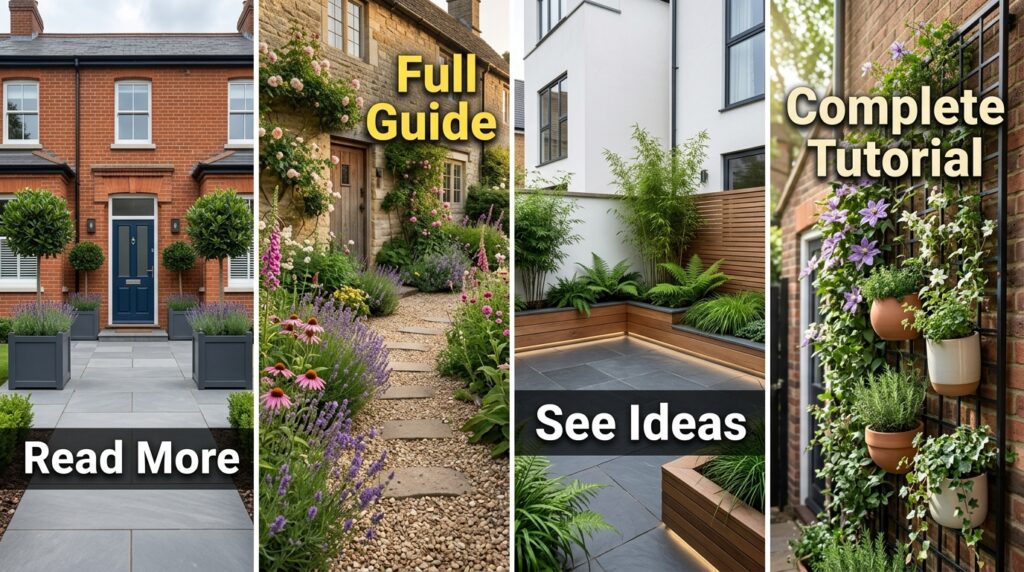
Box hedging is a classic feature in many British gardens. It provides structure, formality, and year-round greenery. In small front gardens, hedges are often used to define boundaries or create neat borders along pathways.
Boxwood hedges are especially popular because they can be trimmed into precise shapes and remain compact. This makes them perfect for small spaces where overgrowth must be controlled.
To soften the formal appearance, box hedges can be combined with lavender, small flowering plants, or seasonal bulbs. This creates a balanced look that blends structure with natural beauty.
Structured gardens are ideal for homeowners who prefer a tidy and elegant entrance with minimal visual clutter.
Cottage Style Small Front Gardens
The cottage garden style is one of the most charming and visually rich designs for front gardens. It is known for its informal planting, soft curves, and abundant flowers.
In a small UK front garden, the cottage style can be adapted by using compact flower beds and carefully selected plants that do not overwhelm the space. Instead of rigid structure, this design focuses on natural flow and seasonal colour.
Common plants include roses, lavender, foxgloves, hydrangeas, and daisies. These plants provide texture and colour throughout the year.
Pathways in cottage gardens are often made from gravel or stone, sometimes with curved edges to create a more natural feel. This style works especially well for older or traditional homes where a welcoming and relaxed atmosphere is desired.
Modern Minimalist Front Garden Design
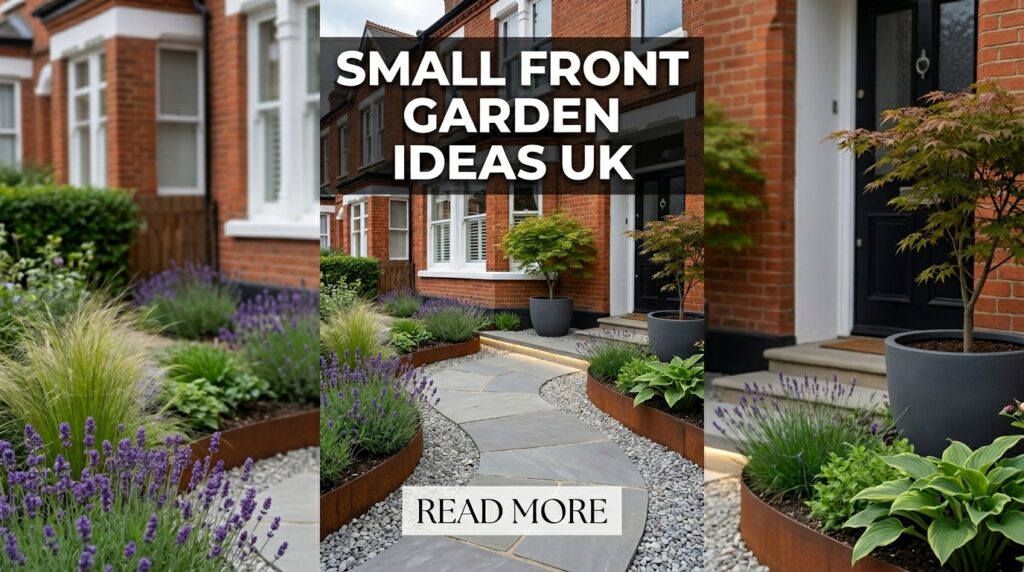
Modern front gardens focus on simplicity, clean lines, and low maintenance. This design style is becoming increasingly popular in UK homes due to its neat appearance and practicality.
A modern minimalist garden typically uses materials such as concrete slabs, smooth stone, and straight-edged paving. Plant selection is limited but carefully chosen to create impact without clutter.
Common plants include ornamental grasses, boxwood, and small evergreen shrubs. Olive trees in large pots are also popular for adding architectural interest.
This style works particularly well for new-build homes or properties with contemporary architecture. It creates a sleek and stylish entrance with minimal effort required to maintain it.
Potted and Container Front Gardens
For very small or paved front areas, container gardening is an excellent solution. It allows flexibility and creativity without the need for digging or permanent planting beds.
Pots can be arranged in different sizes and heights to create layers and visual interest. Large ceramic pots are often used as focal points, while smaller containers fill gaps and add detail.
This method is especially useful for renters or homeowners who want to frequently change their garden style. Seasonal plants can be rotated easily, allowing the front garden to look fresh throughout the year.
Hanging baskets and wall-mounted planters can also be used to maximise vertical space in extremely small areas.
Lawn and Path Combination Gardens
A traditional UK front garden often includes a small lawn area combined with a pathway leading to the front door. This design is simple but effective when properly maintained.
The pathway is usually central or slightly off-centre and can be made from brick, gravel, or natural stone depending on the style of the home.
Flower borders along the edges of the lawn help soften the layout and add seasonal colour. This design works well for family homes and properties with a slightly larger front garden.
However, lawns do require regular maintenance, so artificial grass or reduced lawn areas are sometimes used as modern alternatives.
Wildlife-Friendly Front Gardens
Wildlife-friendly gardens are becoming increasingly popular across the UK due to environmental awareness. These gardens are designed to support bees, butterflies, and birds while still maintaining an attractive appearance.
Wildflowers are a key component of this design style. Plants such as lavender, marigolds, foxgloves, and clover attract pollinators and provide natural colour.
Instead of overly structured layouts, wildlife gardens often use more natural planting patterns. Gravel paths or simple stepping stones can still be included to maintain functionality.
This style not only benefits biodiversity but also creates a relaxed and natural-looking front garden.
Best Plants for Small UK Front Gardens
Plant selection is one of the most important aspects of front garden design. The UK climate requires hardy plants that can withstand rain, wind, and seasonal changes.
Evergreen plants such as boxwood, holly, and yew are commonly used because they provide structure throughout the year. Flowering plants like roses, lavender, and hydrangeas add colour and fragrance.
For low-maintenance options, ornamental grasses, sedum, and heuchera are excellent choices. These plants require minimal care while still adding texture and visual interest.
Choosing a combination of evergreen and seasonal plants ensures that the garden looks attractive in every season.
Pathway Design Ideas
Pathways are essential in small front gardens because they guide movement and define structure. The choice of material can significantly affect the overall appearance.
Brick paths create a traditional British look and suit older properties. Gravel paths are more informal and cost-effective, while stone slab paths provide a modern and elegant finish.
In very small spaces, diagonal or curved pathways can create the illusion of more space and reduce the feeling of narrowness.
Fencing and Boundary Treatments
Boundaries are another important design element. Low brick walls are durable and provide a classic appearance. Wooden fences offer a natural and warm look that suits many home styles.
Hedges are a softer alternative and blend seamlessly into garden design. They also provide privacy and greenery throughout the year.
Choosing the right boundary depends on the architectural style of the home and the level of maintenance desired.
Lighting in Small Front Gardens
Lighting enhances both safety and aesthetics. Solar-powered path lights are a simple and energy-efficient option for illuminating walkways.
Wall-mounted lanterns near the entrance create a welcoming atmosphere. Uplighting can be used to highlight trees, hedges, or architectural features, adding depth to the garden at night.
Good lighting design ensures the front garden remains attractive and functional even after sunset.
Common Design Mistakes to Avoid
One of the most common mistakes in small front gardens is overcrowding. Too many plants or decorative elements can make the space feel chaotic and smaller than it is.
Poor drainage is another issue, especially in the UK climate. Without proper drainage, water can accumulate and damage plants or pathways.
Using too many different materials can also create visual confusion. A consistent design approach is more effective in small spaces.
Finally, lack of structure or planning can result in a disorganised appearance. A clear layout is essential for success.
Conclusion
A small front garden in the UK has the potential to be both beautiful and practical when designed thoughtfully. By choosing suitable plants, using durable materials, and keeping the layout simple, even the smallest space can be transformed into an attractive entrance.
Whether you prefer a modern minimalist look, a traditional cottage style, or a wildlife-friendly design, the key is balance, structure, and low maintenance planning. With the right approach, your front garden can significantly enhance the curb appeal and overall value of your home while remaining easy to care for throughout the year.