
 By John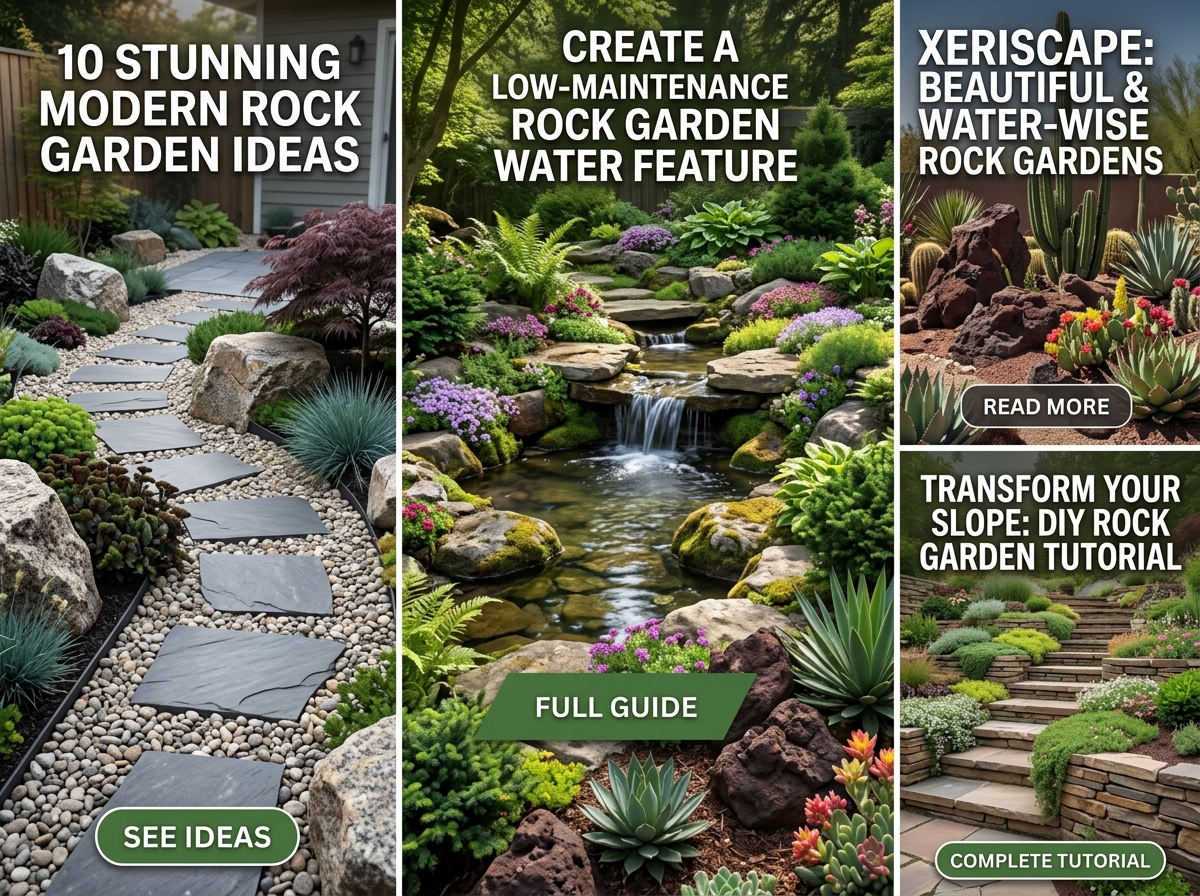
Rock garden landscaping is one of the most attractive and practical ways to enhance outdoor spaces. By combining natural stone, gravel, boulders, and carefully selected plants, homeowners can create stunning landscapes that require less water, less maintenance, and provide year-round visual appeal.
Whether you have a small front yard, a sloped backyard, or a large outdoor space, rock garden landscaping offers endless design possibilities. From modern minimalist designs to natural mountain-inspired landscapes, rock gardens can transform ordinary yards into extraordinary outdoor retreats.
What Is Rock Garden Landscaping?
Rock garden landscaping is a landscaping style that uses rocks, stones, gravel, and drought-tolerant plants to create a natural-looking garden. Inspired by mountainous environments and rocky terrain, these gardens focus on texture, structure, and simplicity.
Unlike traditional gardens that rely heavily on lawns and flower beds, rock gardens use stone as a primary design element, making them both decorative and functional.
Common elements include:
- Decorative boulders
- River rocks
- Gravel pathways
- Ground cover plants
- Succulents
- Ornamental grasses
- Alpine plants
- Drought-resistant shrubs
Benefits of Rock Garden Landscaping

Low Maintenance
One of the biggest advantages of rock gardens is their low-maintenance nature. Since they require less mowing, pruning, and watering, they are ideal for busy homeowners.
Water Conservation
Rock gardens are perfect for dry climates because they rely on drought-tolerant plants and minimal irrigation.
Year-Round Beauty
While flowers bloom seasonally, rocks provide structure and visual interest throughout the year.
Improved Drainage
Stone and gravel help improve soil drainage, reducing waterlogging and root problems.
Versatile Design Options
Rock gardens work well in both modern and traditional landscapes.
Types of Rock Garden Landscaping
Alpine Rock Garden
Inspired by mountain landscapes, alpine gardens feature small rocks, gravel, and hardy alpine plants.
Popular plants include:
- Sedum
- Saxifrage
- Alpine asters
- Dianthus
Desert Rock Garden
Ideal for warm climates, desert-style rock gardens use cacti, succulents, and gravel.
Key features include:
- Decorative boulders
- Sand-colored gravel
- Agave
- Aloe
- Cactus varieties
Modern Rock Garden
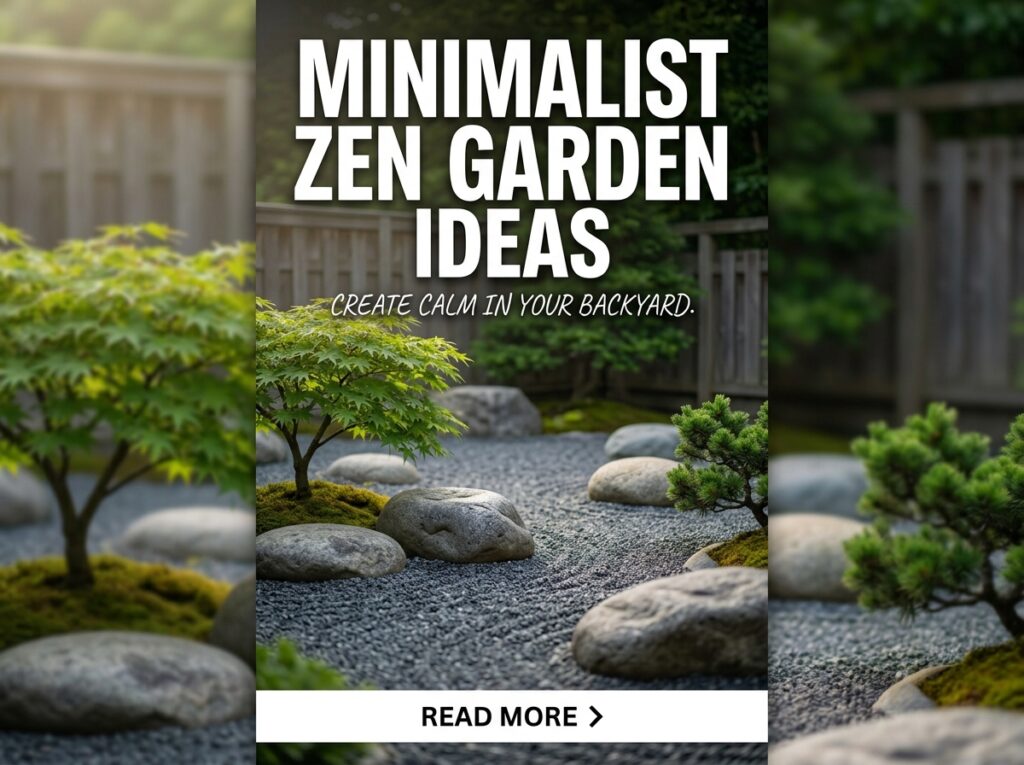
Modern rock gardens focus on clean lines and minimalist design.
Common elements include:
- Geometric layouts
- Large stone slabs
- Ornamental grasses
- Neutral color palettes
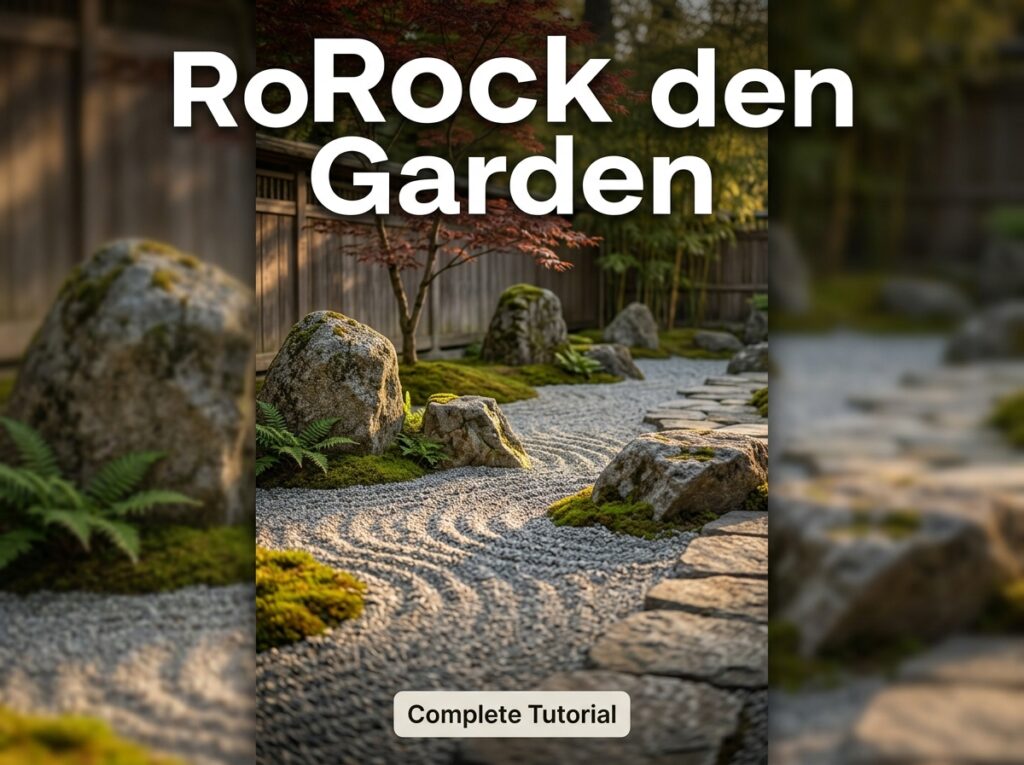
Japanese Rock Garden
Japanese-inspired landscapes emphasize simplicity and tranquility.
Features often include:
- Carefully placed stones
- Gravel patterns
- Moss
- Small water features
- Minimal planting
Best Plants for Rock Garden Landscaping
Selecting the right plants is essential for creating a successful rock garden.
Succulents
Succulents thrive in rocky environments and require minimal water.
Popular options:
- Echeveria
- Sedum
- Sempervivum
Ornamental Grasses
Grasses add movement and texture.
Examples include:
- Blue fescue
- Fountain grass
- Feather reed grass
Ground Covers
Ground covers help soften rocky areas.
Excellent choices:
- Creeping thyme
- Moss phlox
- Ice plant
Evergreen Shrubs
Provide year-round structure.
Examples:
- Juniper
- Dwarf pine
- Boxwood
Flowering Perennials
Add seasonal color.
Popular varieties:
- Lavender
- Coneflower
- Black-eyed Susan
- Salvia
Rock Garden Landscaping Ideas
Create a Focal Point
Use a large decorative boulder as the centerpiece of the garden.
Layer Different Rock Sizes
Combining large boulders with medium stones and gravel creates a natural appearance.
Add Curved Pathways
Curved gravel or stepping stone paths improve visual flow.
Use Multiple Levels
Terraced rock gardens work especially well on sloped properties.
Incorporate Water Features
Small fountains or ponds add movement and contrast to stone elements.
Front Yard Rock Garden Landscaping
Front yard rock gardens are increasingly popular because they offer curb appeal with less maintenance than traditional lawns.
Ideas include:
- Decorative gravel beds
- Flowering shrubs
- Stone borders
- Drought-resistant plants
- Accent boulders
A well-designed front yard rock garden can make a strong first impression while reducing maintenance costs.
Backyard Rock Garden Landscaping
Backyard rock gardens create peaceful outdoor retreats.
Popular features include:
- Seating areas
- Fire pits
- Waterfalls
- Decorative pathways
- Mixed plantings
Combining stone with outdoor living areas creates a balanced and inviting landscape.
Rock Garden Landscaping for Slopes
Sloped yards are perfect for rock gardens because rocks help prevent soil erosion.
Effective solutions include:
- Terraced planting beds
- Retaining walls
- Cascading plants
- Decorative stone stairways
These features improve both appearance and functionality.
DIY Rock Garden Landscaping
Creating a rock garden can be a rewarding DIY project.
Step 1: Choose the Location
Select an area with good drainage and adequate sunlight.
Step 2: Plan the Design
Sketch the layout, including pathways, rocks, and planting zones.
Step 3: Prepare the Soil
Remove weeds and improve drainage if necessary.
Step 4: Place Large Rocks First
Position boulders before adding smaller stones.
Step 5: Add Plants
Install drought-tolerant plants around rocks and pathways.
Step 6: Apply Gravel or Mulch
Finish with decorative gravel for a polished look.
Common Mistakes to Avoid
Using Too Many Rock Types
Limit materials to maintain a cohesive appearance.
Overcrowding Plants
Allow room for mature growth.
Ignoring Scale
Choose rock sizes that fit the space.
Poor Drainage Planning
Proper drainage is critical for plant health.
Random Rock Placement
Arrange stones naturally rather than evenly spacing them.
Rock Garden Maintenance Tips
Although low maintenance, rock gardens still need occasional care.
- Remove weeds regularly
- Trim plants when necessary
- Refresh gravel every few years
- Inspect drainage after heavy rain
- Replace damaged plants promptly
Proper maintenance keeps the garden attractive year-round.
Why Rock Garden Landscaping Is Trending
Rock garden landscaping has become increasingly popular because it supports sustainable gardening practices while delivering exceptional visual appeal.
Homeowners appreciate:
- Lower water usage
- Reduced maintenance
- Modern aesthetics
- Environmental benefits
- Long-lasting beauty
As more people seek practical and eco-friendly landscaping solutions, rock gardens continue to grow in popularity.
Conclusion
Rock garden landscaping is a timeless and versatile approach to outdoor design. By combining natural stone, gravel, and carefully selected plants, you can create a beautiful landscape that requires less maintenance while providing year-round interest.
Whether you choose a modern minimalist design, a colorful alpine garden, or a natural desert-inspired landscape, a well-planned rock garden can dramatically enhance the beauty and functionality of your outdoor space. With thoughtful design and proper plant selection, your rock garden can become a stunning focal point that lasts for years to come.