
 By John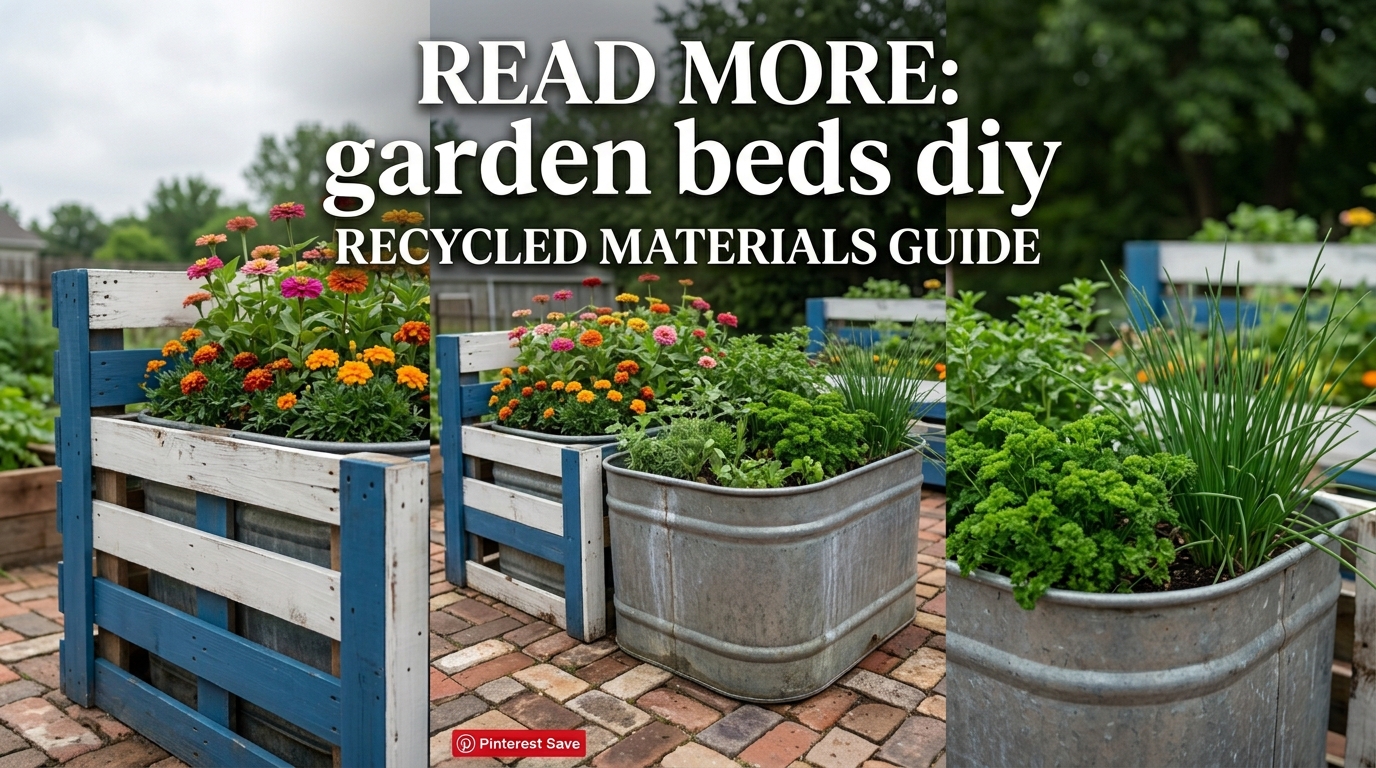
Creating raised garden beds DIY style is one of the easiest and most effective ways to build an organized, productive, and attractive garden. Raised beds improve soil control, make planting easier, reduce weeds, and create a clean layout that works for vegetables, herbs, flowers, and decorative landscaping.
Whether you have a large backyard, a compact patio, or a small outdoor area, DIY raised garden beds can transform your gardening space into a beautiful and functional outdoor retreat. From simple wooden frames to modern elevated designs, raised beds offer endless possibilities for creative gardening.
In this guide, you’ll discover everything about DIY raised garden beds, including materials, layouts, construction ideas, planting inspiration, and decorating tips.
What Are Raised Garden Beds?
Raised garden beds are planting areas built above ground level and enclosed with borders or frames.
Raised garden beds often include:
- Wooden frames
- Metal beds
- Stone borders
- Elevated planters
- Vegetable sections
- Herb gardens
- Decorative edging
- Irrigation systems
- Pathways
The goal is to create organized planting areas with improved growing conditions.
Benefits of DIY Raised Garden Beds
1. Better Soil Control
Raised beds allow customized soil quality.
2. Improved Drainage
Water drains more efficiently than traditional planting.
3. Easier Maintenance
Reduced bending and simpler garden care.
4. Cleaner Garden Appearance
Creates neat and structured outdoor spaces.
5. Supports Healthier Plant Growth
Improved conditions encourage stronger plants.
Best Materials for DIY Raised Garden Beds
1. Wooden Raised Beds
Wood remains one of the most popular choices.
Benefits:
- Affordable
- Natural appearance
- Easy to build
- Versatile design
2. Metal Raised Beds
Modern and durable option.
Features:
- Long-lasting
- Sleek appearance
- Weather resistant
3. Stone Raised Beds
Classic and elegant landscaping choice.
Benefits:
- Durable
- Timeless style
- Strong structure
4. Brick Raised Beds
Traditional and decorative.
Features:
- Permanent design
- Beautiful texture
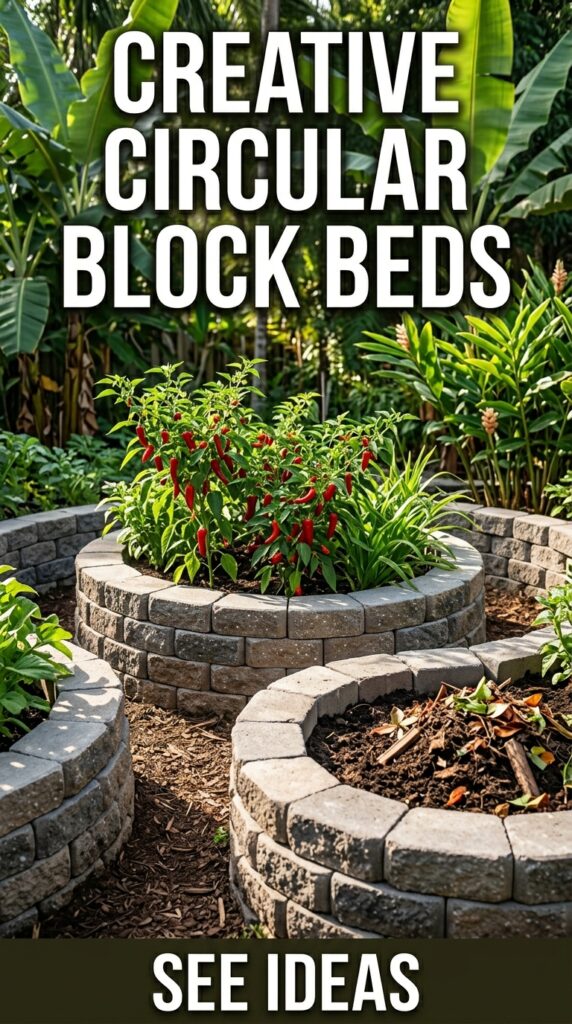
5. Concrete Block Beds
Strong and practical solution.
How to Build DIY Raised Garden Beds
Step 1: Choose a Location
Select an area with suitable sunlight.
Consider:
- Sun exposure
- Water access
- Drainage
- Available space
Step 2: Decide Bed Size
Keep beds accessible from all sides.
Common Sizes:
- Narrow beds for easy reach
- Medium beds for mixed planting
- Long beds for larger gardens
Step 3: Build the Frame
Assemble chosen materials securely.
Basic Components:
- Side panels
- Corner supports
- Ground preparation
Step 4: Add Soil Layers
Use rich planting soil.
Suggested Layers:
- Organic matter
- Garden soil
- Compost
- Mulch
Step 5: Plant and Decorate
Choose suitable plants and accessories.
Best Raised Garden Bed Styles
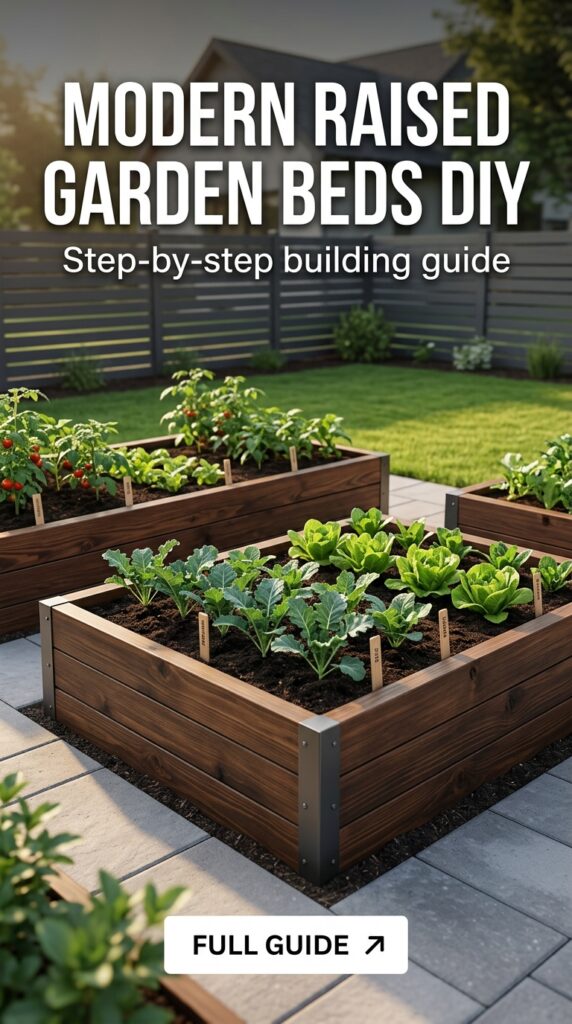
1. Modern Raised Garden Beds
Clean lines and structured planting.
Features:
- Neutral finishes
- Minimal design
- Geometric shapes
2. Rustic Raised Garden Beds
Natural and relaxed appearance.
Include:
- Wood textures
- Gravel paths
- Cottage planting
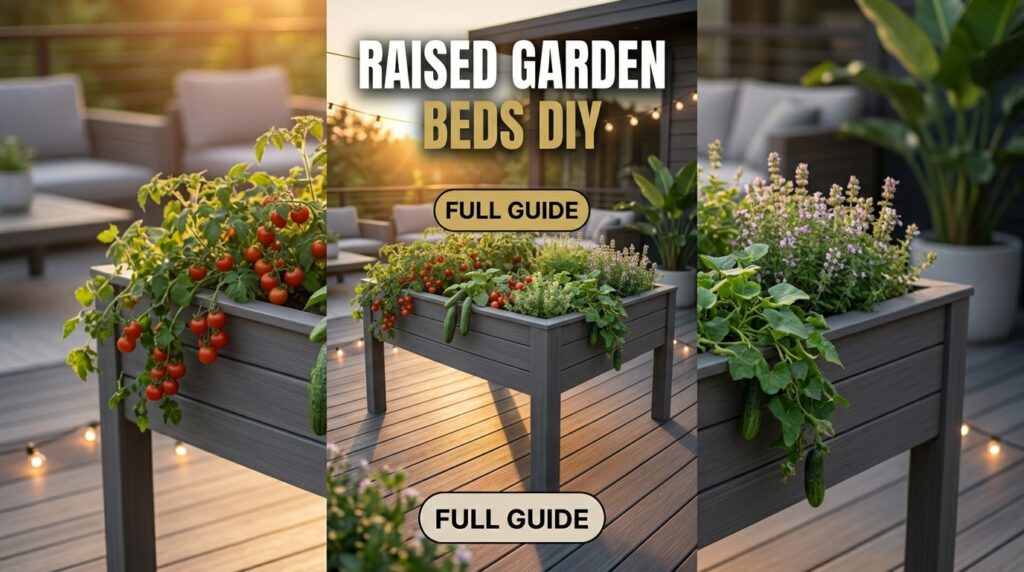
3. Elevated Raised Beds
Comfortable gardening with easier access.
Benefits:
- Reduced bending
- Compact footprint
4. Tiered Raised Beds
Adds depth and visual interest.
Ideal For:
- Small gardens
- Decorative planting
5. Vertical Raised Beds
Perfect for limited spaces.
Include:
- Trellises
- Climbing plants
- Layered containers
Vegetable Raised Garden Bed Ideas
Raised beds are excellent for growing food.
Tomato Beds
Support productive harvests.
Herb Garden Beds
Compact and practical.
Salad Garden Layout
Grow leafy greens efficiently.
Mixed Vegetable Beds
Combine multiple crops together.
Flower Raised Garden Bed Ideas
Raised beds work beautifully for ornamental gardens.
Cottage Flower Beds
Layer colorful blooms.
Modern Flower Layout
Use structured planting.
Seasonal Flower Displays
Rotate colors throughout the year.
Pollinator Gardens
Support bees and butterflies.
Small Space Raised Garden Ideas
Compact gardens benefit from raised planting.
Balcony Raised Beds
Perfect for urban living.
Patio Raised Gardens
Flexible and attractive.
Corner Raised Beds
Maximize unused space.
Narrow Garden Layout
Ideal for side yards.
Raised Garden Bed Pathway Ideas
Pathways improve organization.
Gravel Paths
Affordable and low maintenance.
Stone Walkways
Elegant appearance.
Brick Paths
Traditional style.
Wooden Paths
Warm natural look.
Watering Ideas for Raised Garden Beds
Efficient watering supports healthy growth.
Drip Irrigation
Water-saving solution.
Soaker Hoses
Even moisture distribution.
Watering Cans
Simple and practical.
Rainwater Collection
Sustainable watering option.
DIY Raised Garden Bed Decor Ideas
Decorative details improve appearance.
Garden Labels
Organized and charming.
Decorative Borders
Define planting areas.
Trellis Structures
Add height and support.
Outdoor Lighting
Create evening atmosphere.
Seasonal Raised Garden Bed Ideas
Spring Garden Beds
Prepare for fresh growth.
Summer Planting
Focus on vegetables and flowers.
Autumn Beds
Plant seasonal color.
Winter Raised Beds
Protect soil and structure.
Low Maintenance Raised Garden Bed Ideas
Simple features reduce work.
Best Features:
- Mulching
- Drip irrigation
- Native plants
- Perennial planting
- Easy-access layouts
These help maintain healthy gardens.
Common Mistakes to Avoid
Making Beds Too Wide
Keep planting areas easy to reach.
Poor Drainage
Ensure excess water can escape.
Overcrowding Plants
Allow room for growth.
Choosing Weak Materials
Build strong long-lasting frames.
Why DIY Raised Garden Beds Are Trending
Raised garden beds continue to grow in popularity because they support:
- Organized gardening
- Better harvests
- Space-saving design
- Easier maintenance
- Stylish outdoor spaces
People enjoy combining productivity with attractive landscaping.
Conclusion
Building raised garden beds DIY style is one of the best ways to create an organized, productive, and beautiful garden. Whether you prefer modern metal beds, rustic wooden frames, decorative flower beds, or edible vegetable gardens, raised beds offer flexibility and long-term gardening success.
By combining quality materials, smart layouts, healthy soil, pathways, watering systems, and decorative accents, you can design raised garden beds that feel functional, attractive, and enjoyable throughout every season.