 By John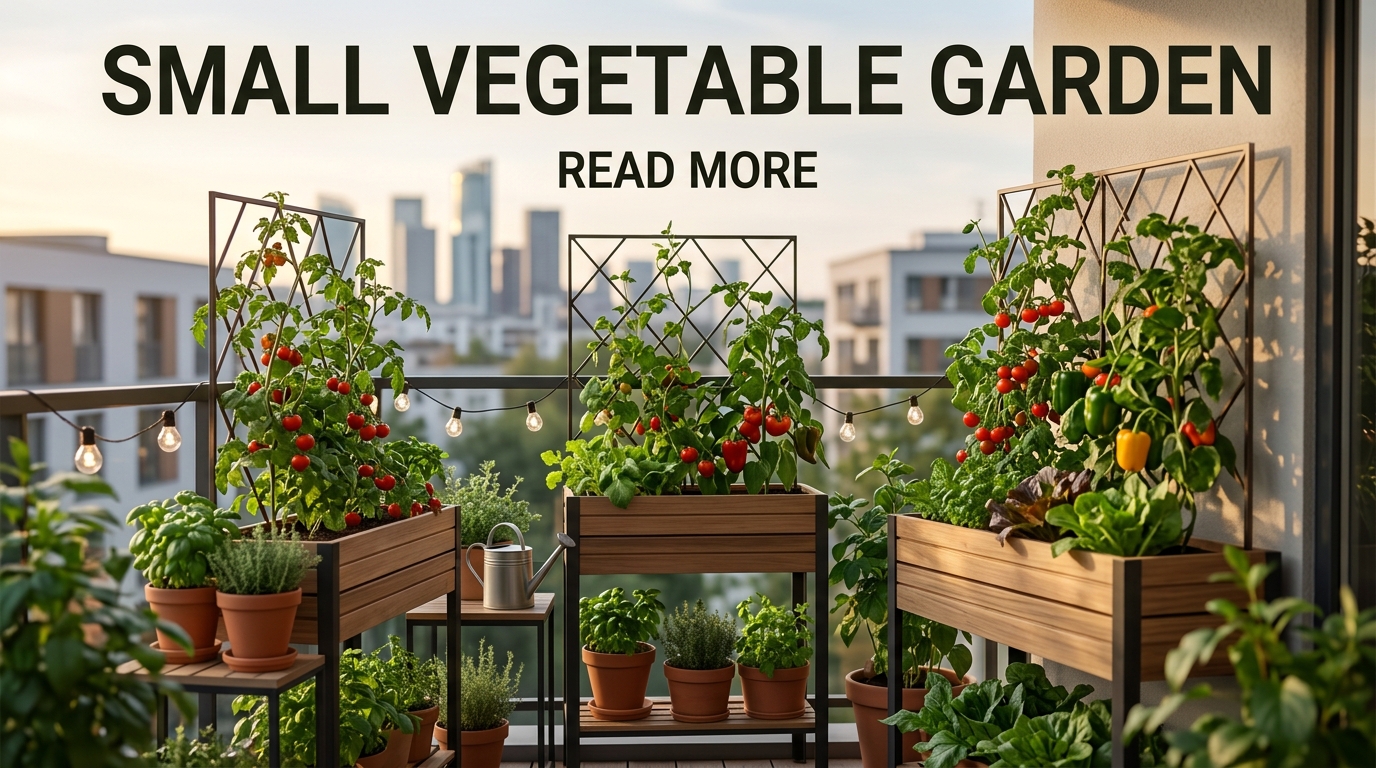
A small vegetable garden can provide fresh, healthy produce even when you have limited outdoor space. Whether you have a tiny backyard, patio, balcony, side yard, or courtyard, thoughtful planning can help you grow a surprising variety of vegetables in a compact area.
The key to a successful small vegetable garden is using space efficiently. Raised beds, containers, vertical supports, hanging planters, succession planting, and companion planting can turn even a small area into a productive growing space. With the right layout and vegetable choices, you can enjoy fresh tomatoes, lettuce, herbs, peppers, carrots, cucumbers, and more throughout the growing season.
1. Create a Compact Raised Bed
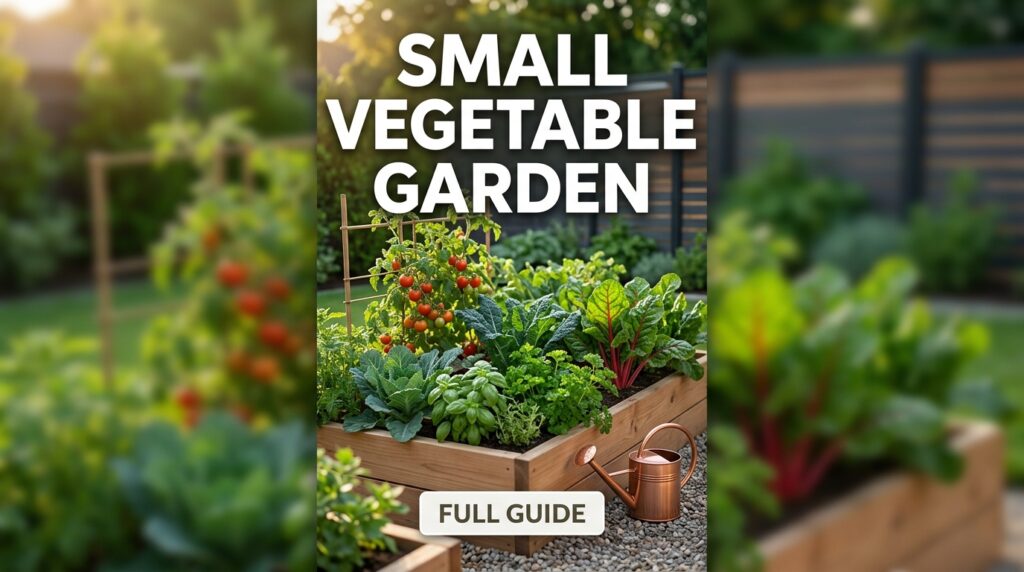
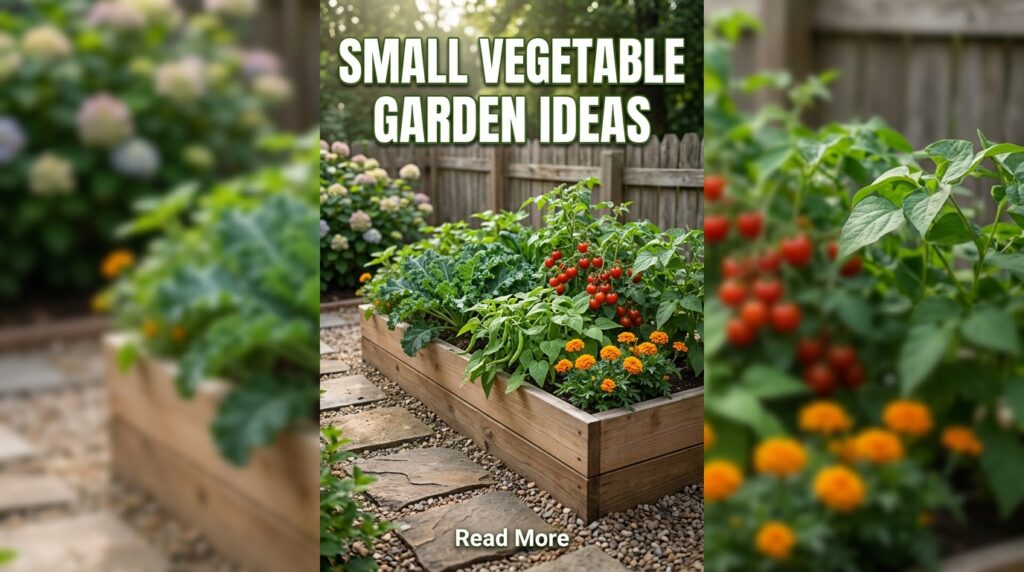
A raised bed is one of the easiest ways to organize a small vegetable garden. Choose a narrow rectangular design that allows you to reach the center without stepping into the soil. Fill it with quality soil and divide the space into sections for different vegetables.
2. Try a Square Foot Vegetable Garden
Square-foot gardening is ideal for small spaces because it divides the growing area into manageable sections. Each square can hold a specific crop according to its mature size. This approach helps prevent wasted space while keeping the garden neat and organized.
3. Use Vertical Gardening
Grow upward instead of outward when ground space is limited. Trellises, arches, fences, and wall-mounted planters can support cucumbers, peas, beans, and climbing tomatoes. Vertical gardening can significantly increase your growing capacity without requiring a larger garden footprint.
4. Grow Vegetables in Containers
Containers are perfect for patios, balconies, decks, and tiny yards. Use pots, buckets, troughs, or decorative planters with good drainage. Tomatoes, peppers, lettuce, radishes, carrots, and herbs can all work well in suitable containers.
5. Build a Narrow Vegetable Bed
A narrow garden bed can fit beautifully along a fence, wall, walkway, or house. Keep the bed shallow enough that every plant is easy to reach. This is especially useful for homeowners who have long but narrow outdoor spaces.
6. Add a Trellis for Cucumbers
Cucumbers can take up considerable ground space when allowed to spread. A sturdy trellis encourages the vines to grow vertically, leaving more soil available for lettuce, radishes, herbs, or other compact crops.
7. Grow Compact Tomato Varieties
Tomatoes are popular in vegetable gardens, but some varieties require significant space. For a small garden, consider compact or determinate varieties and support them with cages or stakes to keep plants upright.
8. Create a Patio Vegetable Garden
A sunny patio can become a productive growing area. Arrange vegetables in attractive containers of different sizes and heights. Grouping planters together also makes watering and maintenance easier.
9. Use Hanging Planters
Hanging baskets can provide additional growing space above ground level. Leafy greens, strawberries, compact tomatoes, and herbs can work well in hanging containers when they receive enough sunlight.
10. Grow a Salad Garden
If your garden is very small, concentrate on crops that can provide frequent harvests. Lettuce, spinach, arugula, radishes, and other leafy greens can produce useful amounts of food without requiring a large planting area.
11. Add a Small Herb Section
Reserve one corner for herbs such as basil, parsley, cilantro, chives, thyme, and oregano. Herbs require relatively little space and can make your vegetable garden more useful for everyday cooking.
12. Make a Keyhole Garden
A keyhole-style layout creates a compact circular planting area with a small access path leading toward the center. It allows you to reach many plants without walking through the growing space and can work especially well in small backyards.
13. Use Tiered Planters
Tiered planters create several growing levels within a small footprint. Plant taller vegetables toward the back and smaller crops toward the front. This arrangement also adds visual interest to a patio or courtyard.
14. Turn a Fence Into a Growing Space
A sunny fence can become part of your vegetable garden. Attach trellises, planters, or support wires to the fence and use the vertical surface for climbing vegetables and herbs.
15. Grow Radishes
Radishes are excellent for small vegetable gardens because they mature relatively quickly and do not need much space. Plant them between larger crops or in small containers for efficient use of available soil.
16. Plant Carrots in Deep Containers
Carrots do not need a wide planting area, but they need enough soil depth for their roots. A deep container can provide an excellent growing environment while allowing you to place the garden almost anywhere with adequate sunlight.
17. Try Succession Planting
Succession planting means replacing harvested crops with new ones throughout the growing season. Once lettuce or radishes are finished, plant another crop in the same space instead of leaving the soil unused.
18. Combine Fast and Slow Crops
Mix vegetables with different growing speeds to make better use of your space. Fast-growing radishes and leafy greens can be harvested while slower crops continue developing.
19. Create a Small Corner Garden
An unused backyard corner can become a productive vegetable garden. Use a triangular, L-shaped, or curved layout rather than forcing the garden into a traditional rectangle.
20. Grow Beans Vertically
Climbing beans can produce a generous harvest from a relatively small ground area. Install a sturdy trellis, teepee, or arch and train the vines upward as they grow.
21. Use an L-Shaped Garden Bed
An L-shaped vegetable bed can make excellent use of corners while keeping the center of the yard open. It is particularly useful beside patios, fences, sheds, or exterior walls.
22. Create a Small Kitchen Garden
Place frequently used vegetables and herbs close to the kitchen if possible. Basil, parsley, lettuce, tomatoes, peppers, and chives can be convenient choices for a compact kitchen garden.
23. Grow Peppers in Pots
Peppers are well suited to container gardening. Place pots somewhere they receive plenty of sunlight and choose containers with adequate drainage. Several pepper plants can create a productive mini garden without requiring a large bed.
24. Use Companion Planting
Companion planting allows compatible crops to share space. Combining vegetables, herbs, and flowers can help create a diverse garden while making efficient use of limited planting areas.
25. Add Edible Flowers
Flowers such as nasturtiums can bring color and personality to a small vegetable garden. Some edible flowers can also be incorporated into salads and other dishes, making the garden both attractive and productive.
26. Build a Mini Greenhouse
A compact greenhouse or cold frame can extend the growing season and protect young plants. Even a small structure can be useful when garden space is limited.
27. Grow Vegetables in Recycled Containers
Old buckets, wooden crates, tubs, and other suitable containers can become vegetable planters. Always make sure containers are clean, safe for growing food, and have adequate drainage.
28. Use a Garden Arch
A garden arch can serve as both a decorative feature and a vertical growing structure. Train beans, cucumbers, peas, or other climbing plants over the arch to create an attractive edible entrance.
29. Create a Balcony Vegetable Garden
A sunny balcony can support a surprising number of edible plants. Use lightweight containers, railing planters, vertical shelves, and hanging baskets while keeping the overall arrangement easy to access.
30. Grow Microgreens
Microgreens require very little space and can be grown in shallow trays. They are particularly useful for gardeners who have only a windowsill, balcony, or very small patio.
31. Use Mobile Planters
Containers with wheels make it easier to move plants according to sunlight, weather, or seasonal needs. Mobile planters are especially useful on patios and decks.
32. Keep Pathways Narrow
In a tiny garden, wide pathways can consume valuable growing space. Use stepping stones or narrow paths that provide comfortable access while maximizing the amount of land available for vegetables.
33. Choose High-Yield Crops
When space is limited, prioritize vegetables that provide multiple harvests or produce generously over the growing season. Tomatoes, peppers, beans, cucumbers, leafy greens, and herbs can be useful choices depending on your climate.
34. Make the Garden Decorative
A small vegetable garden does not have to look purely functional. Add attractive edging, decorative trellises, stone paths, labels, containers, or simple garden ornaments to create a space that looks intentional.
35. Combine Vegetables With Flowers
Mixing flowers and vegetables creates a beautiful cottage-style garden while making the most of limited space. Plant colorful flowers around the edges and use vegetables as the main productive plants.
How to Plan a Small Vegetable Garden
Start by observing your available space. Determine how much sunlight the area receives, where water is available, and how easily you can access the plants.
Next, select vegetables according to the space you have. Avoid filling a tiny garden with large plants that quickly overwhelm neighboring crops. Compact varieties are often easier to manage.
Sketch your garden layout before planting. Mark pathways, containers, trellises, and planting areas. Consider the mature size of each plant rather than its size when purchased.
Finally, leave enough room for watering, harvesting, pruning, and pest inspection. A productive garden should also be easy to maintain.
Best Vegetables for a Small Garden
Some vegetables are particularly practical for limited spaces:
- Lettuce
- Spinach
- Radishes
- Carrots
- Green onions
- Bush beans
- Peppers
- Compact tomatoes
- Cucumbers grown vertically
- Peas grown on trellises
- Kale
- Herbs
- Microgreens
Choose varieties according to your local climate and available sunlight.
Small Vegetable Garden Layout Tips
A good layout can make a small garden feel larger and more productive.
Place tall plants and trellises where they will not shade shorter crops. Keep frequently harvested vegetables close to pathways. Use containers to fill awkward corners, and grow climbing plants vertically whenever possible.
Consider repeating the same plant or container style throughout the garden to create a cohesive appearance. A simple and organized layout is usually easier to maintain than a crowded arrangement.
How to Make a Small Vegetable Garden Look Beautiful
Use a consistent color and material palette for containers, edging, and garden structures. Wooden raised beds can create a warm natural appearance, while stone edging gives the space a more traditional look.
Add flowers between vegetables, use decorative plant labels, and keep pathways clean. Even simple details can transform a practical growing area into an attractive garden feature.
Common Small Vegetable Garden Mistakes
Overcrowding Plants
Planting too many vegetables too close together can reduce airflow and make maintenance difficult. Follow the spacing recommendations for each crop.
Ignoring Sunlight
Most vegetables need several hours of direct sunlight. Observe the area before choosing crops and position containers accordingly.
Poor Drainage
Containers and raised beds need adequate drainage. Waterlogged soil can cause serious problems for many vegetable plants.
Growing Too Many Large Plants
Large zucchini, sprawling pumpkins, and vigorous vines can quickly dominate a tiny garden. Choose compact varieties or train suitable crops vertically.
Forgetting Succession Planting
Once a crop is harvested, leaving the space empty wastes valuable growing time. Replant the area with another suitable crop when conditions allow.
Frequently Asked Questions
How do I start a small vegetable garden?
Choose a sunny location, prepare fertile soil or containers, select a few easy-to-grow vegetables, and create a simple layout that leaves enough room for maintenance.
What vegetables grow best in a small garden?
Leafy greens, radishes, carrots, herbs, peppers, compact tomatoes, beans, and vertically grown cucumbers can work particularly well in limited spaces.
Can I grow vegetables without a backyard?
Yes. Vegetables can be grown in containers on patios, balconies, decks, rooftops, and other sunny areas.
How much space do I need for a vegetable garden?
You can grow vegetables in just a few containers or a small raised bed. The amount of produce you can grow depends on crop selection, sunlight, container size, and planting methods.
How can I maximize a tiny vegetable garden?
Use vertical supports, containers, succession planting, compact varieties, tiered planters, and efficient layouts such as square-foot gardening.
Final Thoughts
A small vegetable garden can be productive, attractive, and surprisingly versatile. You do not need a large backyard to grow fresh food. With vertical gardening, raised beds, containers, compact crops, and thoughtful planning, even a tiny outdoor space can become a rewarding edible garden.
Focus on vegetables you actually enjoy eating, make every section of the space useful, and design the garden so it remains easy to water and harvest. With a little creativity, your small vegetable garden can provide fresh produce while adding beauty and life to your outdoor space.