
 By John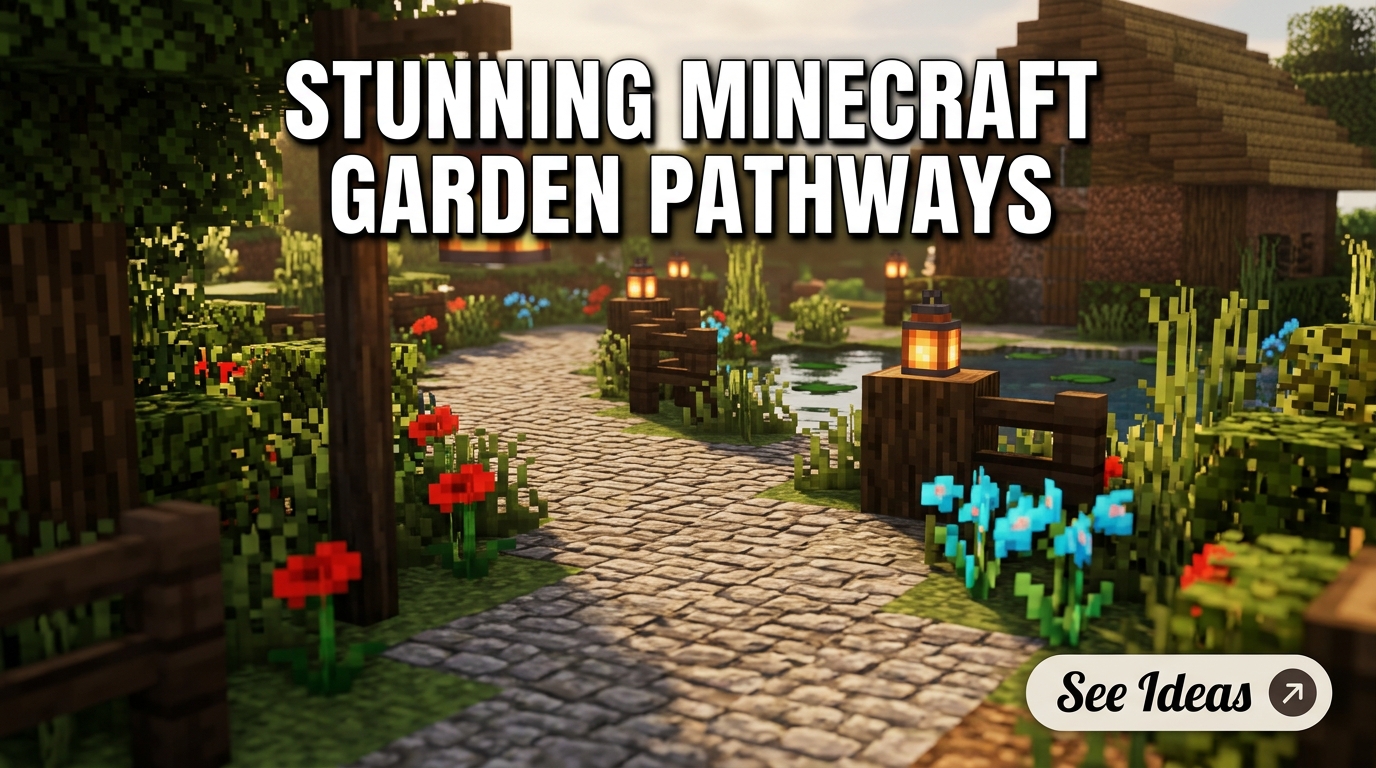
Minecraft garden decorations can transform a simple outdoor area into a beautiful, detailed landscape. From flower beds and fountains to pathways, benches, ponds, lanterns, and custom trees, the right decorations can make a Minecraft garden feel lively and unique.
Whether you’re building a cozy survival base, cottage garden, medieval village, modern house, or fantasy landscape, these Minecraft garden decoration ideas can help you create an inviting outdoor space.
1. Flower Bed Borders
Create small flower beds around your house, paths, or garden entrances.
Use different flower types, grass, leaves, and decorative blocks to create natural-looking borders.
2. Garden Pathways
Build winding paths using materials that match your surroundings.
Try combinations of:
- Gravel
- Dirt paths
- Stone
- Cobblestone
- Mossy blocks
- Wooden slabs
Mixing textures can make paths feel less repetitive.
3. Minecraft Garden Fountain
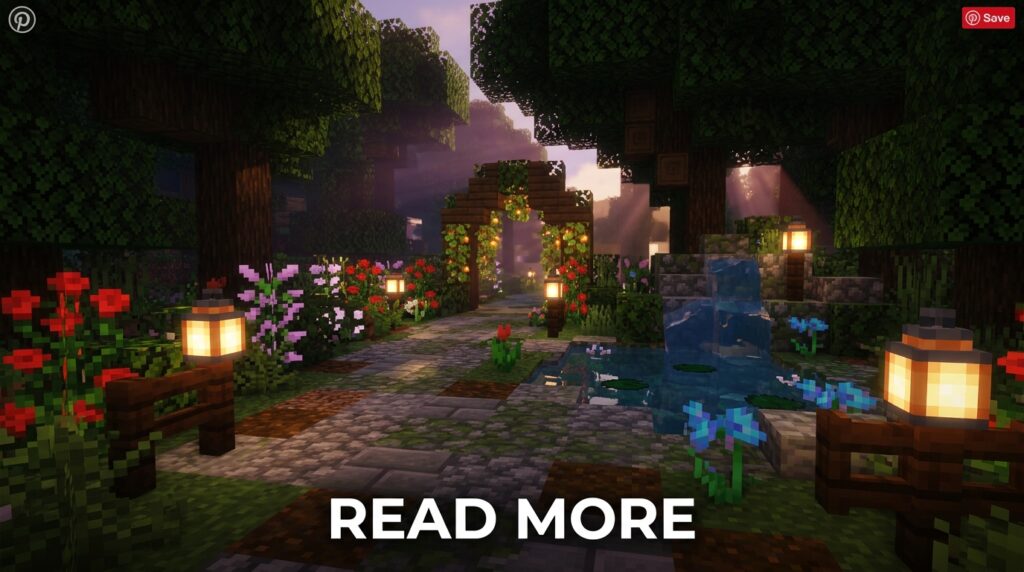
Create a small fountain using stone, stairs, slabs, and water.
Add lanterns and flowers around the base to turn it into a central garden feature.
4. Small Garden Pond
Dig a shallow pond and decorate the edges with stone, grass, flowers, and leaves.
Add lily pads and sugar cane to give the pond more detail.
5. Garden Bridge
A small wooden bridge can cross a pond, stream, or decorative ditch.
Use fences as railings and slabs or stairs for the walkway.
6. Garden Bench
Build simple benches from stairs and signs, slabs, or trapdoors.
Place them beside paths, ponds, or flower gardens.
7. Decorative Garden Lanterns
Lanterns can make gardens look especially attractive at night.
Hang them from fences, posts, trees, or small garden structures.
8. Custom Minecraft Trees
Create custom trees with different trunk shapes and leaf arrangements.
Mix several tree designs to make the garden feel more natural.
9. Garden Archway
Build an arch using wood, stone, leaves, or a combination of materials.
Add vines and flowers to create a welcoming entrance.
10. Flower Garden
Create large patches of flowers using several colors and varieties.
Avoid making perfectly symmetrical rows if you want a more natural appearance.
11. Herb Garden
Create small plots using trapdoors, fences, composters, and crops.
Add signs to label different herbs or plants.
12. Vegetable Garden
Build organized crop beds for wheat, carrots, potatoes, beetroot, and other crops.
Use paths and fences to divide the growing areas.
13. Minecraft Garden Greenhouse
Build a small greenhouse using glass panes, wood, stone, and plants.
Add crop beds and lanterns inside for a cozy farming area.
14. Fairy Garden
Create a miniature fantasy garden using tiny houses, mushrooms, flowers, lanterns, and custom decorations.
This works especially well around woodland or cottage builds.
15. Cottage Garden
Use flowers, vines, stone paths, barrels, composters, fences, and rustic furniture.
Let plants appear slightly overgrown for a cozy countryside atmosphere.
16. Medieval Garden
Use cobblestone, mossy stone, wooden fences, lanterns, barrels, and rustic pathways.
Add a small well or fountain as a central decoration.
17. Japanese-Inspired Minecraft Garden
Use bamboo, stone, water, gravel-like textures, lanterns, bridges, and carefully arranged trees.
Keep the layout simple and balanced.
18. Zen Garden
Create a quiet area using sand or gravel, stone arrangements, bamboo, water, and minimal decoration.
Use clean lines and open space to achieve a peaceful appearance.
19. Secret Garden
Hide a garden behind walls, hedges, vines, or an overgrown entrance.
Add a bench, fountain, flowers, and winding paths inside.
20. Garden Gazebo
Build a small gazebo using wood, fences, stairs, slabs, and lanterns.
Surround it with flowers and paths to create a garden retreat.
21. Garden Pergola
Create a wooden frame over a pathway or seating area.
Add leaves and vines to make the structure look naturally integrated into the garden.
22. Garden Well
A decorative well can become an excellent centerpiece.
Use stone blocks, stairs, slabs, fences, and a roof to create a traditional design.
23. Garden Pond With Water Lilies
Use lily pads, flowers, reeds, and surrounding vegetation to make a small pond feel more alive.
Add stone around the shoreline for extra texture.
24. Garden Waterfall
Build a small waterfall into a hillside or rock formation.
Use stone, mossy blocks, plants, and flowing water to create a natural landscape feature.
25. Garden Stream
Create a narrow winding stream through the garden.
Use irregular banks, bridges, flowers, and vegetation instead of perfectly straight edges.
26. Decorative Rocks
Use stone, mossy cobblestone, and other suitable blocks to create rock clusters.
Vary the size and shape of each group.
27. Garden Statues
Build statues from stone, quartz, concrete, or other blocks.
Animal statues, fantasy figures, and decorative sculptures can add personality.
28. Mushroom Garden
Create a magical garden using mushrooms, podzol, moss, trees, and lanterns.
Red and brown mushrooms can provide strong visual contrast.
29. Bee Garden
Create a flower-filled area with beehives or bee nests.
Surround the area with flowers and paths to create a colorful pollinator-themed garden.
30. Garden Beehive Area
Build a dedicated apiary using fences, flowers, campfires where appropriate, and decorative storage.
Keep the design functional while making it visually attractive.
31. Hanging Flower Baskets
Use flower pots attached to walls, fences, or structures.
Group several pots together to create a decorative display.
32. Flower Pots
Place potted flowers around entrances, benches, paths, and garden structures.
Mix pot placement and plant types rather than repeating identical arrangements.
33. Garden Signposts
Use signs to label paths, plants, or different garden areas.
Decorative signs can also help establish a story or theme for your build.
34. Garden Fence
Use fences, walls, hedges, or combinations of materials to define the garden.
Mixing fence styles can create more interesting boundaries.
35. Leaf Hedges
Use leaf blocks to create natural garden borders.
Add occasional flowers, lanterns, or gaps to avoid a perfectly uniform hedge.
36. Garden Trellis
Build a trellis from fences, trapdoors, or other thin blocks.
Decorate it with vines or flowering plants for a vertical garden effect.
37. Outdoor Dining Area
Create a small table and chairs using slabs, stairs, fences, and trapdoors.
Place the dining area beneath a pergola or beside a flower garden.
38. Picnic Area
Build a simple outdoor picnic spot with benches, tables, carpets, baskets, and surrounding flowers.
A small pond nearby can make the scene more inviting.
39. Garden Campfire Area
Create a cozy seating area around a campfire.
Use stone and logs for the surrounding landscape and keep flammable decorative elements at a safe distance.
40. Garden Decorations Around a House
Use coordinated flower beds, pathways, lanterns, trees, bushes, benches, and water features around your Minecraft house.
Connect each element with paths so the garden feels like part of the overall build rather than a collection of separate decorations.
Best Minecraft Blocks for Garden Decorations
Natural Blocks
- Grass
- Moss
- Dirt
- Coarse dirt
- Podzol
- Stone
- Gravel
- Sand
Plant Blocks
- Flowers
- Leaves
- Vines
- Bamboo
- Moss
- Saplings
- Crops
Decorative Blocks
- Lanterns
- Flower pots
- Barrels
- Composters
- Trapdoors
- Fences
- Gates
- Signs
Building Materials
- Stone
- Cobblestone
- Bricks
- Wood
- Slabs
- Stairs
- Glass
How to Design a Minecraft Garden
Step 1: Choose a Theme
Decide whether your garden will be cottage, medieval, Japanese-inspired, modern, fantasy, tropical, or rustic.
Step 2: Plan the Main Path
Create a pathway connecting the house entrance to the main garden areas.
Step 3: Add a Focal Point
Choose a fountain, pond, gazebo, tree, statue, or other centerpiece.
Step 4: Create Planting Areas
Use flowers, crops, bushes, trees, and other vegetation to fill the garden.
Step 5: Add Height
Use trees, arches, pergolas, fences, and raised structures to create vertical interest.
Step 6: Add Small Details
Place lanterns, flower pots, benches, signs, rocks, barrels, and other decorative blocks.
Step 7: Vary Textures
Mix different blocks and plant types so large areas do not look repetitive.
Step 8: Add Lighting
Use lanterns, glowstone, sea lanterns, or other light sources to keep the garden attractive and functional at night.
Step 9: Create Transitions
Use paths, gates, bridges, and arches to connect different garden areas.
Step 10: Add Your Own Story
Personal touches such as hidden rooms, statues, tiny cottages, secret paths, and themed decorations can make the garden unique.
Common Minecraft Garden Decoration Mistakes
Making Everything Too Symmetrical
Natural gardens usually look more interesting with varied shapes and spacing.
Using Too Many Block Types
Too much variety can make the garden visually chaotic. Choose a coordinated palette.
Forgetting Lighting
A beautiful daytime garden can become difficult to see or unsafe from hostile mobs at night.
Leaving Large Empty Areas
Add pathways, planting clusters, trees, or small features to connect empty spaces.
Repeating the Same Decoration
Vary flowers, trees, benches, paths, and landscaping details to make the build feel handmade.
Conclusion
Minecraft garden decorations can turn even a basic build into a detailed and memorable outdoor environment. Start with a clear theme, create natural pathways, add a focal feature, and then build layers of plants, trees, structures, lighting, and small decorative details.
Whether you prefer a cozy cottage garden, peaceful Zen space, colorful flower garden, medieval courtyard, or magical fairy garden, thoughtful details can make your Minecraft landscape feel much more alive.