
 By John
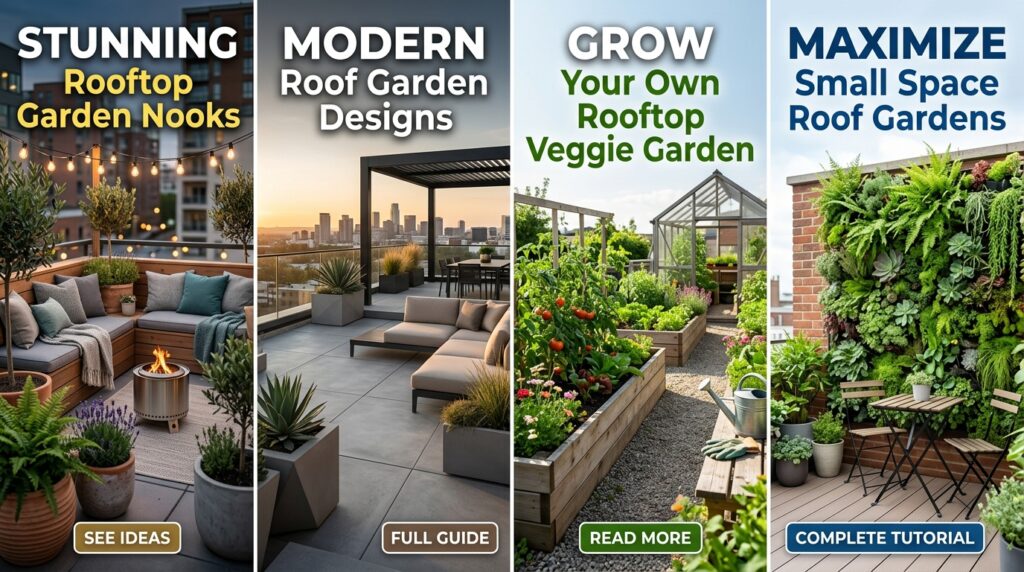
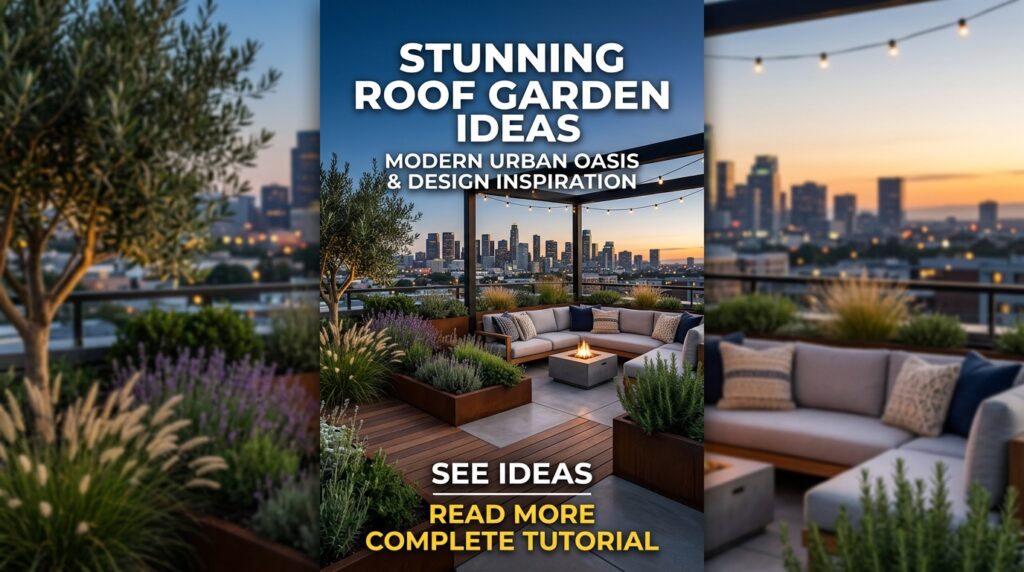
Roof garden ideas can transform an unused rooftop into a beautiful outdoor retreat filled with plants, seating, greenery, and relaxing features. Whether you have a small urban roof, apartment terrace, commercial rooftop, or large flat roof, thoughtful planning can create a functional and attractive garden above the ground.
A roof garden can be designed as a lush green escape, minimalist modern terrace, productive vegetable garden, cozy entertaining area, or peaceful rooftop retreat. The key is choosing lightweight, climate-appropriate elements and confirming that the roof can safely support the planned garden.
What Is a Roof Garden?
A roof garden is a landscaped outdoor space created on top of a building or structure.
Common elements include:
- Container plants
- Raised planters
- Green roofs
- Vegetable gardens
- Rooftop seating
- Pergolas
- Privacy screens
- Outdoor lighting
- Gravel
- Decking
- Artificial turf
- Water features
- Small trees and shrubs where structurally appropriate
Roof gardens can range from simple container arrangements to professionally engineered rooftop landscapes.
Benefits of a Roof Garden
Makes Use of Unused Space
A rooftop can become a valuable outdoor living area.
Adds Greenery
Plants can soften hard urban surroundings and create a more natural atmosphere.
Creates a Private Retreat
Screens, planters, and thoughtful layouts can help create separation from neighboring buildings.
Supports Outdoor Living
A rooftop can accommodate seating, dining, entertaining, and relaxation.
Can Support Biodiversity
Suitable green-roof planting can provide habitat and food sources for insects and birds.
Improves Visual Appeal
A well-designed roof garden can make a building more attractive from above and from surrounding properties.
1. Small Roof Garden
Use compact containers, vertical planting, folding furniture, and narrow planters.
Keep the layout open enough for comfortable movement.
2. Modern Roof Garden
Create a contemporary look with geometric planters, clean paving, timber decking, architectural plants, and minimalist furniture.
Use a limited color palette for a cohesive appearance.
3. Rooftop Terrace Garden
Combine comfortable seating with large containers, planters, lighting, and outdoor flooring.
Create separate zones for dining and relaxation.
4. Rooftop Vegetable Garden
Grow vegetables in suitable containers or raised planters.
Good choices depend on your climate and season and may include:
- Lettuce
- Radishes
- Beans
- Peppers
- Tomatoes
- Herbs
5. Rooftop Herb Garden
Create a compact culinary garden with containers of herbs such as basil, thyme, parsley, rosemary, and mint where suitable.
Keep aggressive spreaders such as mint contained.
6. Rooftop Flower Garden
Add colorful seasonal flowers to soften the architecture.
Choose plants that can tolerate rooftop conditions such as wind, heat, and strong sunlight.
7. Rooftop Green Garden
Create a lush appearance using multiple layers of containers and climate-appropriate plants.
Evergreen plants can provide structure throughout the year.
8. Rooftop Zen Garden
Use gravel, stones, simple planters, evergreen plants, and restrained decoration.
Keep the composition uncluttered.
9. Rooftop Japanese Inspired Garden
Combine natural stone, timber, suitable evergreen plants, gravel, and carefully selected containers.
Use traditional influences without overcrowding the space.
10. Rooftop Mediterranean Garden
Use terracotta containers, gravel, herbs, drought-tolerant plants, and warm-toned materials where appropriate.
Select species suited to your local climate.
11. Rooftop Tropical Garden
In suitable climates, use palms, large-leaved plants, grasses, and tropical flowering plants.
Protect vulnerable plants from strong rooftop winds.
12. Rooftop Cottage Garden
Use containers overflowing with suitable flowers, herbs, and informal greenery.
Mix different heights and textures while maintaining adequate access.
13. Rooftop Succulent Garden
Succulents can be useful for sunny rooftop environments where conditions suit them.
Choose species adapted to local temperatures and avoid assuming all succulents tolerate extreme winter or summer conditions.
14. Rooftop Cactus Garden
Create a low-water display using suitable cacti and gravel.
Consider safety when choosing spiny plants, especially if children or pets use the rooftop.
15. Rooftop Lawn
A small lawn can create a soft recreational area.
Before installing natural or artificial turf, consider weight, drainage, maintenance, heat, and roof capacity.
16. Rooftop Garden With Pergola
A pergola can define an outdoor room and provide support for suitable shade plants.
Check structural anchoring and wind loads carefully.
17. Rooftop Garden With Privacy Screen
Use slatted screens, trellises, planters, or suitable tall plants to create privacy.
Rooftops are windy, so screens must be securely designed and installed.
18. Rooftop Garden With Seating
Create a comfortable lounge using outdoor sofas, chairs, benches, and compact tables.
Choose furniture designed for outdoor exposure and secure lightweight pieces where necessary.
19. Rooftop Dining Garden
Place a dining table near the kitchen or building access.
Use planters to define the dining area without blocking movement.
20. Rooftop Garden With Outdoor Kitchen
A rooftop kitchen can create an impressive entertaining area.
Consider structural load, utilities, ventilation, fire safety, and local regulations before installation.
21. Rooftop Garden With Fire Feature
A fire feature can make a rooftop more inviting during cool evenings.
Use only approved outdoor equipment and carefully follow clearance, fuel, ventilation, and fire-safety requirements.
22. Rooftop Garden With Water Feature
A compact fountain or water bowl can add sound and visual interest.
Avoid heavy ponds or water-filled structures unless the roof has been specifically engineered for the additional load.
23. Rooftop Garden With Raised Beds
Raised planters can organize vegetables, flowers, and herbs.
Use lightweight construction and suitable growing media where possible.
24. Rooftop Container Garden
Containers are one of the most flexible options.
Choose appropriately sized containers and consider wind stability, drainage, weight, and plant maturity.
25. Vertical Rooftop Garden
Use trellises, wall planters, vertical systems, and climbing plants to maximize limited space.
Make sure mounting systems are securely attached and suitable for rooftop wind exposure.
26. Rooftop Greenhouse
A small greenhouse can extend the growing season where permitted.
Check structural loads, wind resistance, ventilation, and local building requirements.
27. Rooftop Garden With Decking
Decking can create a warm and comfortable surface for seating.
Use an outdoor-rated system that does not interfere with the roof’s waterproofing and drainage.
28. Rooftop Garden With Gravel
Gravel can create a clean, modern surface between planters.
Choose appropriate lightweight materials and ensure they do not obstruct roof drainage.
29. Rooftop Garden With Artificial Grass
Artificial grass can provide a soft-looking surface without mowing.
Consider heat buildup, drainage, weight, and product suitability for rooftop installation.
30. Rooftop Garden With Shade
Use pergolas, shade structures, umbrellas where safe, or strategically positioned plants.
Any shade structure must be designed to withstand rooftop wind conditions.
31. Rooftop Garden With Trees
Small trees can create shade and dramatic vertical interest.
Use only species and containers suitable for rooftop conditions and confirm the structure can support the additional weight.
32. Rooftop Garden With Shrubs
Compact shrubs can provide structure and privacy.
Choose varieties that tolerate heat, wind, and container growing.
33. Rooftop Garden With Ornamental Grasses
Grasses are excellent for adding movement and texture.
Select compact varieties appropriate for containers and local climate conditions.
34. Rooftop Garden With Native Plants
Native or locally adapted plants can be a strong choice because they may be better suited to regional climate conditions.
Choose species based on rooftop exposure rather than simply selecting plants because they are native.
35. Rooftop Pollinator Garden
Create a pollinator-friendly space with suitable flowering plants, shallow water sources, and shelter.
Avoid pesticides that could harm beneficial insects.
36. Rooftop Garden for Apartments
Use compact furniture, containers, vertical planting, and privacy screens.
Keep the design lightweight and verify building rules before making permanent changes.
37. Rooftop Garden for Small Spaces
Use multifunctional furniture, wall-mounted features, narrow planters, and foldable pieces.
Keep the center open to make the rooftop feel larger.
38. Luxury Rooftop Garden
Combine premium outdoor furniture, architectural planters, lighting, decking, greenery, and carefully designed entertaining zones.
Keep the layout elegant rather than overcrowded.
39. Rooftop Garden Lounge
Create a relaxing retreat with comfortable seating, greenery, outdoor rugs, and soft lighting.
Use weather-resistant materials and secure lightweight furnishings.
40. Rooftop Garden Nightscape
Design the garden to look beautiful after sunset.
Use low-level outdoor lighting to highlight pathways, planters, trees, and architectural features without excessive glare.
Best Plants for Roof Gardens
Rooftops can experience intense sunlight, wind, heat, and rapid drying. Choose plants based on your local climate and the specific conditions of your roof.
Flowers
- Zinnias
- Marigolds
- Lavender where suitable
- Salvia
- Other climate-appropriate flowering plants
Herbs
- Rosemary
- Thyme
- Basil
- Parsley
- Oregano
Vegetables
- Lettuce
- Radishes
- Beans
- Peppers
- Tomatoes
Structural Plants
- Compact evergreen shrubs
- Suitable ornamental grasses
- Small trees approved for container growing
How to Create a Roof Garden
Step 1: Check Structural Capacity
Before adding soil, planters, furniture, water, or other heavy features, have the roof evaluated by an appropriately qualified professional.
Step 2: Check Waterproofing
Make sure the roof membrane and drainage system are suitable and protected from the proposed installation.
Step 3: Understand Wind Exposure
Rooftops can experience stronger winds than ground-level gardens.
Plan secure containers, screens, furniture, and structures accordingly.
Step 4: Choose the Garden Style
Decide whether you want a vegetable garden, modern terrace, tropical retreat, Zen garden, or another theme.
Step 5: Plan Zones
Create separate areas for:
- Seating
- Dining
- Planting
- Walking
- Relaxation
Step 6: Select Lightweight Materials
Use suitable lightweight containers, growing media, furniture, and hardscape materials where appropriate.
Step 7: Install Drainage
Never block existing roof drains.
Plan irrigation and overflow carefully.
Step 8: Choose Suitable Plants
Select plants that can tolerate your rooftop’s sunlight, heat, wind, and available water.
Step 9: Add Privacy
Use carefully engineered screens, trellises, and planting.
Step 10: Add Lighting
Use safe outdoor-rated lighting to make the garden usable after sunset.
Roof Garden Maintenance
Water Regularly
Containers can dry quickly, particularly in hot and windy conditions.
Check Irrigation
Inspect irrigation systems regularly for leaks, blockages, and uneven watering.
Monitor Containers
Check containers for stability, drainage, and damage.
Maintain Plants
Prune, fertilize, deadhead, and replace plants according to their requirements.
Keep Drains Clear
Leaves, soil, and debris should never be allowed to block roof drainage.
Inspect Waterproofing
Monitor the roof for signs of leaks or damage and address problems promptly.
Common Roof Garden Mistakes
Ignoring Roof Load Capacity
Extra soil, water, stone, planters, and furniture can become extremely heavy.
Blocking Drainage
Blocked drains can create serious water-management problems.
Choosing Fragile Plants
Rooftop exposure can be harsher than ground-level conditions.
Using Unsecured Furniture
Strong winds can move lightweight furniture and containers.
Adding Too Much Soil
Use suitable lightweight growing media and follow the roof’s structural limits.
Ignoring Waterproofing
Garden installations should not compromise the roof membrane.
Creating Excessive Wind Barriers
Screens can catch significant wind loads and need proper structural design.
Frequently Asked Questions
Can I create a garden on any roof?
Not necessarily. The roof must be structurally suitable, properly waterproofed, and capable of supporting the additional loads.
What is the best plant for a rooftop garden?
There is no single best plant. Choose species based on your climate, sunlight, wind exposure, container size, and water availability.
How do I keep a rooftop garden cool?
Use suitable shade structures, container plants, mulch where appropriate, and efficient irrigation. Choose plants adapted to heat and sun.
Can I grow vegetables on a roof?
Yes, vegetables can grow successfully in suitable containers and raised beds when the roof can safely support the required loads and irrigation is available.
Are roof gardens expensive?
Costs vary widely. A simple container garden can be relatively affordable, while a professionally engineered rooftop landscape can require substantial investment.
Do roof gardens require a lot of maintenance?
Maintenance depends on the design. Container gardens generally require regular watering and plant care, while professionally designed low-maintenance green roofs may require less frequent attention.
Conclusion
Roof garden ideas offer an exciting way to turn unused rooftop space into a beautiful outdoor retreat. From compact container gardens and vegetable beds to modern rooftop lounges, Zen spaces, and lush green terraces, the possibilities are extensive.
The most important consideration is safety. Before adding substantial weight or permanent structures, verify structural capacity, waterproofing, drainage, wind resistance, and local requirements. Once these essentials are addressed, choose climate-appropriate plants, comfortable furnishings, and a cohesive design to create a rooftop garden that is both beautiful and practical.