
 By John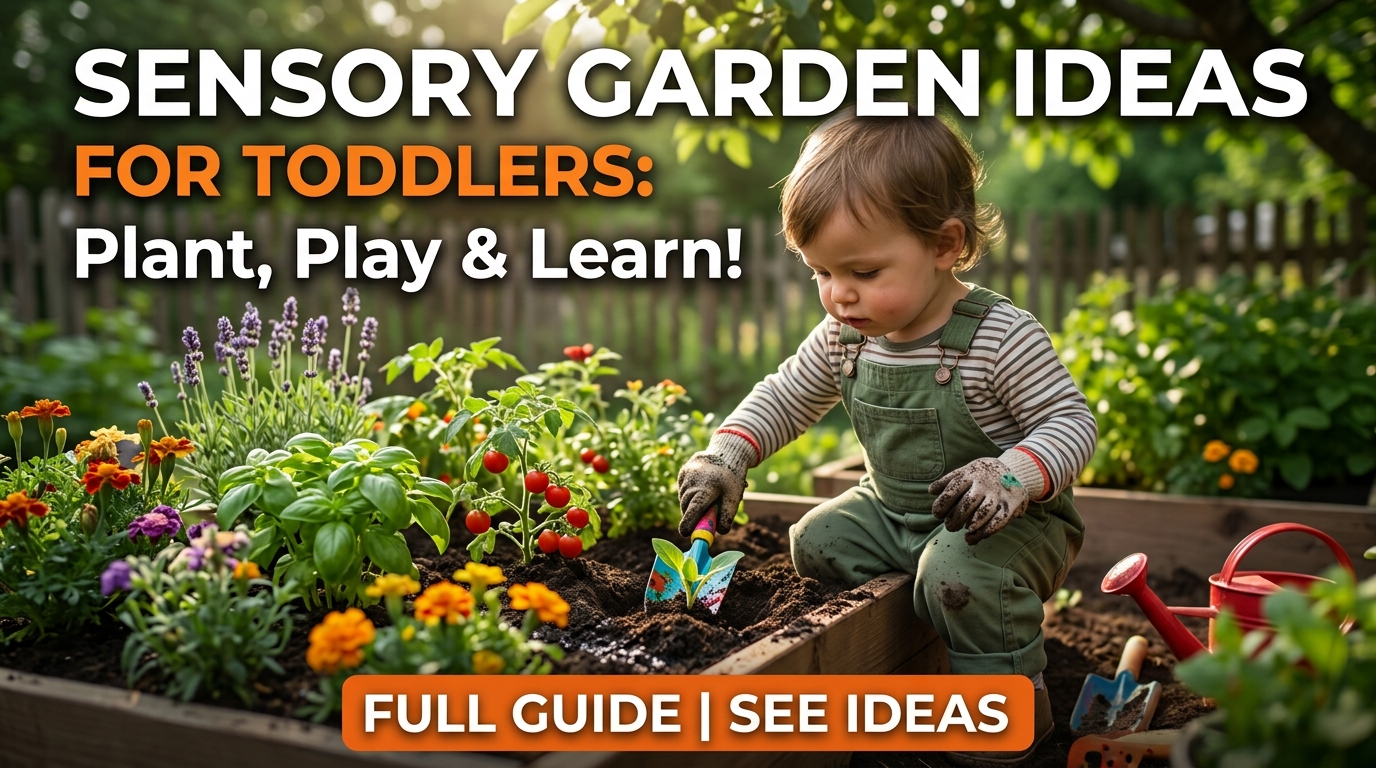
A toddler garden is a playful outdoor space designed to encourage young children to explore nature, touch plants, dig in soil, discover insects, and enjoy simple gardening activities. The best toddler gardens combine child-friendly features with safe planting, soft surfaces, sensory experiences, and plenty of opportunities for imaginative play.
You don’t need a large backyard to create one. A small garden corner, raised bed, patio container collection, or balcony setup can become an engaging nature space for toddlers.
What Is a Toddler Garden?
A toddler garden is a garden area intentionally designed around the needs and abilities of very young children.
It can include:
- Child-sized garden tools
- Raised planting beds
- Sensory plants
- Sand or soil areas
- Water play
- Stepping paths
- Outdoor seating
- Small playhouses
- Bug observation areas
- Vegetable gardens
- Flower gardens
Safety and adult supervision should always be part of the design.
Benefits of a Toddler Garden
Gardening can give toddlers opportunities to:
- Explore nature
- Practice coordination
- Learn about plants
- Develop curiosity
- Experience different textures
- Observe insects
- Practice simple responsibility
- Spend time outdoors
Keep activities simple and let children explore at their own pace.
1. Toddler Vegetable Garden
Create a small vegetable bed where children can help plant and harvest easy-to-recognize crops.
Good choices can include:
- Lettuce
- Peas
- Radishes
- Cherry tomatoes
- Strawberries
- Carrots
- Cucumbers
Choose varieties suited to your local climate and teach children not to eat plants without adult permission.
2. Toddler Herb Garden
A sensory herb garden can introduce children to different smells and textures.
Consider child-friendly culinary herbs such as:
- Mint
- Basil
- Rosemary
- Thyme
- Parsley
Keep potentially irritating or toxic plants out of areas where toddlers can access them.
3. Toddler Sensory Garden
A sensory garden is ideal for encouraging exploration.
Include plants with different:
- Textures
- Fragrances
- Colors
- Shapes
- Sounds
For example, soft foliage can contrast with sturdy leaves, while fragrant herbs can create interesting smells.
4. Toddler Flower Garden
Create a colorful flower bed at child height.
Use sturdy, non-toxic plants appropriate for your region.
Avoid plants with poisonous berries, sharp thorns, irritating sap, or easily detached parts.
5. Toddler Fairy Garden
A miniature fairy garden can encourage imaginative play.
Add:
- Tiny houses
- Small bridges
- Pebbles
- Miniature paths
- Simple garden figures
Avoid tiny loose pieces that could become choking hazards.
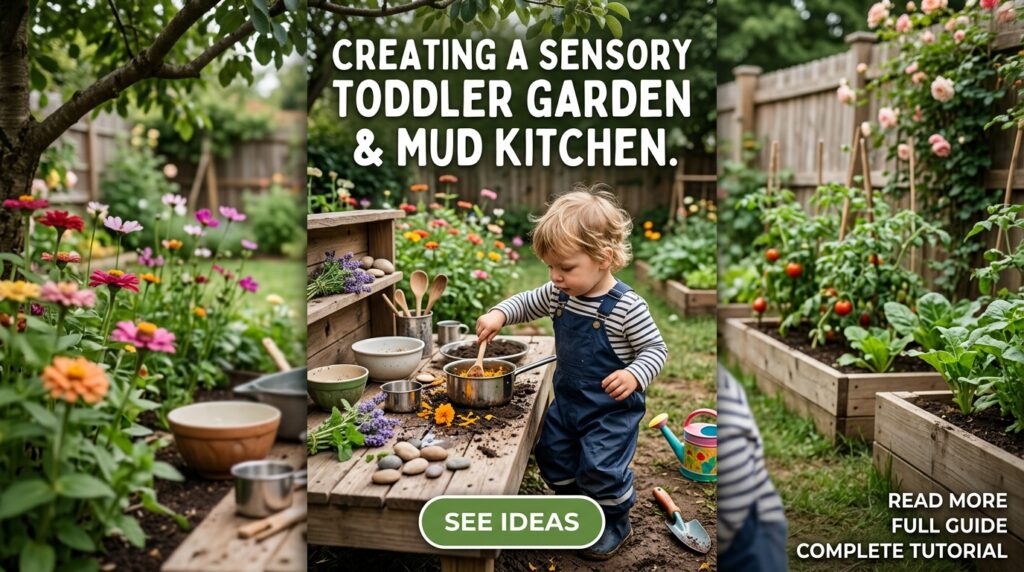
6. Toddler Mud Kitchen
A mud kitchen provides a dedicated place for messy outdoor play.
Use:
- A child-sized table
- Old pots
- Wooden spoons
- Metal-free safe utensils
- Buckets
- Natural materials
Supervise children closely and make sure all equipment is stable and free of sharp edges.
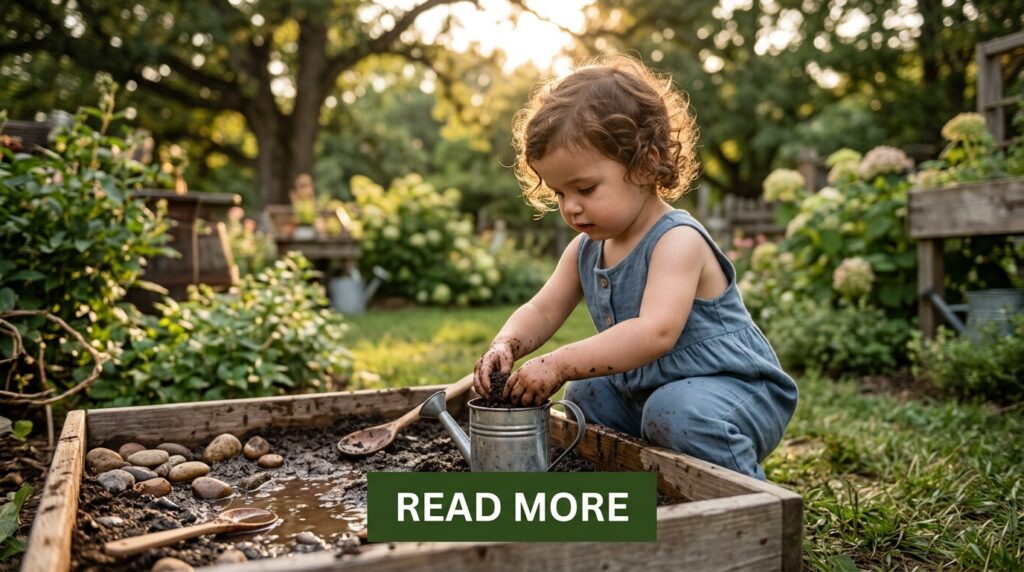
7. Toddler Digging Garden
Give toddlers a dedicated area where digging is encouraged.
Fill a shallow bed with clean soil and provide sturdy child-sized tools.
Check the soil for contaminants before using it as a play area.
8. Toddler Sand Garden
A small sandbox can become part of a garden play zone.
Place it in a visible location and use a suitable cover when it isn’t being used.
Keep the sand clean and regularly inspect it for debris or animal contamination.
9. Toddler Water Garden
Water play can be exciting for toddlers.
Try a shallow water table or supervised water-play station rather than an open deep pond.
Even small amounts of standing water can present drowning risks for young children, so active adult supervision is essential.
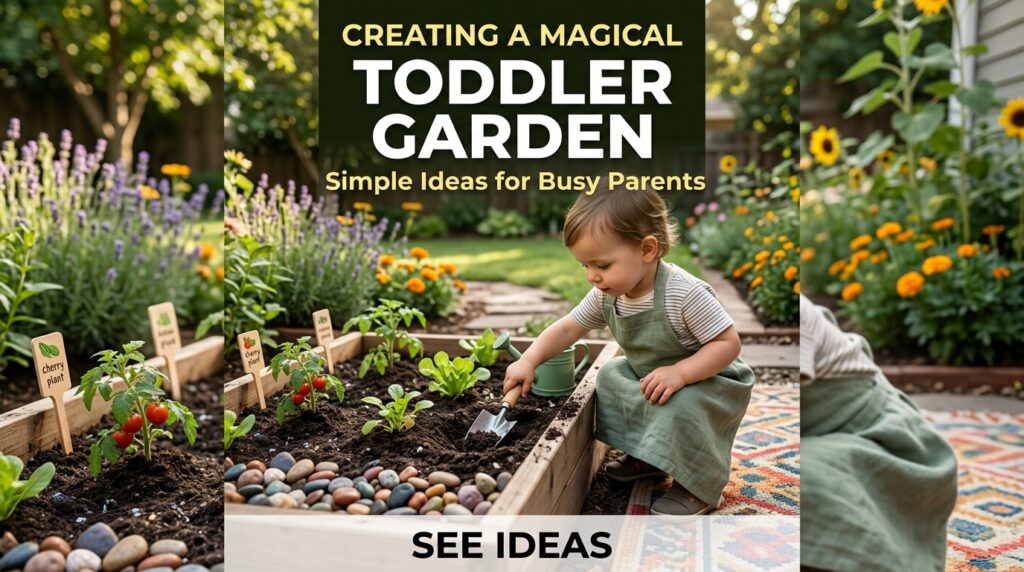
10. Toddler Garden With Raised Beds
Raised beds make plants easier for children to see and can reduce bending for adults.
Use sturdy, rounded edges and avoid exposed nails, screws, or sharp corners.
Keep the bed at a comfortable height for supervised child participation.
11. Toddler Garden Path
Create a simple walking path using safe, stable materials.
Consider:
- Flat stepping stones
- Pavers
- Mulch
- Firm grass
Avoid slippery surfaces and uneven stones that create unnecessary trip hazards.
12. Toddler Garden With Stepping Stones
Stepping stones can turn a pathway into a fun movement activity.
Use large, stable stones with enough space between them for safe walking.
Avoid elevated stepping structures for very young children.
13. Toddler Garden With Butterfly Plants
Create a small butterfly-friendly garden.
Choose locally appropriate flowering plants and observe butterflies together.
Teach children to look without grabbing insects.
14. Toddler Garden With Bird Watching
Add a bird-watching area where children can observe local birds.
A window, bench, or safe viewing spot can provide hours of quiet nature observation.
If using bird feeders, keep them clean and place them where adults can easily maintain them.
15. Toddler Bug Garden
Create a small observation area for insects.
Children can watch:
- Butterflies
- Ladybugs
- Bees from a safe distance
- Caterpillars
- Beetles
Teach toddlers that some insects should only be observed and never touched.
16. Toddler Garden With Logs
Natural logs can add texture and imaginative play opportunities.
Use only stable, untreated pieces without sharp splinters or unstable stacking.
Avoid creating climbing structures unless they are specifically designed and secured for children’s use.
17. Toddler Garden With Tree Stumps
Low stumps can be used as visual features or seating if they are stable, smooth, and free from sharp edges.
Avoid arranging them as a climbing course unless they are professionally designed for that purpose.
18. Toddler Garden With Outdoor Seating
Provide a small seating area where children can rest, draw, read, or watch garden activities.
Choose stable furniture designed for outdoor use.
19. Toddler Garden Reading Corner
Create a quiet reading area beneath suitable shade.
Add:
- Outdoor cushions
- A small bench
- Children’s books
- Soft furnishings
Store fabrics indoors or in a weatherproof container when not in use.
20. Toddler Garden Art Area
Give children a place to create outdoor artwork.
Try:
- Chalkboards
- Washable paint
- Nature collages
- Leaf printing
- Rock painting
Use child-safe materials and supervise all creative activities.
21. Toddler Garden Music Area
Create a simple outdoor sound station.
Use sturdy, child-safe instruments such as:
- Outdoor drums
- Bells designed for children
- Wooden rhythm instruments
Secure equipment properly and consider neighbors when selecting louder features.
22. Toddler Garden With a Playhouse
A small playhouse can become the centerpiece of a garden play area.
Place it on a stable surface and follow the manufacturer’s installation and safety requirements.
23. Toddler Garden With a Tunnel
A low play tunnel can encourage crawling and imaginative games.
Use equipment designed for children’s play rather than improvised structures.
24. Toddler Garden With a Garden Cart
A lightweight child-sized garden cart can make gardening feel like a special activity.
Use it only for age-appropriate tasks and avoid sharp or heavy tools.
25. Toddler Garden With Child-Sized Tools
Provide simple tools designed specifically for young children.
Avoid giving toddlers sharp gardening equipment.
Store adult tools securely out of reach.
26. Toddler Compost Garden
Introduce children to composting through a simple observation activity.
Let toddlers help add suitable plant scraps while an adult handles the compost system.
Teach children that compost bins aren’t play areas.
27. Toddler Seed-Planting Garden
Create a small bed dedicated to planting seeds.
Large seeds that are easy to handle can make a fun supervised activity.
Always follow seed-package instructions and prevent children from putting seeds in their mouths.
28. Toddler Sunflower Garden
Sunflowers can create an exciting growing project.
Children can watch the plants grow taller and observe pollinators visiting the flowers.
Choose varieties suitable for the available space.
29. Toddler Strawberry Garden
Strawberries can be fun for children because the fruit is easy to recognize.
Grow them in raised beds, containers, or hanging planters where suitable.
Only allow children to eat harvested fruit after an adult confirms it is safe and properly washed.
30. Toddler Garden With Color Themes
Create sections based on colors.
For example:
- Yellow flowers
- Purple flowers
- Pink flowers
- White flowers
- Green foliage
Color themes can make simple nature-learning activities more engaging.
31. Toddler Garden Alphabet Theme
Use garden labels to introduce letters and words.
Children can learn simple plant names through pictures and large, readable labels.
32. Toddler Garden Number Theme
Create simple counting activities.
Children can count:
- Flowers
- Leaves
- Stones
- Vegetable plants
Keep small objects supervised because loose pieces can present choking risks.
33. Toddler Garden With a Mini Greenhouse
A small greenhouse can become a fascinating learning area.
Choose a sturdy child-safe structure with adequate ventilation and secure installation.
Keep children away from hot surfaces and fragile glass.
34. Toddler Garden With Container Plants
Containers are excellent for small gardens.
Use stable, heavy-bottomed containers that won’t easily tip.
Place them where children can observe plants without being able to pull down heavy pots.
35. Toddler Balcony Garden
A balcony can provide gardening opportunities using secure containers.
Check structural load limits and railing safety.
Keep all furniture, planters, and climbing objects away from railings.
36. Toddler Patio Garden
A patio garden can combine containers, sensory plants, and a small play area.
Keep pathways open and avoid placing breakable pots where children run.
37. Toddler Garden for Small Spaces
A tiny garden can use vertical and container planting.
Create one dedicated activity zone rather than trying to fit too many features into a small area.
38. Toddler Garden With Natural Materials
Use safe natural materials such as:
- Smooth stones
- Untreated wood
- Leaves
- Pinecones
- Large sticks
Inspect materials regularly for sharp edges, insects, mold, and deterioration.
39. Low-Maintenance Toddler Garden
Choose durable plants and simple garden features.
Use mulch, raised beds, and easy-care plants to reduce maintenance while keeping the space attractive.
40. DIY Toddler Garden
A simple toddler garden can be created without a major landscaping project.
Materials
You may need:
- Small raised bed
- Child-safe tools
- Soil or compost
- Easy-growing plants
- Large stepping stones
- Outdoor seating
- Simple sensory features
Steps
- Choose a visible, secure garden area.
- Remove hazardous plants and objects.
- Create a soft, stable surface.
- Add a small planting bed.
- Choose child-appropriate plants.
- Add a simple gardening activity station.
- Create clear boundaries between play and planting areas.
- Inspect the garden regularly.
Best Plants for a Toddler Garden
Plant selection should prioritize safety and suitability.
Choose plants that are:
- Non-toxic
- Thorn-free
- Non-irritating
- Appropriate for your climate
- Easy to grow
- Interesting to children
Always verify plant safety with a reliable local horticultural or poison-information resource before planting. Common garden plants can vary greatly in toxicity.
Toddler Garden Safety Tips
Avoid Toxic Plants
Do not assume a plant is safe because it is common. Research every plant before introducing it to a toddler-accessible garden.
Avoid Thorny Plants
Keep roses, cacti, thorny shrubs, and other spiny plants away from play areas.
Secure Water Features
Never leave toddlers unattended around ponds, buckets, tubs, fountains, or other water containers.
Store Tools Safely
Keep adult gardening tools, fertilizers, pesticides, and other chemicals locked away.
Check Surfaces
Inspect paths, play equipment, stones, and wooden features for hazards.
Create Clear Boundaries
Separate play spaces from areas containing potentially unsafe plants or garden equipment.
How to Design a Toddler Garden
Step 1: Choose a Safe Location
Select an area that is easy for adults to supervise.
Step 2: Remove Hazards
Identify sharp objects, poisonous plants, unstable structures, and unsafe surfaces.
Step 3: Create Activity Zones
Separate planting, digging, water play, art, and quiet areas.
Step 4: Choose Safe Plants
Select non-toxic, sturdy plants appropriate for your climate.
Step 5: Add Child-Friendly Features
Include raised beds, sensory plants, seating, or simple play equipment.
Step 6: Keep Paths Clear
Provide safe routes between activity areas.
Step 7: Add Shade
Use existing trees, shade structures, or appropriate outdoor umbrellas.
Step 8: Inspect Regularly
Gardens change over time, so check plants and equipment frequently.
Common Toddler Garden Mistakes
Choosing Plants for Appearance Only
A beautiful plant may not be appropriate for a child-accessible garden.
Adding Deep Water
Even shallow water can be dangerous for toddlers.
Leaving Tools Outside
Sharp tools and chemicals should always be secured.
Creating Unstable Play Features
Avoid improvised climbing structures, unstable logs, or unsecured furniture.
Overcrowding the Garden
Leave open space for movement and supervision.
Forgetting Shade
Young children need protection from excessive sun and heat.
Frequently Asked Questions
What should I put in a toddler garden?
Consider a small raised bed, safe sensory plants, child-sized tools, a digging area, outdoor seating, and simple nature activities.
What plants are safe for toddlers?
Choose non-toxic, non-thorny, non-irritating plants appropriate for your region. Always verify individual plant safety before planting.
How do I make a garden toddler-friendly?
Create clear activity zones, remove hazards, use stable surfaces, choose appropriate plants, provide shade, and keep the entire area easy for adults to supervise.
Can toddlers help with gardening?
Yes. Toddlers can participate in simple supervised tasks such as watering with a small container, planting large seeds, digging soil, collecting leaves, and observing plants.
Can I create a toddler garden in a small backyard?
Absolutely. A single raised bed, container collection, or sensory garden corner can provide plenty of opportunities for outdoor exploration.
Conclusion
A toddler garden can turn an ordinary outdoor space into an exciting place for learning, exploration, and imaginative play. The best designs don’t need expensive equipment or elaborate landscaping. A few safe plants, a small planting bed, child-sized tools, sensory activities, and plenty of open space can create a wonderful garden experience.
Focus first on safety and supervision, then add features that encourage children to touch, observe, plant, water, and discover. With thoughtful planning, even a small garden can become a memorable outdoor classroom and play space for toddlers.