
 By John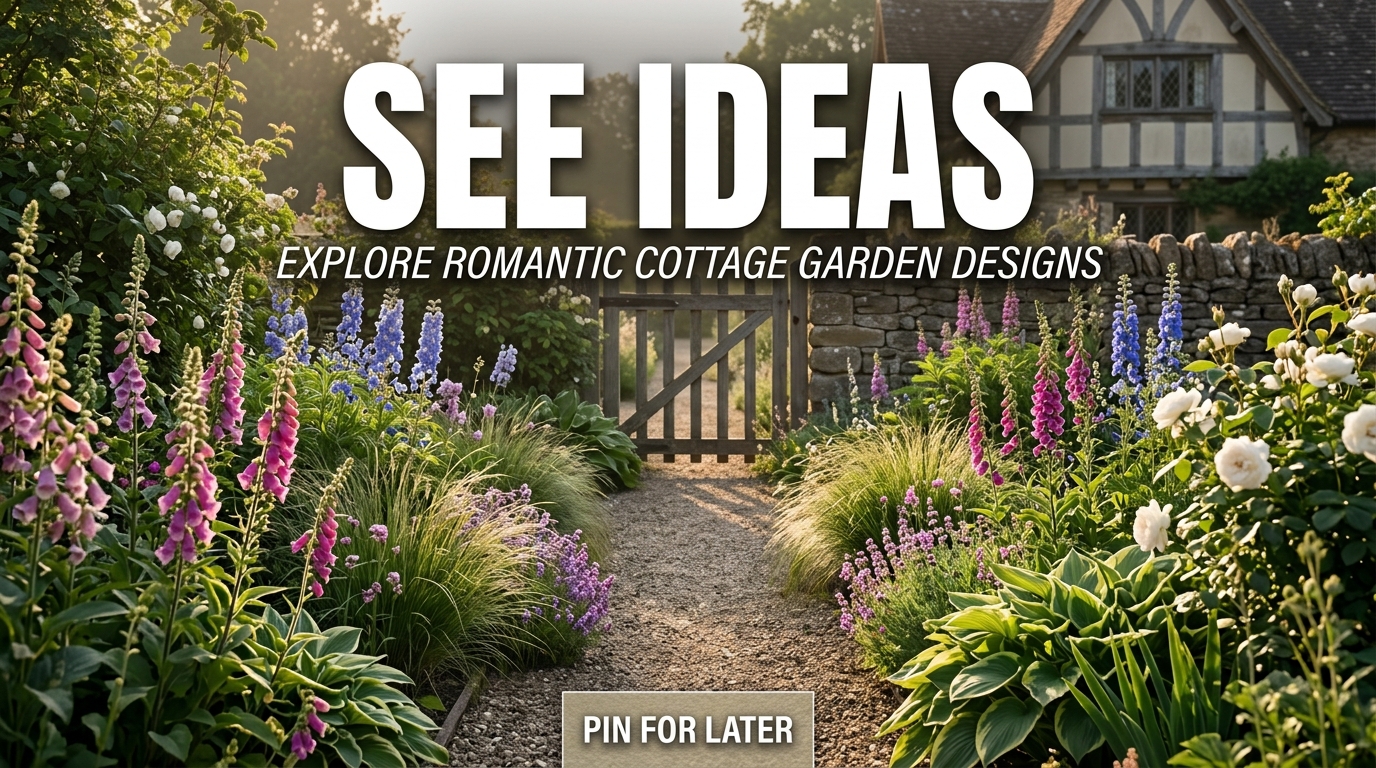
A beautiful garden can transform an ordinary outdoor area into a peaceful, inviting, and memorable space. Whether you have a spacious backyard, compact courtyard, front yard, patio, or narrow side garden, thoughtful landscaping can combine plants, pathways, seating, water features, lighting, and decorative details to create an outdoor space that feels special.
The best beautiful garden ideas don’t require every trend or decoration. Instead, they focus on choosing a clear style, combining plants with different textures and heights, and creating attractive views from both inside and outside the home.
What Makes a Garden Beautiful?
A beautiful garden usually combines several elements that work together.
Key features can include:
- Layered planting
- Attractive pathways
- Flowering plants
- Trees and shrubs
- Comfortable seating
- Water features
- Garden lighting
- Decorative containers
- Natural stone
- Focal points
- Well-maintained lawns
Good garden design also considers the property’s architecture and the local climate.
1. Colorful Flower Garden
Create a lively garden with flowers in complementary colors.
Combine:
- Roses
- Dahlias
- Marigolds
- Salvia
- Lavender
- Seasonal flowers
Repeat several colors throughout the garden rather than using too many unrelated shades.
2. Cottage Garden
A cottage garden creates a relaxed and romantic appearance.
Use informal combinations of:
- Roses
- Perennials
- Herbs
- Flowering shrubs
- Climbing plants
A winding path and rustic fence can complete the look.
3. Modern Garden
Modern gardens emphasize clean lines and simple materials.
Try:
- Geometric planting beds
- Gravel
- Concrete
- Timber
- Architectural plants
- Minimal outdoor furniture
Repeat plants and materials to create a cohesive appearance.
4. Small Garden
A small garden can feel spacious when the design is carefully planned.
Use:
- Vertical planting
- Compact trees
- Raised beds
- Narrow borders
- Multifunctional furniture
Keep pathways visually simple and avoid overcrowding.
5. Front Yard Garden
A beautiful front garden can dramatically improve the appearance of a home.
Create attractive planting around:
- Walkways
- Steps
- Entrances
- Driveways
- Porches
Use plants that don’t block windows or important sightlines.
6. Backyard Garden
Turn the backyard into an outdoor retreat with several connected zones.
Include:
- A lawn
- Flower borders
- Seating
- Dining
- Pathways
- Trees
- Decorative planting
Use different textures to make the landscape feel layered.
7. Secret Garden
A secret garden creates a sense of discovery.
Use:
- Arched entrances
- Climbing plants
- Tall hedges
- Hidden seating
- Winding paths
- Dense planting
Place a bench or fountain at the end of a pathway to create a destination.
8. Japanese-Inspired Garden
A Japanese-inspired garden emphasizes simplicity and natural materials.
Combine:
- Rocks
- Gravel
- Moss
- Carefully selected trees
- Stepping stones
- Water
- Simple lanterns
Leave plenty of open space rather than filling every area with plants.
9. English Garden
An English-inspired garden can combine lush borders with structured pathways.
Use:
- Roses
- Delphiniums
- Lavender
- Flowering shrubs
- Hedges
- Ornamental trees
A bench or traditional gate can provide an attractive focal point.
10. French Garden
French-inspired gardens often emphasize symmetry and geometry.
Include:
- Formal hedges
- Geometric flower beds
- Gravel paths
- Topiary
- Fountains
- Sculptural features
Use a central axis to organize the layout.
11. Mediterranean Garden
A Mediterranean-inspired garden works particularly well in sunny, dry conditions.
Consider:
- Lavender
- Rosemary
- Olive-like trees
- Silver foliage
- Gravel
- Terracotta containers
- Natural stone
Choose plants suited to your specific climate.
12. Tropical Garden
A tropical garden can create a lush, resort-like atmosphere.
Use suitable:
- Palms
- Large-leaved plants
- Ferns
- Tropical flowering plants
- Dense groundcovers
Layer plants by height to create a jungle-inspired appearance.
13. White Garden
A white garden creates a sophisticated and calming atmosphere.
Combine white flowers with:
- Green foliage
- Silver plants
- Pale stone
- Dark evergreen shrubs
Different leaf textures keep the garden interesting when flowers aren’t blooming.
14. Blue Garden
Blue flowers can create a cool, peaceful landscape.
Combine blue blooms with:
- White flowers
- Silver foliage
- Green shrubs
- Gravel
- Stone
Repeat the same blue tones throughout the planting scheme.
15. Rose Garden
Roses can become the main attraction of a beautiful garden.
Create:
- Formal rose beds
- Climbing rose walls
- Cottage-style rose borders
- Fragrant seating areas
Provide adequate sunlight, airflow, and room for mature growth.
16. Butterfly Garden
A butterfly garden combines beauty with wildlife-friendly planting.
Use locally suitable flowering plants that provide nectar and, where appropriate, host plants.
Avoid unnecessary pesticide use.
17. Pollinator Garden
Create a colorful garden for bees and other beneficial insects.
Choose a variety of plants with different flower shapes and bloom periods.
Include native or locally adapted species where possible.
18. Garden With a Fountain
A fountain can become an instant focal point.
Place it where it can be viewed from:
- A patio
- A seating area
- A pathway
- A window
Choose a fountain proportional to the garden.
19. Garden With a Pond
A pond can add movement, reflection, and wildlife interest.
Surround it with suitable moisture-loving plants and natural stone.
Make sure the water feature is designed safely, particularly where children or pets have access.
20. Garden With a Waterfall
A waterfall can provide sound and movement.
A small cascading feature can work even in a compact backyard.
Use appropriate pumps, drainage, waterproofing, and maintenance systems.
21. Garden With a Pergola
A pergola can create an outdoor room.
Use it for:
- Dining
- Seating
- Shade
- Climbing plants
- Garden entrances
Choose a structure that complements the architecture of the home.
22. Garden With a Garden Path
A pathway can guide visitors through the landscape.
Popular materials include:
- Brick
- Gravel
- Natural stone
- Pavers
- Concrete
Use curves for a relaxed garden or straight lines for a formal design.
23. Garden With Stone
Natural stone can add texture and permanence.
Use stone for:
- Pathways
- Walls
- Edging
- Seating
- Rock gardens
Choose materials that complement existing architecture.
24. Vertical Garden
Vertical planting is excellent for small spaces.
Use:
- Trellises
- Wall planters
- Climbing plants
- Hanging containers
- Vertical growing systems
Ensure structures can support mature plants and wet containers.
25. Raised Garden Beds
Raised beds provide structure and can make planting easier.
Use them for:
- Vegetables
- Herbs
- Flowers
- Cut flowers
Arrange multiple beds in a clear geometric layout.
26. Vegetable Garden
A vegetable garden can be both productive and beautiful.
Combine vegetables with:
- Herbs
- Flowers
- Decorative edging
- Trellises
- Pathways
Use repeated planting patterns to create a neat appearance.
27. Herb Garden
A dedicated herb garden can be attractive as well as practical.
Plant herbs in containers, raised beds, or geometric borders.
Choose varieties according to local growing conditions.
28. Garden With Trees
Trees provide structure, shade, seasonal interest, and a sense of permanence.
Use:
- Flowering trees
- Fruit trees
- Evergreen trees
- Ornamental trees
Consider mature height, width, roots, and proximity to buildings before planting.
29. Garden With Ornamental Grasses
Grasses add movement and texture.
They can soften:
- Walls
- Fences
- Patios
- Pathways
- Large planting beds
Select species appropriate for the local climate and available space.
30. Garden With a Fence
A fence can become part of the landscape design.
Soften it with:
- Climbing roses
- Flower borders
- Evergreen shrubs
- Grasses
- Vertical planters
Leave enough clearance for fence maintenance.
31. Garden With Garden Art
Decorative art can personalize the landscape.
Try:
- Sculptures
- Metal art
- Ceramic pieces
- Garden mirrors
- Decorative panels
Use focal pieces strategically rather than filling every corner.
32. Rustic Garden
A rustic garden can use natural and weathered materials.
Combine:
- Wood
- Stone
- Gravel
- Wildflowers
- Rustic furniture
- Reclaimed garden features
Keep the materials visually connected.
33. Farmhouse Garden
A farmhouse garden can mix practical and ornamental planting.
Use:
- Vegetable beds
- Herbs
- Fruit trees
- Flower borders
- Wooden fencing
- Simple pathways
A combination of edible and decorative plants creates a welcoming atmosphere.
34. Formal Garden
Formal gardens emphasize symmetry and structure.
Use:
- Hedges
- Geometric beds
- Topiary
- Straight pathways
- Fountains
- Repeated planting
A central axis can organize the entire layout.
35. Garden Tea Party Space
Create a charming outdoor area for afternoon tea.
Add:
- A small table
- Comfortable chairs
- Flowering plants
- String or soft garden lighting
- Decorative tableware
Position the seating near attractive planting or a garden focal point.
36. Outdoor Garden Kitchen
An outdoor kitchen can turn a garden into an entertaining destination.
Consider:
- Counter space
- Grill
- Sink
- Storage
- Dining area
- Shade
Use weather-resistant materials and ensure utilities are installed safely.
37. Garden With Swimming Pool
Surround a pool with carefully selected planting.
Use:
- Ornamental grasses
- Tropical plants
- Evergreen shrubs
- Potted plants
- Comfortable seating
Avoid plants that shed excessive debris directly into the pool.
38. Courtyard Garden
A courtyard can become a private garden retreat.
Use:
- Containers
- Vertical planting
- Small trees
- Gravel
- Water features
- Comfortable seating
Keep the design proportional to the enclosed space.
39. Rooftop Garden
A rooftop garden can add greenery where ground space is unavailable.
Use lightweight containers and plants suited to wind, sunlight, and exposure.
Before adding substantial planters or structures, confirm that the roof can safely support the additional loads.
40. Romantic Garden
Create a romantic atmosphere with:
- Roses
- Arbors
- Soft lighting
- Curved pathways
- Fragrant flowers
- Comfortable seating
Use layered planting to create intimate spaces.
How to Design a Beautiful Garden
Step 1: Assess the Space
Consider size, sunlight, drainage, soil, climate, and existing structures.
Step 2: Choose a Garden Style
Decide whether you prefer:
- Cottage
- Modern
- Formal
- Japanese-inspired
- Mediterranean
- Tropical
- Rustic
- Romantic
Step 3: Create a Layout
Mark paths, planting beds, seating, focal points, and service areas.
Step 4: Choose Structural Plants
Trees, shrubs, hedges, and other permanent elements establish the framework.
Step 5: Add Flowers
Choose plants with different heights, textures, and bloom periods.
Step 6: Add Hardscape
Introduce pathways, patios, walls, edging, gravel, or stone.
Step 7: Create a Focal Point
Choose one major feature such as a fountain, tree, sculpture, pergola, or seating area.
Step 8: Add Lighting
Use subtle outdoor lighting to extend the garden’s enjoyment into the evening.
Step 9: Maintain the Landscape
Regular pruning, watering, weeding, and cleaning will keep the garden looking beautiful.
Beautiful Garden Color Combinations
Green and White
Elegant and timeless.
Blue and White
Cool and peaceful.
Pink and Purple
Romantic and soft.
Yellow and Orange
Bright and energetic.
Green and Silver
Sophisticated and modern.
Red and Green
Bold and dramatic.
Choose combinations that complement the surrounding architecture and existing landscape.
Beautiful Garden Ideas for Small Spaces
Small gardens can still look spectacular.
Try:
- Vertical planting
- Compact trees
- Large statement containers
- Mirrors used appropriately in sheltered garden settings
- Narrow raised beds
- Foldable furniture
- Wall-mounted planters
- Small fountains
Use fewer but more purposeful features.
Common Garden Design Mistakes
Planting Without a Plan
A layout helps prevent overcrowding and poor circulation.
Ignoring Mature Plant Size
Always consider how large plants will become.
Using Too Many Colors
A controlled color palette often looks more sophisticated.
Forgetting Pathways
Visitors need comfortable access to different parts of the garden.
Overcrowding Small Gardens
Leave enough open space to make the garden feel breathable.
Choosing Plants Unsuitable for the Climate
A beautiful garden starts with plants that can actually thrive in the site conditions.
Frequently Asked Questions
How can I make my garden look beautiful?
Start with a clear layout, choose a consistent style, layer plants by height, add a focal point, and use pathways and hardscape to organize the space.
What is the easiest way to improve a garden?
Adding a defined planting border, fresh mulch or gravel, attractive containers, and a focal feature can make a noticeable difference.
How do I make a small garden look bigger?
Use vertical planting, simple pathways, fewer large-scale features, layered planting, and clear sightlines.
What plants make a garden look luxurious?
Well-maintained shrubs, ornamental trees, roses, clipped hedges, architectural plants, and carefully selected flowering plants can create a luxurious appearance.
How do I make a garden beautiful year-round?
Combine evergreen structure with plants that provide flowers, foliage, fruit, bark, or seasonal color at different times of the year.
Conclusion
Beautiful garden design is less about filling every available space and more about creating harmony between plants, architecture, pathways, materials, and outdoor living areas. A carefully planned garden can be colorful and romantic, modern and minimalist, lush and tropical, or peaceful and natural.
Start with the conditions of your property and choose a garden style that suits your lifestyle. Then create a clear layout, establish permanent planting structure, add seasonal flowers and attractive hardscape, and finish with carefully selected focal points. With thoughtful planning and regular care, even a small outdoor area can become a beautiful garden retreat.