
 By John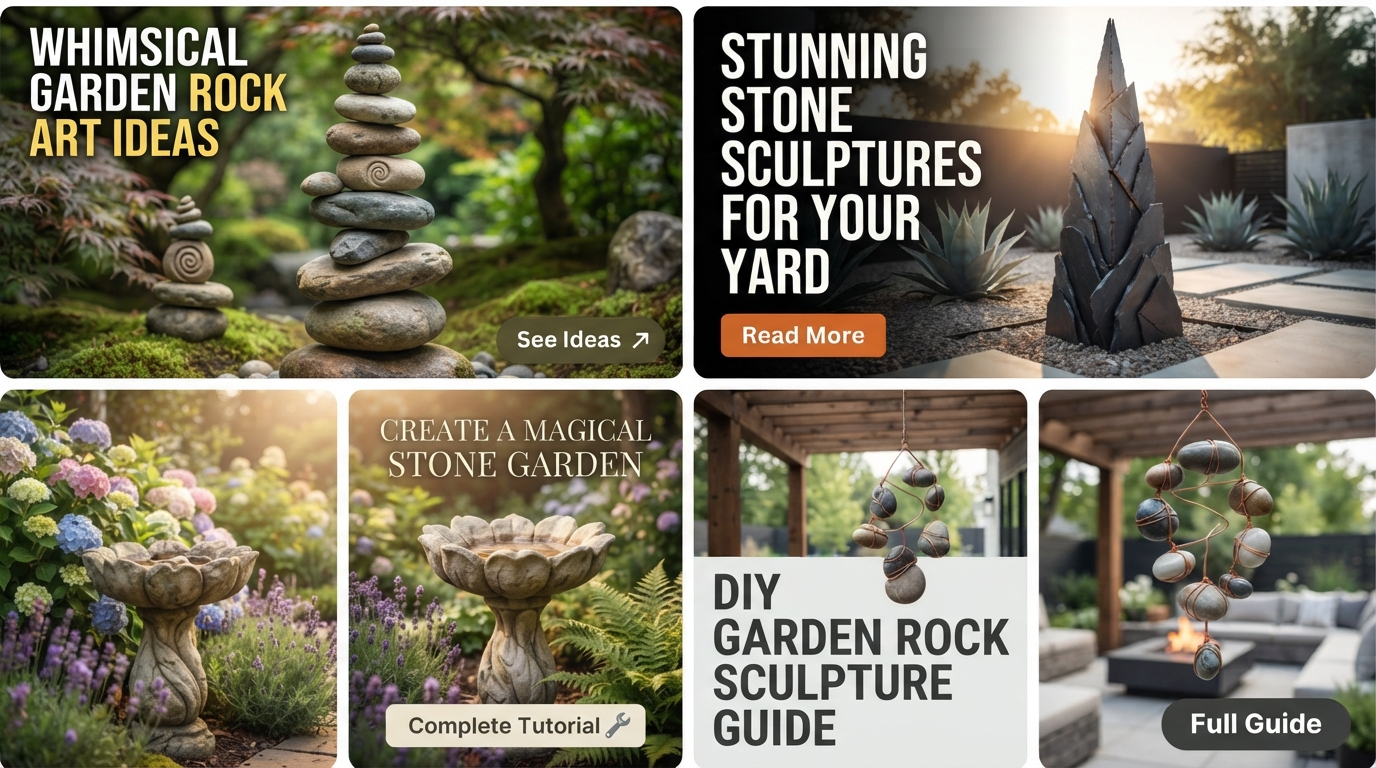
Rock sculptures and garden stone art can transform an ordinary outdoor space into a striking landscape filled with texture, character, and natural beauty. From carefully balanced stones and carved sculptures to modern stone installations and artistic rock arrangements, stone can become one of the most memorable features in a garden.
Garden stone art works with many landscaping styles, including modern, Japanese, Zen, cottage, rustic, Mediterranean, desert, and naturalistic gardens. Whether you have a large backyard or a tiny courtyard, a thoughtfully placed stone sculpture can create a focal point without overwhelming the surrounding plants.
What Is Garden Stone Art?
Garden stone art refers to decorative or sculptural features made from natural or manufactured stone and displayed within a landscape.
Examples include:
- Rock sculptures
- Carved stone statues
- Stacked stone arrangements
- Stone cairns
- Abstract sculptures
- Stone animals
- Decorative boulders
- Rock fountains
- Stone arches
- Engraved stones
- Modern geometric sculptures
The best garden stone art complements the landscape instead of competing with it.
Benefits of Rock Sculptures in a Garden

Stone sculptures can:
- Create a strong focal point
- Add texture and contrast
- Introduce artistic personality
- Work throughout the year
- Complement plants
- Define garden zones
- Enhance pathways
- Create visual interest in empty spaces
Unlike seasonal flowers, stone artwork can remain attractive throughout the year.
Natural Rock Sculpture Garden
A natural rock sculpture can make the garden feel connected to its surroundings.
Choose stones with interesting:
- Shapes
- Colors
- Textures
- Veining
- Weathered surfaces
Position large rocks partially into the ground so they appear naturally integrated rather than simply placed on top of the landscape.
Modern Garden Stone Art
Modern gardens can benefit from bold, simple stone sculptures.
Try:
- Geometric blocks
- Smooth stone spheres
- Abstract forms
- Tall vertical slabs
- Minimalist arrangements
Pair stone with concrete, gravel, metal, and architectural plants for a contemporary look.
Japanese Garden Stone Art
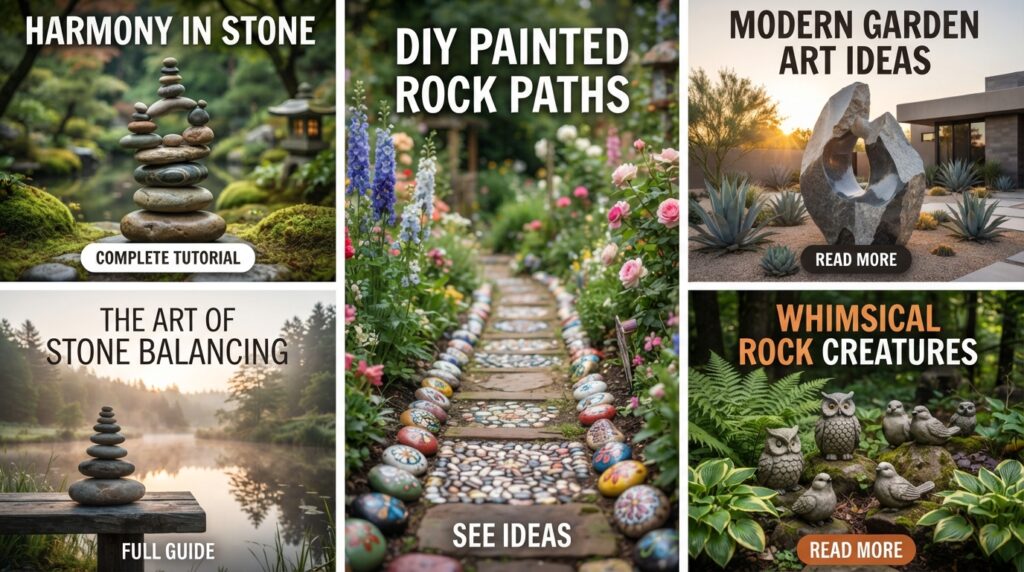
Stone is an essential visual element in Japanese-inspired landscapes.
Use carefully selected rocks alongside:
- Gravel
- Moss where conditions permit
- Water
- Bamboo where appropriate
- Evergreen plants
- Timber features
Avoid overcrowding the garden with too many decorative objects. Thoughtful placement is more important than quantity.
Zen Rock Sculpture Garden
A Zen-inspired rock garden can use a small number of stones to create a calm composition.
Try:
- One large feature rock
- Two smaller supporting stones
- Fine gravel
- Simple evergreen planting
The open space around the rocks is part of the design.
Stacked Rock Sculptures
Stacked stones can create sculptural vertical forms.
Possible arrangements include:
- Three-stone compositions
- Balanced-looking stacks
- Low stone towers
- Natural cairn-inspired displays
For safety, don’t create unstable stacks where people, children, or pets could knock them over. Secure permanent installations appropriately.
Rock Sculpture Garden With Water
Stone and water create a natural partnership.
Consider:
- Stone fountains
- Rock waterfalls
- Bubbling features
- Decorative ponds
- Water channels
Use rocks to create transitions between water and planting areas.
Garden Stone Art With Plants
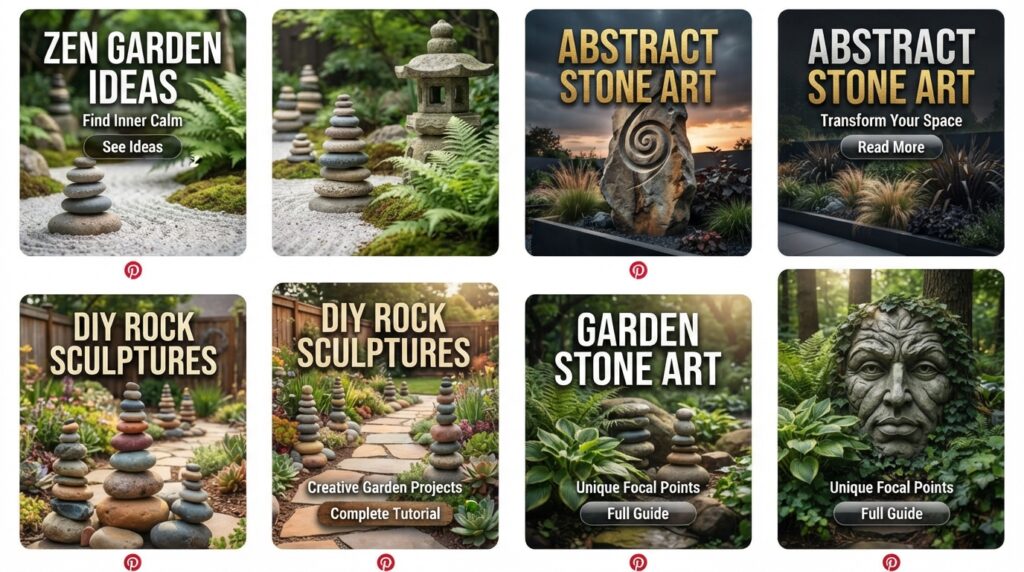
Plants can frame and soften stone sculptures.
Place artwork among:
- Ornamental grasses
- Ferns
- Groundcovers
- Succulents
- Shrubs
- Perennials
Choose plants that match the sunlight and moisture conditions of the location.
Rock Sculptures Among Flowers
A stone sculpture can create contrast within a colorful flower bed.
Use a neutral stone as a visual anchor among:
- Roses
- Lavender
- Daisies
- Salvia
- Perennials
Keep enough space around the sculpture so its shape remains visible.
Rock Sculptures With Succulents
Succulents and rocks are natural companions for sunny, well-drained gardens.
Create a composition using:
- Large boulders
- Gravel
- Small stones
- Succulents
- Cacti where climate allows
Choose plants that are appropriate for your local growing conditions.
Stone Sculpture Garden for a Small Yard
A small garden doesn’t require a large sculpture.
Choose:
- One statement rock
- A compact carved stone
- A small stone sphere
- A simple stacked arrangement
Place it at the end of a pathway, beside a patio, or within a small planting bed.
Rock Sculptures for a Courtyard
Courtyards can benefit from a strong stone focal point.
Combine a sculpture with:
- Gravel
- Simple paving
- A small tree
- Container plants
- Minimalist seating
A limited material palette can make the space feel larger and more cohesive.
Garden Stone Art Along a Pathway
Use small sculptures to guide visitors through a garden.
Place stone art:
- At pathway intersections
- Beside entrances
- Near seating
- Around planting beds
- At the end of a path
Avoid placing sculptures where they narrow or obstruct the walking route.
Large Rock Sculptures
A large boulder or stone sculpture can become a major landscape focal point.
Before installing heavy stone, consider:
- Ground stability
- Access for delivery
- Installation equipment
- Drainage
- Underground utilities
- Safety
Large installations may require professional landscape or structural advice.
Stone Animal Sculptures
Carved or sculpted stone animals can bring personality to a garden.
Popular themes include:
- Birds
- Turtles
- Rabbits
- Fish
- Frogs
- Owls
Use them sparingly for a sophisticated appearance.
Abstract Rock Sculptures
Abstract stone art can create a more artistic and contemporary garden.
Consider sculptures with:
- Curved forms
- Smooth surfaces
- Vertical shapes
- Geometric cuts
- Contrasting textures
Place abstract artwork where it can be appreciated from a seating area or key viewpoint.
Rustic Rock Sculpture Garden
Rustic gardens work well with weathered stone and informal arrangements.
Combine rock art with:
- Gravel
- Wildflowers
- Weathered timber
- Natural pathways
- Native or climate-adapted plants
Allow the landscape to feel relaxed rather than overly symmetrical.
Mediterranean Stone Art
Stone sculptures can complement Mediterranean-inspired landscapes.
Pair them with:
- Gravel
- Terracotta
- Olive trees where climate permits
- Lavender
- Rosemary
- Drought-tolerant plants
Use warm-toned stone for a sun-baked appearance.
Rock Sculpture Garden With Gravel
Gravel provides a simple background that helps stone art stand out.
Use contrasting gravel colors and stone textures to create depth.
A simple composition can be:
Large Rock → Small Stones → Gravel → Low Planting
DIY Garden Stone Art
Small-scale stone art can be a fun DIY project.
Try creating:
- Painted stones
- Engraved stepping stones
- Simple stone mosaics
- Pebble patterns
- Decorative stone arrangements
Use weather-resistant materials and avoid placing loose artwork where it could become a trip hazard.
Painted Garden Stones
Painted stones can add color and personality.
Ideas include:
- Inspirational words
- Simple patterns
- Flowers
- Animals
- Mandala designs
- Garden markers
Use suitable exterior paints and sealers if you want the artwork to withstand outdoor weather.
Stone Mosaic Garden Art
Small stones and pebbles can be arranged into decorative patterns.
Create:
- Spiral designs
- Geometric mosaics
- Flower shapes
- Borders
- Pathway details
Secure permanent mosaics appropriately so loose stones don’t scatter into walking areas.
Rock Sculpture Garden on a Budget
Stone art doesn’t have to be expensive.
Try:
- Locally sourced decorative stones
- Pebble mosaics
- Small sculptures
- Reused suitable rocks
- DIY painted stones
Check local regulations before collecting natural rocks from public or protected areas.
How to Design a Rock Sculpture Garden
Step 1: Choose the Garden Style
Decide whether your landscape is modern, Japanese-inspired, rustic, cottage, Zen, Mediterranean, or naturalistic.
Step 2: Select a Focal Area
Choose where you want the sculpture to attract attention.
Step 3: Consider Scale
Match the artwork to the size of the garden.
Step 4: Plan the Background
Use gravel, foliage, walls, or open space to frame the sculpture.
Step 5: Add Supporting Elements
Use smaller rocks and plants to create a balanced composition.
Step 6: Check Safety
Make sure sculptures are stable and don’t interfere with paths, drainage, or garden activities.
Step 7: Add Lighting
Use subtle landscape lighting to highlight important stone features at night.
How to Make Stone Art Look Natural
Avoid placing every stone at the same height or distance.
Instead:
- Vary sizes
- Mix textures
- Partially bury large rocks
- Repeat stone types
- Use natural planting
- Leave open space
A few carefully placed rocks can often look more convincing than a crowded collection.
Common Garden Stone Art Mistakes
Using Too Many Sculptures
Too many focal points can make a garden feel cluttered.
Ignoring Scale
A massive sculpture can overwhelm a small courtyard.
Poor Placement
Don’t place artwork where it blocks paths or important garden views.
Unstable Rocks
Heavy stones should be installed securely.
Wrong Style
A sculpture should complement the architecture and landscaping around it.
Frequently Asked Questions
What stones are best for garden sculptures?
The best stone depends on the desired appearance, climate, durability, and type of sculpture. Natural boulders, granite, limestone, sandstone, and other suitable exterior stones can all work.
How do I display rocks in my garden?
Create a focal composition using one or more stones, then frame them with gravel, plants, pathways, or open space.
Can I make garden stone art myself?
Yes. Small pebble mosaics, painted stones, engraved markers, and simple decorative arrangements can be DIY projects.
How do I make a rock sculpture garden look modern?
Use a limited palette, large geometric stones, simple gravel, architectural plants, and plenty of open space.
Are rock sculptures suitable for small gardens?
Absolutely. A single carefully chosen stone or compact sculpture can provide a strong focal point without taking up much space.
Conclusion
Rock sculptures and garden stone art can add lasting beauty, structure, and personality to an outdoor space. Whether you prefer natural boulders, Japanese-inspired stone arrangements, modern geometric sculptures, colorful painted rocks, or artistic pebble mosaics, stone offers endless creative possibilities.
Begin with one focal piece and design the surrounding landscape to support it. Combine stone with gravel, plants, pathways, water, and subtle lighting to create a balanced composition. With thoughtful placement and secure installation, garden stone art can become a memorable feature that enhances the landscape throughout the year.