 By John
A home vegetable garden is one of the most rewarding ways to enjoy fresh, healthy produce while making the most of your outdoor space. Whether you have a large backyard, a small patio, or even a sunny balcony, you can grow a variety of vegetables that provide delicious harvests throughout the growing season.
Growing your own vegetables not only saves money over time but also allows you to enjoy freshly picked produce, reduce food waste, and experience the satisfaction of cultivating your own food. With proper planning and regular care, a home vegetable garden can become a productive and beautiful part of your landscape.
Why Start a Home Vegetable Garden?
A vegetable garden offers many benefits for homeowners and families.
Some of the biggest advantages include:
- Fresh, homegrown vegetables
- Better control over growing methods
- Reduced grocery expenses over time
- Enjoyable outdoor activity
- Beautiful and productive landscaping
- Opportunities to learn gardening skills
- A habitat that can support pollinators and beneficial insects
Even a small garden can produce a surprising amount of food with thoughtful planning.
Choose the Best Location
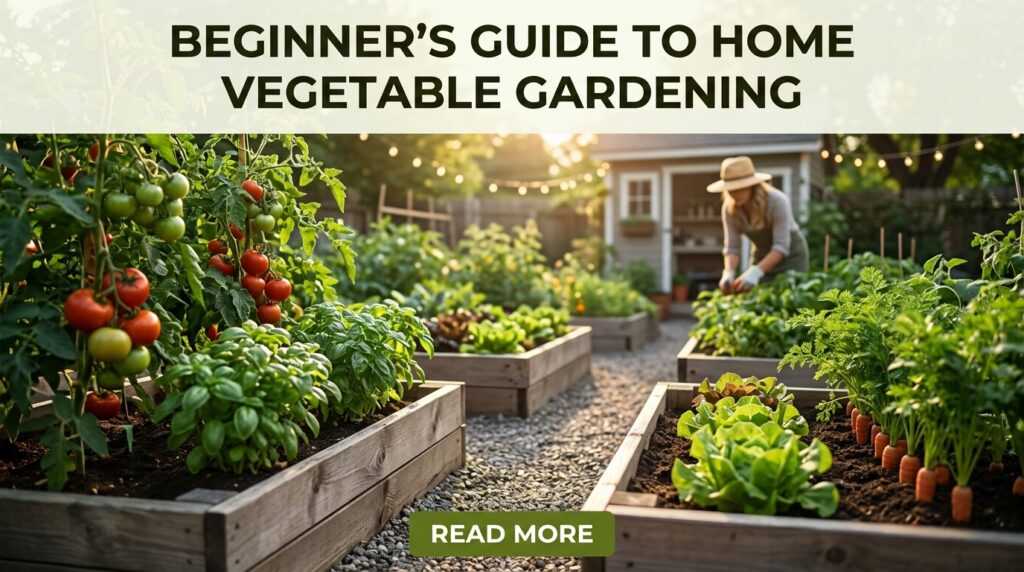
Most vegetables grow best with plenty of sunlight.
Look for a location that offers:
- Six to eight hours of direct sunlight daily for most fruiting vegetables
- Good air circulation
- Easy access to water
- Well-drained soil
- Convenient access for harvesting and maintenance
Avoid planting in areas where water regularly collects after rain.
Decide on a Garden Style
Choose a design that fits your available space.
Popular options include:
In-Ground Garden
Traditional garden beds provide plenty of room for vegetables.
Raised Garden Beds
Raised beds improve drainage, make soil management easier, and simplify maintenance.
Container Garden
Containers are perfect for patios, balconies, and small yards.
Vertical Garden
Grow climbing vegetables on trellises to maximize limited space.
Plan Your Garden Layout
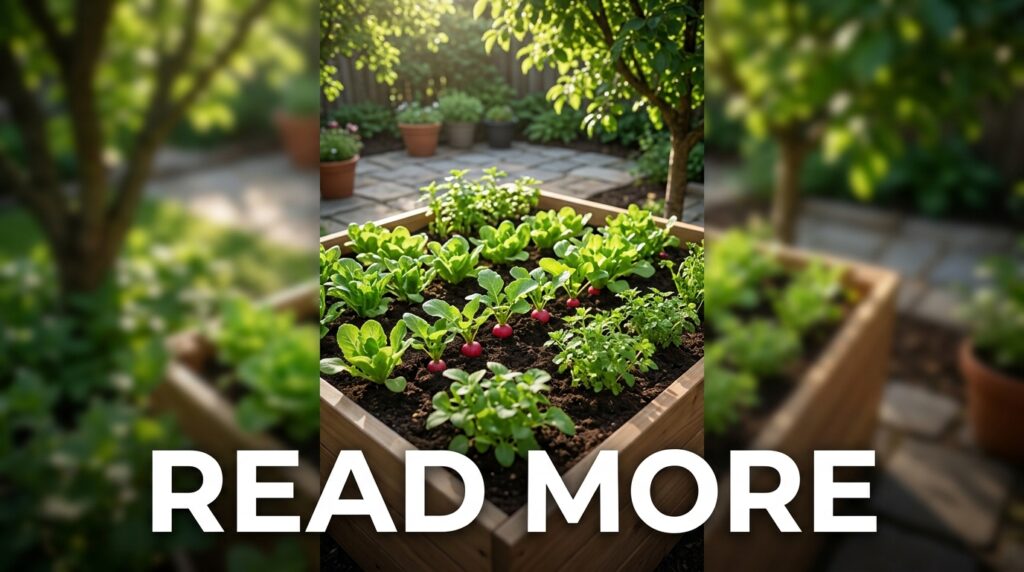
A good layout improves both productivity and convenience.
Arrange taller crops where they are less likely to shade shorter plants during the day.
Leave enough space between rows and beds for comfortable walking and maintenance.
Include areas for:
- Vegetable beds
- Herb garden
- Compost bin
- Water source
- Garden paths
Planning before planting helps avoid overcrowding later in the season.
Prepare Healthy Soil
Healthy soil is the foundation of a successful vegetable garden.
Improve soil by adding:
- Compost
- Well-rotted organic matter
- Leaf mold
- Other suitable soil amendments based on local conditions
If possible, test your soil before planting to determine nutrient levels and pH.
Avoid working soil when it is excessively wet.
Easy Vegetables for Beginners
If you’re new to gardening, start with reliable and productive crops.
Popular beginner-friendly choices include:
- Lettuce
- Spinach
- Radishes
- Green beans
- Carrots
- Cucumbers
- Zucchini
- Tomatoes
- Peppers
- Swiss chard
Choose varieties suited to your local climate and growing season.
Grow Fresh Herbs
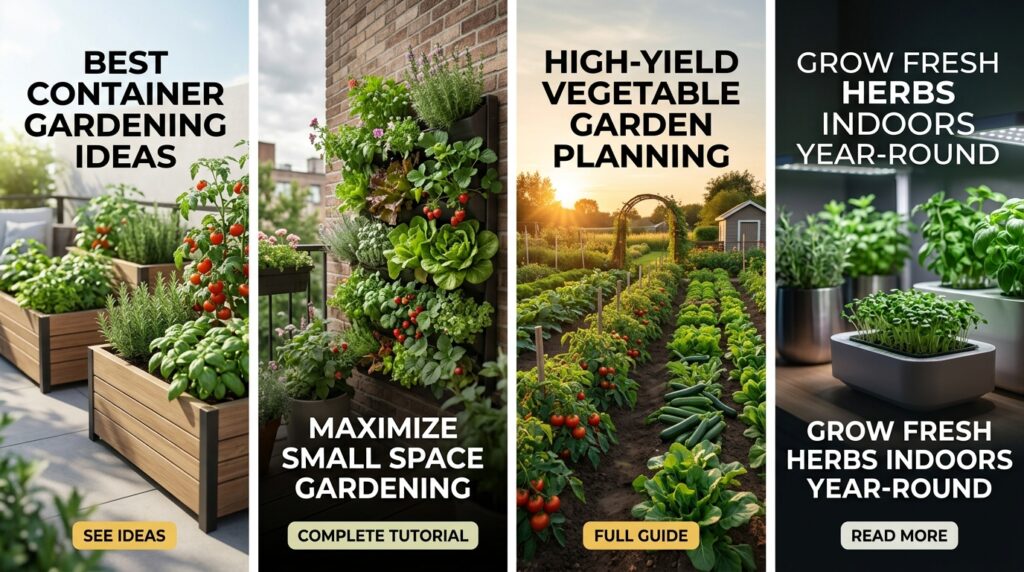
A home vegetable garden is even more useful with herbs.
Popular herbs include:
- Basil
- Parsley
- Cilantro
- Rosemary
- Thyme
- Chives
- Oregano
- Mint (best grown in containers because it can spread aggressively)
Fresh herbs are easy to harvest and enhance many home-cooked meals.
Companion Planting
Some gardeners use companion planting to increase diversity and support beneficial insects.
Examples include:
- Flowers near vegetables to attract pollinators
- Herbs mixed among vegetables
- Leafy greens between slower-growing crops
Companion planting should complement, not replace, good gardening practices.
Water Your Garden Properly
Consistent watering is important for healthy growth.
General tips include:
- Water deeply rather than lightly.
- Water early in the morning when practical.
- Avoid frequent wetting of foliage where possible.
- Adjust watering based on weather, soil type, and plant needs.
Mulch can help conserve soil moisture.
Add Mulch
Mulching offers several benefits.
It helps:
- Retain moisture
- Reduce weeds
- Moderate soil temperature
- Improve soil as organic mulch breaks down
Keep mulch slightly away from plant stems to reduce the risk of rot.
Support Climbing Vegetables
Many vegetables benefit from vertical supports.
Use trellises, cages, or stakes for crops such as:
- Tomatoes
- Cucumbers
- Pole beans
- Peas
Vertical growing improves airflow and can make harvesting easier.
Attract Pollinators
Many vegetable gardens benefit from bees and other pollinating insects.
Plant flowers nearby, such as:
- Marigolds
- Cosmos
- Zinnias
- Sunflowers
- Native wildflowers
Providing pollinator-friendly habitat can improve biodiversity in your garden.
Keep Pests Under Control
Inspect plants regularly for signs of pest damage.
Helpful practices include:
- Removing damaged leaves
- Encouraging beneficial insects
- Keeping the garden clean
- Rotating crops each season where practical
- Using appropriate pest management methods only when needed
Identify pests accurately before taking action.
Harvest at the Right Time
Harvest vegetables when they reach their ideal size and maturity.
Frequent harvesting often encourages continued production in crops such as beans, cucumbers, and zucchini.
Use clean, sharp tools when appropriate to avoid damaging plants.
Seasonal Planting Guide
Spring
Plant cool-season crops such as:
- Lettuce
- Spinach
- Peas
- Radishes
- Carrots
Summer
Grow warm-season vegetables including:
- Tomatoes
- Peppers
- Cucumbers
- Beans
- Squash
Autumn
Plant another round of cool-season vegetables where the climate allows.
Winter
In mild climates or protected spaces, grow leafy greens and other cold-tolerant crops suited to local conditions.
Small Home Vegetable Garden Ideas
Limited space doesn’t mean limited harvests.
Try:
- Raised beds
- Containers
- Vertical planters
- Hanging baskets
- Window boxes
- Square-foot gardening
Focus on high-yield crops that you enjoy eating.
Home Vegetable Garden on a Budget
Start gardening without spending a fortune.
Save money by:
- Growing vegetables from seeds
- Reusing containers
- Making homemade compost
- Building DIY raised beds
- Collecting rainwater where legal and practical
- Propagating herbs
Expand your garden gradually as your experience grows.
Common Mistakes to Avoid
Planting Too Much
Start with a manageable garden size.
Ignoring Sunlight
Most vegetables need plenty of light to produce well.
Overwatering
Waterlogged soil can damage roots and encourage disease.
Poor Plant Spacing
Overcrowded plants compete for light, water, and nutrients.
Forgetting Crop Rotation
Rotating crops can help reduce certain soil-borne pests and diseases over time.
Frequently Asked Questions
What vegetables are easiest to grow at home?
Lettuce, radishes, beans, cucumbers, tomatoes, zucchini, spinach, and peppers are popular beginner-friendly choices, depending on your climate.
How much sunlight does a vegetable garden need?
Most fruiting vegetables perform best with six to eight hours of direct sunlight daily, while some leafy greens can tolerate partial shade.
Can I grow vegetables in containers?
Yes. Many vegetables, herbs, and compact varieties grow successfully in containers with adequate soil, drainage, water, and sunlight.
How often should I water a vegetable garden?
Watering depends on weather, soil, and crop type. Aim to keep the soil consistently moist but not waterlogged.
What is the best soil for vegetables?
Most vegetables thrive in fertile, well-drained soil enriched with organic matter and appropriate nutrients.
Conclusion
A home vegetable garden is a practical and enjoyable way to grow fresh produce while creating a healthier and more sustainable outdoor space. Whether you choose raised beds, containers, or traditional garden rows, success begins with good planning, healthy soil, proper sunlight, and regular maintenance.
Start with easy vegetables, improve your soil with compost, water consistently, and harvest crops at their peak. As your confidence grows, you can expand your garden with new vegetables, herbs, and companion flowers, creating a productive space that provides fresh food and enjoyment for years to come.