
 By John
A kids garden is more than just a place to grow flowers and vegetables—it’s an outdoor classroom, a playground, and a space where imagination can flourish. Gardening teaches children valuable life skills, including responsibility, patience, creativity, and an appreciation for nature. Whether you have a large backyard or a small patio, there are countless ways to design a garden that inspires children to explore and learn.
From fairy gardens and sunflower houses to sensory paths and vegetable patches, a kid-friendly garden can provide hours of entertainment while encouraging outdoor activity. The best kids gardens combine fun, education, and hands-on experiences that help children connect with the natural world.
This complete guide explores the best kids garden ideas, DIY projects, plants, and design tips to help you create a magical outdoor space for children of all ages.
Why Create a Kids Garden?
A children’s garden offers many benefits:
- Encourages outdoor play
- Teaches gardening skills
- Promotes creativity
- Supports physical activity
- Improves mental well-being
- Builds responsibility
Gardening is an excellent way to reduce screen time and encourage family bonding.
Best Kids Garden Ideas
Fairy Garden
Create a miniature world with:
- Tiny houses
- Pebble pathways
- Mini benches
- Small plants
Fairy gardens are especially popular with younger children.
Sunflower House
Plant tall sunflowers in a circle to create a natural playhouse.
Add:
- A small bench
- Decorative signs
- Garden ornaments
Children love having their own secret outdoor hideaway.
Vegetable Patch
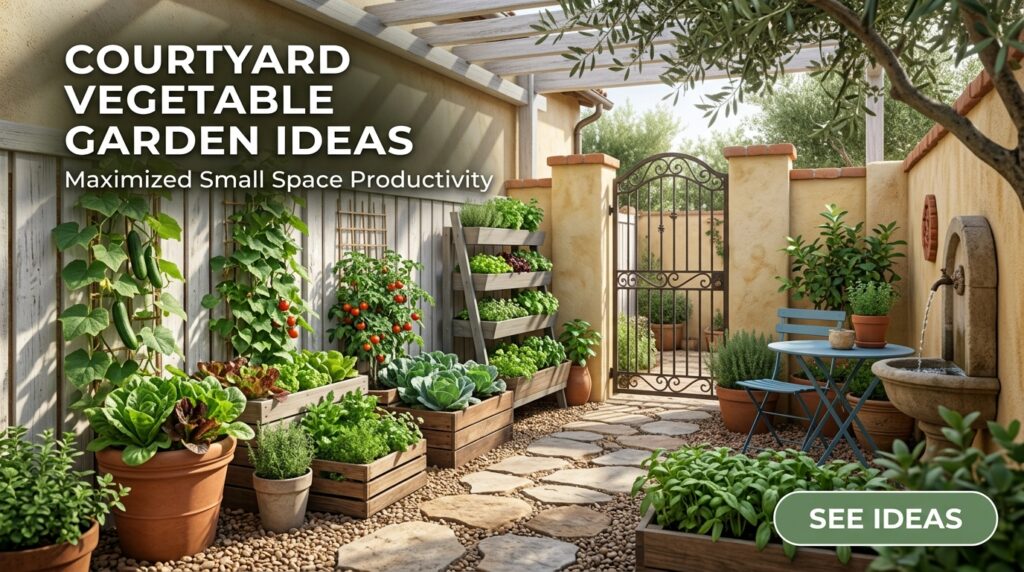
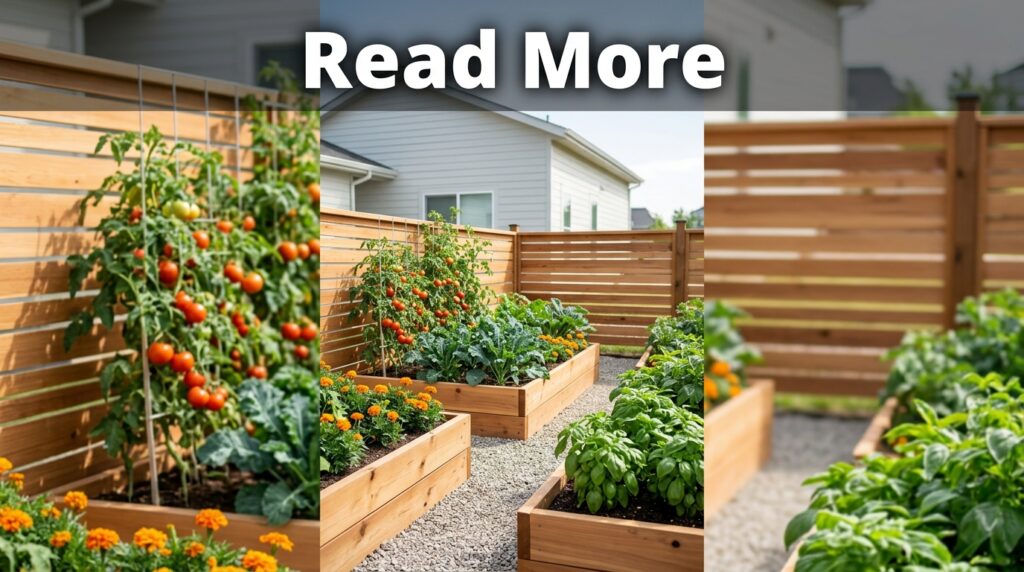
Easy vegetables for kids include:
- Cherry tomatoes
- Carrots
- Lettuce
- Peas
- Strawberries
Growing food teaches children where their meals come from.
Sensory Garden
Include plants with different textures and scents.
Popular choices:
- Lavender
- Mint
- Lamb’s ear
- Rosemary
- Ornamental grasses
A sensory garden engages all five senses.
Dinosaur Garden
Combine miniature dinosaurs with rocks, succulents, and sand to create a prehistoric landscape.
DIY Garden Projects for Kids
Painted Rock Garden
Let children decorate rocks with:
- Animals
- Flowers
- Inspirational messages
Bird Feeder Station
Build simple bird feeders using:
- Pinecones
- Peanut butter
- Bird seed
Garden Markers
Create plant labels from:
- Painted stones
- Popsicle sticks
- Wooden spoons
Wind Chimes
Use recycled materials to make colorful garden decorations.
Best Plants for Kids
Choose plants that are easy to grow and safe to handle.
Sunflowers
Fast-growing and impressive in height.
Marigolds
Bright, cheerful, and easy to maintain.
Nasturtiums
Edible flowers that add color to the garden.
Snapdragons
Fun flowers that children enjoy squeezing.
Mint
Fragrant and vigorous.
Strawberries
A delicious reward for young gardeners.
Create a Garden Treasure Hunt
Hide items around the garden and provide clues.
Ideas include:
- Painted stones
- Fairy figurines
- Toy insects
- Small treasures
Treasure hunts make gardening even more exciting.
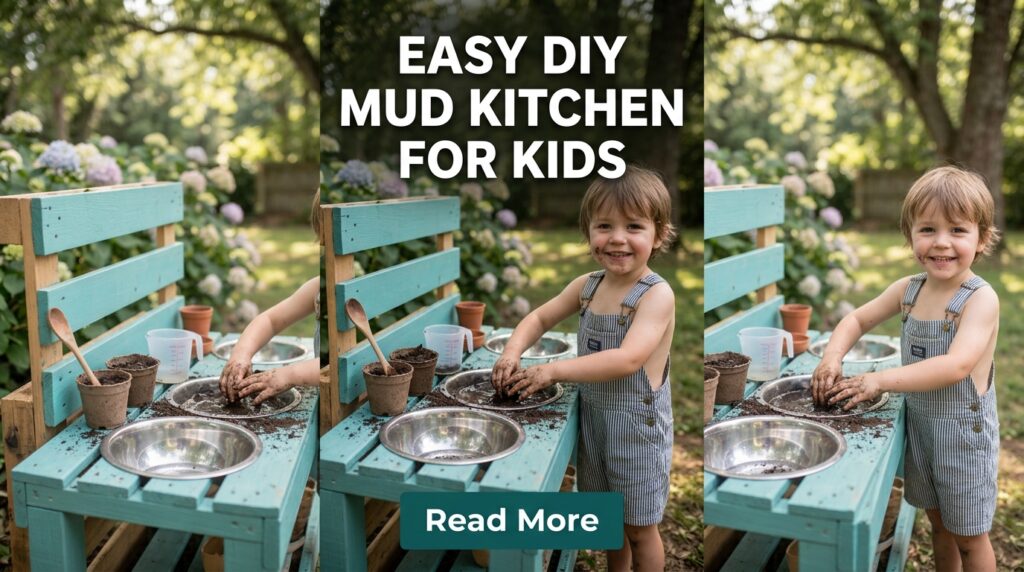
Build a Mud Kitchen
Mud kitchens encourage imaginative play.
Include:
- Old pots and pans
- Wooden shelves
- Buckets
- Measuring cups
Children can create “garden recipes” using soil, leaves, and flowers.
Add Water Features
Simple water features provide sensory experiences.
Options include:
- Small fountains
- Water tables
- Birdbaths
Always supervise children around water.
Create a Reading Corner
Add:
- Outdoor cushions
- A small bench
- Shade from a pergola or tree
A garden reading nook encourages quiet time outdoors.
Garden Themes Kids Love
Pirate Garden
Include:
- Treasure chests
- Pirate flags
- Wooden signs
Butterfly Garden
Plant:
- Milkweed
- Lavender
- Coneflowers
Rainbow Garden
Arrange flowers by color for a vibrant display.
Space Garden
Use silver plants and planet-themed decorations.
Educational Activities
Teach children about:
- Plant life cycles
- Pollinators
- Composting
- Weather patterns
- Wildlife identification
Gardens provide endless learning opportunities.
Small Garden Ideas for Kids
Even compact spaces can become magical.
Try:
- Container gardens
- Window boxes
- Vertical gardens
- Hanging baskets
Small gardens are easier for children to maintain.
Safety Tips
- Avoid toxic plants.
- Use child-sized tools.
- Supervise younger children.
- Keep chemicals out of reach.
- Provide shade and drinking water.
Safety should always be a priority.
Maintenance Tips
Keep Tasks Simple
Assign age-appropriate responsibilities such as watering or harvesting.
Rotate Activities
Introduce new projects regularly to maintain interest.
Celebrate Success
Praise children for their efforts and achievements.
Garden Together
Family participation makes gardening more enjoyable.
Common Mistakes to Avoid
Choosing Difficult Plants
Start with easy-to-grow varieties.
Making the Garden Too Formal
Allow space for creativity and play.
Overloading Children with Chores
Keep gardening fun rather than turning it into work.
Ignoring Their Interests
Involve children in planning and decision-making.
Forgetting Seating Areas
Provide spaces where children can relax and enjoy their garden.
Frequently Asked Questions
What is the best age to start gardening?
Children as young as two or three can participate in simple gardening activities with supervision.
Which plants are easiest for children to grow?
Sunflowers, marigolds, strawberries, and peas are excellent beginner choices.
Can kids have a garden in a small space?
Absolutely. Container and vertical gardens work well for balconies and patios.
How do I keep children interested in gardening?
Incorporate themes, crafts, treasure hunts, and edible plants.
Are fairy gardens suitable for children?
Yes. Fairy gardens are one of the most popular gardening activities for kids and encourage imaginative play.
Conclusion
Kids garden ideas offer a wonderful opportunity to combine learning, creativity, and outdoor fun. Whether you’re building a sunflower house, planting a vegetable patch, or creating a magical fairy garden, a child-friendly garden can become a cherished space for exploration and discovery.
By choosing easy plants, incorporating interactive features, and encouraging hands-on participation, you can create an outdoor environment that inspires children to connect with nature. With a little imagination and thoughtful planning, your kids garden can provide memories and life lessons that last a lifetime.