
 By John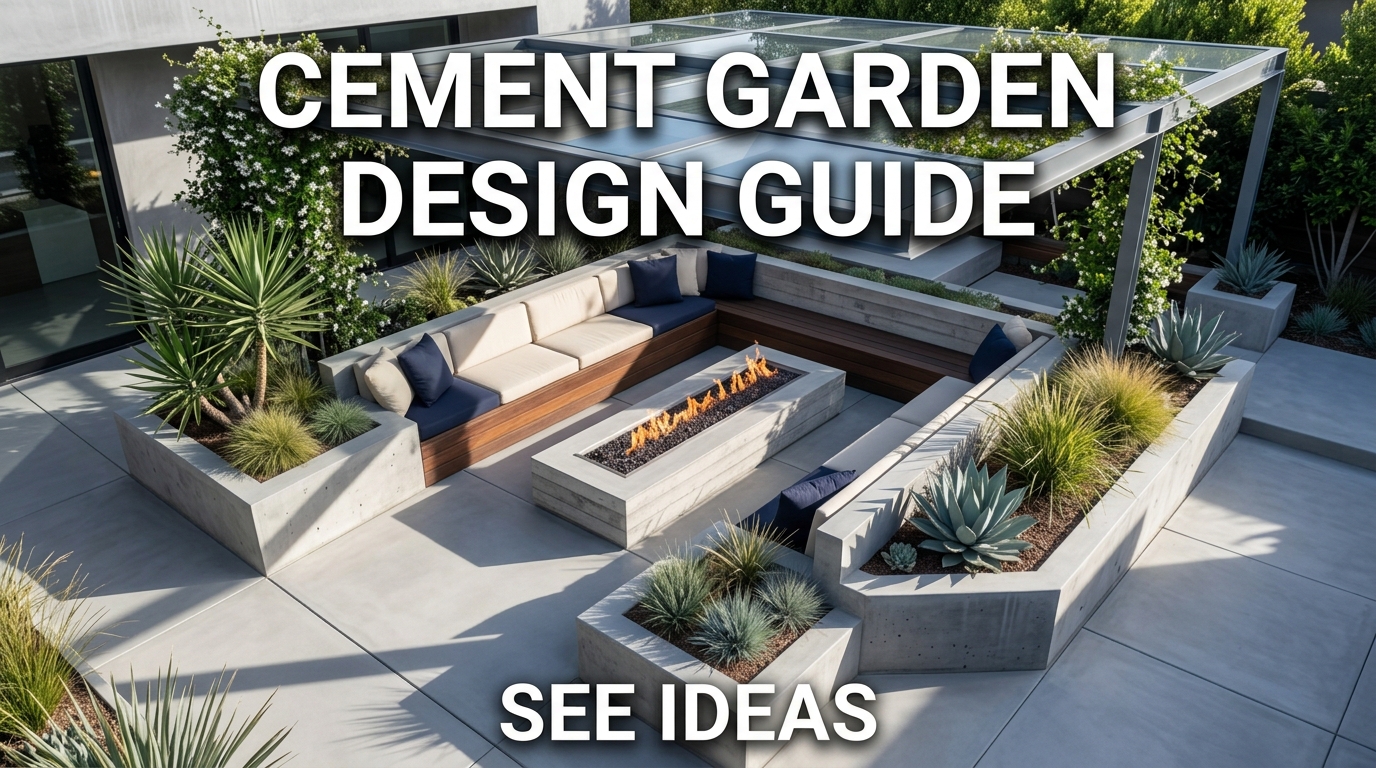
A cement garden is a contemporary landscaping style that combines the durability of concrete with the beauty of plants and outdoor living elements. Far from looking cold or industrial, modern cement gardens can be elegant, minimalist, and highly functional. Whether you’re designing a small courtyard, rooftop garden, patio, or backyard retreat, cement provides a versatile foundation that works with virtually every garden style.
Cement is increasingly popular in landscaping because it is durable, affordable, low maintenance, and available in countless finishes. From polished concrete patios and raised planters to stepping stones and water features, cement can be used to create a cohesive outdoor design that complements both modern and traditional homes.
This complete guide explores the best cement garden ideas, layouts, materials, and maintenance tips to help you create a beautiful and practical outdoor space.
What Is a Cement Garden?
A cement garden uses concrete or cement-based elements as a major part of its design.
Common features include:
- Concrete patios
- Cement pathways
- Raised planters
- Retaining walls
- Outdoor seating
- Water features
- Decorative sculptures
- Concrete pavers
These elements are often paired with lush greenery to create a balanced and inviting landscape.
Benefits of a Cement Garden
Exceptional Durability
Concrete can withstand harsh weather conditions and last for decades.
Low Maintenance
Unlike wood, cement does not rot, warp, or attract pests.
Versatile Design Options
Concrete can be polished, stamped, painted, or textured.
Cost-Effective
It is often more affordable than natural stone.
Modern Appearance
Cement complements contemporary architecture beautifully.
Cement Garden Layout Ideas
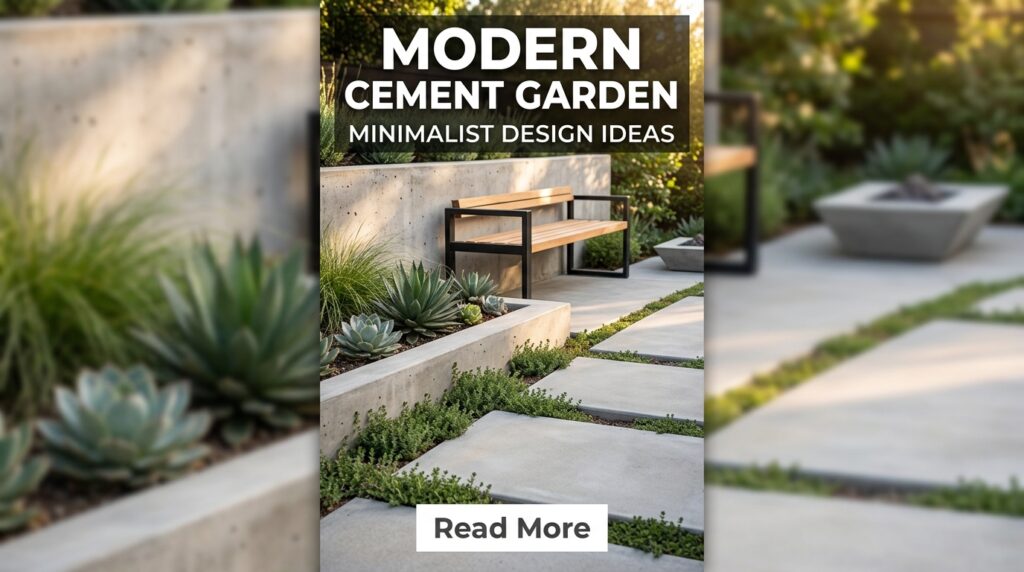
Minimalist Courtyard
- Large concrete pavers
- Ornamental grasses
- Built-in bench
- Simple water feature
Backyard Retreat
- Concrete patio
- Raised beds
- Pergola
- Outdoor dining area
Rooftop Garden
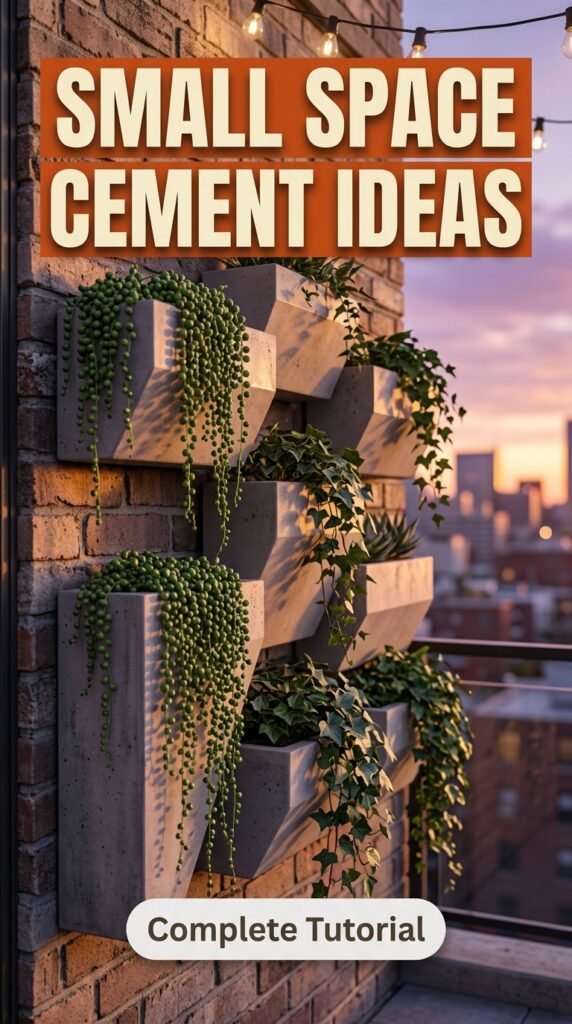
- Lightweight planters
- Modular seating
- Vertical greenery
- Decorative lighting
Front Yard Design
- Concrete pathway
- Mixed flower beds
- Accent lighting
- Statement planters
Concrete Pathway Ideas
Pathways provide structure and improve accessibility.
Popular options include:
- Stepping stones
- Stamped concrete paths
- Exposed aggregate walkways
- Geometric pavers
Adding gravel or ground cover between pavers creates a softer appearance.
Cement Raised Garden Beds
Concrete raised beds offer several advantages:
- Long lifespan
- Excellent structure
- Modern style
- Improved drainage
Use them for:
- Vegetables
- Herbs
- Pollinator gardens
- Ornamental flowers
Concrete planters pair especially well with minimalist landscapes.
Modern Cement Planters
Large cement planters create dramatic focal points.
Best plants include:
- Olive trees
- Snake plants
- Lavender
- Succulents
- Ornamental grasses
Mix planter sizes for visual interest.
Cement Garden Seating

Built-in concrete seating is both stylish and practical.
Ideas include:
- Bench seating
- Fire pit surrounds
- Retaining wall seating
Add cushions and outdoor textiles to soften the look.
Concrete Water Features
Water features bring movement and tranquility.
Popular choices:
- Concrete fountains
- Reflecting pools
- Water bowls
- Pondless waterfalls
Pair water with lighting for a stunning nighttime effect.
Cement Garden Color Schemes
Concrete doesn’t have to be grey.
Popular finishes include:
- Natural grey
- Charcoal
- White concrete
- Sand tones
- Textured finishes
Neutral colors help highlight surrounding plants.
Best Plants for Cement Gardens
Lavender
Provides softness and fragrance.
Boxwood
Adds structure and evergreen interest.
Agave
Perfect for modern and drought-tolerant landscapes.
Japanese Maple
Adds color and elegance.
Ornamental Grasses
Create movement and contrast.
Succulents
Require minimal maintenance and look stunning against concrete.
Soften the Look with Greenery
Too much concrete can feel overwhelming.
Balance hardscaping with:
- Climbing plants
- Hanging baskets
- Flower beds
- Ground covers
- Small trees
The contrast between cement and plants creates visual harmony.
Lighting Ideas
Enhance your cement garden with:
- Recessed pathway lights
- LED strip lighting
- Solar lanterns
- Spotlights
Lighting adds atmosphere and improves safety.
Maintenance Tips
Keep your cement garden looking its best:
- Sweep surfaces regularly.
- Pressure wash annually.
- Seal concrete every few years.
- Remove moss and algae when necessary.
- Repair cracks promptly.
Concrete is relatively low maintenance but benefits from periodic care.
Common Cement Garden Mistakes
Avoid these common issues:
Too Much Hardscaping
Balance concrete with plants and natural materials.
Poor Drainage
Ensure water can flow away from patios and pathways.
Lack of Shade
Include pergolas, umbrellas, or trees for comfort.
Ignoring Scale
Choose features that suit the size of your garden.
Limited Plant Variety
Mix textures, heights, and colors for a more dynamic design.
Budget-Friendly Cement Garden Ideas
- DIY stepping stones
- Concrete block planters
- Cement benches
- Painted concrete pots
- Small water bowls
Many cement projects are suitable for beginners and can be completed over a weekend.
Frequently Asked Questions
Is cement good for gardens?
Yes. Cement is durable, versatile, and works well for pathways, planters, patios, and decorative features.
How do I make a cement garden look less industrial?
Use plenty of plants, warm lighting, wood accents, and natural textures.
Are cement planters better than plastic?
Cement planters are generally more durable and visually appealing, though they are heavier.
Can I create a cement garden in a small space?
Absolutely. Concrete elements work especially well in courtyards, balconies, and compact backyards.
What style works best with cement?
Modern, Mediterranean, minimalist, and tropical garden styles all pair beautifully with concrete.
Conclusion
A cement garden offers the perfect combination of durability, style, and practicality. By incorporating concrete pathways, raised beds, planters, seating, and water features, you can create a modern outdoor space that is both functional and visually impressive.
Whether you’re designing a sleek courtyard, a relaxing backyard retreat, or a compact rooftop oasis, cement provides a versatile foundation that complements a wide variety of plants and design styles. With thoughtful planning and the right balance of hardscape and greenery, your cement garden can become a beautiful and low-maintenance sanctuary that you’ll enjoy for years to come.