
 By John
Simple Garden Design, Easy Landscaping Ideas, Low Maintenance Plants, and Budget-Friendly Garden Inspiration
A simple garden proves that you do not need a large budget, complicated landscaping, or extensive gardening experience to create a beautiful outdoor space. With thoughtful planning, a few well-chosen plants, and functional design elements, even the smallest garden can become a relaxing retreat that adds beauty and value to your home.
Simple gardens focus on clean layouts, easy maintenance, practical features, and natural beauty. Whether you have a small backyard, front yard, patio, balcony, or side garden, a simple design can make the space feel organized, inviting, and enjoyable throughout the year.
This complete guide explores simple garden ideas, plant selections, landscaping tips, and easy design strategies to help you create a stunning outdoor space without unnecessary complexity.
What Is a Simple Garden?
A simple garden is designed to be attractive, functional, and easy to maintain. Instead of overcrowding the space with too many plants, decorations, or features, simple gardens emphasize balance, organization, and natural beauty.
Common characteristics include:
- Clean layouts
- Easy-care plants
- Defined pathways
- Minimal decorations
- Functional seating areas
- Low-maintenance landscaping
- Natural materials
- Open spaces
The goal is to create a peaceful environment that feels welcoming and uncluttered.
Benefits of a Simple Garden
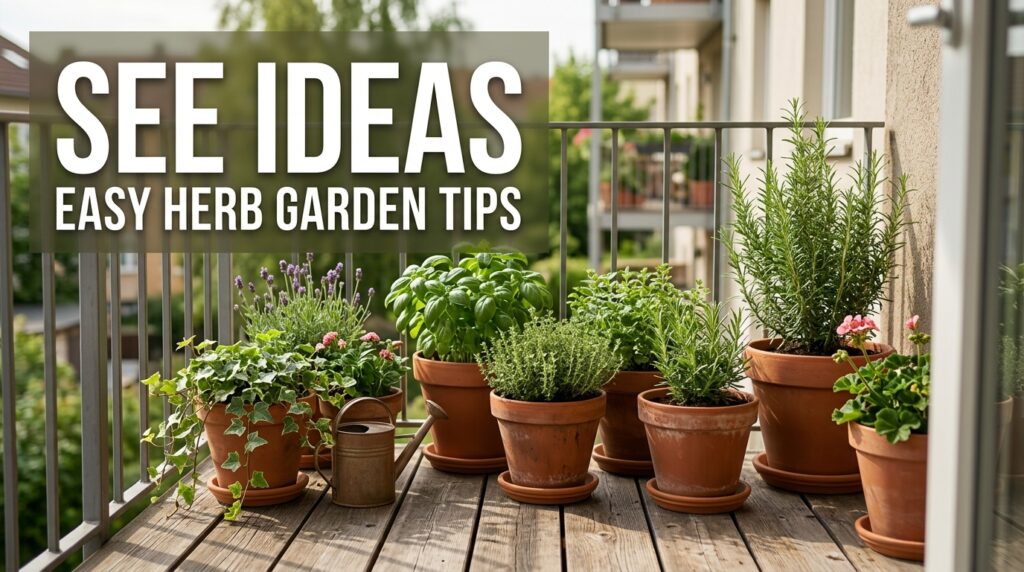
Simple gardens offer many advantages.
Easy Maintenance
Fewer plants and simpler layouts require less work.
Lower Costs
A simple garden often costs less to install and maintain.
Timeless Style
Clean designs rarely go out of fashion.
Stress-Free Gardening
Simple gardens are easier to manage and enjoy.
Better Organization
A clear layout improves the overall appearance of the landscape.
Planning Your Simple Garden
Before planting, take time to plan.
Consider:
Available Space
Measure your garden area carefully.
Sunlight
Observe which areas receive full sun, partial shade, or full shade.
Budget
Determine how much you want to spend.
Purpose
Decide how you will use the garden.
Examples include:
- Relaxation
- Entertaining
- Growing vegetables
- Decorative landscaping
A clear purpose helps guide design decisions.
Start with a Simple Layout
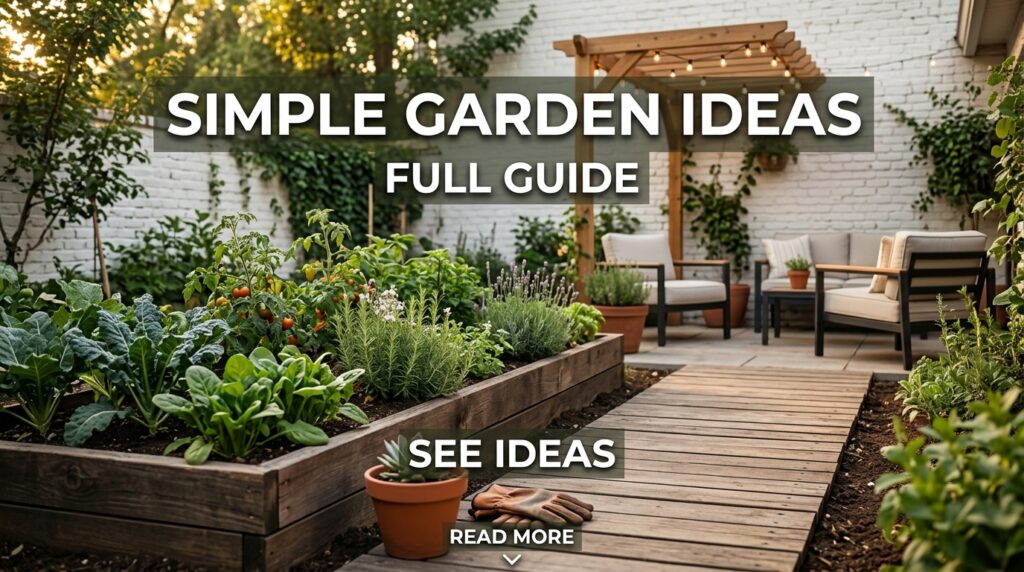
Simple layouts often look the most attractive.
Popular layouts include:
- Rectangular beds
- Curved borders
- Circular flower beds
- Straight pathways
Avoid overly complicated designs that can make maintenance difficult.
Choose Low-Maintenance Plants
Easy-care plants are essential for a simple garden.
Popular choices include:
Lavender
Fragrant, beautiful, and drought tolerant.
Salvia
Long-lasting blooms with minimal care.
Daylilies
Reliable flowers that return every year.
Ornamental Grasses
Add movement and texture.
Boxwood
Provides structure and year-round greenery.
Hydrangeas
Create large, impressive blooms.
Use Repetition in Planting
Repeating the same plants throughout the garden creates a cohesive appearance.
Benefits include:
- Visual harmony
- Easier maintenance
- Professional-looking design
Three to five plant varieties are often enough for a simple garden.
Create Defined Borders
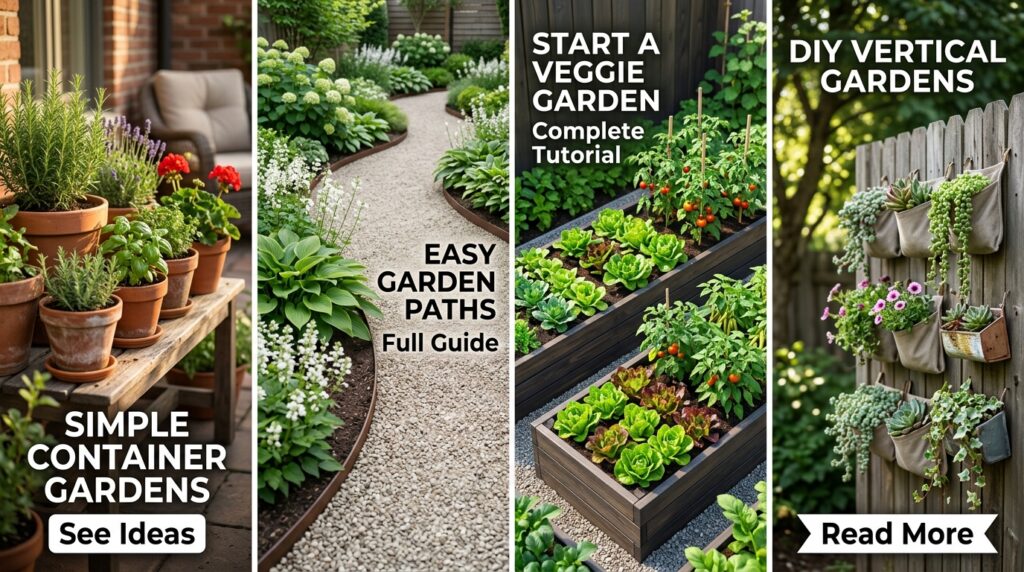
Borders help organize the landscape.
Popular edging materials include:
- Brick
- Stone
- Metal edging
- Wood
Defined edges make gardens look tidy and intentional.
Add Mulch
Mulch is one of the easiest ways to improve a garden.
Benefits include:
- Weed suppression
- Moisture retention
- Improved soil health
- Attractive appearance
Organic mulch works well in most gardens.
Incorporate Simple Pathways
Pathways improve both functionality and aesthetics.
Materials include:
- Gravel
- Stone
- Brick
- Concrete pavers
Straight or gently curved paths work best in simple designs.
Create a Comfortable Seating Area
A seating area encourages you to enjoy your garden.
Options include:
- Garden benches
- Bistro sets
- Adirondack chairs
- Small patios
Choose furniture that complements your garden style.
Add Container Plants
Containers provide flexibility and visual interest.
Popular plants for containers include:
- Herbs
- Petunias
- Lavender
- Succulents
Pots are ideal for patios, balconies, and small gardens.
Simple Flower Garden Ideas
Flowers bring color and charm to outdoor spaces.
Easy-to-grow flowers include:
- Marigolds
- Zinnias
- Coneflowers
- Cosmos
- Black-Eyed Susans
Choose plants suited to your climate and sunlight conditions.
Create a Small Vegetable Garden
Growing food can be simple and rewarding.
Begin with:
- Tomatoes
- Lettuce
- Basil
- Mint
- Peppers
Raised beds make vegetable gardening easier.
Use Decorative Stones
Garden stones add texture and reduce maintenance.
Popular uses include:
- Pathways
- Borders
- Rock gardens
- Ground cover
Natural stone complements most garden styles.
Add a Focal Point
Every garden benefits from a visual centerpiece.
Ideas include:
- Bird baths
- Decorative pots
- Small fountains
- Garden sculptures
Keep focal points simple and proportionate to the space.
Simple Garden Lighting Ideas
Lighting extends enjoyment into the evening.
Popular options include:
- Solar lights
- Path lights
- Lanterns
- String lights
Warm lighting creates a cozy atmosphere.
Small Simple Garden Ideas
Even compact spaces can be beautiful.
Use:
- Vertical gardens
- Hanging baskets
- Compact furniture
- Multi-purpose planters
Avoid overcrowding small gardens.
Budget-Friendly Garden Ideas
Create a simple garden without overspending.
Money-saving tips include:
- Growing plants from seed
- Reusing containers
- Dividing perennials
- Using gravel instead of expensive paving
Creativity often matters more than budget.
Seasonal Interest
Choose plants that provide beauty throughout the year.
Spring
- Tulips
- Daffodils
- Flowering bulbs
Summer
- Lavender
- Salvia
- Roses
Autumn
- Ornamental grasses
- Colorful foliage
Winter
- Evergreens
- Decorative branches
Year-round interest keeps the garden attractive.
Common Mistakes to Avoid
Avoid these simple garden design mistakes:
- Planting too many varieties
- Ignoring mature plant size
- Overdecorating
- Poor pathway planning
- Lack of structure
Simplicity often creates the strongest visual impact.
Maintenance Tips
Keep your garden looking beautiful by:
- Watering consistently
- Removing weeds regularly
- Pruning when necessary
- Refreshing mulch annually
- Feeding plants as needed
Routine care prevents larger problems.
Frequently Asked Questions
What is the easiest garden to maintain?
Gardens with native plants, mulch, gravel pathways, and drought-tolerant species are among the easiest to maintain.
How can I make my garden look beautiful on a budget?
Use simple layouts, repeat plant varieties, add mulch, incorporate stones, and focus on healthy plants rather than expensive decorations.
What plants are best for a simple garden?
Lavender, salvia, ornamental grasses, hydrangeas, daylilies, and boxwood are excellent low-maintenance choices.
Can a simple garden still look elegant?
Yes. Clean lines, healthy plants, defined borders, and thoughtful design often create a more elegant appearance than overly complicated gardens.
How do I start a simple garden?
Begin with a clear plan, choose a few easy-care plants, create defined planting areas, and add functional features such as pathways and seating.
Conclusion
A simple garden is proof that beautiful outdoor spaces do not need to be complicated. By focusing on clean design, low-maintenance plants, practical features, and thoughtful organization, you can create a garden that is both attractive and easy to care for.
Whether you are designing a small backyard, a front yard landscape, a patio garden, or a relaxing outdoor retreat, simplicity can lead to timeless beauty. With careful planning and a few well-chosen elements, your simple garden can become a peaceful space that brings enjoyment throughout the year.