 By John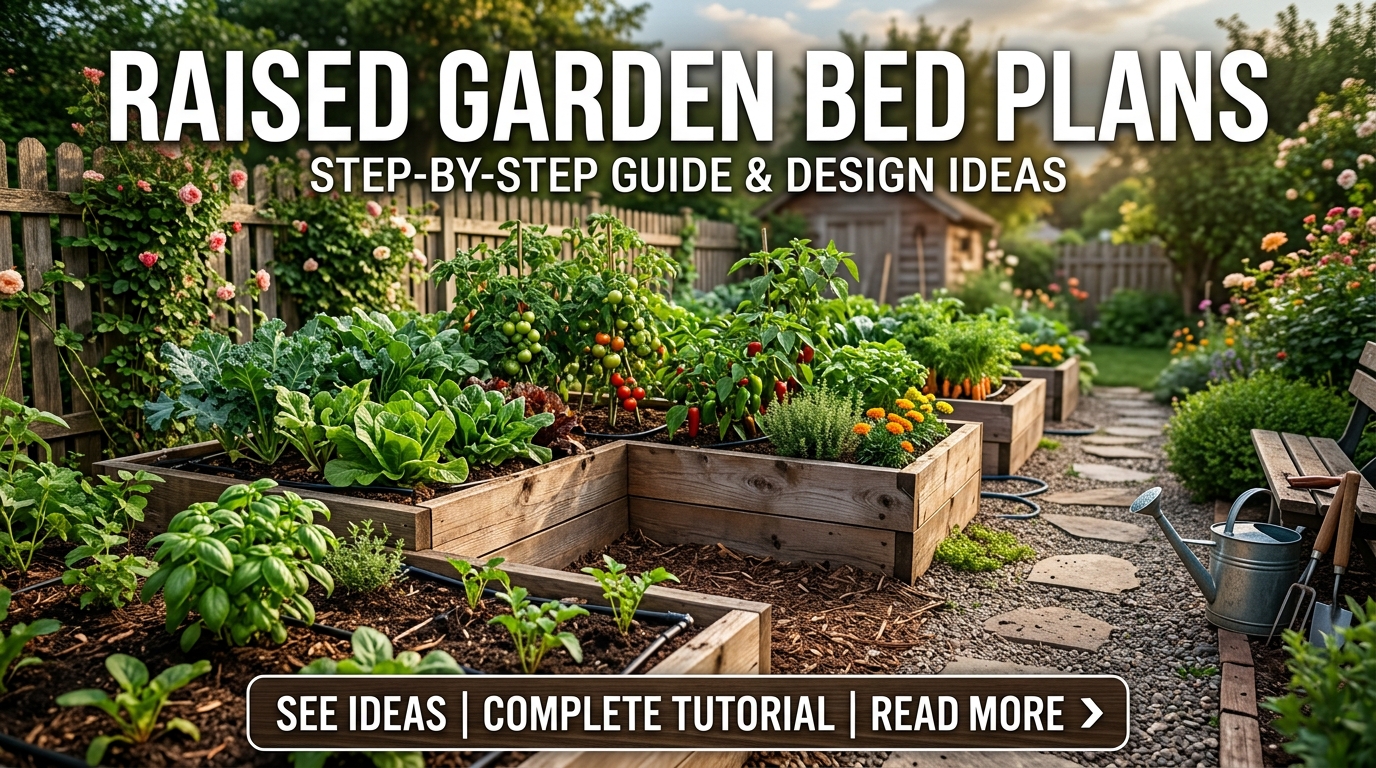
Garden Hacks: Easy DIY Tips and Creative Ideas for a Healthier, More Productive Garden
Gardening is one of the most rewarding hobbies, but it can also be time-consuming and challenging without the right techniques. Fortunately, simple garden hacks can make everyday gardening tasks easier while improving plant health, reducing maintenance, and helping you grow a more productive outdoor space. Whether you’re a beginner or an experienced gardener, clever gardening tricks can save time, reduce costs, and maximize your harvest.
From reusing household items to improving soil naturally, conserving water, controlling weeds, and protecting plants from pests, garden hacks help you work smarter instead of harder. Many of these ideas require little investment yet provide long-lasting benefits for vegetable gardens, flower beds, raised gardens, container plants, and backyard landscapes.
This comprehensive guide explores the best garden hacks for planting, watering, soil improvement, pest control, organization, and maintenance.
Why Garden Hacks Are Useful
Simple gardening tricks provide many advantages.
Benefits include:
- Save time
- Reduce gardening costs
- Improve plant health
- Increase harvests
- Conserve water
- Minimize weeds
- Reduce waste
- Simplify garden maintenance
Small improvements can make a significant difference throughout the growing season.
Plan Before You Plant
One of the best gardening hacks starts before planting.
Create a simple garden plan by considering:
- Sunlight
- Plant spacing
- Water access
- Companion planting
- Walking paths
- Seasonal rotation
Planning reduces mistakes and makes maintenance easier.
Improve Soil with Compost
Healthy soil is the foundation of every successful garden.
Add homemade compost made from:
- Vegetable scraps
- Coffee grounds
- Eggshells
- Dry leaves
- Grass clippings
- Fruit peels
Compost improves soil fertility, drainage, and moisture retention naturally.
Use Coffee Grounds Carefully
Used coffee grounds can improve compost and soil when applied in moderation.
Benefits include:
- Adds organic matter
- Encourages earthworms
- Improves soil texture
- Supports composting
Mix coffee grounds into compost rather than applying thick layers directly around plants.
Eggshell Garden Hack
Crushed eggshells have several practical uses.
They can:
- Add calcium to compost
- Discourage some crawling pests
- Improve compost structure
- Reduce kitchen waste
Allow shells to dry before crushing them finely.
Mulch to Reduce Weeds
Mulching is one of the easiest ways to save time.
Popular mulch materials include:
- Straw
- Wood chips
- Shredded leaves
- Grass clippings
- Pine needles
Mulch helps conserve moisture while suppressing weeds.
Water Early in the Morning
Morning watering reduces evaporation and allows leaves to dry before evening.
Benefits include:
- Healthier plants
- Lower disease risk
- Better moisture absorption
- Water conservation
Deep watering is usually better than frequent shallow watering.
Collect Rainwater
Installing a rain barrel is an excellent water-saving hack.
Advantages include:
- Free irrigation water
- Reduced water bills
- Sustainable gardening
- Better drought preparedness
Rainwater is often ideal for many garden plants.
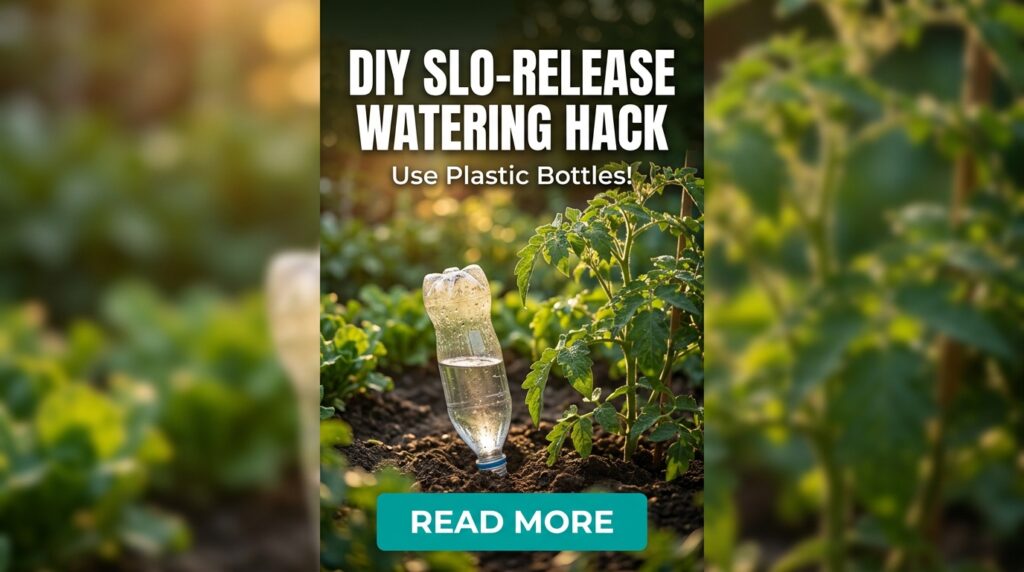
Reuse Household Containers
Repurpose everyday items into garden tools.
Ideas include:
- Yogurt cups for seedlings
- Plastic bottles as watering devices
- Tin cans as planters
- Wooden crates for raised beds
- Buckets for container gardens
Reusing materials saves money and reduces waste.
DIY Seed Starters
Instead of buying seed trays, use:
- Egg cartons
- Cardboard tubes
- Newspaper pots
- Paper cups
Many biodegradable containers can be planted directly into the soil.
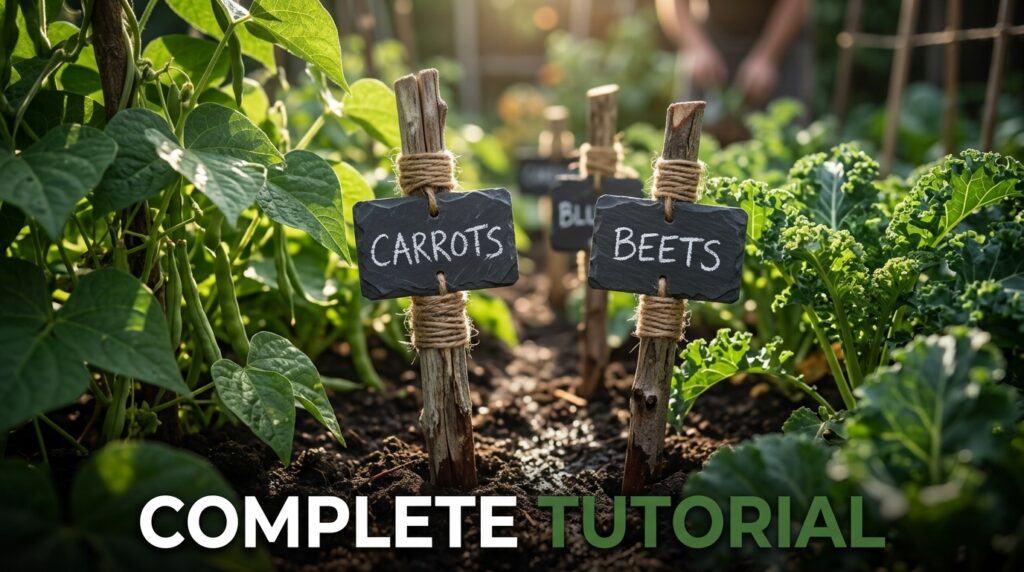
Label Plants Clearly
Avoid forgetting plant varieties by using durable markers.
Creative labels include:
- Wooden craft sticks
- Painted stones
- Metal tags
- Recycled spoons
- Slate markers
Weatherproof labels remain readable throughout the season.
Companion Planting
Some plants naturally support one another.
Helpful combinations include:
- Tomatoes with basil
- Carrots with onions
- Cucumbers with nasturtiums
- Beans with corn
- Lettuce with radishes
Companion planting encourages healthier gardens and better harvests.
Attract Pollinators
Bees and butterflies improve fruit and vegetable production.
Grow flowers such as:
- Lavender
- Bee balm
- Salvia
- Coneflowers
- Marigolds
- Zinnias
Avoid unnecessary pesticide use around pollinator plants.
Encourage Beneficial Insects
Helpful insects naturally control pests.
Beneficial visitors include:
- Ladybugs
- Lacewings
- Hoverflies
- Praying mantises
Plant diverse flowers to support these natural predators.
Support Plants Early
Install stakes, cages, or trellises before plants become large.
Support works well for:
- Tomatoes
- Beans
- Cucumbers
- Peas
- Sunflowers
Early support prevents root damage later.
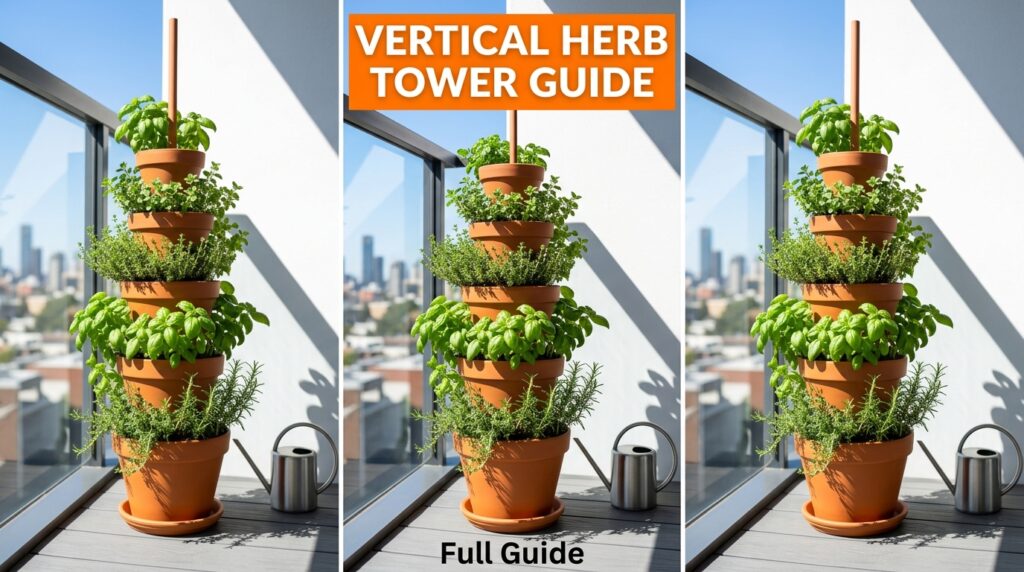
Use Vertical Gardening
Grow upward to maximize limited space.
Ideas include:
- Wall planters
- Hanging baskets
- Trellises
- Garden arches
- Vertical herb gardens
Vertical gardens improve airflow while increasing productivity.
Rotate Crops Every Year
Avoid planting the same vegetables in the same location every season.
Crop rotation helps:
- Reduce pests
- Prevent diseases
- Improve soil fertility
- Balance nutrients
Keeping records simplifies yearly rotation.
Create Raised Garden Beds
Raised beds provide:
- Better drainage
- Improved soil
- Easier maintenance
- Cleaner vegetables
- Reduced weeds
They are especially useful in areas with poor native soil.
Store Garden Tools Properly
Keep tools clean and organized.
Tips include:
- Clean after use
- Dry thoroughly
- Sharpen blades
- Store indoors
- Oil metal parts
Proper maintenance extends tool life.
Use Garden Paths
Defined walkways prevent soil compaction.
Popular materials include:
- Gravel
- Wood chips
- Mulch
- Brick
- Stepping stones
Never step directly on cultivated soil whenever possible.
Grow Herbs Near the Kitchen
Plant frequently used herbs close to your home.
Great choices include:
- Basil
- Mint
- Parsley
- Chives
- Thyme
- Rosemary
Easy access encourages regular harvesting.
Protect Plants with Mulch
Besides weed control, mulch also:
- Regulates soil temperature
- Prevents erosion
- Keeps produce cleaner
- Improves soil structure
Refresh mulch as it naturally decomposes.
Make Natural Plant Supports
Create inexpensive supports using:
- Bamboo poles
- Fallen branches
- Wooden stakes
- Garden twine
DIY supports work well for many climbing vegetables.
Organize Your Garden
Group plants with similar watering needs together.
This makes irrigation more efficient while preventing overwatering or underwatering.
Add Organic Matter Regularly
Healthy soil continues improving with regular additions of:
- Compost
- Leaf mold
- Well-rotted manure
- Organic mulch
Rich soil supports stronger plant growth year after year.
Grow Flowers with Vegetables
Flowers improve both beauty and productivity.
Benefits include:
- Pollinator attraction
- Pest management
- Seasonal color
- Biodiversity
A mixed garden often performs better than a single-crop garden.
Keep a Gardening Journal
Record important information such as:
- Planting dates
- Weather conditions
- Harvest times
- Fertilizer applications
- Successful varieties
Notes help improve future growing seasons.
Seasonal Garden Hacks
Spring
- Test soil
- Add compost
- Start seeds
- Install supports
Summer
- Mulch heavily
- Water deeply
- Harvest regularly
- Watch for pests
Autumn
- Collect leaves for compost
- Clean garden beds
- Plant cool-season crops
- Protect soil with mulch
Winter
- Organize tools
- Plan next year’s garden
- Maintain equipment
- Order seeds early
Gardening becomes easier with seasonal preparation.
Common Gardening Mistakes
Avoid these frequent problems:
- Overwatering
- Overcrowding plants
- Ignoring sunlight needs
- Using poor soil
- Forgetting mulch
- Planting too early
- Skipping maintenance
Small adjustments often produce much better results.
Frequently Asked Questions
What are the easiest garden hacks for beginners?
Using compost, mulch, raised beds, rain barrels, companion planting, and vertical gardening are among the simplest and most effective techniques.
Do garden hacks really improve plant growth?
Yes. Many gardening hacks improve soil quality, conserve water, reduce pests, and make maintenance easier, leading to healthier plants.
What is the best way to reduce weeds naturally?
Applying organic mulch, planting ground covers, and removing weeds early are highly effective methods.
Can I save money with garden hacks?
Absolutely. Reusing containers, making compost, collecting rainwater, and building DIY supports all reduce gardening expenses.
Which garden hack has the biggest impact?
Improving soil with compost is often the most beneficial because healthy soil supports nearly every aspect of successful gardening.
Conclusion
Garden hacks are simple yet powerful techniques that make gardening more enjoyable, productive, and affordable. By improving soil naturally, conserving water, reusing household materials, supporting plants correctly, and planning your garden carefully, you can save time while growing healthier vegetables, flowers, herbs, and fruits.
Whether you maintain a small container garden, a backyard vegetable patch, or an extensive landscape, these practical gardening tips help reduce maintenance and increase success throughout the growing season. With thoughtful planning and a few creative ideas, your garden can become more efficient, beautiful, and rewarding year after year.