
 By John
Garden plans help organize outdoor spaces into beautiful, functional, and easy-to-maintain landscapes. Whether you are designing a small backyard, a vegetable garden, a flower-filled retreat, or a modern outdoor living area, having a well-structured garden plan makes it easier to create a space that looks balanced, practical, and visually appealing.
A thoughtful garden plan considers layout, pathways, plants, seating areas, lighting, and overall style. From cottage gardens and raised beds to modern minimalist landscapes and healing gardens, planning your outdoor space carefully can completely transform the atmosphere and usability of your garden.
In this guide, you’ll discover everything about garden plans, including layout ideas, planting strategies, design styles, pathways, zoning, and landscaping inspiration for every type of outdoor space.
What Are Garden Plans?
Garden plans are organized layouts that show how plants, pathways, seating, water features, and decorative elements will be arranged within a garden space.
Garden planning helps with:
- Space organization
- Plant placement
- Visual balance
- Maintenance efficiency
- Seasonal planning
- Outdoor functionality
A good garden plan combines beauty with practicality.
Benefits of Creating Garden Plans
1. Maximizes Outdoor Space
Planning helps use every part of the garden effectively.
2. Improves Garden Appearance
Balanced layouts create visually attractive landscapes.
3. Makes Maintenance Easier
Organized planting simplifies watering and upkeep.
4. Prevents Overcrowding
Garden plans help avoid poor spacing and clutter.
5. Enhances Outdoor Living
Well-designed spaces improve relaxation and entertainment areas.
Best Types of Garden Plans
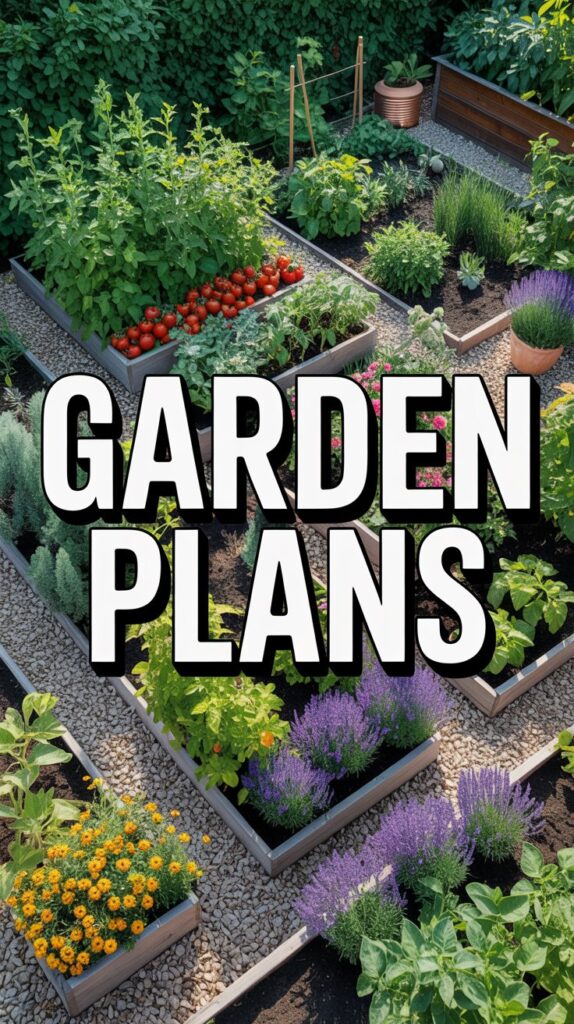
1. Flower Garden Plans
Flower-focused layouts create colorful and decorative landscapes.
Popular Features:
- Flower beds
- Pathways
- Seasonal blooms
- Decorative borders
- Garden arches
Perfect for cottage and ornamental gardens.
2. Vegetable Garden Plans
Vegetable gardens focus on productivity and organization.
Common Layouts:
- Raised beds
- Row planting
- Square foot gardening
- Container gardening
Vegetable garden planning improves harvest efficiency.
3. Small Garden Plans
Compact layouts maximize limited outdoor spaces.
Include:
- Vertical gardening
- Foldable furniture
- Compact pathways
- Potted plants
Perfect for balconies, patios, and urban homes.
4. Modern Garden Plans
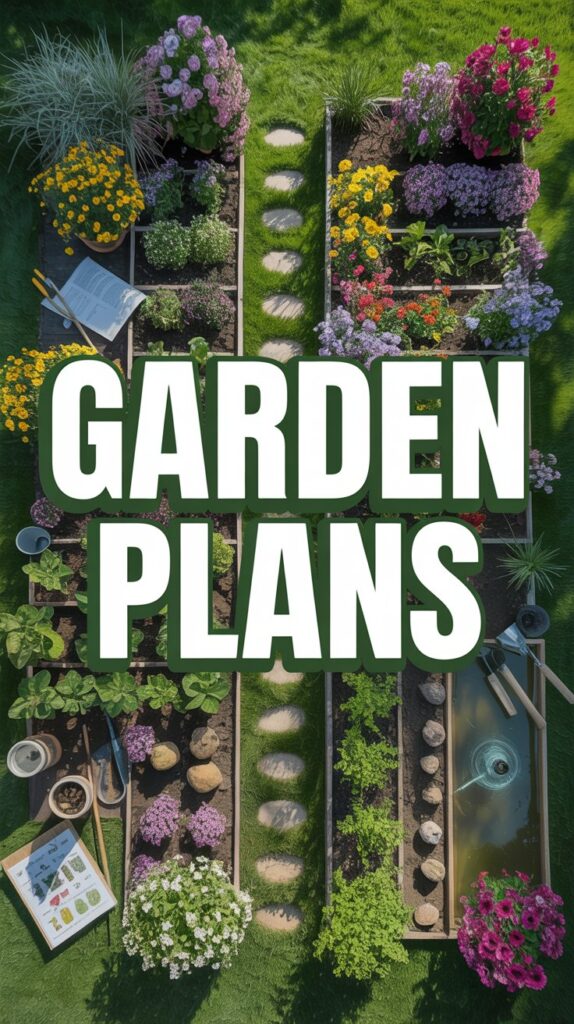
Modern landscaping emphasizes clean lines and simplicity.
Features:
- Geometric layouts
- Minimalist planting
- Concrete pathways
- Neutral colors
Modern gardens create sleek outdoor spaces.
5. Cottage Garden Plans
Cottage gardens feel romantic and natural.
Popular Elements:
- Wildflowers
- Curved paths
- Climbing roses
- Rustic seating
- Dense planting
This style creates soft and colorful landscapes.
How to Create Garden Plans
Step 1: Measure Your Space
Start by measuring:
- Length
- Width
- Sun exposure
- Existing structures
Understanding the space helps create balanced layouts.
Step 2: Decide the Garden Purpose
Ask yourself what you want from the garden.
Popular Goals:
- Relaxation
- Entertaining
- Growing food
- Wildlife attraction
- Decorative beauty
Step 3: Divide the Garden into Zones
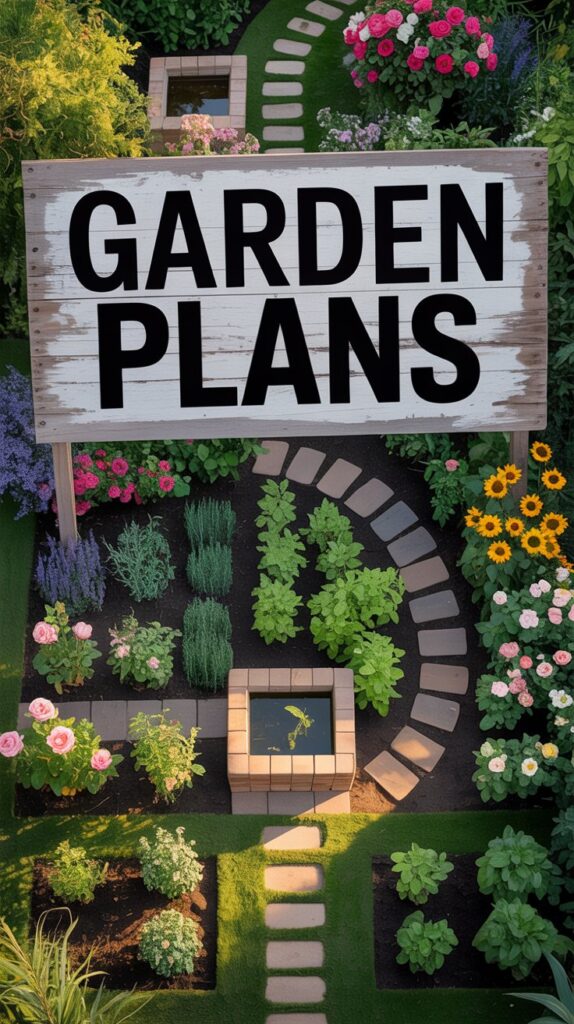
Creating zones improves organization.
Common Garden Zones:
- Seating area
- Planting area
- Dining space
- Pathways
- Water feature section
Step 4: Choose a Style
Select a design style that matches your home and preferences.
Popular Styles:
- Modern
- Rustic
- Mediterranean
- Tropical
- Zen
- Cottage
Step 5: Select Plants Carefully
Choose plants based on:
- Climate
- Sunlight
- Soil type
- Maintenance needs
Small Garden Plan Ideas
Small gardens can still feel spacious and beautiful.
Vertical Garden Plans
Use walls and trellises for planting.
Courtyard Garden Layout
Combine compact seating with greenery.
Narrow Garden Design
Use pathways and layered planting to create depth.
Balcony Garden Plan
Use hanging baskets and potted plants.
Backyard Garden Plan Ideas
Backyards offer more flexibility for outdoor living.
Outdoor Lounge Garden
Add sofas, pergolas, and lighting.
Family Garden Plan
Include play areas and dining spaces.
Fire Pit Garden Layout
Arrange seating around a central fire feature.
Poolside Garden Plan
Combine tropical plants and lounge seating.
Front Yard Garden Plans
Front gardens create strong first impressions.
Symmetrical Layouts
Balanced planting creates elegant curb appeal.
Flower Border Plans
Frame pathways and entrances beautifully.
Minimalist Front Gardens
Use structured greenery and simple pathways.
Raised Bed Garden Plans
Raised beds improve organization and accessibility.
Benefits:
- Better soil control
- Easier maintenance
- Improved drainage
- Neater appearance
Raised beds work well for vegetables, herbs, and flowers.
Garden Pathway Ideas
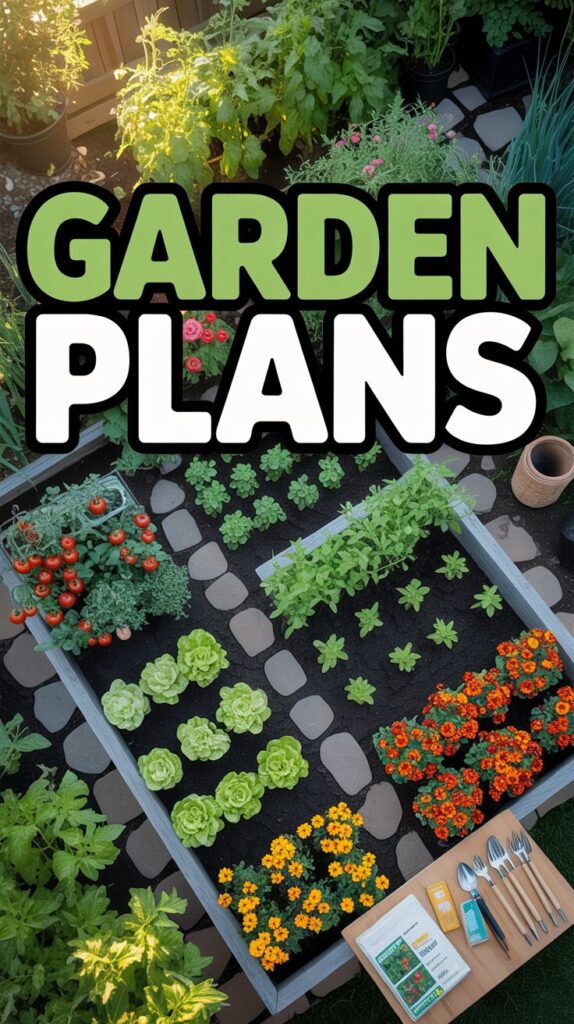
Pathways improve movement and visual structure.
Gravel Pathways
Affordable and low maintenance.
Stone Walkways
Natural and elegant.
Brick Garden Paths
Classic and timeless.
Wooden Deck Paths
Warm and modern outdoor texture.
Garden Seating Plan Ideas
Comfortable seating enhances outdoor living.
Pergola Seating
Provides shade and structure.
Garden Benches
Perfect for peaceful corners.
Outdoor Dining Areas
Great for entertaining guests.
Hammock Corners
Relaxing retreat-style spaces.
Best Plants for Garden Plans
Choosing the right plants is essential for balance and longevity.
Lavender
Low maintenance and fragrant.
Roses
Classic beauty for flower gardens.
Hydrangeas
Lush blooms and texture.
Ornamental Grasses
Add movement and softness.
Herbs
Perfect for edible and healing gardens.
Seasonal Garden Planning Ideas
Spring Garden Plans
Focus on colorful flowers and fresh greenery.
Summer Garden Plans
Create shaded seating and vibrant planting.
Autumn Garden Plans
Use warm foliage and decorative grasses.
Winter Garden Plans
Include evergreen plants and lighting.
Garden Lighting Plan Ideas
Lighting improves nighttime atmosphere and functionality.
String Lights
Warm and cozy outdoor ambiance.
Solar Path Lights
Eco-friendly and practical.
Spotlights
Highlight focal plants and structures.
Lantern Decor
Perfect for rustic and cottage gardens.
Water Feature Garden Plans
Water adds movement and tranquility.
Garden Ponds
Natural and relaxing focal points.
Fountains
Elegant and timeless.
Water Walls
Perfect for modern landscapes.
Bird Baths
Attract wildlife and add charm.
DIY Garden Plan Ideas
DIY projects help personalize outdoor spaces affordably.
DIY Raised Beds
Easy to build with wood or stone.
DIY Pergola
Create shaded outdoor living areas.
DIY Gravel Pathways
Budget-friendly landscaping solution.
DIY Vertical Gardens
Perfect for compact spaces.
Low Maintenance Garden Plans
Choose simple landscaping for easy upkeep.
Best Features:
- Native plants
- Gravel mulch
- Evergreen shrubs
- Automatic irrigation
- Drought-tolerant plants
These reduce watering and maintenance needs.
Common Mistakes to Avoid
Overcrowding Plants
Leave enough room for healthy growth.
Ignoring Sunlight Conditions
Match plants to the correct light levels.
Poor Pathway Planning
Ensure easy movement throughout the garden.
Choosing Too Many Styles
Stick to a consistent design theme.
Why Garden Plans Are Important
Garden planning helps create:
- Functional outdoor spaces
- Balanced landscaping
- Easier maintenance
- Better plant health
- More enjoyable outdoor living
Well-designed gardens feel organized, peaceful, and visually attractive.
Conclusion
Garden plans are the foundation of creating beautiful, organized, and functional outdoor spaces that suit your lifestyle and personal style. Whether you prefer a colorful flower garden, a productive vegetable layout, a modern minimalist design, or a cozy healing garden, thoughtful planning helps maximize beauty and usability.
By combining smart layouts, pathways, seating areas, lighting, and carefully selected plants, you can transform any outdoor area into a relaxing and inspiring garden space that can be enjoyed throughout every season.