
 By John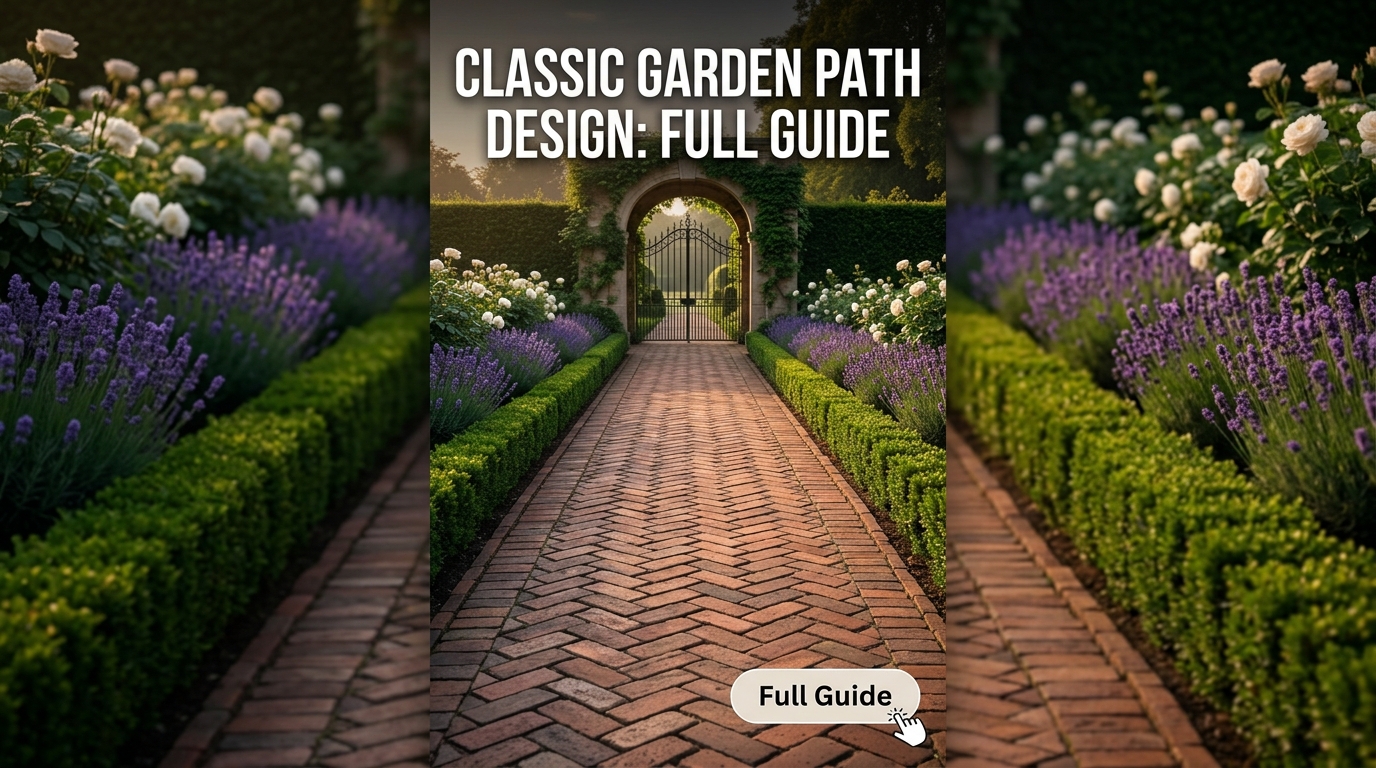
Garden pathways are one of the most important elements in landscape design. They do much more than simply connect different areas of a garden. A well-designed pathway adds structure, improves accessibility, enhances visual appeal, and guides visitors through your outdoor space. Whether you have a small backyard garden, a cottage-style landscape, or a large outdoor retreat, the right garden pathway can completely transform the look and functionality of your yard.
From rustic stone walkways and charming gravel paths to modern concrete designs and winding woodland trails, there are countless garden pathway ideas to suit every style and budget. A thoughtfully planned pathway not only makes your garden easier to navigate but also creates a sense of journey and discovery.
This comprehensive guide explores the best garden pathway ideas, materials, design styles, installation tips, and maintenance practices to help you create a stunning outdoor walkway.
Why Garden Pathways Are Important
Garden pathways serve both practical and decorative purposes. They provide safe and comfortable access throughout the garden while protecting plants and soil from foot traffic.
Without pathways, people often walk directly through planting areas, compacting soil and damaging vegetation. A dedicated walkway prevents this issue while keeping the garden organized.
Pathways also create visual flow by guiding the eye through the landscape. They help define different zones, connect outdoor features, and make the garden feel larger and more structured.
In addition, garden pathways add character and style, contributing significantly to the overall design of the outdoor space.
Planning Your Garden Pathway
Before choosing materials or designs, it is important to plan your pathway carefully.
Consider where people naturally walk through the garden. Pathways should connect important destinations such as patios, seating areas, vegetable gardens, sheds, and entrances.
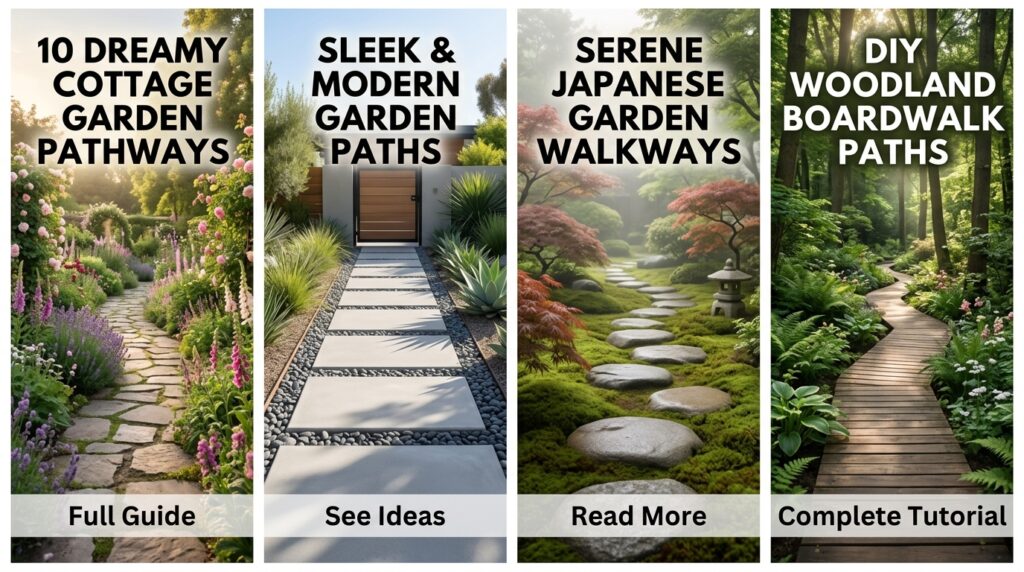
Think about the overall style of your landscape. A rustic cottage garden may suit natural stone paths, while a modern landscape may benefit from sleek concrete walkways.
The width of the pathway is also important. Main walkways should generally be wide enough for comfortable walking, while secondary garden paths can be narrower.
Proper planning ensures the pathway looks natural and functions effectively.
Natural Stone Garden Pathways
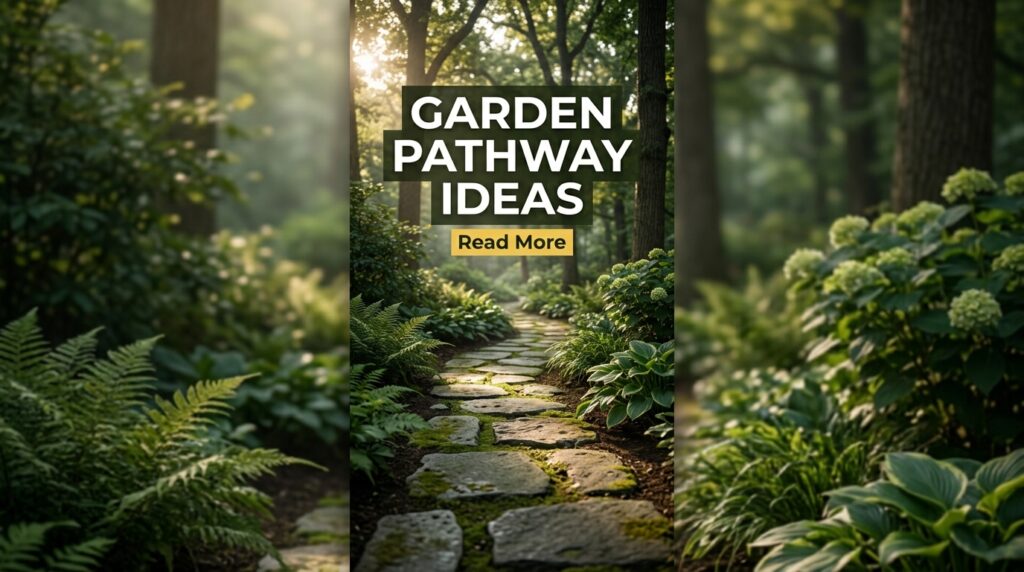
Natural stone pathways are among the most popular and timeless garden walkway options.
Materials such as flagstone, slate, limestone, and sandstone create an elegant and organic appearance that blends beautifully with plants and flowers.
Stone pathways are durable, weather-resistant, and suitable for a wide range of garden styles.
Irregularly shaped stones can be arranged to create a relaxed, natural look, while cut stone provides a more formal appearance.
Stone paths work especially well in cottage gardens, woodland landscapes, and traditional outdoor designs.
Gravel Garden Pathways
Gravel pathways are affordable, easy to install, and highly versatile.
They provide excellent drainage and can be adapted to both formal and informal garden styles.
Gravel comes in various colors and sizes, allowing homeowners to customize the look of their pathway.
This type of path is particularly popular in cottage gardens, Mediterranean landscapes, and rural properties.
Adding edging materials such as bricks, metal, or stone helps keep gravel in place and maintains a clean appearance.
Brick Garden Pathways
Brick pathways offer classic charm and timeless appeal.
The warm color and traditional look of brick complement a wide variety of garden designs. Bricks can be arranged in different patterns, including herringbone, basket weave, and running bond layouts.
Brick pathways are durable and attractive, making them a favorite choice for formal gardens and historic-style landscapes.
Over time, weathered brick develops character that enhances its visual appeal.
Concrete Garden Pathways
Concrete pathways are ideal for modern and contemporary landscapes.
They provide a clean, minimalist appearance and can be customized with various finishes, textures, and shapes.
Stamped concrete can mimic the appearance of stone or brick while remaining cost-effective.
Concrete walkways are highly durable and require relatively little maintenance.
They are especially suitable for urban gardens and modern outdoor spaces.
Stepping Stone Garden Paths
Stepping stones create a casual and inviting walkway that feels integrated with the surrounding landscape.
Individual stones are placed with spaces between them, often surrounded by grass, moss, or ground-cover plants.
This design encourages a relaxed pace and works beautifully in naturalistic gardens.
Stepping stone paths are ideal for connecting small garden features while preserving a soft, organic appearance.
Wooden Garden Pathways
Wooden pathways add warmth and natural beauty to outdoor spaces.
Timber boards, wooden planks, and deck-style walkways are particularly effective in woodland gardens, coastal landscapes, and rustic settings.
Wood creates a comfortable walking surface and blends seamlessly with natural surroundings.
Choosing weather-resistant wood species such as cedar or treated lumber helps extend the lifespan of the pathway.
Mulch Garden Pathways
Mulch pathways are among the most budget-friendly garden walkway options.
Wood chips, bark mulch, and shredded bark create soft, natural-looking paths that work well in informal landscapes.
These pathways are easy to install and help suppress weeds while retaining moisture in surrounding planting areas.
Mulch paths are especially popular in woodland gardens and vegetable garden layouts.
Curved Garden Pathways
Curved pathways create a sense of mystery and exploration.
Rather than revealing the entire garden at once, a winding path encourages visitors to move through the space and discover hidden features.
Curved designs soften the landscape and create a more natural appearance than straight walkways.
They work particularly well in larger gardens where space allows for gentle turns and meandering routes.
Straight Garden Pathways
Straight pathways offer a clean and formal appearance.
They provide direct access between destinations and create a strong sense of structure and order.
Straight paths are commonly used in modern gardens, formal landscapes, and symmetrical designs.
This style works best when emphasizing focal points such as fountains, sculptures, or garden arches.
Cottage Garden Pathway Ideas
Cottage gardens are known for their romantic and informal charm.
Pathways in cottage gardens often use natural stone, gravel, or brick surrounded by overflowing flowers and lush planting beds.
Lavender, roses, foxgloves, and daisies spilling onto the path create a welcoming and enchanting atmosphere.
The pathway becomes an integral part of the garden’s beauty rather than simply a route from one place to another.
Modern Garden Pathway Ideas
Modern pathways focus on simplicity, clean lines, and minimalism.
Large concrete slabs, geometric stepping stones, and sleek gravel designs are commonly used.
Neutral colors and structured layouts complement contemporary architecture.
Modern pathways often incorporate subtle lighting to enhance the landscape during evening hours.
Garden Pathway Lighting Ideas
Lighting can dramatically improve the appearance and functionality of garden pathways.
Solar lights are a popular choice because they are energy-efficient and easy to install.
Low-voltage landscape lighting provides consistent illumination and highlights key features.
Lanterns, pathway stakes, and recessed lights create a welcoming atmosphere while improving safety.
Proper lighting allows the garden to remain beautiful and accessible after sunset.
Best Plants Along Garden Pathways
Plants bordering pathways soften hard edges and enhance visual appeal.
Popular choices include:
- Lavender
- Boxwood
- Hostas
- Salvia
- Ornamental grasses
- Thyme
- Petunias
- Marigolds
Low-growing plants work particularly well because they maintain visibility while adding color and texture.
Garden Pathway Edging Ideas
Edging helps define pathways and prevents materials from spreading into surrounding planting beds.
Common edging materials include:
- Brick
- Stone
- Metal
- Timber
- Concrete
Well-defined edges create a polished appearance and improve pathway durability.
Maintenance Tips for Garden Pathways
Regular maintenance keeps pathways attractive and functional.
Remove weeds and debris frequently to prevent overgrowth.
Replenish gravel or mulch as needed to maintain an even surface.
Inspect stone, brick, or concrete paths for shifting or damage.
Clean surfaces periodically to remove dirt, moss, and stains.
Routine care extends the lifespan of the pathway and preserves its appearance.
Common Mistakes to Avoid
Many homeowners make avoidable mistakes when designing garden pathways.
Choosing materials that clash with the overall garden style can disrupt visual harmony.
Creating pathways that are too narrow may reduce comfort and accessibility.
Ignoring drainage can lead to standing water and surface damage.
Overcomplicating the design may make the garden feel crowded and confusing.
Careful planning helps avoid these issues and ensures a successful outcome.
Benefits of Well-Designed Garden Pathways
A thoughtfully designed pathway enhances both the beauty and functionality of the garden.
It improves accessibility, protects planting areas, creates visual structure, and adds character to the landscape.
Well-planned pathways also increase property value by improving curb appeal and overall outdoor design.
Most importantly, they encourage people to spend more time enjoying the garden by making it easier and more enjoyable to explore.
Final Thoughts
Garden pathways are much more than simple walkways. They shape the way people experience and interact with outdoor spaces. Whether you prefer rustic stone trails, elegant brick paths, modern concrete walkways, or charming gravel routes, the right pathway can elevate the beauty and functionality of your landscape.
By carefully selecting materials, planning the layout, and incorporating complementary plants and lighting, you can create a garden pathway that is both practical and visually stunning. A well-designed path invites exploration, connects different areas of the garden, and adds lasting charm to your outdoor environment.
A beautiful garden pathway is not just a route through the landscape—it is a journey that enhances every step of the gardening experience.