
 By John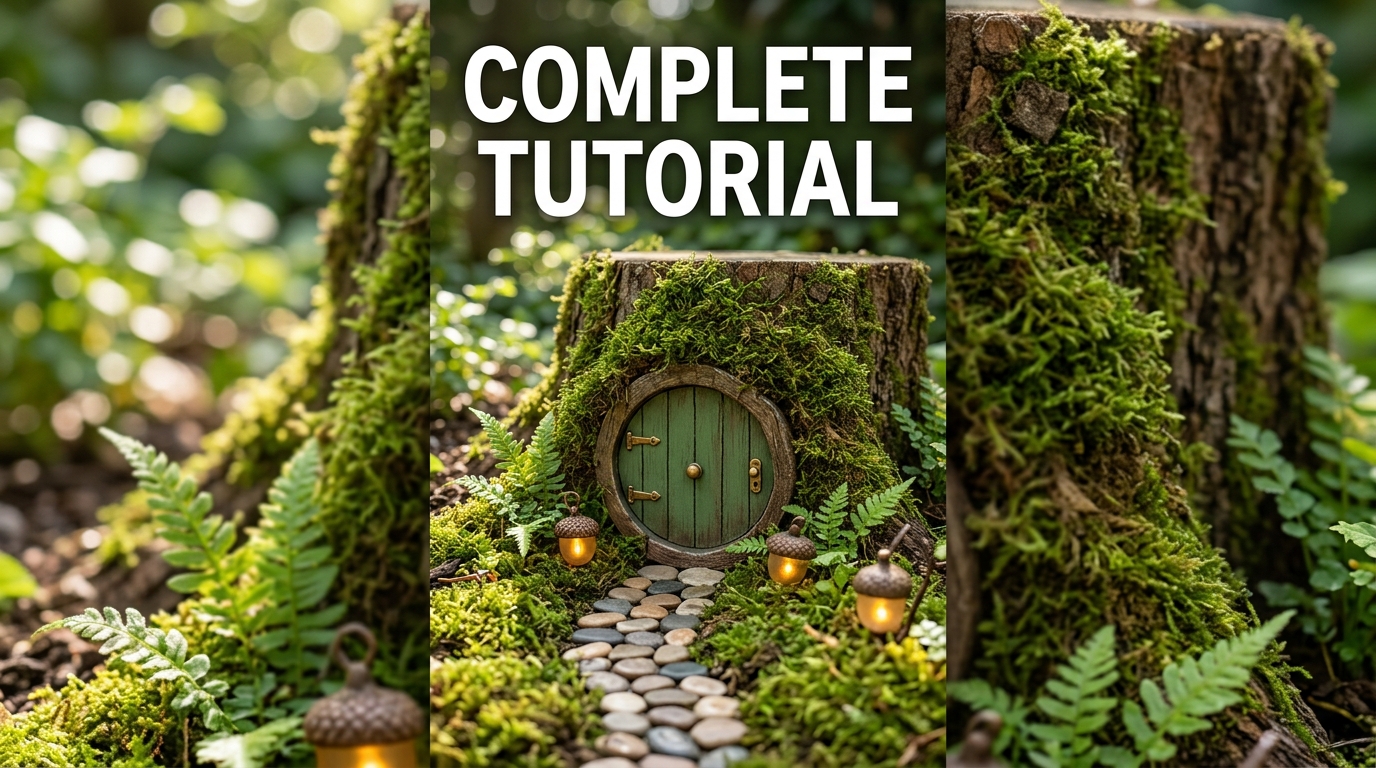
Fairy garden houses are one of the most charming and imaginative ways to decorate a garden, balcony, or indoor plant space. These tiny decorative houses transform ordinary gardens into magical miniature worlds that feel straight out of a storybook. Whether placed among flowers, under trees, or inside pots, fairy garden houses bring creativity, wonder, and personality to any space.
In recent years, fairy garden designs have become extremely popular in home décor and landscaping because they combine nature, art, and storytelling. They are not only visually beautiful but also a fun DIY hobby for kids and adults alike.
This complete guide will explore fairy garden houses in detail, including design ideas, materials, DIY methods, themes, plants, placement tips, and creative inspiration to help you build your own magical garden.
What Are Fairy Garden Houses?
Fairy garden houses are miniature structures designed to look like tiny homes for imaginary fairies or magical creatures. They are usually placed in gardens, flower pots, terrariums, or small outdoor spaces.
These tiny houses can be made from wood, clay, resin, stone, or recycled materials. They are often decorated with small doors, windows, ladders, and natural elements like moss, pebbles, and flowers to create a realistic fantasy look.
The main idea behind fairy garden houses is to create a miniature world that feels alive, peaceful, and full of imagination.
Why Fairy Garden Houses Are So Popular
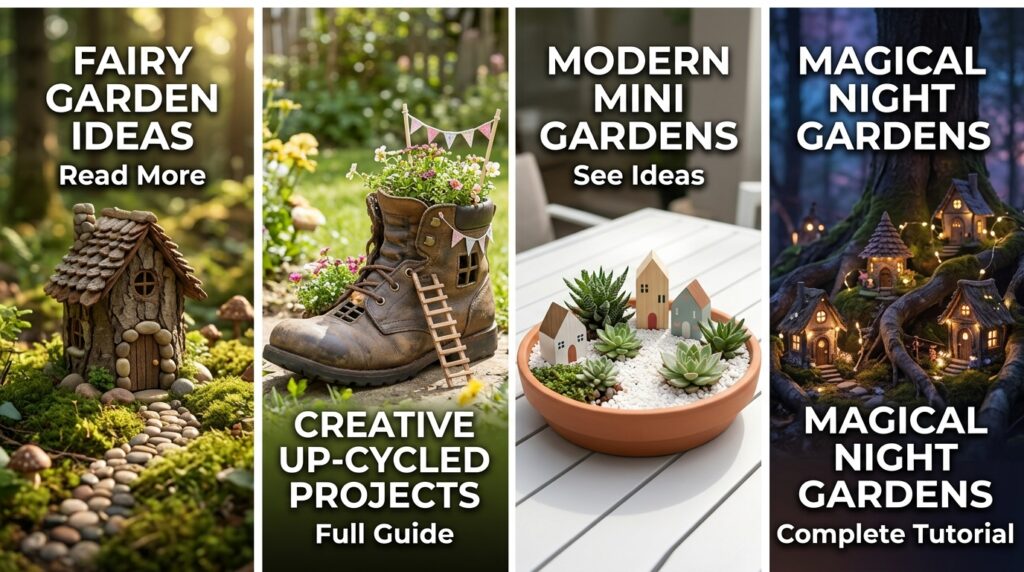
Fairy garden houses have become popular for many reasons, especially among gardening lovers and creative hobbyists.
One major reason is their visual appeal. Even a small fairy house can completely transform the look of a simple plant pot or garden corner.
They also encourage creativity. People enjoy designing tiny worlds with unique themes, colors, and decorations. It becomes a relaxing and artistic hobby.
Fairy gardens are also perfect for children. They inspire storytelling, imagination, and curiosity about nature and fantasy.
Another reason is affordability. You do not need a large budget to create a beautiful fairy garden. Even simple materials can be turned into magical designs.
Best Locations for Fairy Garden Houses
Choosing the right location is important to make fairy garden houses look natural and attractive.
One of the most common places is flower beds. Placing a fairy house among flowers makes it look like part of a living magical world.
Potted plants are also very popular. A single pot can become a complete miniature fairy garden with a small house, tiny pathway, and decorative stones.
Tree bases and garden corners are ideal for larger fairy setups. These areas provide shade and a natural background.
Indoor spaces like windowsills, shelves, or terrariums can also be used for fairy garden houses, especially for those who do not have outdoor space.
Popular Fairy Garden House Styles
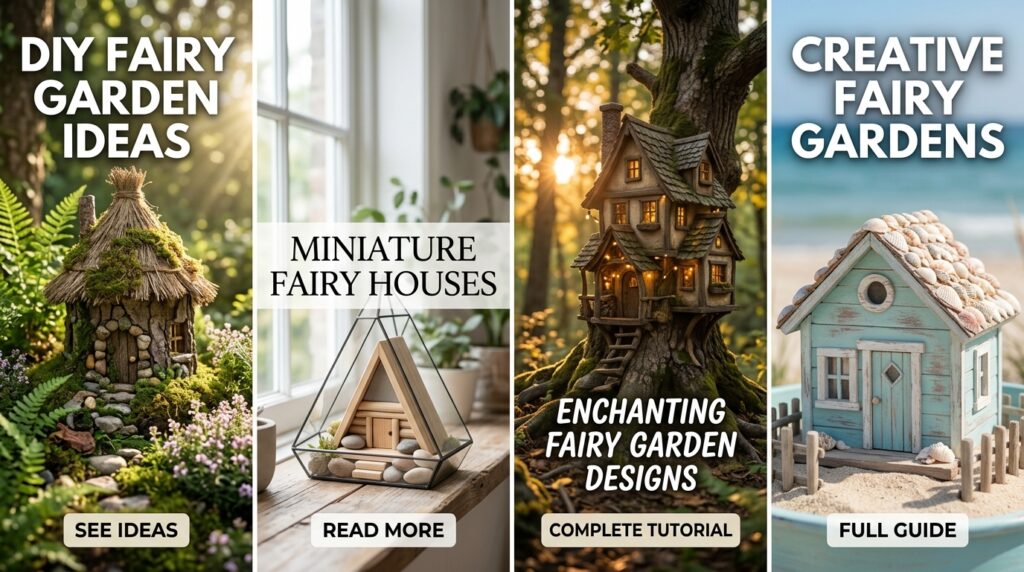
There are many different styles of fairy garden houses, each offering a unique look and feeling.
1. Rustic Woodland Style
This style uses natural materials like wood, bark, moss, and stones. The houses look like they belong in a deep forest, giving a natural and earthy feel.
2. Cottage Fairy Style
Cottage-style fairy houses are inspired by countryside homes. They often include small windows, flower boxes, and thatched roofs made of leaves or twigs.
3. Mushroom Fairy Houses
These creative designs look like mushrooms or toadstools. They are colorful, playful, and perfect for a fantasy-themed garden.
4. Modern Mini Fairy Homes
Modern fairy houses use clean designs, painted surfaces, and simple shapes. They are often made with resin or ceramic for a polished look.
5. Beach or Coastal Fairy Houses
These designs use seashells, sand, and light colors. They give a relaxing seaside fairy vibe.
Materials Used for Fairy Garden Houses
Fairy garden houses can be made from many different materials depending on your budget and creativity.
Wood is one of the most popular materials because it looks natural and blends well with outdoor environments.
Clay and ceramic are also widely used for detailed and durable designs.
Resin is a strong and weather-resistant material often used for ready-made fairy houses.
Recycled materials like cardboard, bottle caps, and old containers can also be used for DIY fairy houses.
Natural materials such as bark, stones, moss, and twigs are used for decoration and detailing.
DIY Fairy Garden House Ideas
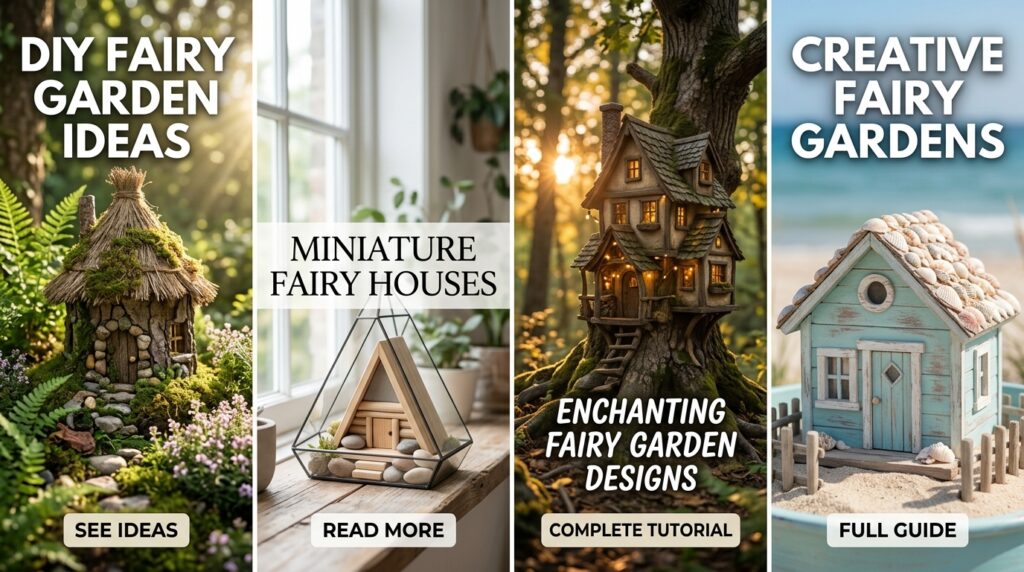
Creating your own fairy garden house is a fun and creative activity.
A simple DIY idea is using a small clay pot turned upside down as a house. You can paint windows and doors on it and decorate it with moss.
Cardboard houses are another easy option. You can cut, shape, and paint cardboard to create tiny cottages or huts.
Wooden sticks can be glued together to form rustic fairy cabins. Adding a moss roof makes it look more natural.
You can also use broken terracotta pots to create layered fairy villages with multiple levels.
DIY fairy houses allow full creativity and personalization.
Fairy Garden Themes and Ideas
Creating a theme helps your fairy garden look more organized and magical.
A forest fairy theme uses green plants, moss, and wooden houses to create a natural woodland atmosphere.
A magical kingdom theme includes castles, bridges, and sparkling decorations to create a fantasy world.
A floral fairy garden uses colorful flowers and bright decorations to create a cheerful and vibrant look.
A winter fairy theme uses white stones, silver decorations, and frosted designs to create a snowy magical effect.
A mini village theme includes multiple fairy houses connected by small pathways and gardens.
Best Plants for Fairy Garden Houses
Plants play a key role in making fairy gardens look alive and realistic.
Small plants like succulents, moss, baby ferns, and creeping thyme are perfect because they stay small and are easy to maintain.
Flowers like violets, daisies, and miniature roses add color and beauty.
Trailing plants can be used to create natural pathways and soft backgrounds.
Moss is especially important because it gives a magical forest-like appearance.
How to Arrange Fairy Garden Houses
Proper arrangement makes a big difference in how your fairy garden looks.
Start by choosing a focal point, such as the main fairy house. Place it in a visible position.
Then add smaller elements like pathways, stones, benches, and tiny accessories around it.
Use natural materials to blend everything into the garden environment.
Avoid overcrowding the space. A simple and balanced design looks more realistic and attractive.
Fairy Garden Accessories
Accessories bring life to fairy gardens and make them more detailed.
Tiny doors, windows, fences, bridges, lanterns, benches, and miniature animals are commonly used.
Pebbles and small stones can be used to create pathways.
Miniature furniture like tables and chairs add storytelling elements.
Solar lights can be added for a glowing night effect.
Benefits of Fairy Garden Houses
Fairy garden houses are not just decorative items. They offer several benefits.
They encourage creativity and imagination, especially in children.
They provide a relaxing hobby for adults and reduce stress.
They improve garden aesthetics and make small spaces more attractive.
They also encourage people to spend more time outdoors and connect with nature.
Maintenance Tips for Fairy Garden Houses
Maintaining fairy gardens is simple but important.
Clean dust and dirt regularly from decorations.
Replace damaged or faded items when needed.
Water plants carefully to avoid disturbing decorations.
Check moss and natural materials to ensure they stay fresh.
Budget-Friendly Fairy Garden Ideas
You do not need expensive materials to create a fairy garden.
Use recycled jars, bottles, and cardboard for houses.
Collect natural items like stones, twigs, and leaves from your surroundings.
DIY painting and crafting can replace costly decorations.
Small plants from local nurseries are affordable and easy to maintain.
Common Mistakes to Avoid
Avoid overcrowding the garden with too many decorations.
Do not use large plants that overpower the fairy house.
Avoid low-quality materials that break easily outdoors.
Do not ignore weather protection if the garden is outside.
Final Thoughts
Fairy garden houses are a beautiful way to bring imagination and magic into real-life spaces. They allow you to create a miniature world filled with creativity, nature, and storytelling.
Whether you build a small pot garden or a full backyard fairy village, the result is always enchanting. With simple materials, thoughtful design, and a little creativity, anyone can create a stunning fairy garden that feels alive and magical.
A fairy garden house is more than decoration—it is a tiny world full of dreams, nature, and endless imagination.