
 By John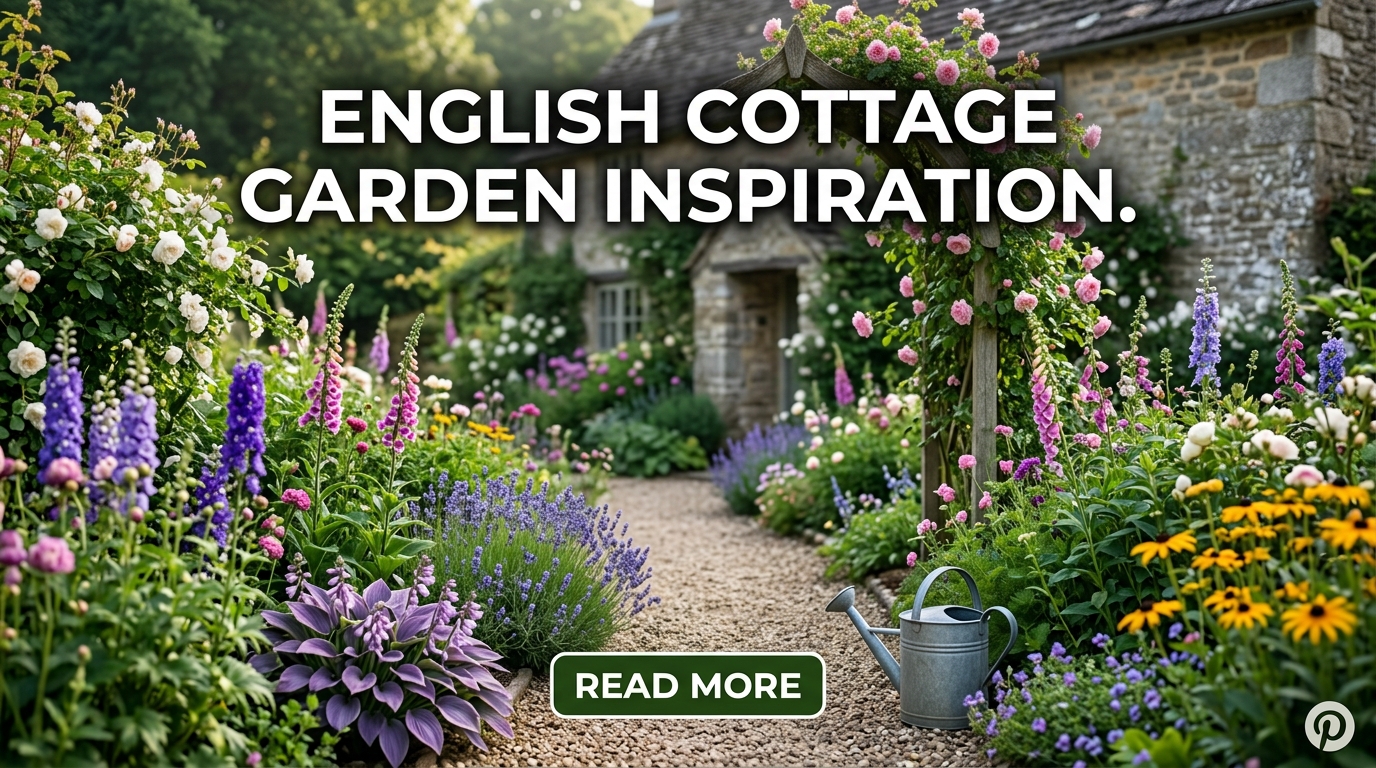
An English cottage garden is one of the most beloved garden styles in the world. Known for its abundant flowers, winding pathways, climbing roses, and relaxed appearance, this garden style creates a romantic and welcoming outdoor space. Unlike formal gardens with strict symmetry, English cottage gardens celebrate natural beauty, color, and a slightly wild yet carefully planned look.
Whether you have a large backyard or a small urban garden, an English cottage garden can transform your outdoor area into a peaceful retreat filled with fragrance, texture, and seasonal blooms.
What Is an English Cottage Garden?
An English cottage garden is an informal garden style that combines flowers, herbs, shrubs, and sometimes vegetables in a dense and natural arrangement. Originating in rural England, cottage gardens were traditionally practical spaces where families grew food and medicinal plants alongside ornamental flowers.
Today, they are admired for their charming appearance and relaxed atmosphere.
Key characteristics include:
- Dense planting
- Colorful flower borders
- Curved pathways
- Climbing plants
- Mixed ornamental and edible plants
- Traditional garden structures
History of English Cottage Gardens
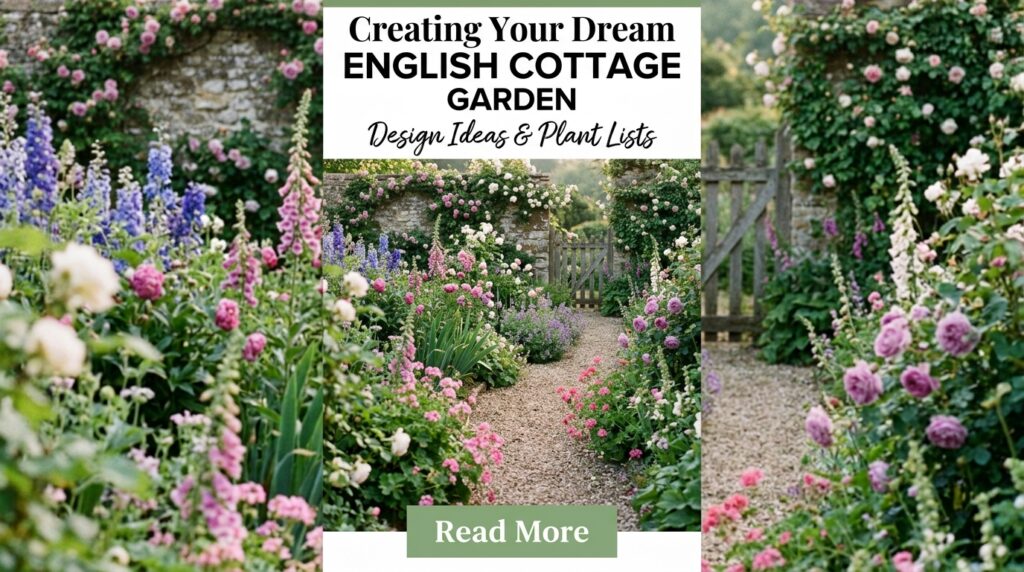
The cottage garden style developed in England centuries ago around small rural homes. Gardeners used every available space to grow vegetables, herbs, fruit, and flowers. Over time, the practical gardens evolved into decorative landscapes filled with colorful blooms while retaining their informal character.
The modern English cottage garden remains inspired by these traditional designs, combining beauty with functionality.
Key Features of an English Cottage Garden
Abundant Planting
One of the most recognizable features is the dense planting style. Plants grow closely together, creating a lush and overflowing appearance.
Benefits include:
- Fewer weeds
- Continuous color
- Natural appearance
- Better use of space
Informal Design
Unlike formal gardens, cottage gardens avoid rigid layouts.
Features include:
- Curved borders
- Winding pathways
- Natural plant groupings
- Soft edges
This creates a relaxed and welcoming atmosphere.
Mixed Planting
A traditional English cottage garden often combines:
- Flowers
- Herbs
- Vegetables
- Fruit trees
- Shrubs
The mixture creates visual interest and practical value.
Seasonal Interest
Plants are selected to provide beauty throughout the year.
Spring bulbs, summer perennials, autumn flowers, and evergreen shrubs ensure the garden remains attractive in every season.
Popular Plants for an English Cottage Garden
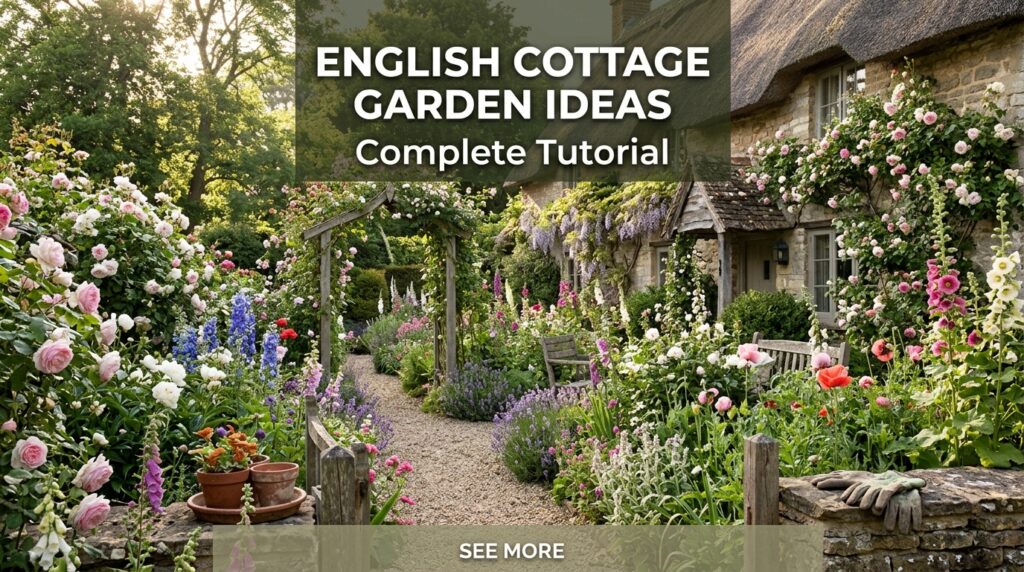
Roses
Roses are considered essential.
Popular varieties include:
- Climbing roses
- Shrub roses
- David Austin-style roses
They provide fragrance, color, and classic cottage charm.
Foxgloves
Tall flower spikes add height and elegance.
Benefits:
- Vertical interest
- Pollinator attraction
- Traditional cottage appearance
Delphiniums
Known for their dramatic blue and purple flower spikes.
Perfect for:
- Back borders
- Cottage-style planting schemes
Hollyhocks
Tall and colorful flowers that create a traditional countryside feel.
Lavender
Lavender adds:
- Fragrance
- Pollinator support
- Attractive edging
Peonies
Large, romantic blooms make peonies a cottage garden favorite.
Sweet Peas
Climbing sweet peas provide beautiful flowers and delightful fragrance.
Herbs in an English Cottage Garden
Herbs were traditionally grown for cooking and medicine.
Popular herbs include:
- Thyme
- Rosemary
- Sage
- Mint
- Chives
- Parsley
They add texture, fragrance, and practicality.
Climbing Plants for Cottage Gardens
Climbing plants create vertical beauty and soften structures.
Popular choices:
- Climbing roses
- Clematis
- Honeysuckle
- Wisteria
These plants look stunning on:
- Arches
- Trellises
- Pergolas
- Garden walls
English Cottage Garden Layout Ideas
Traditional Cottage Border
Features:
- Tall plants at the back
- Medium plants in the middle
- Low edging plants at the front
This layered design creates depth and fullness.
Winding Path Layout
Curved pathways encourage exploration and create a sense of mystery.
Materials often include:
- Gravel
- Brick
- Natural stone
Garden Room Design
Divide the garden into separate areas using:
- Hedges
- Arbors
- Trellises
Each section can have its own theme and planting style.
Structures in an English Cottage Garden
Picket Fences
White or natural wood fences are iconic cottage garden features.
Benefits:
- Define boundaries
- Support climbing plants
- Enhance charm
Arches and Pergolas
Used to support:
- Roses
- Clematis
- Wisteria
They add height and visual interest.
Garden Benches
Provide a place to relax and enjoy the surroundings.
Traditional materials include:
- Wood
- Wrought iron
Color Schemes for English Cottage Gardens
Soft Pastel Palette
Includes:
- Pink
- Lavender
- White
- Light blue
Creates a romantic and calming atmosphere.
Bright Cottage Palette
Features:
- Red
- Orange
- Yellow
- Purple
Adds energy and vibrancy.
White Cottage Garden
A monochromatic design focused on:
- White flowers
- Silver foliage
- Elegant simplicity
Small English Cottage Garden Ideas
You do not need a large space to enjoy cottage style.
Use Vertical Planting
Grow climbers on:
- Walls
- Trellises
- Fences
Plant in Layers
Combine different heights to maximize visual impact.
Use Containers
Pots and planters can create a cottage garden feel on patios and balconies.
Focus on Fragrance
Choose highly scented plants such as:
- Lavender
- Roses
- Sweet peas
Wildlife-Friendly Cottage Gardens
English cottage gardens naturally attract wildlife.
To support pollinators:
- Plant nectar-rich flowers
- Include native species
- Avoid pesticides
- Provide water sources
You may attract:
- Butterflies
- Bees
- Birds
- Beneficial insects
Maintenance Tips
Although cottage gardens appear natural, they require regular care.
Important tasks include:
- Deadheading flowers
- Pruning climbers
- Dividing perennials
- Weeding pathways
- Supporting tall plants
Regular maintenance keeps the garden healthy and beautiful.
Common Mistakes to Avoid
Overcrowding Without Planning
Dense planting is important, but plants still need enough space to grow.
Ignoring Plant Height
Arrange plants according to mature size.
Using Too Few Plant Varieties
Diversity creates the classic cottage garden look.
Neglecting Seasonal Interest
Choose plants that bloom at different times.
Forgetting Structure
Paths, fences, and arches provide essential framework.
Why English Cottage Gardens Remain Popular
Homeowners love English cottage gardens because they:
- Feel welcoming and romantic
- Support wildlife and pollinators
- Offer year-round interest
- Blend beauty with practicality
- Work in both large and small spaces
The timeless appeal of this style continues to inspire gardeners around the world.
Conclusion
An English cottage garden combines beauty, fragrance, abundance, and charm in a way that few other garden styles can match. With its colorful flowers, climbing roses, winding paths, and informal planting style, it creates a landscape that feels both natural and magical.
Whether you are designing a small patio garden or a spacious backyard, the principles of English cottage gardening can help you create a lush and inviting outdoor space filled with character and seasonal beauty. By selecting the right plants, incorporating traditional structures, and embracing a relaxed design approach, you can enjoy the timeless elegance of an English cottage garden for years to come.