
 By John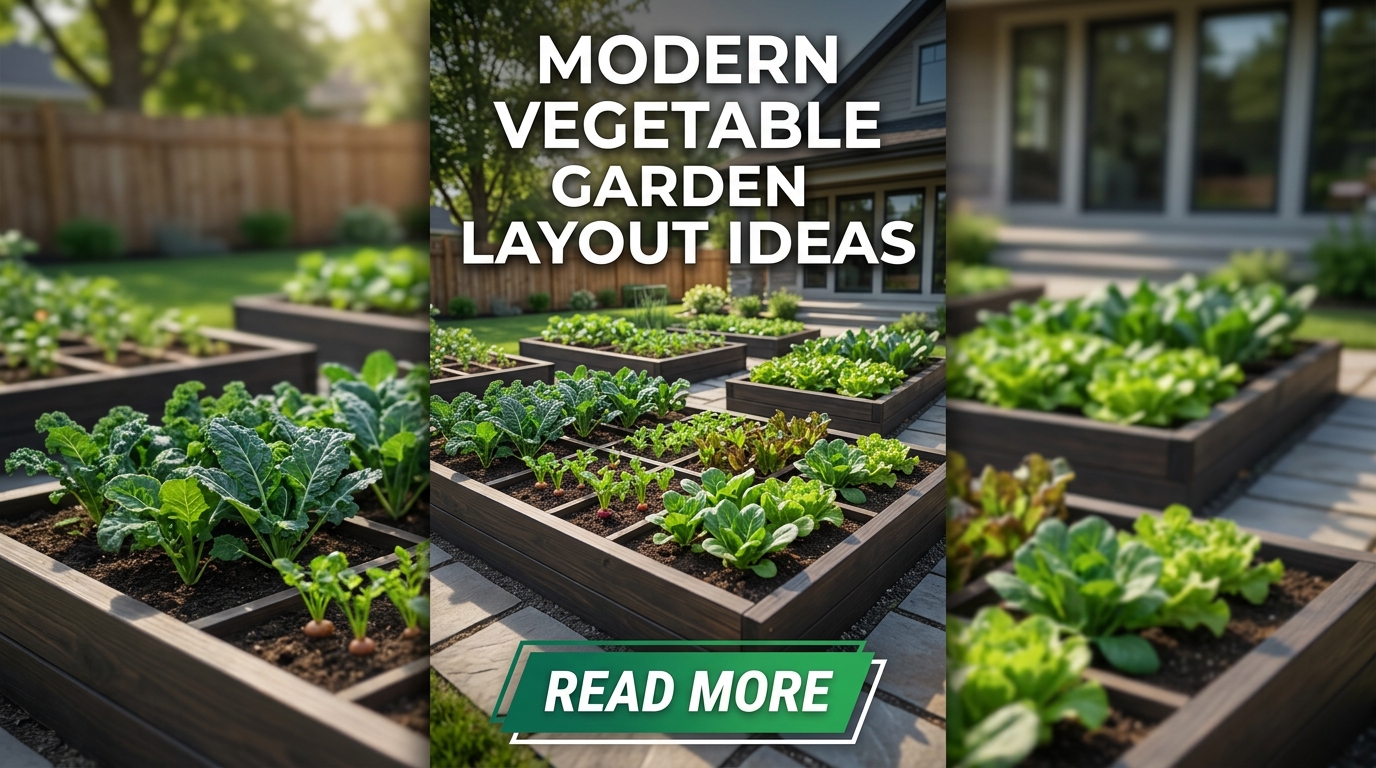
A well-planned vegetable garden layout is the foundation of a successful harvest. Whether you have a large backyard, a small patio, or a compact urban garden, choosing the right garden layout can maximize your growing space, improve plant health, and make maintenance much easier. A thoughtful design not only helps vegetables thrive but also creates an organized and attractive outdoor space.
Many beginner gardeners focus on what vegetables to grow, but the layout of the garden is just as important. The way you arrange beds, pathways, and plant varieties can significantly affect sunlight exposure, airflow, watering efficiency, and overall productivity.
This complete guide explores the best vegetable garden layout ideas, planning strategies, design styles, and practical tips to help you create a productive and visually appealing garden.
Why Garden Layout Matters for Vegetable Gardening
A good vegetable garden layout does more than make your garden look organized. It directly influences the health and productivity of your plants.
Proper spacing improves air circulation, which helps prevent diseases and fungal problems. Strategic placement ensures that taller plants do not block sunlight from shorter vegetables. Organized pathways make watering, harvesting, and maintenance easier. Efficient layouts also maximize available space, allowing you to grow more food in less area.
By carefully planning your vegetable garden layout, you can enjoy healthier plants, larger harvests, and a more enjoyable gardening experience.
Planning Your Vegetable Garden Layout
Before planting anything, take time to assess your space.
Observe how much sunlight the area receives throughout the day. Most vegetables need at least six to eight hours of direct sunlight daily.
Check drainage conditions and avoid areas where water tends to collect after rain.
Consider access to water sources, as regular watering is essential for healthy vegetable growth.
Think about how often you will visit the garden. Easy access encourages consistent care and maintenance.
Sketching a simple plan before planting can save time and prevent costly mistakes later.
Traditional Row Garden Layout
The traditional row layout is one of the oldest and most common vegetable garden designs.
In this arrangement, vegetables are planted in long, straight rows with walking paths between them. This layout works particularly well for large gardens and allows easy access for watering, weeding, and harvesting.
Row gardens are ideal for crops such as corn, beans, carrots, onions, and potatoes. They provide excellent organization and make crop rotation easier from year to year.
However, row gardening may not be the most space-efficient option for small gardens.
Raised Bed Vegetable Garden Layout
Raised beds are among the most popular vegetable garden layouts today.
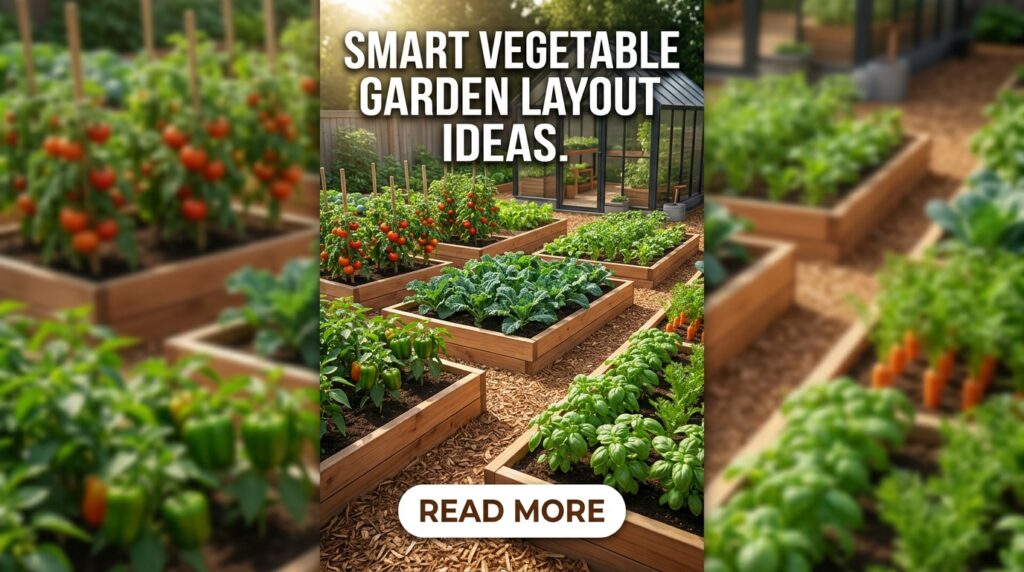
Instead of planting directly in the ground, vegetables are grown in raised planting areas filled with nutrient-rich soil. Raised beds improve drainage, reduce weeds, and allow for better soil control.
A common raised bed layout includes multiple rectangular beds separated by pathways. This arrangement keeps the growing area organized and makes maintenance easier.
Raised beds are especially useful for tomatoes, peppers, lettuce, spinach, cucumbers, and herbs.
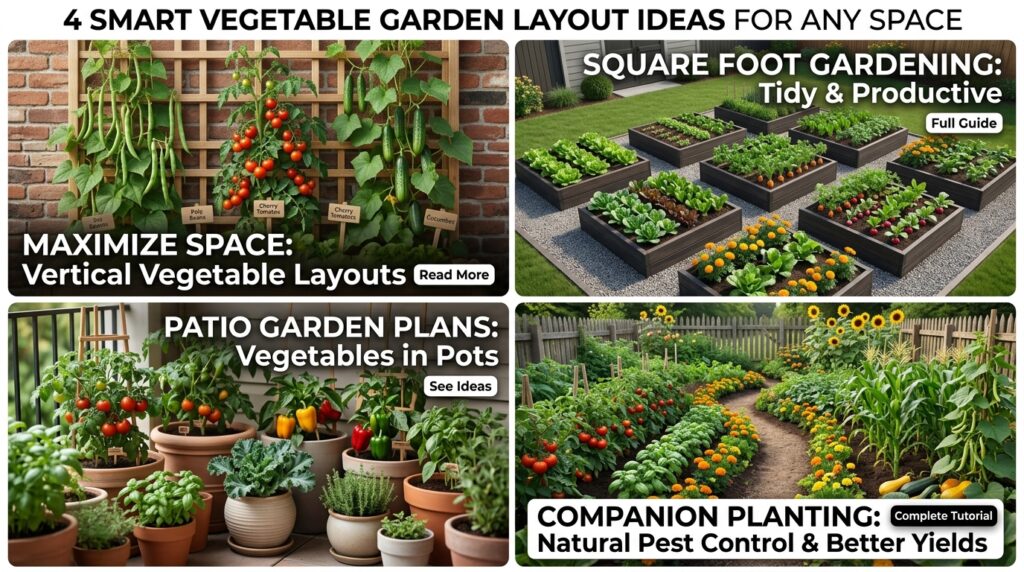
Square Foot Gardening Layout
Square foot gardening is a highly efficient layout designed for small spaces.
The garden bed is divided into one-foot squares, with each square dedicated to a specific crop. Different vegetables are planted according to their spacing requirements.
For example, one square may contain a single tomato plant, while another may hold sixteen carrots.
This layout maximizes production, reduces waste, and makes planning simple. It is particularly popular among beginner gardeners and urban growers.
Backyard Vegetable Garden Layout
A backyard vegetable garden combines functionality with aesthetics.
Instead of focusing only on food production, this layout integrates vegetables into the overall landscape design. Raised beds, decorative pathways, trellises, and flower borders create a beautiful and productive outdoor space.
Vegetables can be arranged by height, color, or growing season to create visual interest while maintaining efficiency.
This approach works well for homeowners who want a garden that looks attractive year-round.
Kitchen Garden Layout
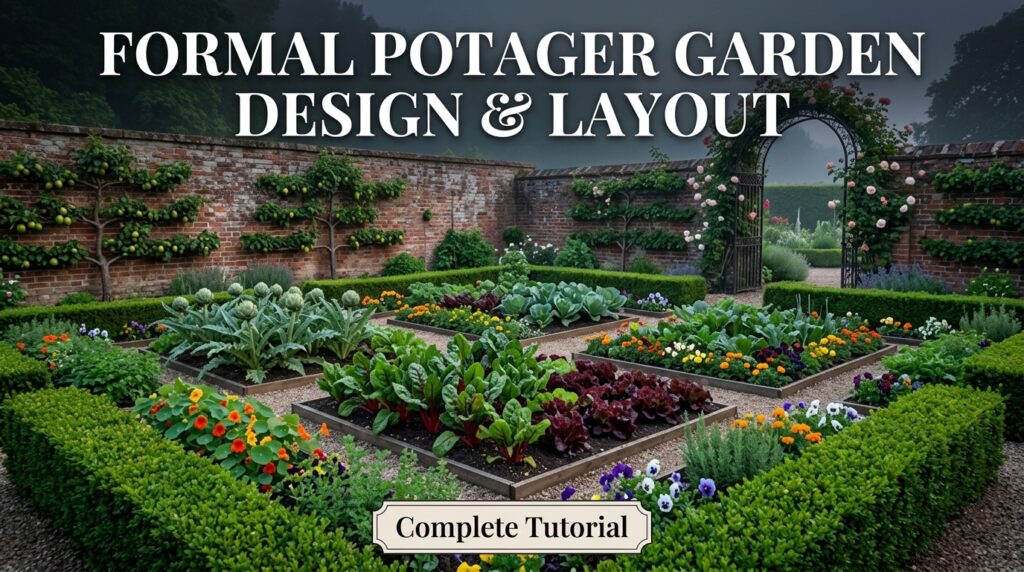
A kitchen garden, sometimes called a potager garden, places vegetables close to the home for easy access.
This layout often includes herbs, leafy greens, and frequently used vegetables near the kitchen door. Circular beds, decorative borders, and organized planting patterns create both beauty and practicality.
Common kitchen garden crops include basil, parsley, lettuce, tomatoes, peppers, and chives.
The convenience of harvesting fresh ingredients just steps from the kitchen makes this layout extremely popular.
Vertical Vegetable Garden Layout
Vertical gardening is ideal for small spaces where ground area is limited.
Instead of spreading plants horizontally, vegetables grow upward using trellises, cages, arches, and support structures.
Cucumbers, peas, beans, tomatoes, and squash are excellent choices for vertical layouts.
Vertical gardens improve air circulation, save space, and make harvesting easier. They also add visual interest by creating living green walls and arches.
Companion Planting Layout
Companion planting arranges vegetables strategically to benefit one another.
Certain plants naturally support each other’s growth, improve pest control, or enhance flavor.
For example:
- Tomatoes grow well with basil.
- Carrots pair well with onions.
- Beans help enrich soil for neighboring crops.
- Marigolds repel many garden pests.
A companion planting layout increases productivity while reducing the need for chemical treatments.
Circular Vegetable Garden Layout
Circular gardens provide a unique and attractive design.
The garden is arranged around a central feature such as a birdbath, fountain, or decorative planter. Vegetables are planted in wedge-shaped sections radiating outward.
This layout creates a visually striking focal point while maintaining accessibility from all sides.
Circular gardens work especially well in ornamental landscapes where appearance is as important as productivity.
Cottage Style Vegetable Garden Layout
A cottage garden layout combines vegetables, herbs, and flowers in a relaxed, informal design.
Instead of strict rows, plants are mixed together naturally. Vegetables grow alongside colorful flowers, attracting pollinators and beneficial insects.
This style creates a charming, old-fashioned garden full of texture, color, and biodiversity.
Popular choices include tomatoes, lettuce, carrots, marigolds, lavender, and sunflowers.
Modern Vegetable Garden Layout
Modern vegetable gardens focus on clean lines, symmetry, and minimalist design.
Raised beds are often arranged in geometric patterns using materials such as wood, metal, or concrete. Pathways are carefully planned to create balance and structure.
This layout suits contemporary homes and provides an organized, professional appearance.
Best Vegetables for Small Garden Layouts
If space is limited, choose high-yield crops that provide maximum harvests.
Excellent options include:
- Lettuce
- Spinach
- Radishes
- Green onions
- Bush beans
- Peppers
- Tomatoes
- Herbs
Vertical growing techniques can further increase productivity in small spaces.
Pathway Ideas for Vegetable Gardens
Pathways are an important part of any garden layout.
They provide access to plants without compacting soil and help maintain a neat appearance.
Popular pathway materials include:
- Gravel
- Wood chips
- Stepping stones
- Brick
- Mulch
Paths should be wide enough for comfortable movement and maintenance.
Watering Considerations for Garden Layouts
Efficient watering should be considered during the planning stage.
Group plants with similar water requirements together. Install drip irrigation systems where possible to reduce water waste.
Position water-loving crops closer to water sources for convenience.
Proper planning saves time and supports healthier plant growth.
Common Garden Layout Mistakes
Many gardeners make avoidable layout mistakes.
Placing tall plants on the south side can block sunlight from shorter crops.
Overcrowding plants reduces airflow and increases disease risk.
Ignoring pathways often leads to soil compaction and difficult maintenance.
Failing to rotate crops each season can encourage pests and soil depletion.
Careful planning helps avoid these common problems.
Benefits of a Well-Planned Vegetable Garden Layout
A thoughtful garden layout offers numerous advantages.
It improves plant health, increases harvest yields, reduces maintenance, and creates a more enjoyable gardening experience.
Well-designed gardens are easier to water, weed, fertilize, and harvest. They also enhance the overall appearance of outdoor spaces, making the garden both productive and attractive.
Final Thoughts
Choosing the right vegetable garden layout is one of the most important decisions you can make as a gardener. A well-planned design maximizes space, improves plant health, simplifies maintenance, and increases harvests.
Whether you prefer raised beds, square foot gardening, vertical structures, cottage-style planting, or modern geometric designs, there is a layout that fits your space and gardening goals. By combining smart planning with proper plant selection, you can create a vegetable garden that is productive, beautiful, and enjoyable throughout the growing season.
A successful vegetable garden begins with a great layout, and the time spent planning today will reward you with healthier plants and bigger harvests for years to come.