
 By John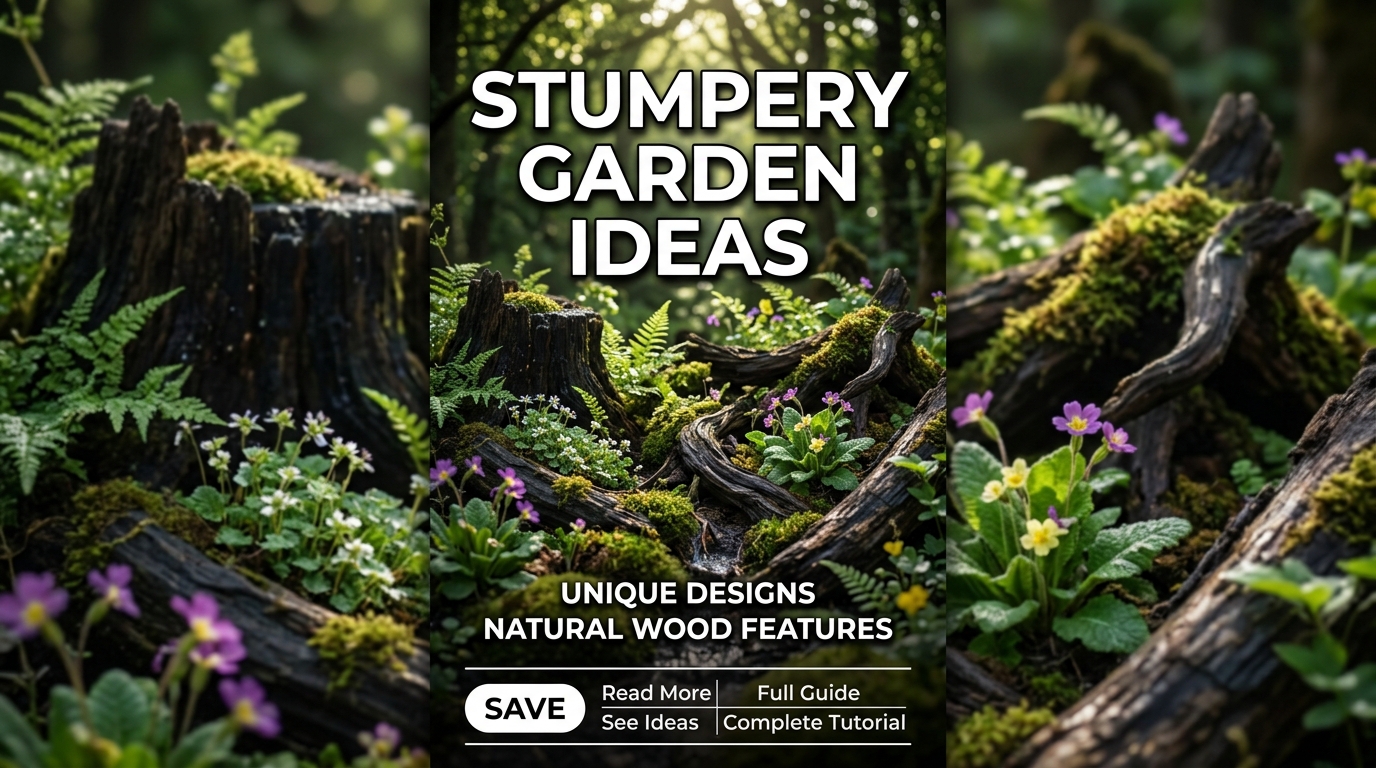
A stumpery garden is a creative and natural-style garden design that uses old tree stumps, roots, logs, and woodland materials to create a dramatic, forest-inspired landscape. Originally popular in Victorian garden design, stumperies are now making a comeback as eco-friendly, wildlife-friendly, and visually striking garden features.
They are perfect for shady areas, woodland gardens, or any outdoor space where you want a natural, wild, and artistic look.
What Is a Stumpery Garden?
A stumpery garden is a landscape feature built using:
- Tree stumps
- Fallen logs
- Uprooted roots
- Bark pieces
- Ferns and shade plants
- Moss and woodland ground cover
The goal is to create a natural woodland environment that feels ancient, mysterious, and full of texture.
Why Create a Stumpery Garden?
Eco-Friendly Design
Uses recycled natural wood materials instead of artificial décor.
Wildlife Habitat
Provides shelter for:
- Frogs
- Insects
- Small birds
- Hedgehogs
Low Maintenance
Once established, it requires minimal upkeep.
Unique Aesthetic
Creates a dramatic, forest-like atmosphere unlike traditional gardens.
Best Location for a Stumpery Garden
Shaded Areas
Ideal under trees or along north-facing walls.
Woodland Spaces
Perfect for natural forest-style gardens.
Damp Soil Areas
Ferns and moss thrive in moist environments.
Garden Corners
Transforms unused corners into striking focal points.
Stumpery Garden Design Ideas
Woodland Stumpery Layout
Arrange stumps and logs naturally across the ground.
Tiered Stumpery Design
Stack logs at different heights to create depth.
Wall of Roots Feature
Use vertical roots against a fence or wall for dramatic effect.
Pathway Stumpery Garden
Place stumps along a winding gravel or bark pathway.
Plants for Stumpery Gardens
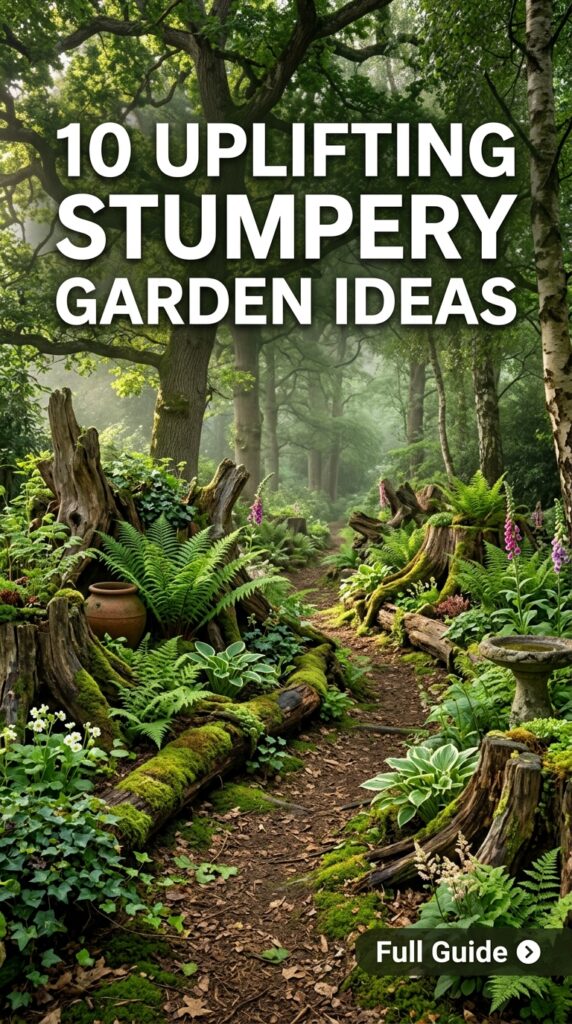
Ferns (Most Important Plants)
- Lady fern
- Hart’s tongue fern
- Ostrich fern
Moss
Creates a soft, ancient woodland feel.
Shade-Loving Plants
- Hostas
- Bluebells
- Foxgloves
- Primroses
Ground Covers
- Ivy
- Creeping jenny
- Periwinkle
Decorative Elements in Stumpery Gardens
Natural Wood Features
- Hollow logs
- Carved stumps
- Uprooted roots
Stone Additions
- Mossy rocks
- Natural boulders
- Pebble paths
Water Elements
- Small woodland ponds
- Trickling streams
- Stone basins
Stumpery Garden Path Ideas
Bark Chip Path
Soft and natural underfoot.
Gravel Path
Adds contrast with dark wood elements.
Stepping Stone Path
Stone slabs placed between stumps for a magical forest walk.
Small Stumpery Garden Ideas
Even small spaces can become stumperies.
Container Stumpery
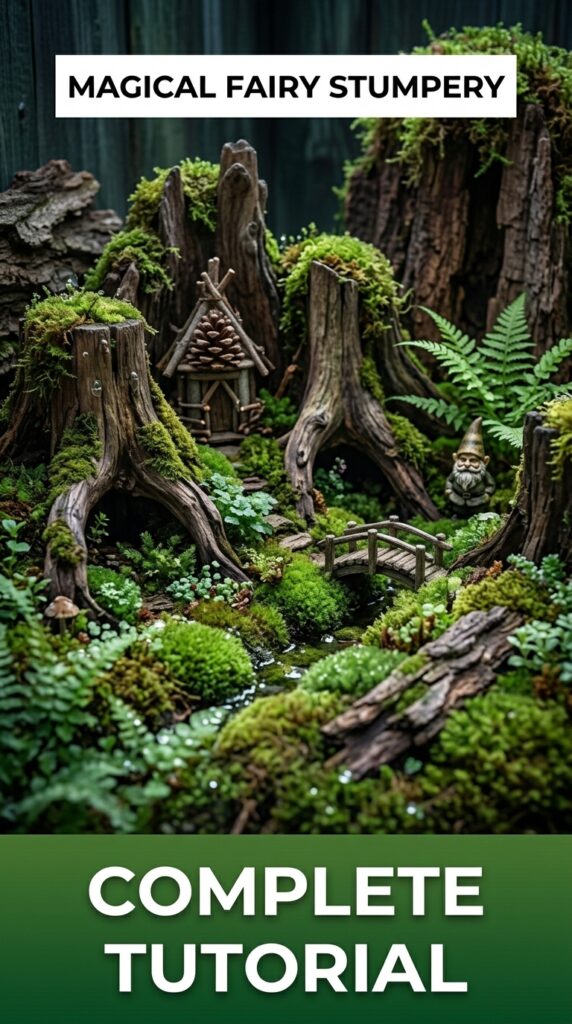
Mini logs and ferns arranged in large pots.
Corner Stumpery Feature
A single focal stump surrounded by shade plants.
Vertical Stumpery Wall
Roots and wood mounted against fences.
DIY Stumpery Garden Tips
Step 1: Collect Natural Wood
Use old stumps, logs, and branches.
Step 2: Arrange Naturally
Avoid symmetry—keep it random and organic.
Step 3: Add Soil and Mulch
Fill gaps with rich, moisture-retaining soil.
Step 4: Plant Shade-Loving Species
Focus on ferns and woodland plants.
Step 5: Add Moss and Finishing Touches
Moss completes the aged forest look.
Maintenance Tips
Keep Soil Moist
Most stumpery plants prefer damp conditions.
Control Overgrowth
Trim plants occasionally to maintain balance.
Replace Decaying Wood
Natural wood will break down over time and may need replacement.
Encourage Wildlife
Avoid pesticides to maintain a natural ecosystem.
Common Stumpery Garden Mistakes
Over-Designing
Stumperies should look natural, not structured.
Using Too Many Colors
Stick to greens, browns, and natural tones.
Lack of Shade Plants
Sun-loving plants will not thrive here.
Ignoring Moisture Needs
Dry conditions can damage the ecosystem.
Why Stumpery Gardens Are Popular
Stumpery gardens are trending because they:
- Recycle natural materials
- Support wildlife habitats
- Create a mystical forest aesthetic
- Require low maintenance
- Work well in shady gardens
Conclusion
A stumpery garden is a beautiful way to transform unused or shaded areas into a natural woodland landscape. By combining tree stumps, logs, ferns, moss, and shade-loving plants, you can create a garden that feels ancient, peaceful, and full of life.
Whether large or small, a stumpery garden adds mystery, texture, and ecological value to any outdoor space while celebrating the beauty of natural decay and forest life.