
 By John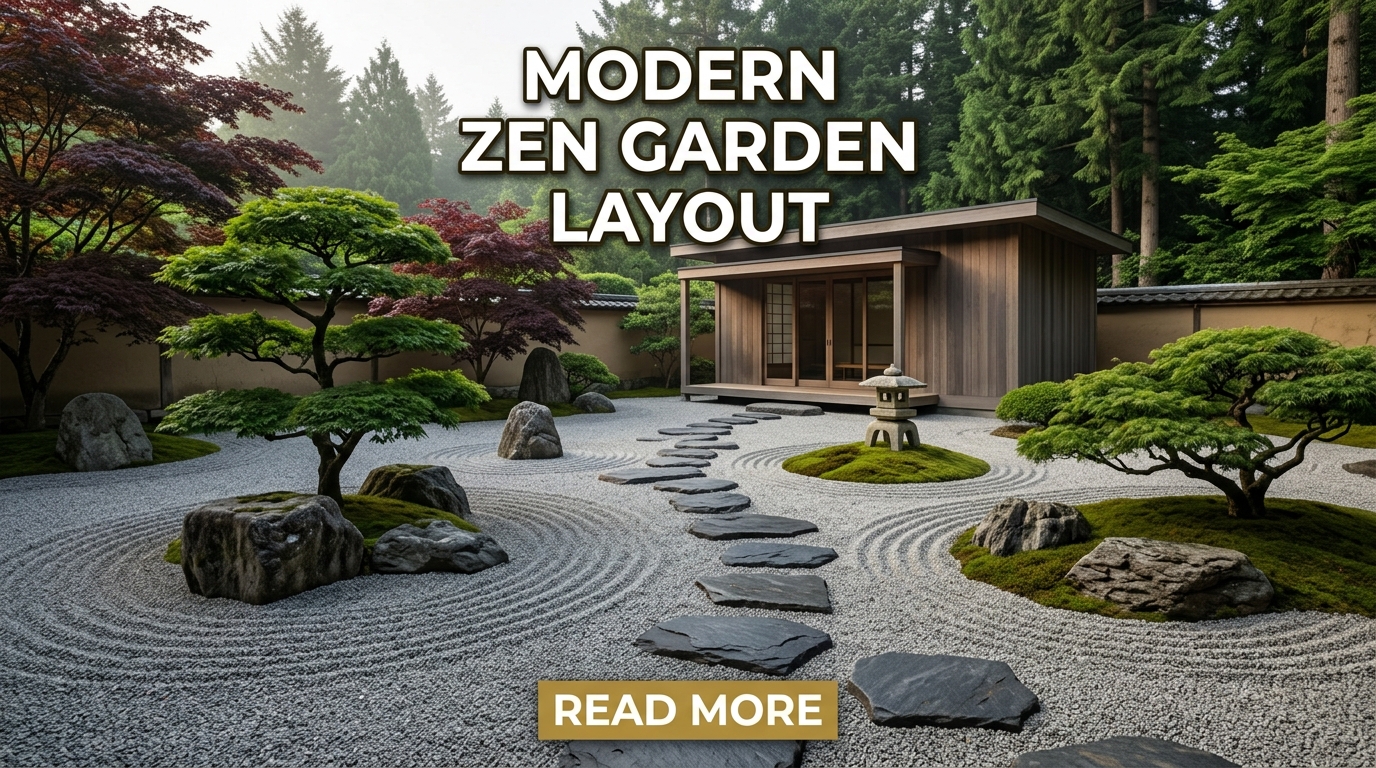
A Japanese garden design layout is a carefully planned outdoor space that focuses on harmony, simplicity, balance, and natural beauty. Unlike highly structured Western gardens, Japanese gardens aim to reflect nature in a calm and symbolic way using rocks, water, plants, and open space.
These gardens are designed to create peace, meditation, and emotional balance, making them ideal for homes, courtyards, patios, and even small spaces.
Core Principles of Japanese Garden Layout
Simplicity (Kanso)
Avoid clutter and unnecessary elements. Every object should have meaning.
Naturalness (Shizen)
Design should look natural, not artificial or overly styled.
Asymmetry (Fukinsei)
Perfect balance is avoided in favor of natural irregularity.
Balance and Harmony
All elements should feel connected and visually calm.
Basic Japanese Garden Layout Structure
A traditional Japanese garden layout usually includes these main zones:
- Entrance area
- Pathway or stepping stone route
- Rock arrangement zone
- Water feature area
- Planting zones
- Meditation or sitting space
Each section flows naturally into the next without harsh boundaries.
Pathway Layout Ideas
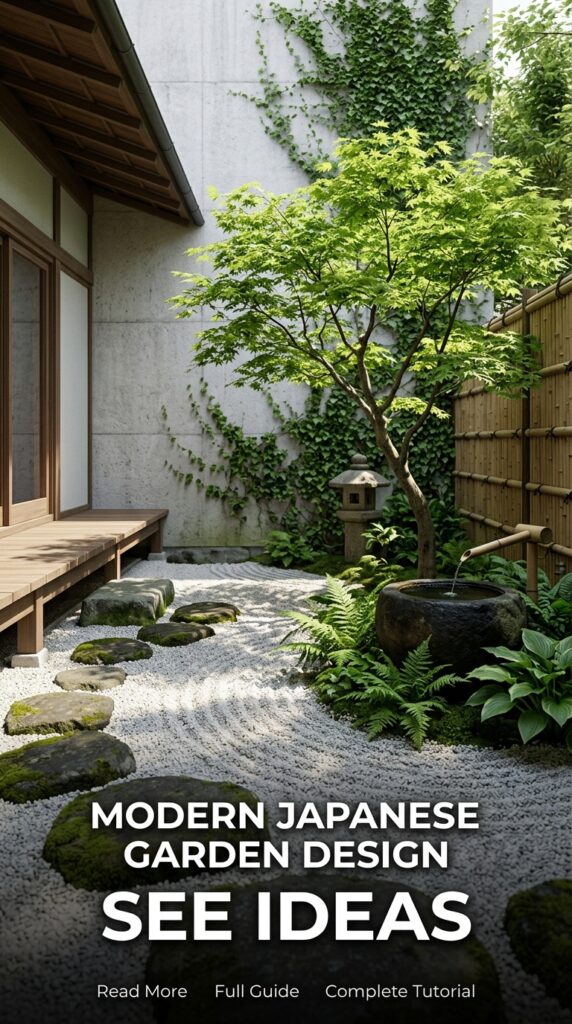
Pathways are an essential part of Japanese garden design.
Stepping Stone Path (Tobi-ishi)
A natural walking path made of spaced stones that encourages slow walking and reflection.
Gravel Path
Fine gravel is used to create soft, peaceful walking surfaces.
Curved Path Design
Paths rarely follow straight lines; instead they curve gently to mimic nature.
Rock Arrangement Layout (Ishi-gumi)
Rocks are the backbone of Japanese garden design.
Common Layout Patterns:
- Triangular rock groups
- Tall central stone with smaller supporting stones
- Asymmetrical clusters
Rocks symbolize mountains, islands, or strength.
Water Feature Layout
Water represents life and movement.
Popular Layout Options:
Pond-Centered Design
A central pond surrounded by plants and stones.
Stream Layout
A small flowing water channel running through the garden.
Dry Water Garden (Karesansui)
Uses gravel and raked sand to represent water instead of real water.
Plant Layout in Japanese Gardens
Plants are arranged carefully to avoid overcrowding.
Common Plants:
- Japanese maple
- Bamboo
- Moss
- Ferns
- Pine trees
Layout Tips:
- Place taller plants at the back
- Use moss for ground coverage
- Avoid colorful overcrowding
- Focus on green tones and texture
Zen Garden Layout (Dry Garden Style)
Zen gardens are minimalist and meditative.
Layout Elements:
- Raked white gravel
- Large symbolic rocks
- Minimal plants
- Open empty space
Patterns in gravel represent water ripples or waves.
Small Japanese Garden Layout
Even small spaces can become Japanese-inspired gardens.
Layout Ideas:
- Corner meditation zone
- Single rock focal point garden
- Mini bamboo border garden
- Container Zen garden
Small layouts focus more on detail than size.
Courtyard Japanese Garden Layout
Courtyard gardens are enclosed and private.
Features:
- Central stone arrangement
- Surrounding greenery
- Small water basin (tsukubai)
- Wooden stepping paths
This layout is ideal for homes with limited outdoor space.
Tea Garden (Roji) Layout
A traditional tea garden leads to a tea house.
Layout Flow:
- Entrance gate
- Waiting area
- Stone path leading inward
- Water purification basin
- Tea house at the end
The journey itself is part of the experience.
Garden Focal Point Layout
Every Japanese garden has a focal point.
Common Focal Points:
- Stone lantern (tōrō)
- Water basin
- Large artistic rock
- Small bridge
- Bonsai tree
The layout is built around this central feature.
Bridge Layout Ideas
Bridges are often used over ponds or streams.
Types:
- Wooden arched bridge
- Flat stone bridge
- Simple plank bridge
They symbolize transition and journey.
Lighting Layout in Japanese Gardens
Lighting is subtle and minimal.
Placement Ideas:
- Near pathways
- Around water features
- Beside stone lanterns
Soft lighting enhances nighttime tranquility.
Balance and Spacing in Layout Design
Japanese gardens value empty space as much as filled space.
Key Ideas:
- Do not overcrowd plants
- Maintain open areas
- Balance visual weight
- Create breathing space between elements
This concept is known as “Ma” (negative space).
Materials Used in Layout Design
Natural Stone
Used for pathways, rocks, and decorations.
Gravel and Sand
Used in Zen gardens and pathways.
Wood
Used in bridges, fences, and structures.
Water
Used in ponds, streams, and basins.
Common Japanese Garden Layout Mistakes
Overcrowding
Too many plants destroy simplicity.
Straight-Line Design
Japanese gardens avoid rigid symmetry.
Bright Colors
Overuse of colorful flowers reduces calmness.
Ignoring Flow
The garden should guide movement naturally.
Why Japanese Garden Layouts Are Popular
People love Japanese garden designs because they:
- Create peace and relaxation
- Work in small or large spaces
- Require low maintenance
- Emphasize natural beauty
- Support meditation and mindfulness
Conclusion
A Japanese garden design layout is all about harmony, simplicity, and connection with nature. By carefully arranging rocks, plants, pathways, and water features, you can create a peaceful outdoor space that feels balanced and timeless.
Whether you design a Zen garden, courtyard garden, or full landscape, the key is to keep the layout natural, uncluttered, and deeply connected to the surrounding environment.