 By John
A garden nursery is the heart of successful gardening, providing a place where plants are propagated, grown, and cared for before being transplanted into gardens, landscapes, or containers. Whether you’re starting a backyard vegetable patch, designing a flower garden, or creating a large landscape project, a nursery offers access to healthy plants, gardening supplies, and expert advice.
Understanding how garden nurseries work can help you select better plants, save money, and create a thriving outdoor space.
What Is a Garden Nursery?
A garden nursery is a facility where plants are grown and maintained until they are ready for sale or transplanting. Nurseries may specialize in flowers, vegetables, trees, shrubs, herbs, or a combination of plant types.
Common products found in a garden nursery include:
- Flowering plants
- Trees and shrubs
- Vegetable seedlings
- Herb plants
- Indoor plants
- Garden tools
- Potting soil
- Fertilizers
- Planters and containers
Nurseries serve both home gardeners and professional landscapers.
Benefits of Buying Plants from a Garden Nursery
Healthier Plants
Nursery-grown plants are usually stronger and better established than plants grown from seed at home.
Wider Plant Selection
Most nurseries offer a large variety of plants suited to different climates and garden styles.
Expert Guidance
Staff can often provide valuable advice about plant care, soil, watering, and pest management.
Faster Results
Buying established plants allows you to enjoy a mature-looking garden more quickly.
Types of Garden Nurseries
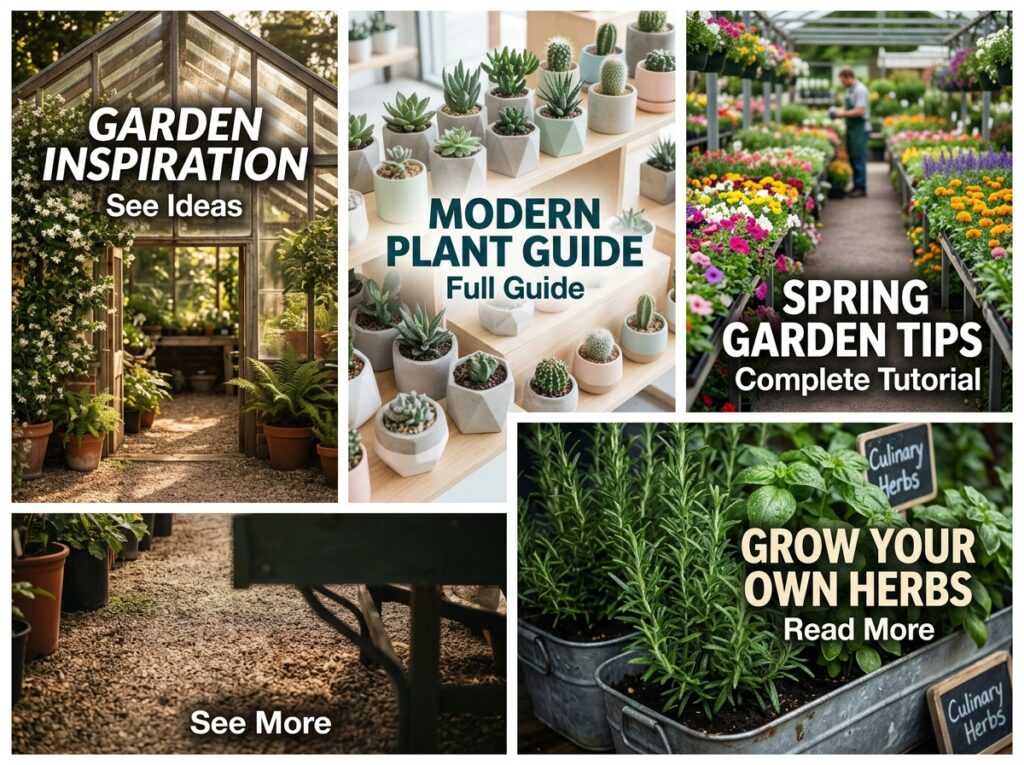
Retail Nurseries
Open to homeowners and hobby gardeners.
Wholesale Nurseries
Supply plants to landscapers, garden centers, and businesses.
Specialty Nurseries
Focus on specific plant categories such as:
- Native plants
- Roses
- Succulents
- Fruit trees
- Bonsai
- Orchids
Online Nurseries
Allow customers to order plants and gardening supplies for home delivery.
Plants Commonly Found in a Garden Nursery
Flowering Plants
Popular choices include:
- Roses
- Petunias
- Marigolds
- Geraniums
- Hydrangeas
Shrubs
Common nursery shrubs include:
- Boxwood
- Azaleas
- Camellias
- Holly
Trees
Many nurseries offer:
- Maple trees
- Magnolia trees
- Fruit trees
- Olive trees
- Evergreen trees
Herbs
Easy-to-grow herbs often include:
- Basil
- Mint
- Rosemary
- Thyme
- Parsley
Vegetable Seedlings
Popular options include:
- Tomatoes
- Peppers
- Cucumbers
- Lettuce
- Cabbage
How to Choose Healthy Nursery Plants
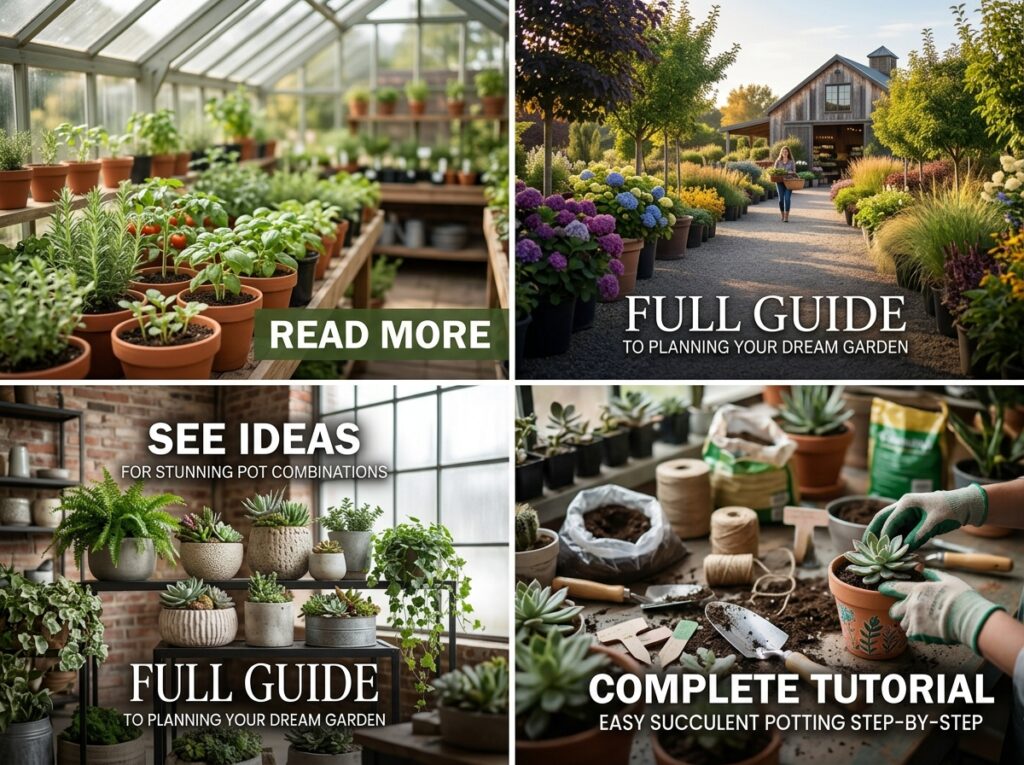
Inspect the Leaves
Healthy plants should have vibrant, disease-free foliage.
Check the Roots
Roots should be white or light-colored and not tightly circling the container.
Avoid Pest Damage
Look for signs of insects, holes, or discoloration.
Examine Growth Structure
Choose plants with strong stems and balanced growth.
Garden Nursery Layout Ideas
If you’re creating a nursery at home, organization is essential.
Seed Starting Area
Dedicated space for germinating seeds.
Propagation Zone
Used for cuttings and plant propagation.
Shade Area
Protects delicate plants from intense sunlight.
Display Section
Organizes mature plants ready for transplanting.
Storage Area
Houses tools, pots, and gardening supplies.
Starting a Small Home Garden Nursery
A home nursery can help you grow plants for personal use or even small-scale sales.
Basic Requirements
- Good sunlight
- Quality soil
- Containers or seed trays
- Water source
- Plant labels
- Shelving or benches
Start with easy-to-grow plants and expand gradually.
Essential Garden Nursery Supplies
Seed Trays
Ideal for starting seedlings.
Potting Mix
Provides proper drainage and nutrients.
Containers
Available in various sizes for different plant types.
Watering Equipment
Includes watering cans, hoses, and drip systems.
Plant Labels
Help keep track of plant varieties.
Garden Nursery Care Tips
Water Consistently
Different plants have different moisture needs.
Monitor for Pests
Regular inspections help prevent infestations.
Fertilize Appropriately
Use balanced fertilizers suited to plant type.
Provide Proper Spacing
Good airflow reduces disease problems.
Seasonal Nursery Tasks
Spring
- Start seeds
- Transplant seedlings
- Increase watering
Summer
- Monitor moisture levels
- Control pests
- Provide shade when needed
Autumn
- Plant trees and shrubs
- Collect seeds
- Prepare for cooler weather
Winter
- Protect sensitive plants
- Maintain indoor seedlings
- Plan next season’s garden
Common Garden Nursery Mistakes
Overwatering
One of the most common causes of plant failure.
Poor Drainage
Can lead to root rot and disease.
Crowded Plants
Reduces airflow and increases disease risk.
Ignoring Local Climate
Always select plants suited to your growing conditions.
Garden Nursery Design Trends
Modern nurseries often feature:
- Native plant collections
- Pollinator-friendly plants
- Organic growing practices
- Sustainable landscaping
- Edible gardens
- Water-efficient plant selections
These trends support both environmental sustainability and gardening success.
Why Garden Nurseries Are Important
Garden nurseries play a vital role in helping gardeners establish healthy, beautiful landscapes. They provide access to quality plants, professional knowledge, and essential supplies that make gardening easier and more successful.
Whether you’re creating a flower garden, vegetable patch, container garden, or complete landscape design, a nursery is often the best place to begin.
Conclusion
A well-managed garden nursery provides everything needed to grow a thriving garden, from healthy plants and quality supplies to expert guidance and inspiration. Whether you visit a local nursery or start a small nursery at home, understanding plant selection, care, and organization can significantly improve your gardening results.
By choosing healthy plants, providing proper care, and planning carefully, you can create a beautiful and productive garden that flourishes throughout the year.