
 By John
A well-planned chicken coop and garden layout is one of the most rewarding ways to create a productive backyard. By combining a thriving vegetable garden, fruit trees, herbs, flowers, composting area, and a thoughtfully designed chicken coop, you can build a self-sustaining outdoor space that provides fresh food, supports local wildlife, and reduces household waste. Chickens naturally contribute to the health of your garden by producing nutrient-rich manure for compost, helping control insects, and turning organic scraps into valuable fertilizer.
Whether you have a spacious homestead, a suburban backyard, or a compact urban garden, the right layout ensures that your chickens remain healthy while your plants flourish. Careful planning helps protect crops, improve workflow, maximize available space, and create an attractive landscape that is both functional and enjoyable.
This complete guide explores everything you need to know about planning the perfect chicken coop and garden layout, including site selection, coop design, planting zones, sustainability practices, maintenance, and landscaping ideas.
Why Combine a Chicken Coop and Garden?
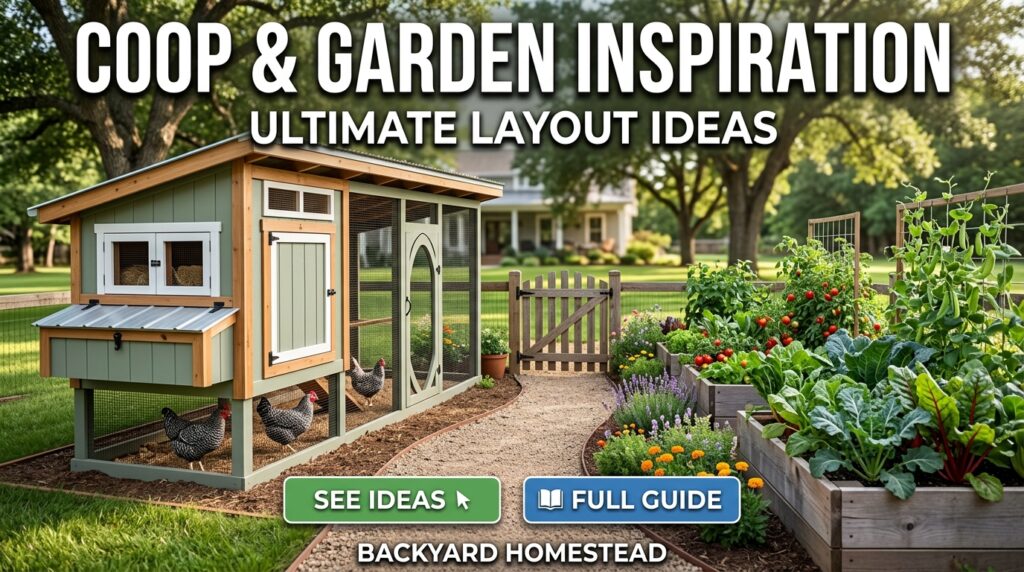
Keeping chickens alongside a garden creates a balanced ecosystem where each element supports the others.
Benefits include:
- Fresh eggs throughout the year
- Natural fertilizer for garden beds
- Reduced household food waste
- Improved compost production
- Natural insect control
- Weed management
- Healthier soil
- Sustainable food production
- Lower gardening costs
- Greater self-sufficiency
A well-managed system benefits both your chickens and your garden while making everyday maintenance more efficient.
Evaluate Your Backyard Space
Before beginning your project, carefully assess your property.
Consider:
- Total available space
- Sunlight patterns
- Soil quality
- Drainage
- Existing trees
- Wind direction
- Water access
- Local regulations
Understanding your site’s strengths and limitations helps you create a practical and efficient design.
Create a Master Layout Plan
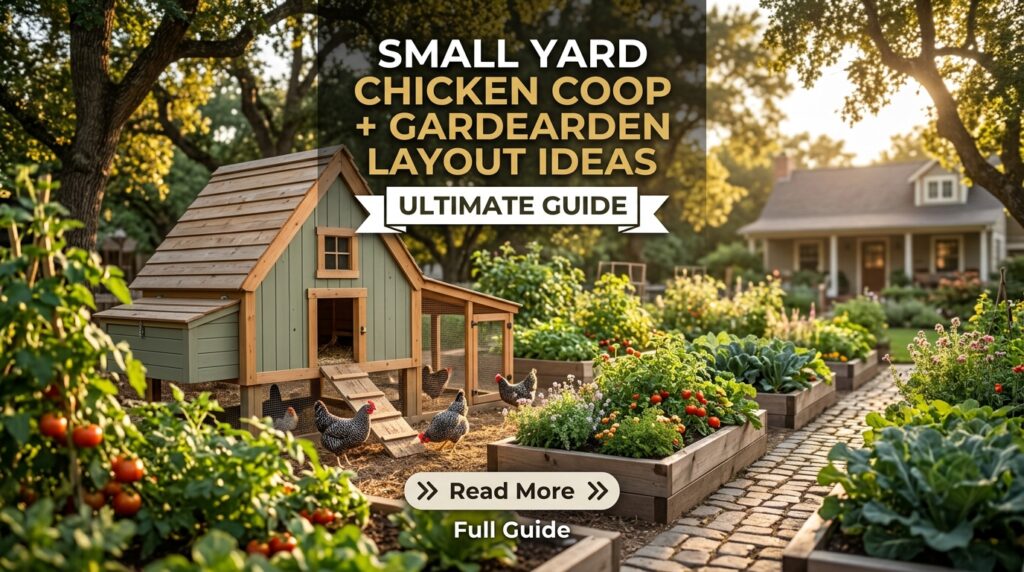
Sketch a simple map before building or planting.
Include dedicated zones for:
- Chicken coop
- Secure chicken run
- Vegetable garden
- Herb garden
- Compost station
- Fruit trees
- Flower beds
- Rainwater collection
- Storage shed
- Outdoor seating
- Walking paths
Organizing each area before construction prevents overcrowding and improves long-term maintenance.
Choose the Best Location for the Chicken Coop
The coop should provide a comfortable and healthy environment.
Choose a location with:
- Good drainage
- Morning sunshine
- Afternoon shade
- Protection from strong winds
- Easy access for cleaning
- Convenient proximity to the house
Avoid placing the coop in low-lying areas where water collects after rain.
A slightly elevated site helps keep the coop dry.
Design a Functional Chicken Coop
A comfortable coop keeps chickens healthy and productive.
Essential features include:
- Nesting boxes
- Roosting bars
- Proper ventilation
- Predator-proof doors
- Easy-clean flooring
- Secure locks
- Adequate insulation for your climate
Allow enough indoor space to prevent overcrowding.
A clean, well-ventilated coop reduces the risk of disease.
Build a Safe Chicken Run
An outdoor run allows chickens to exercise while remaining protected.
Include:
- Strong wire fencing
- Covered roof or netting
- Dust bathing area
- Shade structures
- Feeding station
- Fresh drinking water
Secure fencing helps protect chickens from predators while preventing escape.
Position the Vegetable Garden
Vegetables require abundant sunlight.
Choose a location that provides:
- Six to eight hours of sunlight daily
- Well-drained soil
- Convenient water access
- Good air circulation
Locate the garden near the coop for easier transport of compost while maintaining a protective barrier between crops and chickens.
Protect Garden Beds from Chickens
Although chickens are beneficial, they can quickly damage growing plants.
Protect crops using:
- Decorative fencing
- Raised beds
- Chicken wire
- Garden gates
- Temporary barriers
Allow supervised access after harvest so chickens can eat insects and clean up leftover plant material.
Install Raised Garden Beds
Raised beds improve productivity and organization.
Advantages include:
- Better drainage
- Improved soil quality
- Easier maintenance
- Reduced weeds
- Cleaner harvests
- Protection from scratching chickens
Popular materials include:
- Cedar
- Galvanized steel
- Brick
- Natural stone
Raised beds also make harvesting more comfortable.
Grow a Productive Vegetable Garden
A diverse vegetable garden provides fresh produce throughout the season.
Excellent crops include:
- Tomatoes
- Lettuce
- Spinach
- Carrots
- Cucumbers
- Peppers
- Beans
- Zucchini
- Kale
- Onions
Rotate crops each year to improve soil health and reduce pest problems.
Create an Herb Garden
Fresh herbs are easy to grow and highly useful.
Popular herbs include:
- Basil
- Rosemary
- Thyme
- Parsley
- Oregano
- Chives
- Sage
- Mint
Plant herbs near pathways or outdoor kitchens for convenient harvesting.
Many herbs also help attract beneficial insects.
Plant Fruit Trees
Fruit trees provide long-term productivity and natural shade.
Popular choices include:
- Apple
- Pear
- Peach
- Plum
- Cherry
- Fig
- Citrus (where climate allows)
Plant trees away from the chicken run to protect developing fruit.
Mulch around trees to conserve moisture.
Include Berry Bushes
Berry bushes maximize harvests while requiring relatively little space.
Great options include:
- Blueberries
- Raspberries
- Blackberries
- Gooseberries
- Currants
Protect berries with netting if birds become a problem.
Add Pollinator Flowers
Flower beds improve biodiversity and crop production.
Excellent pollinator plants include:
- Lavender
- Coneflowers
- Bee Balm
- Salvia
- Marigolds
- Sunflowers
- Cosmos
- Zinnias
Pollinators increase fruit and vegetable yields while making the garden more colorful.
Build a Compost Station
A compost area transforms waste into valuable fertilizer.
Materials include:
- Chicken bedding
- Garden clippings
- Vegetable scraps
- Fallen leaves
- Grass clippings
Avoid adding meat, dairy products, or oily foods.
Finished compost enriches garden soil naturally.
Collect Rainwater
Rainwater harvesting reduces water costs.
Install:
- Rain barrels
- Gutters
- Downspouts
- Storage tanks
Collected rainwater is ideal for irrigating vegetables and flower beds.
Create Comfortable Garden Paths
Walkways improve accessibility.
Popular materials include:
- Gravel
- Brick
- Flagstone
- Wood chips
Wide paths make it easier to transport feed, compost, and gardening equipment.
Curved pathways create a relaxed, natural appearance.
Install Garden Fencing
Good fencing protects both crops and chickens.
Options include:
- Wooden fencing
- Wire mesh
- Decorative metal fencing
- Living hedges
Strong fencing also helps deter wildlife.
Add Shade Throughout the Garden
Shade improves comfort for both people and animals.
Create shade using:
- Pergolas
- Shade sails
- Fruit trees
- Climbing vines
- Large shrubs
Chickens especially benefit from cool resting areas during hot weather.
Design an Outdoor Seating Area
Enjoy your productive garden with a comfortable place to relax.
Include:
- Wooden bench
- Picnic table
- Garden chairs
- Pergola
- Fire pit
Position seating where you can enjoy views of both the garden and chicken coop.
Install Outdoor Lighting
Lighting improves safety and extends garden enjoyment.
Good options include:
- Solar pathway lights
- String lights
- Lanterns
- Motion-sensor lights
Lighting also makes evening chores more convenient.
Practice Sustainable Gardening
Eco-friendly methods benefit both the environment and your backyard.
Use:
- Organic fertilizers
- Compost
- Mulch
- Native plants
- Drip irrigation
- Crop rotation
Sustainable practices reduce waste while improving long-term productivity.
Seasonal Maintenance
Spring
- Prepare garden beds
- Plant vegetables
- Clean the coop thoroughly
- Add fresh bedding
Summer
- Water regularly
- Harvest vegetables
- Provide extra shade and water for chickens
- Control weeds
Autumn
- Plant cool-season crops
- Collect leaves for compost
- Winterize the coop
- Store garden tools
Winter
- Protect plants from frost
- Keep water from freezing
- Insulate the coop if necessary
- Plan next year’s garden
Regular seasonal care keeps both the garden and flock healthy.
Budget-Friendly Chicken Coop and Garden Ideas
Create a beautiful backyard without overspending.
Affordable ideas include:
- DIY raised beds
- Repurposed pallets
- Homemade compost bins
- Recycled rain barrels
- Gravel pathways
- Secondhand garden furniture
- Solar-powered lighting
Small improvements completed over time often create the most successful gardens.
Common Mistakes to Avoid
Avoid these common planning errors:
- Building the coop in poorly drained areas
- Allowing chickens unrestricted access to crops
- Planting without considering sunlight
- Overcrowding the garden
- Ignoring predator protection
- Forgetting future expansion
Proper planning prevents costly changes later.
Example Chicken Coop and Garden Layout
A balanced backyard layout might include:
- Chicken coop in one rear corner
- Secure fenced chicken run beside the coop
- Raised vegetable beds in the sunniest section
- Herb garden near the kitchen entrance
- Fruit trees along the perimeter
- Compost station behind the coop
- Pollinator flower border surrounding the vegetable garden
- Gravel pathways connecting all areas
- Pergola with seating overlooking the garden
- Rain barrels positioned beside the shed or coop
This arrangement creates an efficient workflow while keeping every area organized and attractive.
Final Thoughts
A thoughtfully designed chicken coop and garden layout combines food production, sustainability, and beautiful landscaping into one harmonious outdoor space. By carefully positioning your chicken coop, protecting your vegetable beds, planting a diverse mix of crops, flowers, herbs, and fruit trees, and incorporating practical features such as composting, rainwater collection, and comfortable pathways, you can create a backyard that is productive, efficient, and enjoyable throughout the year.
Whether your goal is to raise chickens for fresh eggs, grow organic vegetables, reduce household waste, or simply enjoy a more self-sufficient lifestyle, integrating your garden and coop creates countless long-term benefits. With careful planning, regular maintenance, and sustainable gardening practices, your backyard can become a thriving ecosystem that supports healthy plants, happy chickens, and a rewarding outdoor lifestyle for years to come.