 By John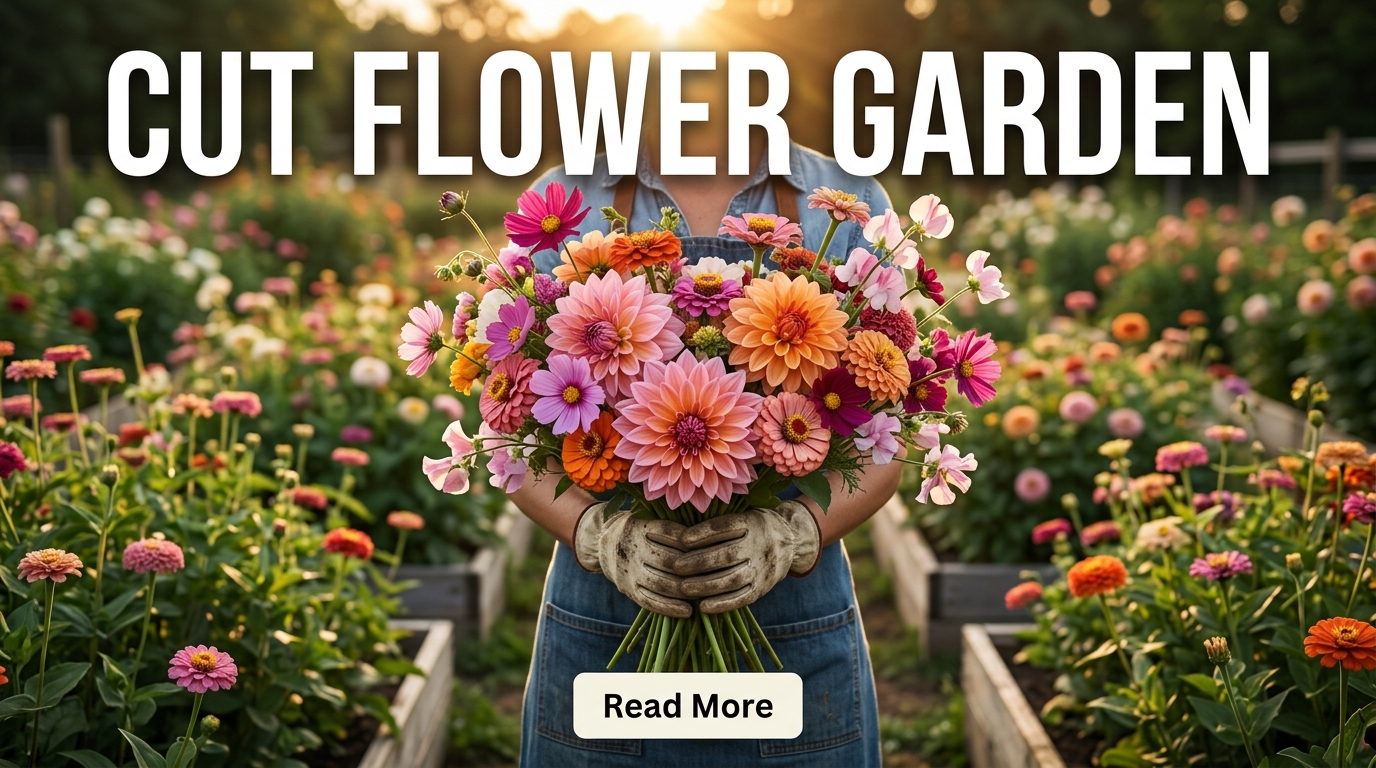
A cut flower garden is a specially designed garden where flowers are grown mainly for cutting and using in floral arrangements. Unlike decorative gardens that focus only on appearance, a cut flower garden is planned for continuous harvesting, long vase life, and maximum bloom production.
This type of garden is popular among home gardeners, florists, and hobby growers because it provides fresh flowers throughout the season and reduces the need to buy store-bought bouquets.
What Is a Cut Flower Garden?
A cut flower garden is a productive planting space where flowers are grown specifically to be harvested and arranged in vases, bouquets, and decorations.
The main focus is:
- Long-lasting blooms
- Frequent harvesting
- Continuous flowering cycles
- Easy access for cutting
These gardens can be small backyard beds or large professional-style growing areas.
Benefits of a Cut Flower Garden
Fresh flowers anytime
You can enjoy fresh, homegrown flowers instead of buying them.
Cost-effective
It reduces spending on floral arrangements.
Continuous blooming
With proper planning, something is always in bloom.
Therapeutic activity
Gardening and flower arranging reduce stress and improve mental well-being.
Creative freedom
You can grow and design your own bouquets.
Best Location for a Cut Flower Garden
Choosing the right location is important for healthy flower growth.
Ideal conditions:
- Full sun (6–8 hours daily)
- Well-drained soil
- Easy access for watering and cutting
- Protection from strong winds
A backyard, side yard, or raised bed area works perfectly.
Best Flowers for a Cut Flower Garden
A successful cut flower garden includes a mix of annuals and perennials.
Easy annual flowers
These grow quickly and bloom for long periods.
- Zinnias
- Cosmos
- Sunflowers
- Sweet peas
- Marigolds
- Snapdragons
These flowers are perfect for beginners because they are low maintenance and produce many blooms.
Popular perennial flowers
These return every year and create structure in the garden.
- Peonies
- Coneflowers (Echinacea)
- Black-eyed Susans
- Shasta daisies
- Lavender
Perennials provide a stable foundation for long-term flower production.
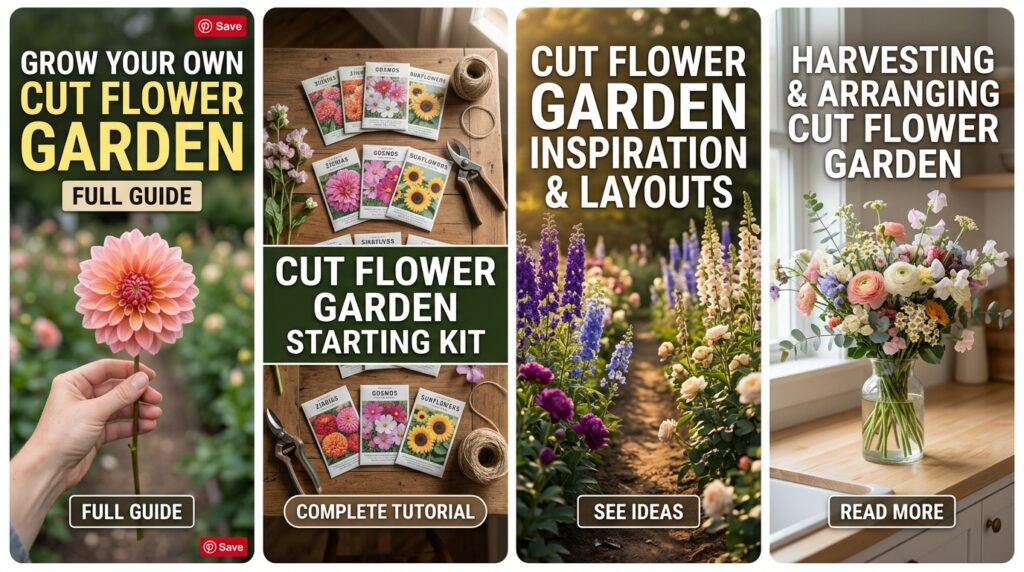
Cut Flower Garden Layout Ideas
A good layout makes harvesting easier and increases flower production.
1. Row Layout
Flowers are planted in straight rows like a mini farm.
- Easy to walk through
- Simple maintenance
- Best for large gardens
2. Raised Bed Layout
Flowers are grown in raised garden beds.
- Better soil control
- Improved drainage
- Ideal for small spaces
3. Grid Layout
Flowers are planted in organized blocks.
- Maximizes space
- Easy crop rotation
- Highly efficient production
4. Mixed Cutting Beds
Different flowers are planted together in one bed.
- More natural look
- Good for home gardens
- Continuous color variety
Soil Preparation for Cut Flower Gardens
Healthy soil is essential for strong flower growth.
Steps:
- Remove weeds and debris
- Loosen soil to improve root growth
- Add compost or organic matter
- Ensure proper drainage
Rich soil leads to bigger blooms and longer stems.
Planting and Growing Tips
Start from seeds or seedlings
Many cut flowers grow easily from seeds, especially zinnias and cosmos.
Use succession planting
Plant new seeds every 2–3 weeks for continuous blooms.
Water regularly
Deep watering encourages strong root systems.
Provide support
Tall flowers like sunflowers may need stakes.
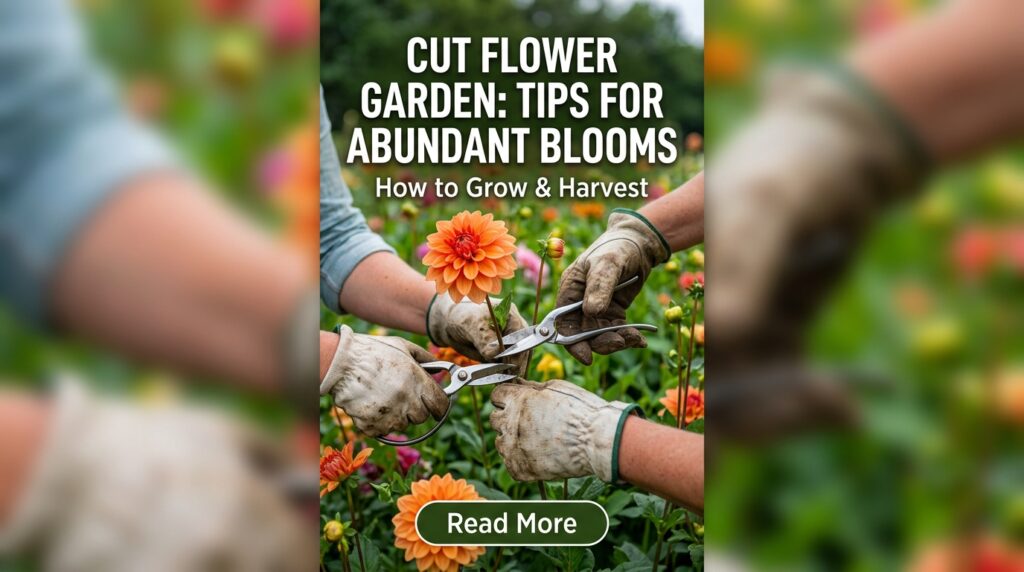
Harvesting Cut Flowers Properly
Cutting flowers correctly improves vase life and encourages more blooms.
Best time to cut:
- Early morning
- Late evening
Cutting tips:
- Use sharp, clean scissors
- Cut stems at an angle
- Remove lower leaves
- Place in water immediately
Frequent cutting helps plants produce more flowers.
Essential Tools for a Cut Flower Garden
- Garden shears or scissors
- Watering can or hose
- Buckets for collecting flowers
- Gloves for protection
- Plant supports or stakes
These tools make gardening easier and more efficient.
Seasonal Planning for Continuous Blooms
A well-planned garden produces flowers year-round (in warm climates) or throughout the growing season.
Spring:
- Sweet peas
- Tulips (bulbs)
- Daffodils
Summer:
- Zinnias
- Sunflowers
- Cosmos
Autumn:
- Dahlias
- Chrysanthemums
Succession planting ensures no empty gaps.
Common Mistakes to Avoid
- Planting too closely without airflow
- Not harvesting regularly
- Ignoring soil health
- Growing only one type of flower
- Lack of succession planting
Avoiding these mistakes improves flower quality and yield.
Design Ideas for a Cut Flower Garden
Cottage-style cutting garden
Mix colorful flowers in a natural, flowing layout.
Modern structured garden
Use straight rows and geometric beds for a clean look.
Small space cutting garden
Use raised beds, containers, or vertical planting.
Pollinator-friendly garden
Combine flowers that attract bees and butterflies.
Why Cut Flower Gardens Are Popular
Cut flower gardens are growing in popularity because they:
- Provide fresh homegrown bouquets
- Support sustainable living
- Offer creative gardening experiences
- Require relatively simple maintenance
- Bring beauty and productivity together
Conclusion
A cut flower garden is a perfect blend of beauty and function. It allows you to grow stunning flowers while also enjoying fresh bouquets throughout the season. With the right planning, soil preparation, and planting strategy, even a small garden can produce an impressive variety of blooms.
Whether you prefer a structured row garden or a natural cottage-style design, the key to success is consistent planting, regular harvesting, and selecting the right mix of flowers.