
 By John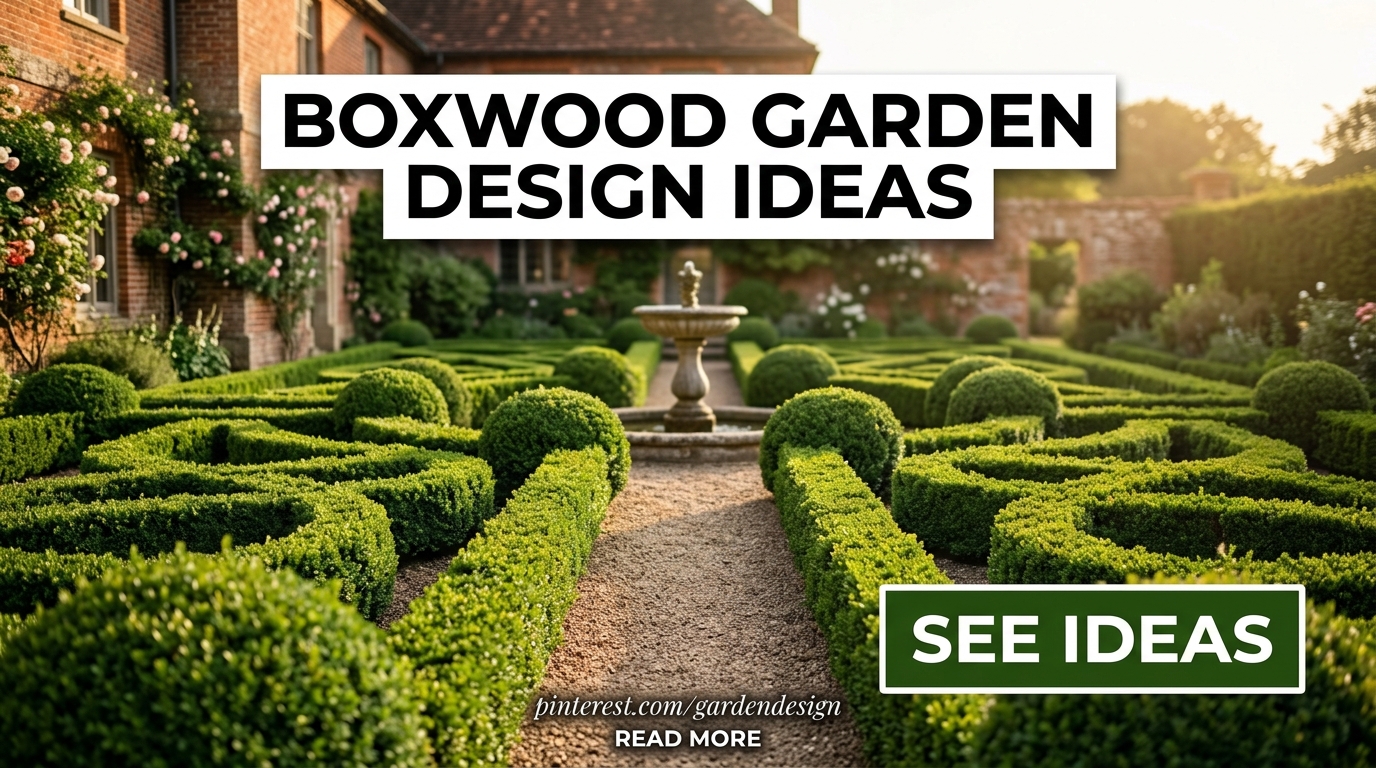
A boxwood garden is a classic and elegant style of landscaping that uses boxwood shrubs to create structured, green, and evergreen designs. Known for their dense foliage and ability to be shaped into hedges, borders, and topiary forms, boxwoods are widely used in formal gardens, modern landscapes, and traditional English-style designs.
Boxwood gardens are popular because they stay green year-round, require moderate maintenance, and can be shaped into clean geometric forms or soft natural borders.
Why Choose a Boxwood Garden?
Boxwood plants are valued in landscaping for their versatility and long-lasting beauty.
Benefits Include:
- Evergreen appearance throughout the year
- Easy to trim and shape
- Ideal for formal and modern designs
- Great for hedges and borders
- Works in small and large gardens
- Low to moderate maintenance
Their structured look makes them perfect for elegant garden layouts.
Popular Boxwood Garden Styles
Formal Boxwood Garden
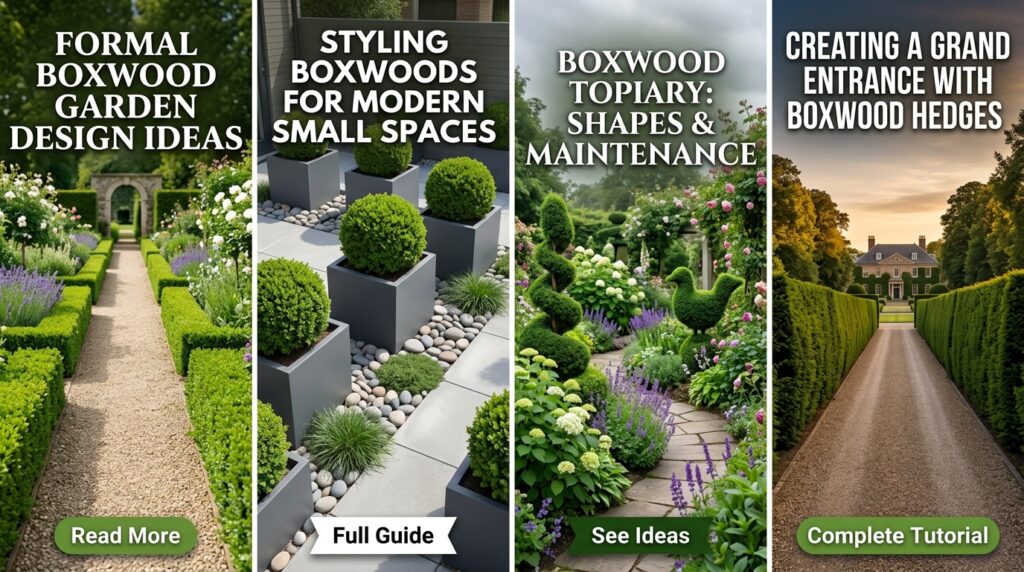
This style focuses on symmetry and structure.
Features:
- Straight hedges
- Geometric patterns
- Symmetrical pathways
- Clean edges
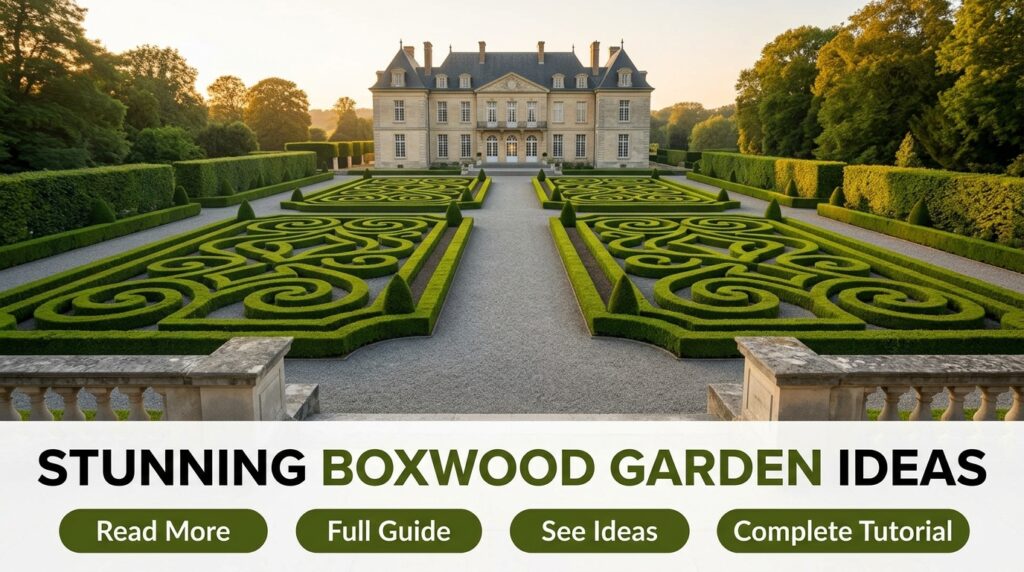
Often seen in palace gardens and traditional estates.
English Boxwood Garden
A softer, more natural approach.
Includes:
- Curved hedges
- Mixed flower beds
- Romantic pathways
- Seasonal blooms alongside boxwood
Modern Minimalist Boxwood Garden
Simple and clean design style.
Elements:
- Square or rectangular hedges
- Gravel pathways
- Minimal plant variety
- Architectural layout
French Parterre Boxwood Garden
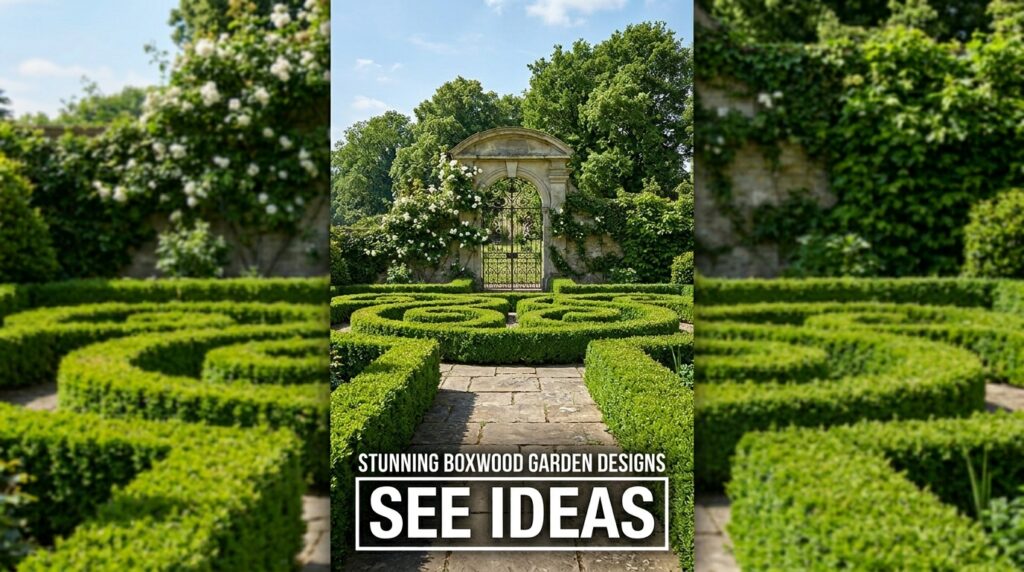
A highly decorative style.
Features:
- Intricate patterns
- Symmetrical designs
- Low clipped hedges
- Floral accents inside shapes
Boxwood Garden Layout Ideas
Border Edging Design
Boxwoods are often used to define garden boundaries.
Hedge Pathway Design
Create green corridors using trimmed boxwood hedges.
Geometric Bed Layout
Use boxwoods to form squares, circles, or diamond shapes.
Central Focal Point Design
Place a fountain, statue, or seating area surrounded by boxwood borders.
Best Boxwood Varieties
English Boxwood (Buxus sempervirens)
- Most popular variety
- Dense and slow-growing
- Ideal for formal hedges
Korean Boxwood
- More cold tolerant
- Slightly faster growth
- Good for shaping
Japanese Boxwood
- Small leaves
- Great for compact gardens
- Ideal for edging
Planting Boxwood in Your Garden
Step 1: Choose the Right Location
Boxwoods grow best in:
- Partial shade to full sun
- Well-drained soil
- Areas with good air circulation
Step 2: Prepare the Soil
- Loosen soil deeply
- Add compost for nutrients
- Ensure proper drainage
Step 3: Plant Proper Spacing
Spacing depends on hedge density:
- 1–2 feet for dense hedges
- 2–3 feet for larger shrubs
Step 4: Water After Planting
Keep soil moist but not waterlogged.
Boxwood Garden Design Ideas
Classic Hedge Maze
Create pathways using tall boxwood hedges for a maze-like design.
Border Garden Design
Use low boxwood hedges to frame flower beds.
Topiary Garden
Shape boxwoods into:
- Spheres
- Cones
- Spirals
Mixed Flower Garden
Combine boxwoods with:
- Roses
- Lavender
- Hydrangeas
Boxwood Garden Maintenance Tips
Regular Pruning
Trim 2–3 times a year to maintain shape.
Watering
Water deeply but infrequently once established.
Fertilizing
Use balanced fertilizer in spring and early summer.
Mulching
Helps retain moisture and control weeds.
Common Boxwood Problems
Boxwood Blight
A fungal disease that causes leaf drop and browning.
Root Rot
Caused by poor drainage or overwatering.
Pest Issues
- Boxwood leafminer
- Spider mites
Regular inspection helps prevent damage.
Best Companion Plants for Boxwood Gardens
Flowering Plants:
- Roses
- Hydrangeas
- Tulips
- Marigolds
Ground Covers:
- Ivy
- Creeping thyme
- Pachysandra
These plants add color and contrast.
Boxwood Garden in Small Spaces
Boxwoods are ideal for compact gardens.
Ideas:
- Container boxwood hedges
- Balcony edging plants
- Mini geometric garden designs
- Small courtyard layouts
They create structure even in limited space.
Seasonal Care for Boxwood Gardens
Spring
- Prune lightly
- Apply fertilizer
- Check for pests
Summer
- Water during dry periods
- Maintain shape
Autumn
- Light trimming
- Prepare for winter
Winter
- Protect from harsh frost
- Avoid heavy pruning
Why Boxwood Gardens Are Popular
Boxwood gardens remain a timeless choice because they offer:
- Elegant structure
- Year-round greenery
- Design flexibility
- Long lifespan
- Suitability for all garden sizes
They are widely used in both traditional and modern landscaping styles.
Conclusion
A boxwood garden brings structure, elegance, and timeless beauty to any outdoor space. Whether used as formal hedges, modern minimalist layouts, or decorative topiary designs, boxwood shrubs provide a versatile foundation for stunning garden landscapes.
With proper planting, regular trimming, and thoughtful design, a boxwood garden can transform your space into a refined and visually balanced outdoor environment that remains beautiful throughout the year.