
 By John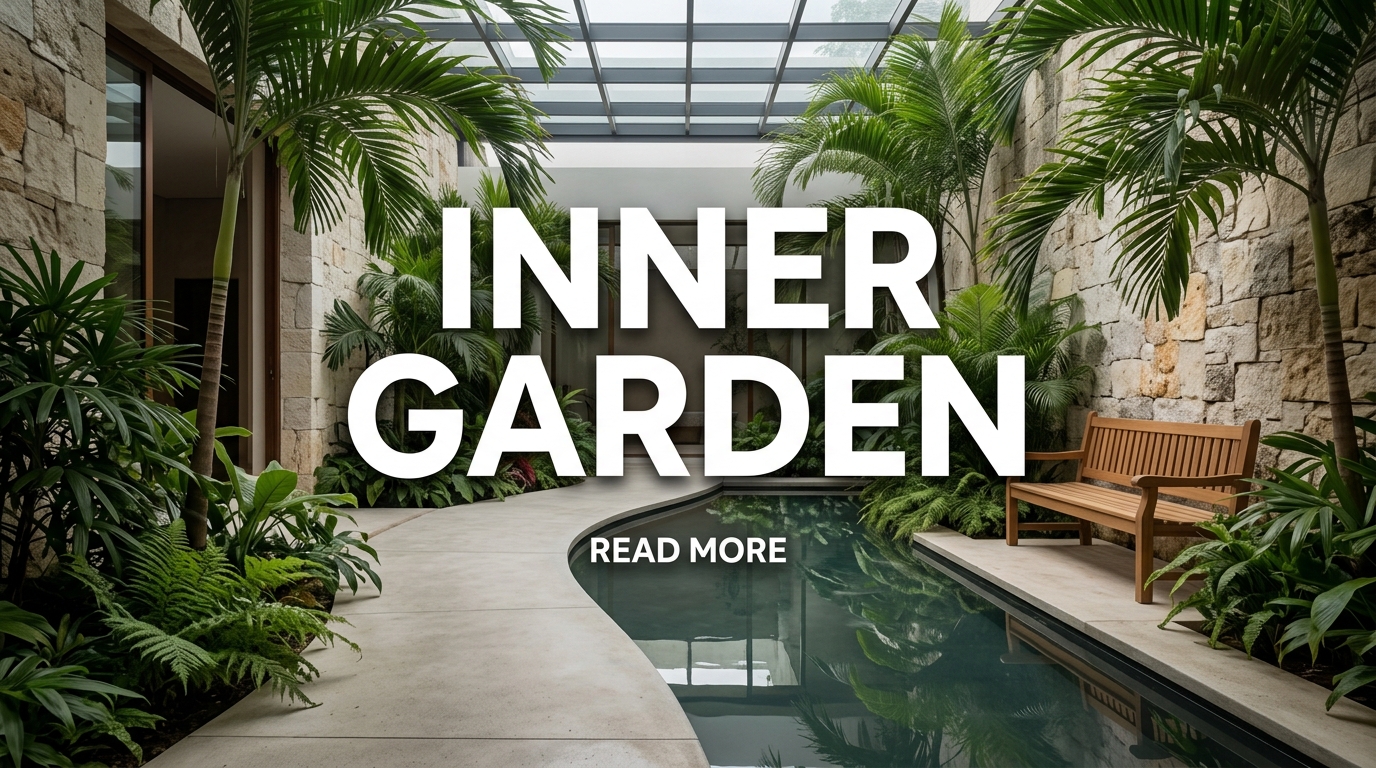
An inner garden can transform an ordinary part of your home into a peaceful green retreat. Whether it is a small courtyard surrounded by walls, a central garden inside a house, or a collection of plants arranged around an interior space, an inner garden brings nature closer to everyday living.
Inner gardens are especially useful for homes where outdoor space is limited. They can introduce greenery, natural textures, filtered light, and a relaxing atmosphere while creating a strong connection between indoor and outdoor areas.
From minimalist courtyard gardens to lush tropical plant corners, there are countless ways to design an inner garden that matches your home and lifestyle.
1. Create a Central Courtyard Garden
A central courtyard can become the heart of your home. Surround the garden with windows, doors, or covered walkways so greenery can be enjoyed from multiple rooms.
2. Design a Minimalist Inner Garden
Keep the design simple with a few carefully selected plants, natural stone, gravel, and clean architectural lines. Minimalist inner gardens work particularly well in modern homes.
3. Add a Small Indoor Tree
A suitable indoor tree can become the focal point of an inner garden. Choose a species that can thrive in the available light and provide enough growing space for its mature size.
4. Create a Tropical Inner Garden
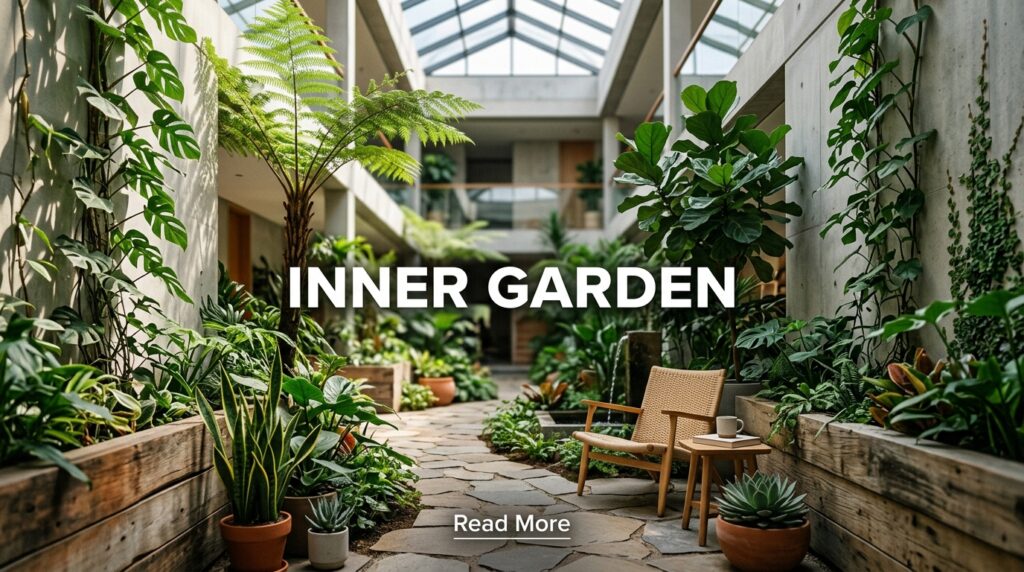
Use lush foliage plants to create a tropical atmosphere. Large leaves, layered greenery, natural stone, and warm lighting can make an enclosed garden feel like a private jungle.
5. Add a Water Feature
A small fountain or water bowl can introduce movement and soothing sounds. Place it near seating or along a garden pathway where it becomes a natural focal point.
6. Use Natural Stone
Stone brings an earthy quality to an inner garden. Use stone pathways, gravel, raised beds, feature walls, or decorative rocks to complement the greenery.
7. Create an Indoor Zen Garden
Use simple elements such as gravel, stones, moss-like plants, bamboo, and restrained greenery. Keep the arrangement uncluttered to create a calm environment.
8. Add a Glass Roof
A glass roof or skylight can provide natural illumination for a central garden. It also creates a dramatic visual connection between the garden and the sky.
9. Create a Small Plant Courtyard
Even a tiny enclosed courtyard can support an attractive collection of plants. Use vertical planting, containers, wall planters, and compact trees to maximize the available area.
10. Use Vertical Gardens
When floor space is limited, grow upward. Living walls, climbing plants, shelves, and wall-mounted planters can add greenery without taking up valuable walking space.
11. Add a Seating Nook
Place a small chair or bench beside the plants. This turns the inner garden from something to look at into a space where you can sit, read, relax, or enjoy your morning coffee.
12. Create a Mediterranean Inner Garden
Use plants and materials inspired by Mediterranean landscapes. Gravel, terracotta containers, stone, herbs, and drought-tolerant plants can create a warm and timeless appearance.
13. Build a Moss Garden
A shaded and humid inner courtyard may provide suitable conditions for moss and other shade-loving plants. Combine soft green textures with stones and simple pathways.
14. Add Bamboo
Bamboo can introduce height, movement, and a natural screen. Select a variety appropriate for the available space and growing conditions, particularly if it will be planted in the ground.
15. Create a Japanese-Inspired Inner Garden

Combine carefully placed stones, evergreen plants, gravel, water, and restrained architectural features. The goal is balance rather than a crowded collection of decorations.
16. Use Raised Garden Beds
Raised beds can define planting areas and make the inner garden easier to organize. They can also provide different soil conditions for plants with specific needs.
17. Create a Courtyard Garden With Gravel
Gravel is practical for many courtyard designs and can create a clean visual background for plants. Add stepping stones to form a simple pathway through the garden.
18. Add Hanging Plants
Hanging baskets can introduce greenery at different heights. They are particularly useful when the floor area is already occupied by furniture or larger plants.
19. Create a Fern Garden
Ferns can add lush textures to shaded inner gardens where conditions are suitable. Combine different leaf shapes and heights for a layered green effect.
20. Design a White and Green Garden
Pair green foliage with white flowers, pale stone, or light-colored containers. This combination can make an enclosed garden feel bright and elegant.
21. Add a Garden Wall
A textured stone, brick, plaster, or wood wall can provide an attractive backdrop for plants. Use the wall to add shelves, planters, artwork, or climbing greenery.
22. Create an Inner Garden Around a Staircase
If your home has an open staircase or unused space beneath stairs, consider turning the area into a small green feature. Compact plants, decorative stones, and lighting can create a striking display.
23. Use Large Statement Planters
Oversized planters can give an inner garden a sophisticated appearance. Place one or two large containers strategically instead of filling the area with many small pots.
24. Create a Secret Garden Feel
Use dense planting, an arched entrance, climbing vines, and partially hidden pathways to create a secret-garden atmosphere. This works especially well in enclosed courtyards.
25. Add Soft Garden Lighting
Lighting can dramatically change an inner garden after sunset. Use subtle uplighting, recessed lights, or small path lights to highlight plants and architectural features.
26. Create a Succulent Inner Garden
A bright, dry inner courtyard can be suitable for succulents. Combine different shapes, sizes, and textures with gravel and decorative rocks.
27. Add a Small Pond
If the structure allows for it, a compact pond can become the centerpiece of an enclosed garden. Include suitable aquatic plants and ensure the installation is properly designed for the space.
28. Create an Herb Inner Garden
A sunny inner courtyard can provide a convenient location for herbs. Basil, mint, thyme, parsley, chives, and other culinary plants can combine beauty with usefulness.
29. Add a Pergola
A small pergola can define a seating or planting area. Climbing plants can soften its structure and create a sheltered garden atmosphere.
30. Use Terracotta Containers
Terracotta pots introduce warm earthy tones that contrast beautifully with green foliage. Group containers at different heights to create visual depth.
31. Create a Modern Inner Garden
Combine geometric planters, smooth stone, architectural plants, clean pathways, and simple furniture. Keep the color palette restrained for a contemporary appearance.
32. Design a Rustic Inner Garden
Use reclaimed wood, aged stone, vintage containers, informal planting, and natural textures. A rustic garden can make an enclosed courtyard feel warm and inviting.
33. Add Fragrant Plants
If the inner garden is near living areas, fragrant plants can enhance the experience. Choose plants appropriate for the light, ventilation, and growing conditions of your space.
34. Create a Multi-Level Inner Garden
Use raised platforms, steps, planters, or terraces to introduce different heights. Multi-level designs can make a small inner garden feel more dynamic.
35. Connect the Inner Garden to Your Home
Use matching materials between the garden and surrounding rooms. Large windows, sliding doors, natural stone, wood, and consistent colors can visually connect the garden with the interior.
What Is an Inner Garden?
An inner garden is a garden located within or enclosed by a building or home. It may be an open-air courtyard surrounded by rooms, a garden beneath a skylight, or a carefully designed indoor planting area.
The defining feature is its relationship with the interior environment. Instead of being separated from the home, the garden becomes part of the home’s architecture and daily experience.
How to Design an Inner Garden
Start by considering natural light. Determine how many hours of direct or indirect sunlight the area receives before selecting plants.
Next, evaluate ventilation, drainage, humidity, access, and available floor space. These factors are particularly important for enclosed gardens.
Choose a focal point such as a tree, fountain, sculpture, seating area, or feature wall. Then build the planting design around that element.
Keep pathways clear and make sure every plant can be watered, pruned, and inspected easily.
Best Plants for an Inner Garden
Plant selection depends heavily on whether the space is indoors, partially enclosed, or an open courtyard. Possible choices include:
- Ferns
- Bamboo
- Palms
- Peace lilies
- Snake plants
- Philodendrons
- Pothos
- Succulents
- Herbs
- Ornamental grasses
- Shade-loving ground covers
- Suitable small trees
Always choose plants according to the actual light, temperature, humidity, and drainage conditions.
Small Inner Garden Ideas
A tiny inner garden can still make a major visual impact. Use one statement plant, a few smaller plants, natural stones, and a narrow pathway.
Vertical gardens can increase greenery without consuming floor space. Wall-mounted planters and hanging plants can also make use of otherwise empty surfaces.
For extremely small spaces, focus on quality rather than quantity. A carefully designed plant display often looks more sophisticated than a crowded collection of pots.
Inner Garden Lighting Ideas
Natural light should be the first consideration, but artificial lighting can help highlight the garden after dark.
Use warm, subtle illumination around pathways, plants, walls, and focal points. Concealed lighting can create an especially elegant effect by making foliage appear to glow from within the garden.
Inner Garden Design Mistakes to Avoid
Choosing Plants Without Checking Light
A beautiful plant will struggle if its light requirements do not match the location. Always check the growing conditions before purchasing plants.
Poor Drainage
Excess water can damage plants and building materials. Plan drainage carefully, particularly for indoor or enclosed gardens.
Overcrowding
Too many plants can make a small garden feel chaotic. Leave enough space for each plant to develop and for people to move around comfortably.
Ignoring Maintenance Access
Every planter and plant should be accessible for watering, pruning, cleaning, and inspection.
Using Too Many Design Styles
Mixing unrelated styles can make an inner garden look confusing. Choose a primary theme and repeat its materials, colors, and forms.
Frequently Asked Questions
What is the purpose of an inner garden?
An inner garden brings greenery and nature into the center or interior environment of a home. It can improve the atmosphere, create a relaxing focal point, and connect indoor spaces with nature.
Can an inner garden work in a small house?
Yes. Small courtyards, corners, balconies, atriums, and plant walls can all be adapted into compact inner gardens.
What plants are best for an indoor inner garden?
Plants such as snake plants, pothos, philodendrons, peace lilies, and some ferns can work indoors when their light and moisture requirements are met.
How do I get enough light for an inner garden?
Use a location with suitable natural light, such as a courtyard, skylight, or bright window area. Where natural light is insufficient, appropriate supplemental grow lighting may be necessary.
How can I make an inner garden look modern?
Use clean-lined planters, architectural plants, natural stone, simple furniture, restrained colors, and carefully placed lighting.
Final Thoughts
An inner garden can turn an overlooked courtyard, central space, or indoor corner into one of the most memorable parts of a home. Whether you prefer a minimalist garden, lush tropical retreat, Japanese-inspired courtyard, or rustic green space, thoughtful planning can make the design both beautiful and functional.
Start with the available light and space, select plants that can genuinely thrive there, and choose a simple focal point. With the right combination of greenery, natural materials, seating, and lighting, an inner garden can become a peaceful extension of your living space.