
 By John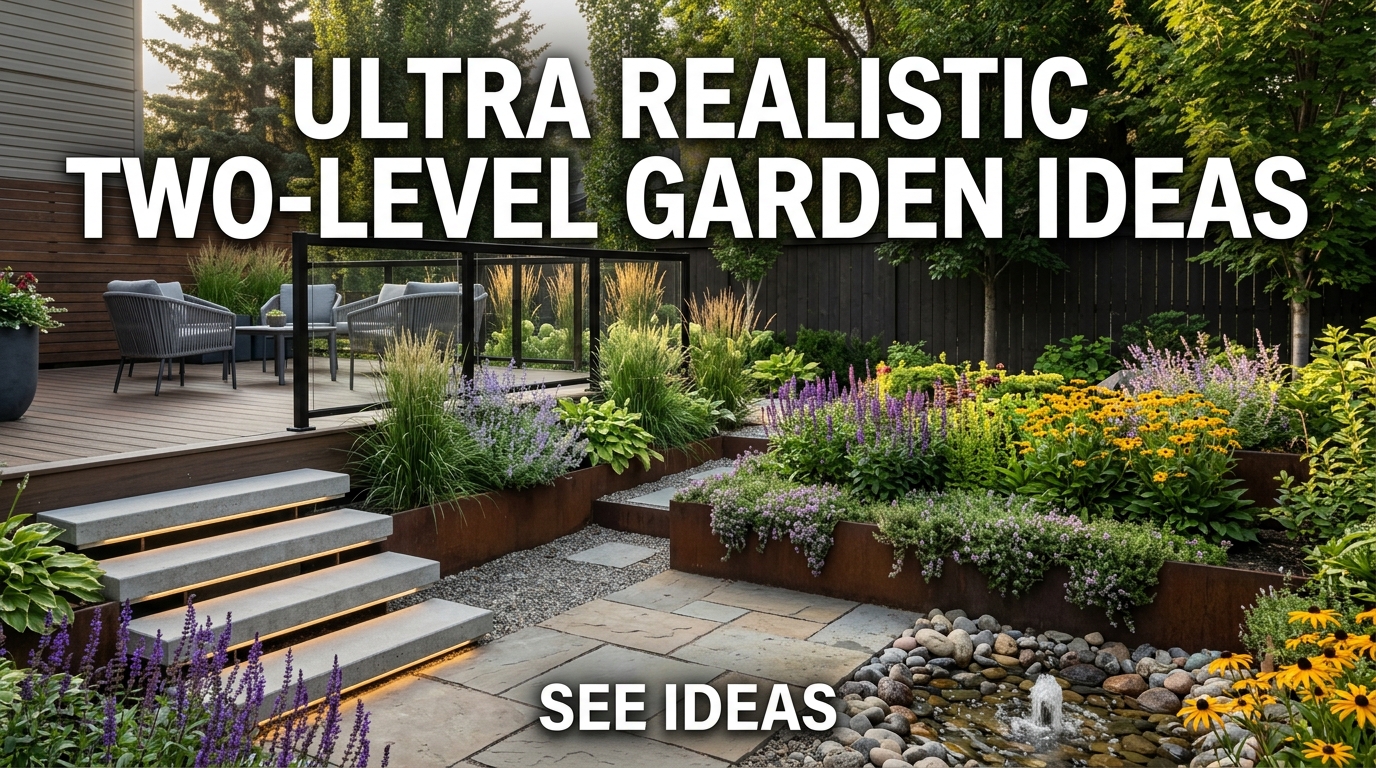
Two level garden ideas can transform a sloped or divided outdoor space into a beautiful landscape with distinct planting zones, seating areas, pathways, and entertaining spaces. By working with changes in elevation instead of fighting them, you can create a garden that feels larger, more dynamic, and visually interesting.
1. Two Level Garden With Retaining Walls
Use retaining walls to clearly define the upper and lower garden areas.
Stone, brick, concrete, or other suitable materials can create strong boundaries while helping manage changes in elevation.
2. Split-Level Garden
Create two distinct zones with different purposes.
The upper level could contain seating or dining, while the lower level can feature lawns, flower beds, or a vegetable garden.
3. Two Level Backyard Garden
Divide the backyard into an upper entertaining area and a lower planting or recreation zone.
Connect both spaces with stairs or a gently sloping pathway.
4. Two Level Garden With Steps
Use wide outdoor steps to connect the two levels.
Add low planting along the edges to soften the transition.
5. Two Level Garden With Stone Steps
Natural stone steps can blend beautifully with planting and retaining walls.
Choose stable, slip-resistant materials appropriate for outdoor use.
6. Two Level Garden With Deck
Build a raised deck on the upper level overlooking the lower garden.
Add comfortable outdoor furniture and planters to create a relaxing viewing area.
7. Two Level Garden With Patio
Place a patio on one level and a lawn or planted garden on the other.
This arrangement can create separate zones for entertaining and relaxation.
8. Two Level Garden With Lawn
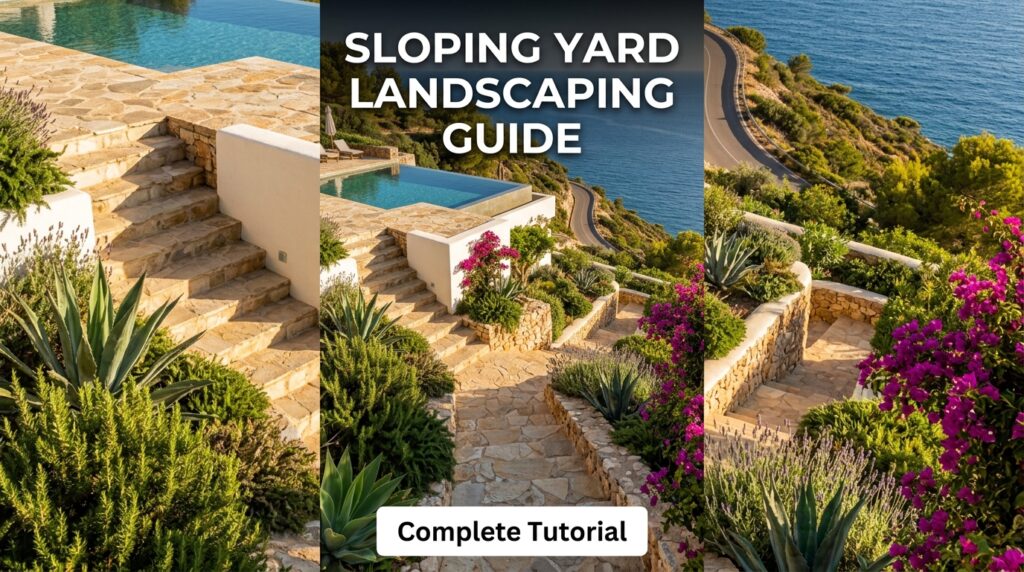
Keep one level open as a lawn while using the second level for flowers, shrubs, or seating.
The contrast between open grass and layered planting adds visual balance.
9. Two Level Flower Garden
Create flower beds on both levels using plants of different heights and textures.
Repeat a few key plants across both areas to connect the design.
10. Two Level Vegetable Garden
Use separate raised beds on each level for vegetables and herbs.
Provide convenient access to both levels for watering, harvesting, and maintenance.
11. Two Level Garden With Gravel
Use gravel on one level as a low-maintenance seating or pathway area.
Combine it with stone edging and drought-tolerant plants where appropriate.
12. Two Level Garden With Pathway
Create a winding path that gradually moves between elevations.
Curved pathways can make the transition feel more natural.
13. Two Level Garden With Staircase
A central staircase can become a strong visual feature.
Frame it with flowers, shrubs, or ornamental grasses without blocking the steps.
14. Two Level Garden With Railings
Install suitable railings where there is a significant change in height or a fall risk.
Choose materials that complement the overall garden style.
15. Modern Two Level Garden

Use clean retaining walls, geometric planting beds, concrete paving, and minimalist furniture.
Keep the plant palette restrained for a contemporary appearance.
16. Rustic Two Level Garden
Use natural stone walls, timber details, gravel paths, and informal planting.
Let the landscape feel relaxed rather than overly structured.
17. Cottage Two Level Garden
Fill the different levels with roses, flowering perennials, herbs, shrubs, and informal pathways.
Use soft planting to blend the retaining structures into the garden.
18. Two Level Garden With Seating
Create a dedicated seating area on the upper level or lower terrace.
Add benches, outdoor chairs, or a small dining set depending on the available space.
19. Two Level Garden With Fire Pit
Place a fire pit in a dedicated outdoor area with appropriate clearance from plants, structures, and furniture.
Use stable paving or another suitable noncombustible surface around it.
20. Two Level Garden With Water Feature
A fountain, pond, or cascading water feature can visually connect the two elevations.
Ensure water drainage and structural support are properly planned.
21. Two Level Garden With Waterfall
Use the natural elevation difference to create a small waterfall.
Combine rocks, suitable aquatic plants, and carefully planned water circulation.
22. Two Level Garden With Pond
Place a pond on the lower level and use the upper terrace as a viewing or seating area.
Provide safe access around the water.
23. Two Level Garden With Pergola
Install a pergola on one level to create a shaded destination.
Surround it with climbing plants and comfortable seating.
24. Two Level Garden With Garden Room
Use one level for a garden office, studio, shed, or entertaining room.
Connect it to the other level with stairs or a landscaped pathway.
25. Two Level Garden With Privacy Screen
Add fencing, trellises, hedges, or suitable screening between different areas.
This can create more intimate spaces without completely separating the levels.
26. Two Level Garden With Trees
Use appropriately sized trees to provide structure and vertical interest.
Consider mature height, root space, and the relationship to retaining walls before planting.
27. Two Level Garden With Hedges
Use low hedges to define planting beds and taller screening plants where privacy is needed.
Keep pathways and steps clear.
28. Two Level Garden With Raised Beds
Raised beds can add another layer of height and organization.
Use them carefully on sloping sites and ensure their construction is structurally sound.
29. Two Level Garden With Rock Garden
Use stones, gravel, and suitable drought-tolerant plants to create a rock garden on one terrace.
This works especially well in sunny, well-drained areas.
30. Two Level Zen Garden
Use simple planting, gravel, stones, timber, and water elements.
Keep the layout uncluttered and emphasize calm transitions between the levels.
31. Two Level Japanese-Inspired Garden
Use carefully placed stones, timber, water, shrubs, and pathways.
Create a strong visual connection between the upper and lower areas.
32. Two Level Mediterranean Garden
Use gravel, stone, terracotta, and drought-tolerant plants where appropriate.
Keep planting open and choose species suited to the local climate.
33. Two Level Garden With Brick Walls
Brick retaining walls can create a traditional architectural appearance.
Pair them with brick pathways and informal planting for a cohesive design.
34. Two Level Garden With Timber Retaining Wall
Timber can provide a warm, natural appearance.
Use materials suitable for ground contact and outdoor conditions, and ensure the structure is properly designed for the soil loads.
35. Two Level Garden With Gabion Walls
Gabion structures filled with stone can create a modern landscaping feature.
They can combine retaining functions with strong visual texture when properly engineered.
36. Small Two Level Garden
Keep the design simple with one main staircase, compact planting beds, and a small seating area.
Use consistent materials to prevent the limited space from feeling busy.
37. Narrow Two Level Garden
Use vertical planting, slim pathways, built-in seating, and narrow retaining structures.
Keep the central route open for comfortable movement.
38. Two Level Garden With Dining Area
Place an outdoor dining table on the more accessible level.
Use the other level for planting, lawn, or a secondary seating area.
39. Two Level Garden With Outdoor Kitchen
An upper terrace can accommodate an outdoor kitchen and dining area where suitable.
Consider drainage, utilities, fire safety, and weather protection during planning.
40. Luxury Two Level Garden
Combine high-quality paving, architectural retaining walls, layered planting, outdoor furniture, lighting, water features, and carefully designed stairs.
Use repetition in materials and plants to create a sophisticated landscape.
How to Design a Two Level Garden
Step 1: Assess the Elevation
Determine the height difference, slope, drainage patterns, and available space.
Step 2: Define Each Level
Decide what each terrace will be used for, such as dining, seating, planting, lawn, or recreation.
Step 3: Plan the Retaining Structure
Significant retaining walls should be designed appropriately for soil loads, drainage, and local requirements.
Step 4: Create Safe Access
Use properly designed stairs, ramps, or pathways to connect the levels.
Step 5: Plan Drainage
Prevent water from collecting behind retaining walls or flowing toward buildings.
Step 6: Choose Materials
Coordinate retaining walls, paving, steps, fencing, and garden furniture.
Step 7: Add Planting
Use plants suited to each level’s sunlight, soil, moisture, and exposure.
Step 8: Add Lighting
Use suitable outdoor lighting along stairs, pathways, walls, and seating areas.
Step 9: Add a Focal Point
A tree, fountain, sculpture, pergola, or seating area can anchor the design.
Step 10: Soften Hard Landscaping
Use shrubs, grasses, flowers, and ground covers to blend walls and steps into the landscape.
Best Plants for Two Level Gardens
Choose plants according to your local climate and the conditions of each terrace.
Ground Covers
Useful for softening retaining walls and filling planting gaps.
Ornamental Grasses
Can provide movement and texture along terraces.
Flowering Plants
Use seasonal flowers to add color to each level.
Shrubs
Evergreen or flowering shrubs can provide structure and privacy.
Climbing Plants
Suitable climbers can soften walls, fences, and pergolas.
Common Two Level Garden Mistakes
Poor Drainage
Water pressure behind retaining walls can cause serious structural problems.
Incorrectly Built Retaining Walls
Large retaining structures may require professional design, drainage, foundations, and local approvals.
Steep or Unsafe Steps
Outdoor stairs should have appropriate dimensions, stable surfaces, and suitable handrails where needed.
Blocking the Lower Level
Avoid placing large structures where they make the lower terrace feel dark or inaccessible.
Ignoring Plant Growth
Allow enough room for mature trees, shrubs, and climbers.
Using Too Many Materials
A limited material palette usually creates a more cohesive landscape.
Frequently Asked Questions
How do you divide a two level garden?
Use retaining walls, steps, planting beds, pathways, hedges, or changes in paving to visually separate the two levels.
What can I do with a two level backyard?
You can create an upper patio or dining area and use the lower level for lawn, planting, a pond, play space, or vegetable garden.
How do I connect two garden levels?
Stairs, ramps, terraces, stepping stones, or gently winding pathways can connect different elevations.
Are retaining walls necessary for a two level garden?
Not always. The need depends on the slope, soil, height difference, drainage, and desired layout. Significant retaining structures should be properly designed.
How can I make a two level garden look larger?
Use consistent materials, curved pathways, layered planting, open sightlines, and carefully positioned focal points.
Conclusion
Two level garden ideas provide an excellent way to turn changes in elevation into attractive and functional landscape features. Instead of treating different heights as a problem, use terraces, retaining walls, steps, planting beds, patios, and pathways to create distinct outdoor rooms.
Begin with proper drainage and structural planning, then build the design around how you want to use each level. With the right combination of hard landscaping and planting, a two level garden can become a practical, stylish, and visually impressive outdoor space.