
 By John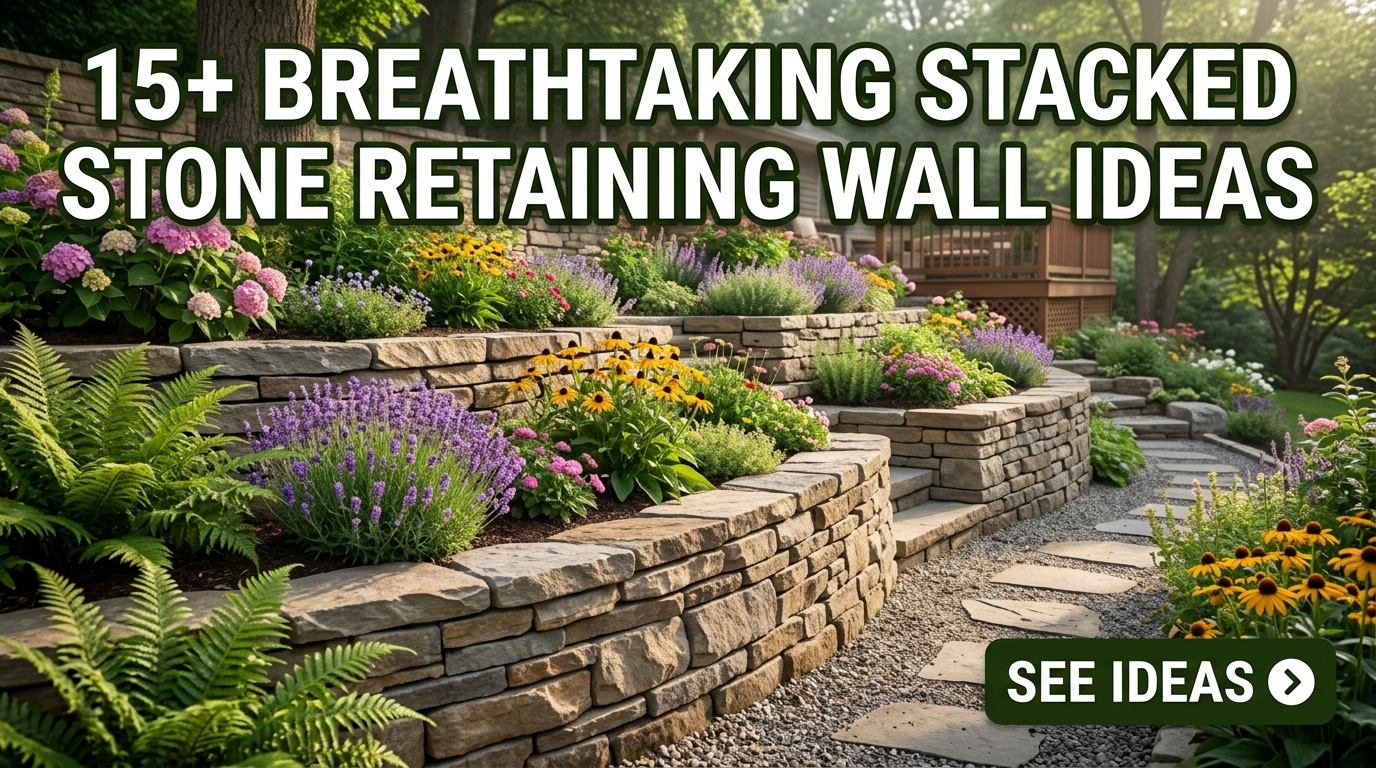
Garden retaining wall ideas can transform uneven landscapes into attractive, functional outdoor spaces. A retaining wall can hold back soil, create planting levels, define garden beds, improve the usability of a sloping yard, and add architectural interest to your landscape.
From natural stone and brick walls to modern concrete, timber, and gabion designs, there are many ways to incorporate a retaining wall into a small backyard, large garden, patio, or sloped landscape.
What Is a Garden Retaining Wall?
A garden retaining wall is a structure designed to resist the pressure of soil and retain a change in ground level.
Common materials include:
- Natural stone
- Concrete blocks
- Poured concrete
- Brick
- Timber
- Gabions
- Interlocking retaining blocks
- Railroad-tie-style landscaping timber where legally and environmentally appropriate
The appropriate wall type depends on height, soil conditions, drainage, local regulations, and structural requirements.
Benefits of Garden Retaining Walls
Creates Usable Levels
Retaining walls can turn a slope into multiple usable garden areas.
Controls Soil Movement
A properly designed wall can help stabilize changes in elevation.
Defines Garden Beds
Low retaining walls can create clearly defined planting areas.
Improves Garden Design
Walls add structure, texture, and architectural character.
Creates Seating
Some low walls can double as informal seating when properly designed.
Supports Terraced Gardens
Multiple walls can create attractive planting terraces on sloping properties.
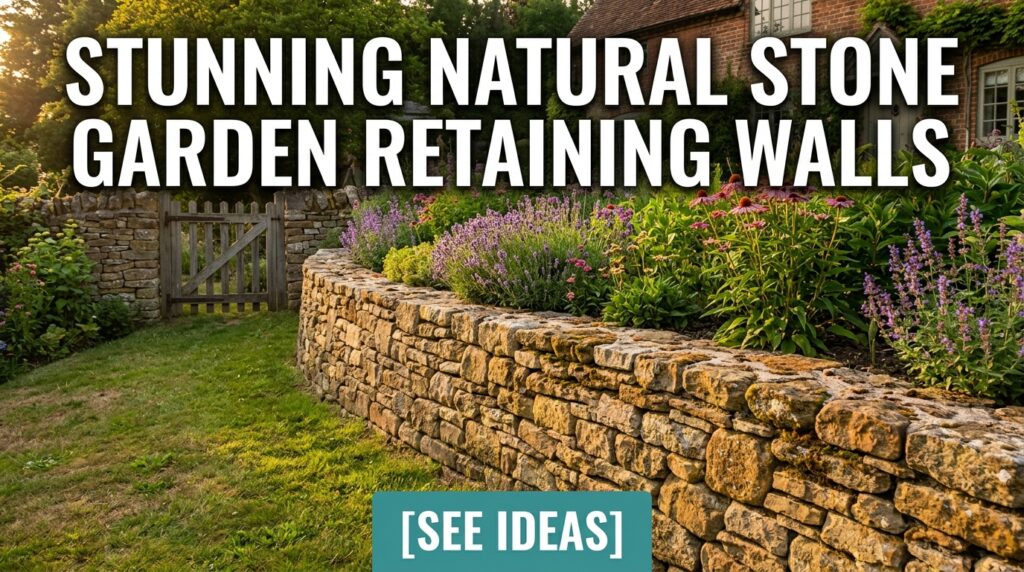
1. Natural Stone Retaining Wall
Natural stone creates a timeless landscape appearance.
Use stones with suitable structural properties and construct the wall according to its required engineering and drainage needs.
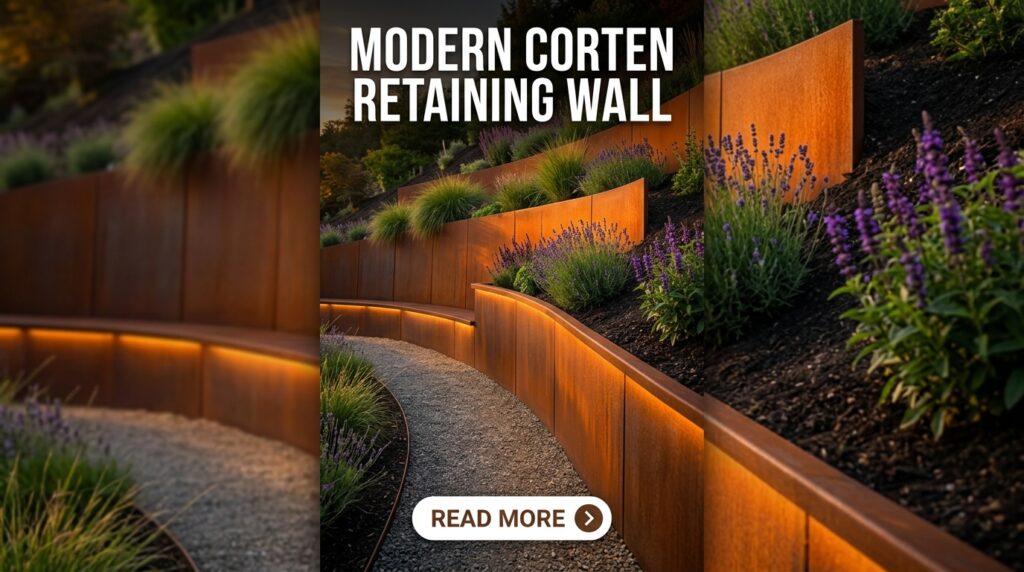
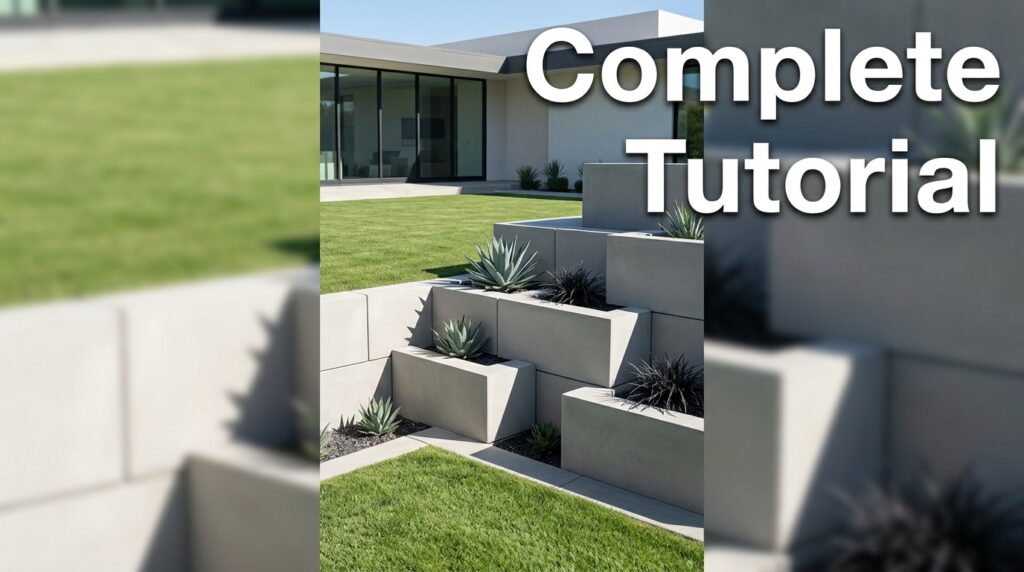
2. Modern Retaining Wall
Use clean lines, concrete, large-format blocks, or contemporary finishes.
Pair the wall with ornamental grasses, architectural plants, and simple paving.
3. Brick Retaining Wall
Brick works well with traditional homes, cottage gardens, and formal landscapes.
Match the brickwork to existing garden walls or architectural details.
4. Timber Retaining Wall
Timber can create a warm, rustic appearance.
Use appropriately treated, durable outdoor timber and ensure the construction is suitable for soil contact and local conditions.
5. Concrete Retaining Wall
Concrete provides a strong, versatile foundation for modern landscapes.
It can be poured, rendered, textured, or combined with other finishes.
6. Gabion Retaining Wall
Gabion walls use stone-filled metal cages to create a distinctive architectural feature.
They work particularly well in contemporary, rustic, and natural landscapes.
7. Low Garden Retaining Wall
A low wall can define flower beds, lawns, pathways, and patios.
It can provide structure without visually dominating the garden.
8. Tall Retaining Wall
Tall walls require careful structural planning.
The taller the wall, the more important soil pressure, drainage, foundations, reinforcement, and local building requirements become.
9. Tiered Retaining Walls
Instead of one large wall, a slope can sometimes be divided into several smaller terraces.
This creates opportunities for different planting zones and pathways.
10. Terraced Garden
Create multiple planting levels with retaining walls.
Use each terrace for flowers, vegetables, herbs, shrubs, or seating.
11. Retaining Wall for Sloped Garden
Retaining walls are especially useful for managing sloping landscapes.
Combine terraces with steps and pathways to make the garden easier to access.
12. Small Backyard Retaining Wall
Use a compact wall to create a raised flower bed or define a small change in elevation.
Keep the scale proportional to the garden.
13. Retaining Wall Around Patio
A retaining wall can help integrate a patio into an uneven landscape.
Use matching or complementary paving and wall materials.
14. Retaining Wall Around Garden Bed
Create raised planting areas using a low wall.
This can make borders easier to define and maintain.
15. Retaining Wall With Flower Beds
Plant flowers along the top or in terraces created by the wall.
Choose plants based on sunlight, soil, climate, and mature size.
16. Retaining Wall With Grasses
Ornamental grasses can soften hard masonry.
Their movement and texture can create contrast against stone or concrete.
17. Retaining Wall With Groundcovers
Trailing and low-growing plants can soften the edges of retaining walls.
Choose species appropriate for the local climate and wall conditions.
18. Retaining Wall With Shrubs
Use compact shrubs to add structure above or beside the wall.
Avoid plants with aggressive roots where they could interfere with the wall.
19. Retaining Wall With Trees
Trees can provide shade and visual interest.
However, planting large trees too close to a retaining wall can create root, moisture, and structural concerns, so plan carefully.
20. Retaining Wall With Steps
Integrate steps between terraces to improve access.
Steps should have stable construction, appropriate dimensions, drainage, and slip-resistant surfaces.
21. Retaining Wall With Pathway
Create a pathway alongside or between retaining walls.
Use lighting and clear edges to improve visibility and safety.
22. Retaining Wall With Water Feature
A retaining wall can provide a backdrop for a fountain, cascade, or water wall.
Waterproofing and drainage should be carefully planned.
23. Retaining Wall With Waterfall
Use changes in elevation to create a waterfall effect.
Ensure water is properly contained and does not saturate the soil behind the retaining structure.
24. Retaining Wall With Seating
A suitably designed low wall can provide casual garden seating.
Consider comfortable dimensions, surface temperature, and safe edges.
25. Retaining Wall With Lighting
Install suitable outdoor lighting to highlight textures and improve nighttime visibility.
Electrical work should follow appropriate outdoor safety standards.
26. Retaining Wall With Fence
A retaining wall can form part of a boundary system.
Ensure the combined wall and fence loads are considered during structural planning.
27. Retaining Wall With Privacy Screen
Add a suitable screen or planting above the wall to increase privacy.
Account for wind loads and structural stability.
28. Retaining Wall With Gravel
Gravel can create a clean transition between the wall and pathway.
Use appropriate drainage layers behind the wall rather than relying solely on surface gravel.
29. Retaining Wall With Stone Steps
Natural stone steps can complement a stone retaining wall.
Use consistent materials and ensure the steps are structurally stable.
30. Retaining Wall With Raised Vegetable Garden
Terraced retaining walls can create productive vegetable-growing areas on sloped properties.
Make sure the wall construction and soil depth are suitable for the planting beds.
31. Retaining Wall for Vegetable Garden
Use low retaining walls to separate vegetable beds and pathways.
This can create an organized and visually appealing kitchen garden.
32. Retaining Wall for Cottage Garden
Combine natural stone or brick with informal flowering plants.
Allow the planting to soften the hardscape while maintaining access for maintenance.
33. Retaining Wall for Modern Garden
Choose clean geometric forms and restrained materials.
Pair concrete or large-format blocks with minimalist planting.
34. Retaining Wall for Japanese Inspired Garden
Natural stone retaining walls can work beautifully with gravel, evergreen plants, timber, and carefully placed rocks.
Keep the design simple and avoid excessive decoration.
35. Retaining Wall for Mediterranean Garden
Use stone, stucco, gravel, terracotta, and drought-tolerant planting where appropriate.
Terraced walls can reinforce the character of Mediterranean landscapes.
36. Retaining Wall With Gabion Details
Combine gabion sections with concrete, timber, or stone to create a mixed-material design.
Use consistent proportions so the materials feel intentional.
37. Curved Retaining Wall
A curved wall can soften a landscape and create more natural-looking planting beds.
Make sure the curve is practical to construct and structurally appropriate.
38. Retaining Wall With Built-In Planters
Create planting pockets or integrated beds within a suitably designed wall.
Use appropriate waterproofing and drainage where needed.
39. Retaining Wall With Seating Nook
Create a small garden destination using a low wall, bench, planting, and pathway.
This works particularly well in larger terraced gardens.
40. Decorative Retaining Wall
Use attractive stone patterns, contrasting materials, planting, and lighting to make the wall a major landscape feature.
The decorative finish should complement the structural design rather than replace it.
Best Materials for Garden Retaining Walls
Natural Stone
Excellent for rustic, traditional, and natural landscapes.
Concrete Blocks
Versatile and available in many shapes and finishes.
Brick
Ideal for traditional and formal gardens.
Timber
Creates a warm, informal appearance when properly selected and installed.
Gabions
Provide a distinctive combination of stone and metal.
Poured Concrete
Suitable for strong modern architectural forms when professionally designed.
How to Build a Garden Retaining Wall
The exact construction method depends on wall height, material, soil, drainage, and local requirements.
Step 1: Assess the Slope
Determine the height difference, soil conditions, drainage patterns, and surrounding structures.
Step 2: Check Local Requirements
Some retaining walls require permits, engineering, inspections, or specific construction methods.
Step 3: Choose the Wall Material
Select a material that suits the garden style and structural requirements.
Step 4: Plan Drainage
Drainage is one of the most important parts of retaining wall design.
Water pressure behind a wall can cause serious problems if it is not properly managed.
Step 5: Prepare the Foundation
The foundation must be appropriate for the wall material, height, and soil conditions.
Step 6: Construct the Wall
Install the wall according to the manufacturer’s or engineer’s specifications.
Step 7: Add Appropriate Backfill
Use suitable drainage and backfill materials where required.
Step 8: Check Stability
Confirm that the completed structure is stable and properly integrated with the surrounding landscape.
Step 9: Add Planting
Use suitable plants to soften the wall and connect it with the garden.
Step 10: Finish the Landscape
Add paths, steps, lighting, seating, gravel, or other features to complete the design.
Retaining Wall Drainage Tips
Good drainage is essential for many retaining wall designs.
Consider:
- Drainage gravel
- Perforated drainage pipes
- Filter fabric where appropriate
- Weep holes where specified
- Proper surface-water management
- Suitable grading
The exact drainage system should be designed according to the wall type and site conditions.
Common Retaining Wall Mistakes
Building Without Drainage
Water accumulation behind the wall can increase pressure and lead to failure.
Using the Wrong Materials
Materials must be appropriate for the wall’s height, soil conditions, and exposure.
Ignoring Soil Pressure
Retaining walls are structural elements, not simply decorative garden borders.
Planting Large Trees Too Close
Roots and moisture can create long-term problems.
Building Too High Without Professional Design
Tall or heavily loaded retaining walls may require engineering.
Poor Foundation Preparation
An inadequate foundation can lead to movement, cracking, or settlement.
Ignoring Surface Water
Rainwater should be directed appropriately so it does not saturate the retained soil.
Frequently Asked Questions
What is the best material for a garden retaining wall?
Natural stone, concrete blocks, brick, timber, gabions, and poured concrete can all work when correctly designed for the site.
How high can a garden retaining wall be?
There is no single universal height limit. Local regulations and structural requirements vary, and taller walls generally require more extensive engineering.
Do retaining walls need drainage?
Many retaining walls require drainage to manage water pressure behind the structure. The specific drainage design depends on the wall and site.
Can I build a retaining wall myself?
Small landscape walls may be suitable for experienced DIY projects, but taller walls, walls retaining significant soil, or walls near buildings and property boundaries may require professional design and construction.
Can plants grow on a retaining wall?
Yes. Suitable plants can soften the wall, but plant selection should account for root behavior, moisture, mature size, and potential effects on the structure.
Conclusion
Garden retaining wall ideas can improve both the function and appearance of an outdoor space. A well-designed retaining wall can create terraces, stabilize changes in elevation, define planting beds, support pathways, and provide a strong architectural feature.
For the best results, treat a retaining wall as a structural element first and a decorative feature second. Plan drainage, foundations, soil pressure, materials, and local requirements carefully before adding plants, lighting, seating, or other finishing details.