
 By John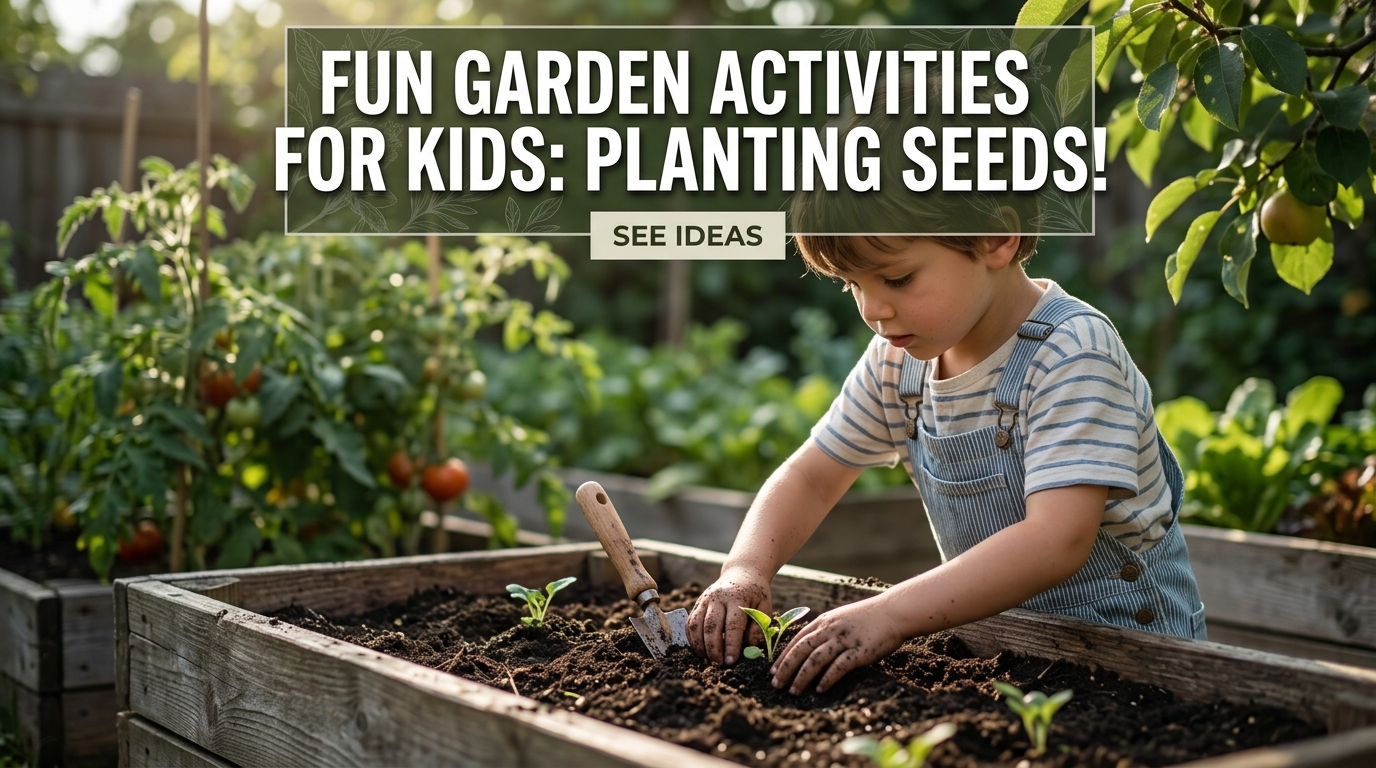
Garden activities for kids are a wonderful way to encourage outdoor play, creativity, curiosity, and an appreciation for nature. From planting seeds and creating fairy gardens to hunting for insects and making simple garden crafts, children can enjoy countless activities in a backyard, school garden, patio, or community garden.
The best activities combine fun with hands-on learning and allow children to explore plants, soil, weather, insects, and wildlife at their own pace.
Benefits of Garden Activities for Kids
Encourages Outdoor Play
Gardening gives children a reason to spend time outside and explore their surroundings.
Teaches About Nature
Kids can learn how plants grow, where food comes from, and how insects interact with gardens.
Builds Responsibility
Simple tasks such as watering and checking plants can teach children how to care for living things.
Develops Creativity
Painting pots, making signs, and designing fairy gardens encourage creative thinking.
Provides Sensory Experiences
Soil, leaves, flowers, herbs, and water offer opportunities for hands-on exploration.
Supports Learning
Gardening can introduce basic ideas about science, mathematics, observation, and environmental care.
1. Plant a Kids’ Vegetable Garden
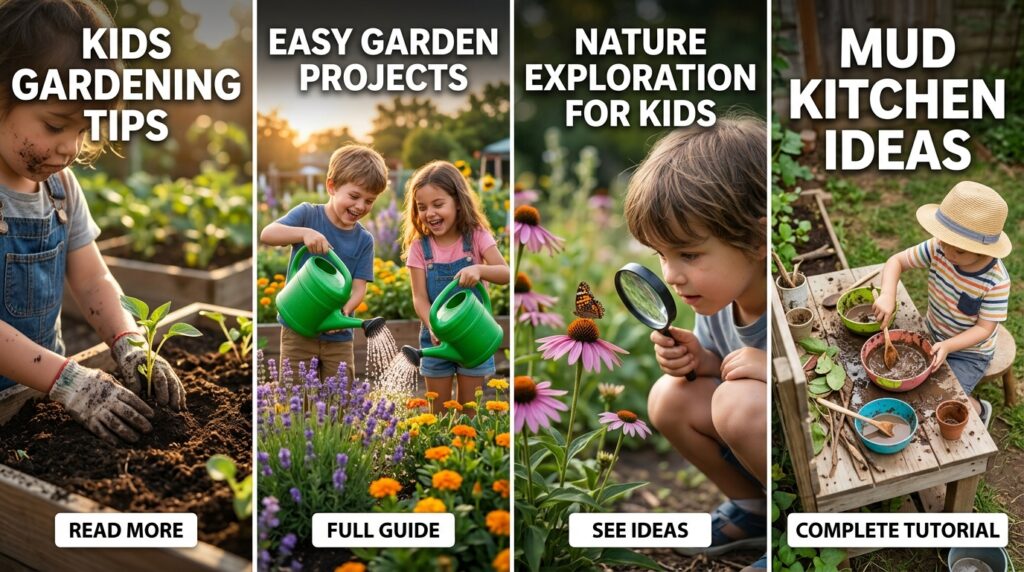
Give children a small garden bed where they can grow easy-to-manage vegetables.
Good options depend on your climate and season and may include:
- Radishes
- Lettuce
- Peas
- Beans
- Carrots
- Cherry tomatoes
Let children help choose, plant, water, and harvest the crops.
2. Grow a Sunflower
Sunflowers are visually exciting for children.
Let kids plant seeds, measure the plant as it grows, and record changes in a simple garden journal.
3. Create a Fairy Garden
Use a small garden area or container to create a miniature fairy landscape.
Children can arrange suitable plants, stones, miniature pathways, and handmade decorations.
4. Make DIY Garden Signs
Give children wooden boards, stones, or plant markers and let them decorate signs for different garden areas.
Use child-appropriate materials and supervise any tool use.
5. Paint Garden Rocks
Collect suitable smooth stones and decorate them with flowers, insects, faces, patterns, or encouraging messages.
Use outdoor-safe materials if the rocks will remain outside.
6. Make Plant Markers
Create simple plant markers from wood, stones, or other suitable materials.
Children can write or draw pictures of the plants growing in each bed.
7. Garden Treasure Hunt
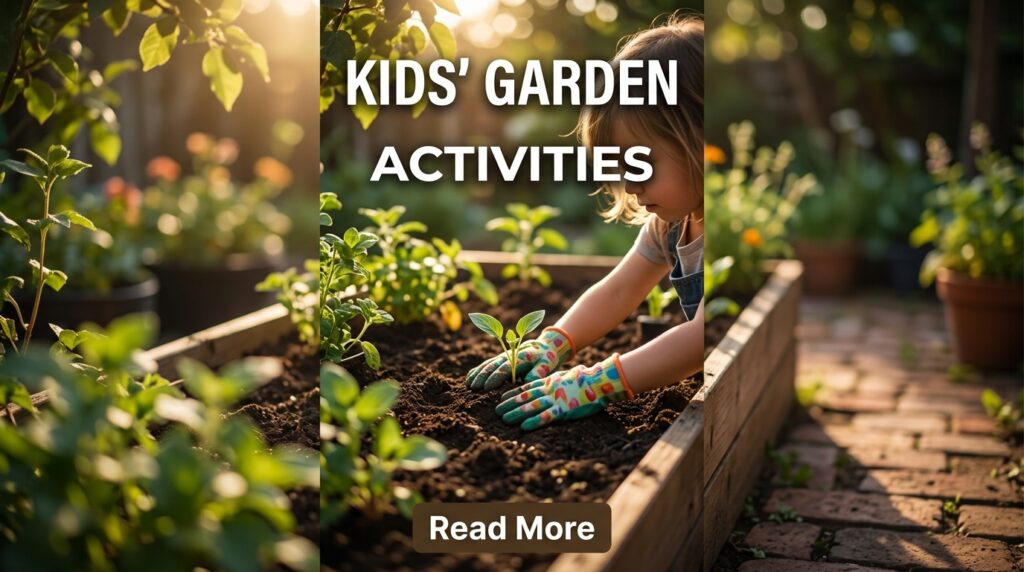
Create a list of things for children to find.
For example:
- A yellow flower
- A smooth stone
- A large leaf
- A butterfly
- A feather
- A round seed
Avoid collecting wildlife or damaging living plants.
8. Nature Scavenger Hunt
Create a checklist based on colors, textures, shapes, and natural objects.
This turns an ordinary garden walk into an exploration game.
9. Bug Hunt
Look carefully for insects such as butterflies, beetles, ants, bees, and ladybugs.
Encourage children to observe rather than touch unfamiliar insects.
10. Butterfly Watching
Plant suitable nectar-producing flowers and observe visiting butterflies.
Keep a simple record of different colors and species children notice.
11. Bird Watching
Place a comfortable observation spot near a bird-friendly part of the garden.
Children can record bird colors, behaviors, and approximate times of visits.
12. Make a Bird Bath
With adult supervision, create a simple bird-water station using a stable, shallow container.
Keep the water clean and change it regularly.
13. Build a Bug Hotel
Create a habitat using safe natural materials such as hollow stems, untreated wood, pinecones, and dry leaves.
Place it somewhere sheltered and observe which insects visit.
14. Make a Mini Pond
Create a small container water garden using an appropriate waterproof container.
Choose suitable aquatic plants and supervise children around open water.
15. Grow a Herb Garden
Let children grow easy herbs in containers or raised beds.
They can smell, touch, and compare different herbs while learning how plants are used.
16. Sensory Garden Activity
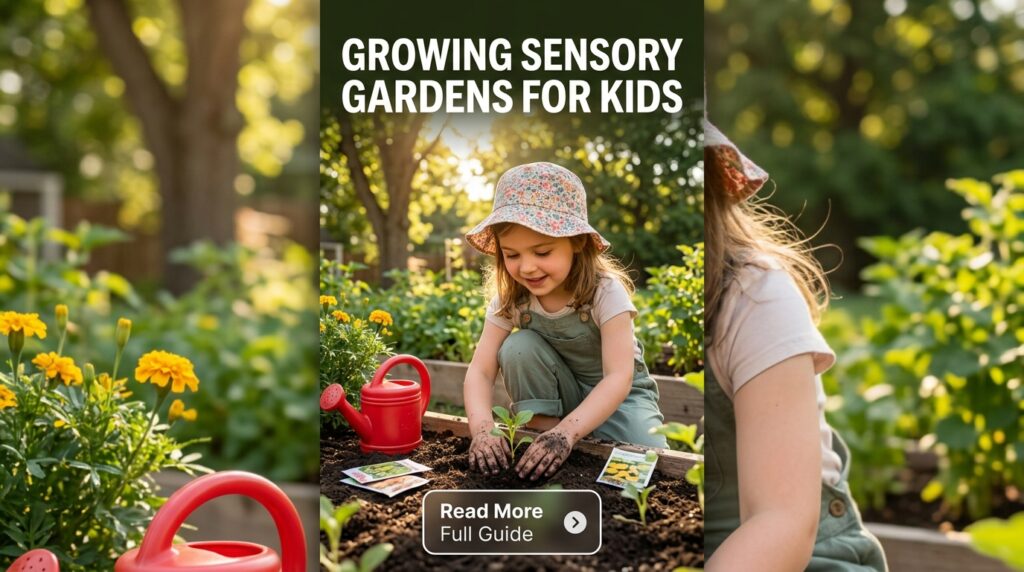
Create an area with plants offering different textures, fragrances, colors, and shapes.
Choose non-toxic, child-appropriate plants and avoid species with irritating sap, thorns, or other hazards.
17. Make Seed Bombs
Create simple seed balls using suitable soil or clay and locally appropriate seeds.
Use non-invasive plants and introduce them only where appropriate.
18. Seed Sorting Game
Give children different seeds and ask them to sort them by:
- Size
- Shape
- Color
- Texture
This provides a simple observational science activity.
19. Measure Plant Growth
Use a ruler or measuring tape to track plant height over several weeks.
Children can record measurements and create a simple growth chart.
20. Keep a Garden Journal
Encourage kids to draw flowers, record weather, write observations, and track when plants grow or bloom.
A garden journal can become a seasonal nature diary.
21. Make Leaf Rubbings
Place leaves under paper and gently rub the surface with crayons or pencils.
Choose fallen leaves whenever possible rather than removing healthy leaves from plants.
22. Create Flower Art
Use fallen petals and leaves to make temporary nature collages.
Avoid picking protected, poisonous, or valuable plants.
23. Make a Nature Collage
Collect safe fallen natural materials such as leaves, twigs, seed pods, and petals.
Arrange them into pictures or patterns.
24. Create a Garden Mandala
Arrange stones, leaves, flowers, and other fallen materials into circular patterns.
Leave the materials in place only temporarily and return natural objects afterward where appropriate.
25. Make a Mud Kitchen
Create a designated outdoor play area with old pots, spoons, containers, and safe natural materials.
Use washable equipment and establish clear hygiene rules.
26. Garden Water Play
Set up a supervised water-play station using containers, cups, watering cans, and suitable outdoor toys.
Always supervise young children around water.
27. Watering Can Race
Give children small watering cans and create a gentle challenge such as watering a row of plants without spilling too much.
Keep the activity focused on careful watering rather than speed.
28. Garden Obstacle Course
Use safe garden features such as cones, hoops, stepping pads, and markers to create a simple course.
Keep the route away from ponds, sharp tools, fragile plants, and uneven hazards.
29. Nature Bingo
Create bingo cards featuring things children might see in the garden.
Squares can include:
- Butterfly
- Bird
- Red flower
- Yellow flower
- Round leaf
- Ant
30. Garden I Spy
Choose an object or natural feature and give clues until children identify it.
This works well for younger children.
31. Color Hunt
Choose a color and ask children to find examples throughout the garden.
Try green, yellow, pink, purple, white, or orange.
32. Texture Hunt
Ask children to find safe examples of different textures.
They can compare smooth stones, rough bark, soft leaves, and prickly plants from a safe distance.
33. Garden Alphabet Game
Find natural objects representing different letters.
For example, “B” could be a butterfly or bush.
34. Garden Counting Game
Count flowers, leaves, stones, insects, or vegetables.
You can adapt the numbers to the child’s age and ability.
35. Garden Shape Hunt
Look for circles, triangles, spirals, lines, and other shapes in plants and garden structures.
This combines outdoor play with early mathematics.
36. Make a Compost Activity
Teach children how food scraps and garden materials can become compost.
Use age-appropriate tasks and explain which materials should and should not go into the compost system.
37. Harvest Vegetables
Let children pick ripe vegetables or herbs under supervision.
Teach them to identify produce that is ready to harvest and wash edible crops before eating.
38. Make a Garden Snack
Use harvested herbs, vegetables, or fruit to create a simple snack with adult supervision.
Teach children about washing produce and safe food handling.
39. Garden Photography
Give older children a camera or supervised device to photograph flowers, insects, leaves, and garden projects.
Encourage them to capture different shapes, textures, and close-up details.
40. Create a Kids’ Garden Space
Give children their own small area to design and manage.
They can choose suitable plants, create signs, decorate containers, and observe how their garden changes throughout the season.
Best Plants for a Kids’ Garden
Choose plants according to your climate and always check their safety before introducing them to a children’s garden.
Potential options include:
Vegetables
- Lettuce
- Radishes
- Peas
- Beans
- Carrots
- Cherry tomatoes
Herbs
- Basil
- Mint grown in containers
- Thyme
- Parsley
- Lemon balm where appropriate
Flowers
- Sunflowers
- Zinnias
- Marigolds
- Nasturtiums where suitable
Avoid plants known to be poisonous, highly irritating, heavily thorned, or otherwise hazardous for children.
How to Create a Kids’ Garden
Step 1: Choose a Safe Location
Select a visible area away from dangerous tools, chemicals, deep water, and unstable structures.
Step 2: Create a Small Garden Bed
Keep the area manageable so children can easily reach the plants.
Step 3: Choose Easy Plants
Select fast-growing and climate-appropriate plants that provide visible changes.
Step 4: Add Child-Friendly Tools
Use appropriately sized, safe gardening tools under supervision.
Step 5: Create Activity Zones
Include areas for planting, observation, crafts, and outdoor play.
Step 6: Add Signs
Let children create labels and decorations for their garden.
Step 7: Introduce Nature Activities
Add bird watching, insect observation, scavenger hunts, and plant journals.
Step 8: Give Children Responsibilities
Assign simple tasks such as watering, checking plants, or harvesting.
Step 9: Celebrate Progress
Take photographs, measure growth, and celebrate successful harvests.
Step 10: Keep Exploring
Change activities with the seasons so children always have something new to discover.
Garden Activities for Different Ages
Toddlers
- Watering plants
- Collecting fallen leaves
- Digging with safe tools
- Sensory exploration
- Simple color hunts
Preschoolers
- Planting seeds
- Nature bingo
- Painting rocks
- Garden counting
- Bug observation
School-Age Kids
- Garden journals
- Vegetable growing
- Composting
- Measuring plant growth
- Wildlife observation
Older Children
- Garden planning
- Photography
- Seed experiments
- Propagation projects
- Building simple garden structures with adult supervision
Garden Safety for Kids
- Supervise children according to their age and the activity.
- Teach children not to eat unknown plants, berries, seeds, or mushrooms.
- Keep gardening chemicals, fertilizers, and tools securely stored.
- Keep children away from sharp tools.
- Avoid hazardous or poisonous plants.
- Use gloves for activities involving soil when appropriate.
- Wash hands after gardening.
- Supervise children closely around ponds, pools, buckets, and other water.
- Keep pathways clear of trip hazards.
- Provide shade and drinking water during hot weather.
Common Mistakes When Planning Kids’ Garden Activities
Making Activities Too Complicated
Simple hands-on projects are often the most enjoyable.
Expecting Perfect Results
Gardening involves unpredictable weather, insects, and plant growth. Let children learn from failures.
Giving Too Many Tasks
Choose one or two manageable responsibilities at a time.
Ignoring Safety
Review the garden for hazards before beginning activities.
Choosing Plants Without Research
Check plant safety and suitability for your climate before introducing them.
Frequently Asked Questions
What are the best garden activities for kids?
Planting seeds, growing vegetables, nature scavenger hunts, bug observation, painting rocks, making garden signs, and keeping garden journals are excellent activities.
How can I make gardening fun for children?
Give children choices, provide their own small growing space, use colorful plants, introduce games, and celebrate visible progress such as new leaves, flowers, and harvests.
What can toddlers do in the garden?
Toddlers can help with supervised watering, collecting fallen leaves, digging in soil, observing flowers, and exploring safe textures.
What is a good first plant for children?
Fast-growing, easy-to-observe plants such as radishes, lettuce, beans, sunflowers, and zinnias can provide rewarding experiences when suitable for the local climate.
How do I make a garden educational?
Use gardening to teach children about plant life cycles, weather, insects, soil, measurements, food production, and environmental care.
Conclusion
Garden activities for kids can turn an ordinary outdoor space into an exciting classroom filled with plants, insects, creativity, and discovery. From planting vegetables and measuring sunflower growth to making nature crafts and observing wildlife, children can learn valuable lessons while having fun.
Start with simple, age-appropriate activities and create a safe space where children can explore independently with suitable supervision. Most importantly, allow them to get their hands dirty, make mistakes, ask questions, and discover the garden at their own pace.