
 By John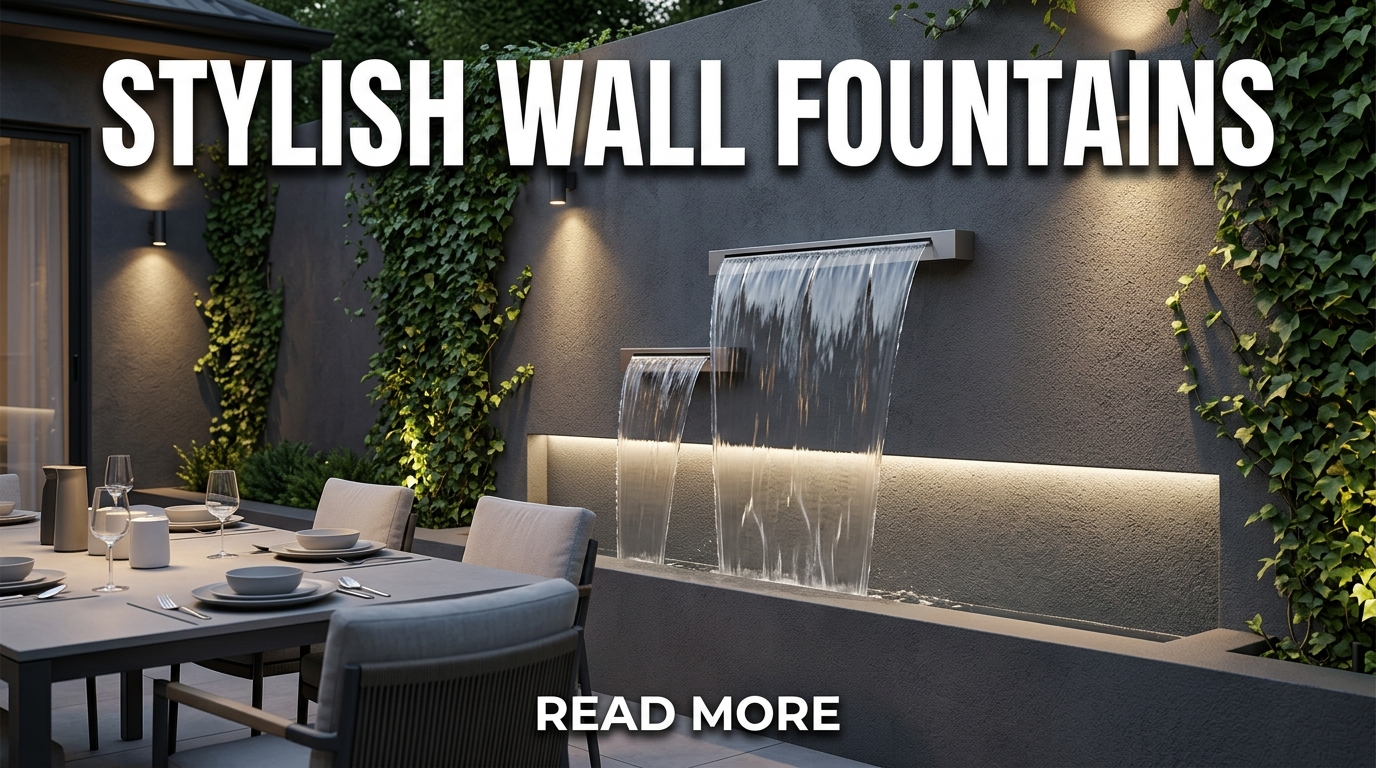
Garden water features can transform an ordinary outdoor space into a peaceful and visually appealing retreat. From small fountains and container ponds to dramatic waterfalls and modern pools, water adds movement, sound, reflection, and natural beauty to almost any landscape.
Whether you have a tiny courtyard, modern backyard, cottage garden, or large landscape, the right water feature can become an attractive focal point while complementing your existing garden design.
What Are Garden Water Features?
Garden water features are decorative or functional landscape elements that introduce water into an outdoor space.
Popular options include:
- Garden fountains
- Ponds
- Waterfalls
- Streams
- Bird baths
- Container ponds
- Wall fountains
- Water bowls
- Reflecting pools
- Pondless waterfalls
- Water walls
- Bubbling rocks
- Decorative basins
The best choice depends on your available space, budget, maintenance preferences, and garden style.
Benefits of Garden Water Features
Creates a Focal Point
Water naturally attracts attention and can anchor a garden layout.
Adds Relaxing Sounds
Moving water can provide a soothing background sound.
Creates Movement
Waterfalls, fountains, and streams add visual movement to static landscapes.
Enhances Planting
Aquatic and waterside plants introduce different textures and forms.
Attracts Wildlife
Suitable water features can provide drinking and bathing opportunities for birds and habitat for beneficial wildlife.
Adds Reflection
Still water can reflect trees, flowers, structures, and the sky.
1. Small Garden Water Feature
A compact fountain, bowl, or container pond can fit into a small backyard or courtyard.
Choose a simple design that does not overwhelm the available space.
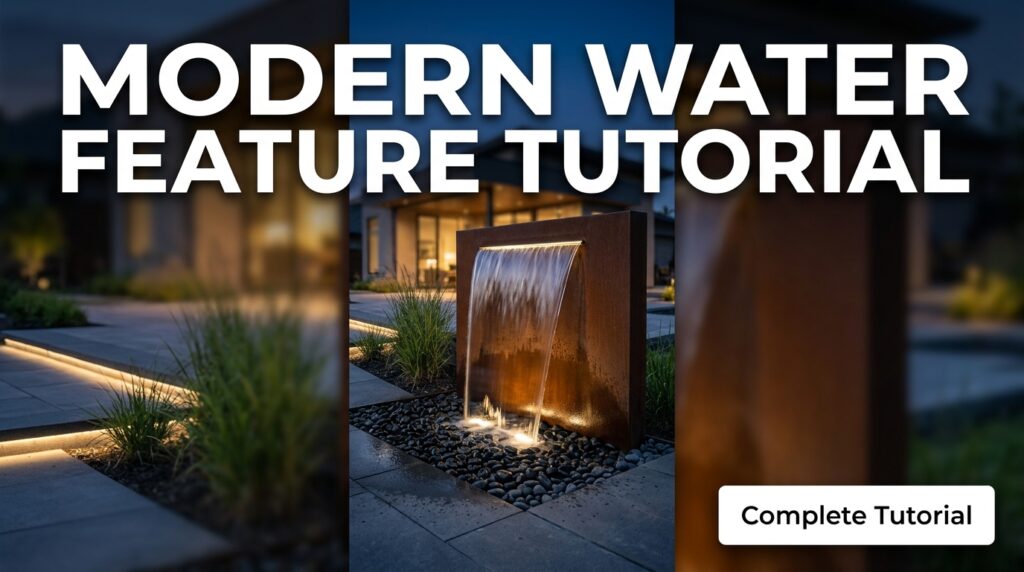
2. Modern Garden Water Feature
Use geometric shapes, concrete, stone, metal, or dark finishes for a contemporary appearance.
Keep surrounding planting simple and architectural.
3. Natural Garden Water Feature
Use rocks, gravel, plants, and irregular shapes to create a feature that blends naturally into the landscape.
4. Garden Fountain
A fountain is one of the easiest ways to introduce moving water.
Choose a size and pump capacity appropriate for the feature.
5. Wall Water Fountain
A wall-mounted or built-in fountain works particularly well in courtyards and narrow gardens.
Use a suitable waterproof backing and ensure proper drainage.
6. Garden Waterfall
A waterfall can create sound and movement while becoming a dramatic focal point.
Natural stone can help integrate the feature with surrounding planting.
7. Pond Water Feature
A pond can support aquatic plants, reflections, and potentially wildlife.
Plan its location, depth, filtration, and maintenance requirements carefully.
8. Small Pond
A small pond can be built using a flexible liner, rigid pond shell, or suitable container.
Keep the design simple and select plants appropriate for the pond size.
9. Container Pond
Use a waterproof pot, tub, trough, or purpose-built container.
Add a few aquatic plants and monitor water quality regularly.
10. Pondless Waterfall
A pondless waterfall recirculates water into a hidden reservoir.
It can provide the sound and appearance of moving water without a traditional open pond.
11. Bubbling Rock
A drilled natural stone or purpose-built bubbling feature can create a gentle water effect.
This works well in small landscapes and modern gardens.
12. Water Bowl
A simple bowl filled with water can create a minimalist focal point.
Use a stable, weather-resistant container and keep it clean.
13. Reflecting Pool
A still, shallow pool can create beautiful reflections.
Geometric shapes work particularly well in formal and modern landscapes.
14. Water Rill
A narrow channel of moving water can create a strong architectural feature.
Use clean lines and durable materials for a contemporary appearance.
15. Water Wall
A vertical sheet of flowing water can create a dramatic modern feature.
Waterproof construction and appropriate circulation equipment are essential.
16. Garden Stream
A meandering stream can connect different parts of a large landscape.
Use rocks, gravel, plants, and gentle curves to create a natural appearance.
17. Japanese Garden Water Feature
Combine water with stone, timber, gravel, bamboo, and restrained planting.
A small basin or pond can create a peaceful focal point.
18. Zen Water Feature
Use simple forms and minimal decoration.
A stone basin, bamboo water element, or quiet pool can reinforce a tranquil atmosphere.
19. Cottage Garden Water Feature
Use natural stone, rustic containers, flowers, and informal planting around the water.
Avoid overly geometric designs if you want a relaxed cottage appearance.
20. Country Garden Water Feature
A stone trough, old-style basin, pond, or simple fountain can complement a traditional country landscape.
21. Mediterranean Water Feature
Use stone, terracotta, gravel, and drought-tolerant surrounding plants where appropriate.
A simple wall fountain can create a classic Mediterranean feel.
22. Tropical Garden Water Feature
In suitable climates, surround water with palms, ferns, large-leaved plants, and tropical flowering species.
Make sure plants are appropriate for local conditions.
23. Water Feature With Bridge
A small bridge can create a strong focal point over a pond or stream.
Make sure the structure has stable footing and appropriate slip resistance.
24. Water Feature With Stepping Stones
Stepping stones can guide visitors beside or across suitable shallow water features.
Use stable stones and ensure safe spacing.
25. Water Feature With Rocks
Combine large boulders, smaller stones, and gravel around moving water.
Arrange materials naturally rather than creating an overly uniform pattern.
26. Water Feature With Aquatic Plants
Aquatic plants can add color, texture, and habitat.
Choose floating, marginal, or submerged plants according to the design and local climate.
27. Water Feature With Water Lilies
Water lilies can create attractive floating foliage and flowers.
Select varieties that match the pond’s depth and available sunlight.
28. Water Feature With Lotus
Lotus can create dramatic flowers and foliage in suitable warm climates.
Provide adequate growing space and appropriate water conditions.
29. Water Feature With Grasses
Ornamental grasses can soften pond and stream edges.
Choose moisture-tolerant species appropriate for your region.
30. Water Feature With Ferns
Ferns can create a lush woodland appearance around shaded water features.
Select species suited to local moisture and temperature conditions.
31. Water Feature With Bird Bath
A bird bath can provide a simple water element while supporting visiting birds.
Keep it clean, refresh the water regularly, and position it where birds have suitable visibility and nearby cover.
32. Water Feature With Lighting
Subtle lighting can highlight moving water, rocks, fountains, and surrounding plants after dark.
Use outdoor-rated equipment and safe electrical installation.
33. Water Feature Near Patio
A fountain or small pond near the patio can provide sound and visual interest while you relax outdoors.
Keep access clear for maintenance.
34. Water Feature Near Pool
A waterfall, wall feature, or fountain can complement a swimming pool.
Coordinate the materials and finishes with the pool and surrounding architecture.
35. Water Feature Near Garden Seating
Place a bench or chair where the water can be seen and heard.
This can turn an unused corner into a peaceful destination.
36. Water Feature Along a Fence
A narrow wall fountain, rill, or vertical water feature can make good use of boundary space.
Use planting or screens to soften the background.
37. Water Feature in a Courtyard
Compact fountains, water bowls, and wall features work especially well in enclosed courtyards.
Use reflective surfaces to make the space feel larger.
38. Water Feature in a Large Garden
A large landscape can accommodate streams, ponds, waterfalls, and multiple connected water elements.
Create a clear relationship between each feature and the surrounding garden rooms.
39. DIY Garden Water Feature
Simple DIY options include container ponds, water bowls, bubbling pots, and small recirculating fountains.
Use waterproof containers, suitable pumps, and safe electrical equipment.
40. Eco-Friendly Garden Water Feature
Choose efficient pumps, manage water loss, use suitable local plants, and consider rainwater management where appropriate.
Avoid introducing invasive aquatic plants or non-native species that could escape into local waterways.
Best Plants for Water Features
Plant selection depends on the water depth, sunlight, climate, and intended style.
Floating Plants
- Water lilies
- Suitable locally adapted floating plants
Marginal Plants
- Iris
- Rushes
- Sedges
- Moisture-loving grasses
Surrounding Plants
- Ferns
- Hostas where suitable
- Grasses
- Native moisture-tolerant plants
Always check local guidance before planting aquatic species.
How to Choose a Garden Water Feature
Step 1: Measure Your Space
Determine how much room is available for the feature and surrounding access.
Step 2: Decide the Purpose
Choose whether you want:
- Sound
- Decoration
- Wildlife habitat
- Aquatic plants
- Fish
- Reflection
- A focal point
Step 3: Choose the Style
Match the feature to your home and garden design.
Step 4: Consider Maintenance
Ponds and planted water features generally require more care than simple recirculating fountains.
Step 5: Plan Electricity
If using a pump or lighting, plan safe access to appropriate outdoor electrical infrastructure.
Step 6: Plan Drainage
Make sure overflow and surrounding runoff are managed appropriately.
Step 7: Select Materials
Use waterproof, weather-resistant materials appropriate for outdoor conditions.
Step 8: Add Plants
Choose species according to climate, sunlight, water depth, and available space.
Step 9: Add Surrounding Hardscape
Use stone, gravel, timber, paving, or other materials that complement the feature.
Step 10: Plan Maintenance Access
Leave enough room to clean, inspect, refill, and repair the water feature.
Garden Water Feature Color Ideas
Gray Stone and Green
Natural and calming.
Black and Green
Modern and dramatic.
White and Blue
Fresh and elegant.
Terracotta and Green
Warm and Mediterranean-inspired.
Natural Brown and Green
Rustic and organic.
Common Garden Water Feature Mistakes
Choosing the Wrong Size
A large feature can overwhelm a small garden, while a tiny feature may disappear in a large landscape.
Ignoring Maintenance
Consider cleaning, algae management, pump care, plant growth, and seasonal changes.
Poor Drainage
Overflow can damage patios, structures, or planting areas.
Unsafe Electrical Installation
Pumps and lights require suitable outdoor equipment and safe installation.
Overstocking Fish
Fish require adequate space, oxygen, filtration, and water quality.
Using Invasive Plants
Research aquatic plants before introducing them.
Placing Water in an Inconvenient Location
Make sure you can access the feature easily for maintenance.
Frequently Asked Questions
What is the easiest garden water feature?
A small recirculating fountain, water bowl, or container pond can be easier to maintain than a large pond or stream.
Do garden water features need electricity?
Not always. Some small water features can operate without electricity, while pumps, fountains, waterfalls, and lighting typically require power.
What is the best water feature for a small garden?
Wall fountains, bubbling rocks, compact fountains, water bowls, and container ponds are excellent options for limited spaces.
How do I keep a garden pond clean?
Regularly remove debris, manage plant growth, maintain appropriate circulation, and monitor water quality. Fish ponds may require additional filtration and care.
Can a water feature attract wildlife?
Yes. Ponds and suitable shallow water sources can support or attract wildlife, particularly when designed with appropriate native or locally suitable plants and safe access points.
Conclusion
Garden water features can add sound, movement, reflection, wildlife value, and visual interest to outdoor spaces of almost any size. A compact fountain may be perfect for a courtyard, while a pond, stream, or waterfall can transform a larger backyard into a peaceful landscape.
Choose a feature based on your available space, garden style, maintenance capacity, and intended purpose. With thoughtful placement, suitable materials, appropriate plants, and safe installation, a water feature can become one of the most memorable elements of your garden.