
 By John
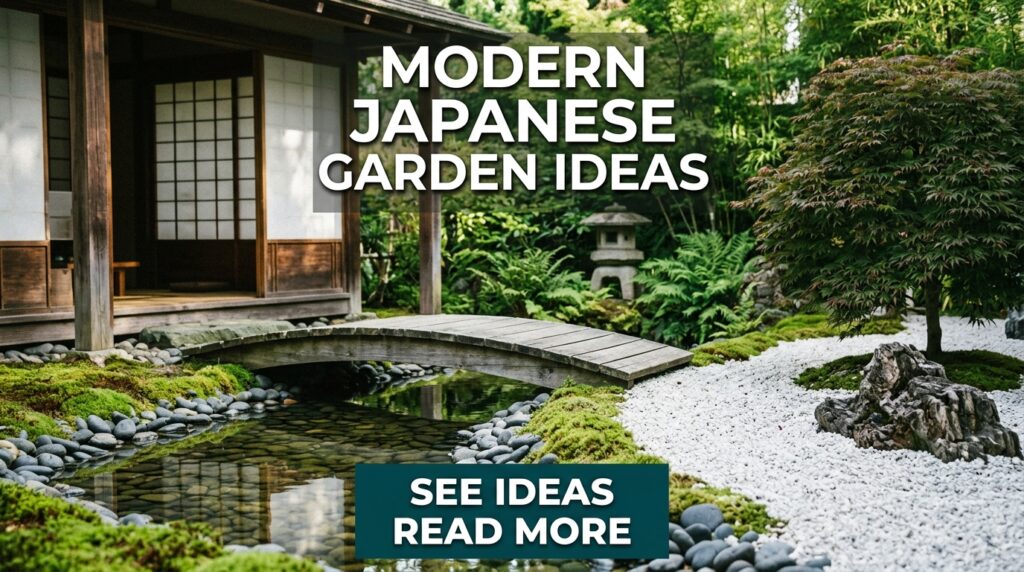
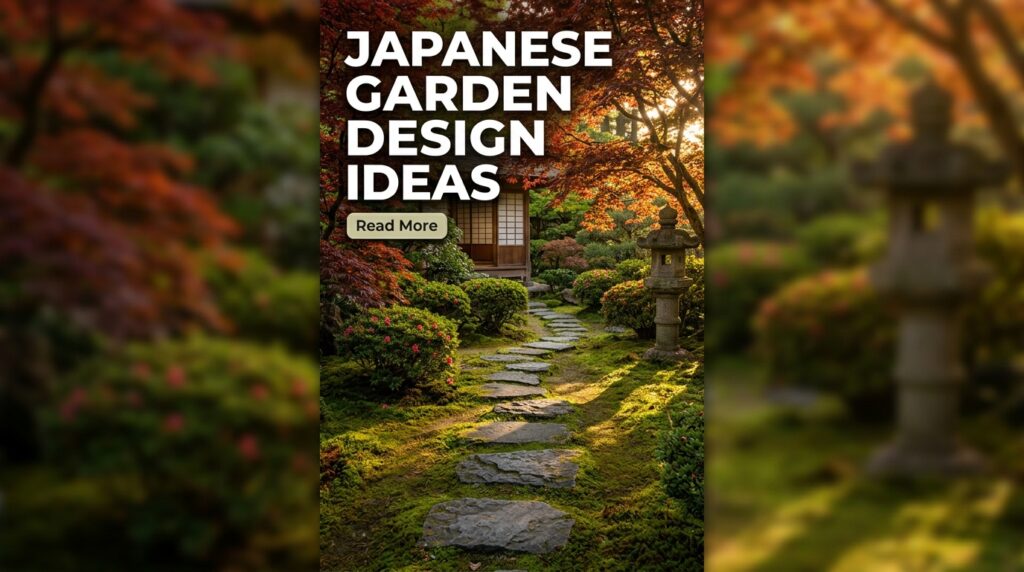
A Japanese inspired garden creates a peaceful outdoor space using simplicity, natural materials, carefully placed plants, water, stones, and architectural features. Inspired by traditional Japanese landscape principles, these gardens emphasize balance, harmony, tranquility, and a strong connection with nature.
Whether you have a spacious backyard, small courtyard, patio, or compact urban garden, Japanese inspired garden design can create a calm retreat that feels timeless and elegant.
What Is a Japanese Inspired Garden?
A Japanese inspired garden is a landscape influenced by Japanese garden aesthetics and principles. Rather than copying a traditional garden exactly, a contemporary interpretation can adapt these ideas to different homes, climates, and spaces.
Common elements include:
- Natural stones
- Gravel
- Water features
- Bridges
- Timber
- Bamboo
- Evergreen plants
- Japanese maples
- Moss where suitable
- Lanterns
- Stepping stones
- Simple pathways
- Carefully framed views
The design generally favors restraint over excessive decoration.
Benefits of a Japanese Inspired Garden
Peaceful Atmosphere
Simple compositions and natural materials can create a relaxing environment.
Timeless Appearance
Stone, wood, gravel, and evergreen planting remain visually appealing across seasons.
Works in Small Spaces
Japanese-inspired principles can be adapted beautifully to courtyards and compact gardens.
Strong Focal Points
A tree, stone, pond, lantern, or bridge can become a carefully considered centerpiece.
Natural Materials
The style emphasizes materials that connect the landscape with nature.
1. Small Japanese Inspired Garden
Use a limited number of carefully selected elements.
A small stone arrangement, compact tree, gravel area, and simple pathway can create a complete composition without overcrowding the space.
2. Japanese Inspired Backyard
Divide the backyard into peaceful zones with planting, pathways, water, and seating.
Use changes in height and framing to create visual depth.
3. Japanese Courtyard Garden
A courtyard can become a miniature landscape.
Combine gravel, stones, timber, containers, and a small focal plant to create a tranquil setting.
4. Modern Japanese Garden
Combine Japanese-inspired simplicity with contemporary architecture.
Use:
- Clean paving
- Dark timber
- Concrete
- Large stones
- Architectural plants
- Minimalist furniture
5. Zen Inspired Garden
Focus on simplicity, open space, gravel, rocks, and carefully placed plants.
Avoid filling every area with decorative objects.
6. Japanese Rock Garden
Use stones and gravel as the primary visual elements.
Arrange rocks thoughtfully and use raked gravel patterns where appropriate.
7. Japanese Garden With Water
Water can introduce reflection, movement, and sound.
Use a pond, stream, basin, or small recirculating water feature depending on the available space.
8. Japanese Garden With Pond
A pond can become the central feature of a larger garden.
Surround it with rocks, trees, grasses, and carefully positioned viewing areas.
9. Japanese Garden With Waterfall
A waterfall can add sound and movement.
Use natural-looking stone placement to create a convincing transition between levels.
10. Japanese Garden With Bridge
A simple timber or stone bridge can create an architectural focal point.
Use it to connect different garden zones or cross a small water feature.
11. Japanese Garden With Stepping Stones
Stepping stones can guide visitors through the landscape.
Place them with comfortable spacing and stable footing.
12. Japanese Garden With Stone Path
Create pathways using natural stone slabs, gravel, or stepping stones.
Avoid overly rigid layouts when a more natural route suits the design.
13. Japanese Garden With Bamboo
Bamboo can provide vertical structure, texture, and privacy.
Choose non-invasive clumping varieties where possible and select species suitable for your climate.
14. Japanese Garden With Bamboo Fence
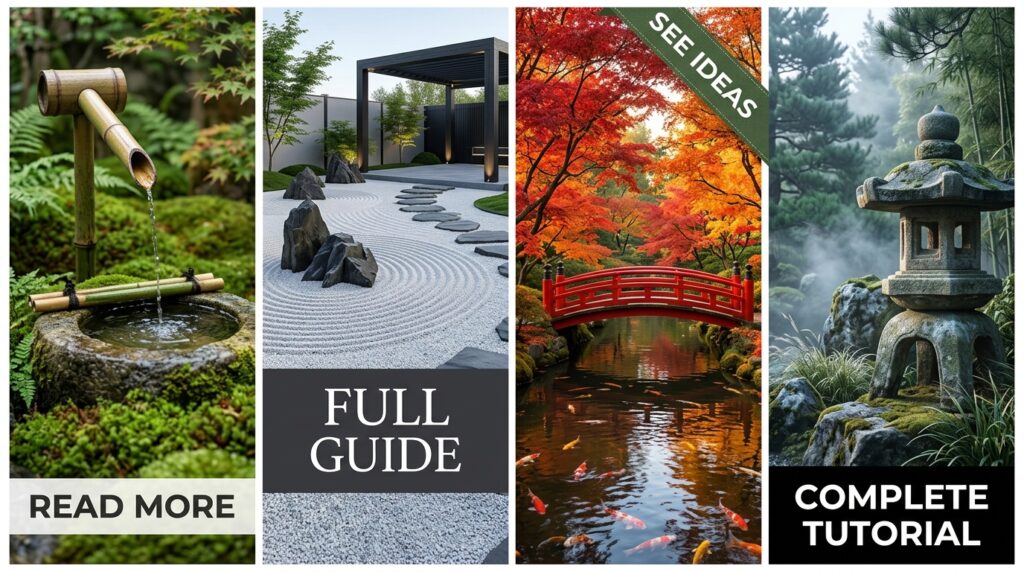
A bamboo-inspired fence can create privacy while reinforcing the natural aesthetic.
Use durable construction and maintain the material according to local weather conditions.
15. Japanese Garden With Japanese Maple
Japanese maples can provide beautiful foliage and seasonal color where climate conditions are appropriate.
Give the tree enough room for its mature form.
16. Japanese Garden With Pine Trees
Pines can provide evergreen structure and sculptural forms.
Select varieties suitable for the available space and local growing conditions.
17. Japanese Garden With Cherry Tree
A flowering cherry can create dramatic seasonal interest where suitable.
Position it where its flowering display can be enjoyed from the house or seating area.
18. Japanese Garden With Moss
Moss can create a soft woodland appearance in cool, humid, shaded environments.
In climates where moss does not thrive naturally, use other suitable groundcovers instead.
19. Japanese Garden With Grasses
Ornamental grasses can soften stone and architectural features.
Choose species suited to your climate and desired mature size.
20. Japanese Garden With Ferns
Ferns can work beautifully in shaded or partially shaded areas.
Use species appropriate for local moisture and temperature conditions.
21. Japanese Garden With Stone Lantern
A stone lantern can act as an architectural accent.
Use decorative elements selectively so the garden remains visually calm.
22. Japanese Garden With Tsukubai
A traditional-style water basin can create a contemplative focal point.
Use a suitable modern interpretation if a fully traditional installation is impractical.
23. Japanese Garden With Gravel
Gravel can represent water or open landscape in minimalist compositions.
Use different textures and tones to create subtle contrast.
24. Japanese Garden With Large Rocks
Large rocks can establish visual weight and structure.
Place them deliberately rather than scattering stones evenly throughout the garden.
25. Japanese Garden With Timber
Wood can be used for:
- Bridges
- Fences
- Gates
- Decks
- Benches
- Screens
- Pergolas
Choose outdoor-grade materials appropriate for the local climate.
26. Japanese Garden With Privacy Screen
Use timber slats, bamboo-inspired fencing, hedges, or layered plants to create privacy.
Maintain visual openings where you want the garden to feel spacious.
27. Japanese Garden With Seating
Place a simple bench or low seating area where visitors can appreciate a focal view.
Avoid excessive furniture.
28. Japanese Garden With Tea House
A small tea-house-inspired structure can become a destination within a larger garden.
Use a simple pathway and planting to create a gradual transition toward it.
29. Japanese Garden With Pergola
A minimalist timber structure can provide shade and define an outdoor room.
Keep its design simple and integrate it with the surrounding landscape.
30. Japanese Garden With Courtyard Fountain
A compact water feature can work well in a small courtyard.
Choose a simple design with natural stone or timber accents.
31. Japanese Inspired Container Garden
Use ceramic pots, bonsai-style plants, grasses, or compact evergreens.
Group containers thoughtfully instead of creating a crowded display.
32. Japanese Inspired Balcony Garden
Use lightweight containers, bamboo-style screens, compact trees, gravel-like surfaces, and carefully selected plants.
Check structural load limits before adding heavy containers or stone.
33. Japanese Garden With Dry Creek
Create a dry stream using gravel, stones, and larger rocks.
The feature can visually guide the eye through the garden without requiring permanent water.
34. Japanese Garden With Archway
A simple timber gateway can frame an entrance or transition between garden rooms.
Use planting around it to make the passage feel intentional.
35. Japanese Garden With Stone Wall
Natural stone walls can create structure and height.
Combine them with restrained greenery rather than excessive flowering plants.
36. Japanese Garden With Groundcovers
Use suitable low-growing plants to soften stones and pathways.
Select species based on light, moisture, and climate.
37. Japanese Garden With Evergreen Border
Evergreen shrubs and trees can provide year-round structure.
Use repetition to create rhythm and visual consistency.
38. Japanese Garden With Outdoor Lighting
Subtle lighting can highlight trees, paths, stones, and water features after sunset.
Avoid excessive brightness so the garden retains its calm atmosphere.
39. Japanese Garden With Fire Feature
A carefully designed fire feature can introduce warmth and contrast.
Keep it separate from combustible vegetation and follow all applicable safety requirements.
40. Japanese Inspired Garden Retreat
Combine a small seating area, water feature, stone arrangement, evergreen planting, and soft lighting to create a private outdoor retreat.
Keep the composition simple so each feature has room to breathe.
Best Plants for a Japanese Inspired Garden
Plant selection should always account for your local climate rather than relying solely on traditional Japanese species.
Trees
- Japanese maple
- Pine
- Flowering cherry
- Birch
- Suitable ornamental trees
Shrubs
- Azaleas
- Camellias
- Junipers
- Hydrangeas
- Suitable evergreen shrubs
Groundcovers
- Moss where naturally suitable
- Ferns
- Low-growing native groundcovers
Grasses
- Japanese forest grass where suitable
- Fountain grasses
- Other ornamental grasses suited to the local climate
Japanese Garden Color Palette
Green and Gray
Calm and sophisticated.
Green and Brown
Natural and earthy.
Green and Black
Modern and dramatic.
Green and White
Clean and minimalist.
Green With Seasonal Red
Japanese maple foliage can provide a striking seasonal accent.
How to Create a Japanese Inspired Garden
Step 1: Simplify the Space
Remove unnecessary clutter and identify the main areas you want to highlight.
Step 2: Choose a Focal Point
Select a tree, pond, rock arrangement, bridge, lantern, or seating area.
Step 3: Introduce Natural Materials
Use stone, timber, gravel, and other materials that complement the landscape.
Step 4: Create a Path
Guide movement through the garden using stepping stones, gravel, or natural paving.
Step 5: Add Structural Plants
Begin with trees, evergreen shrubs, bamboo, or other major plants.
Step 6: Add Supporting Plants
Use grasses, ferns, groundcovers, and seasonal plants to soften the composition.
Step 7: Add Water
If space and maintenance allow, introduce a pond, basin, stream, or simple water feature.
Step 8: Create Privacy
Use screens, hedges, bamboo, or layered planting where needed.
Step 9: Add Decorative Elements Sparingly
Introduce lanterns, benches, bridges, or basins only where they enhance the overall composition.
Step 10: Plan Long-Term Maintenance
Consider pruning, gravel maintenance, irrigation, water-feature care, and seasonal cleanup.
Common Japanese Inspired Garden Mistakes
Using Too Many Decorations
The style depends on simplicity and carefully chosen focal points.
Overcrowding Plants
Give trees, shrubs, and stones enough space to be visually appreciated.
Copying Traditional Elements Without Context
Use Japanese-inspired principles while adapting the design to your climate and property.
Choosing Unsuitable Plants
Traditional species may not thrive in every region.
Ignoring Drainage
Water and hardscape features require thoughtful drainage planning.
Creating Unstable Pathways
Stepping stones and paths should provide safe, stable footing.
Using Invasive Bamboo
Select responsible, non-invasive varieties where possible and manage spreading plants carefully.
Frequently Asked Questions
What makes a garden Japanese inspired?
Natural materials, simplicity, asymmetry, carefully placed stones, water, evergreen plants, pathways, timber, and restrained decoration are common characteristics.
What plants are best for a Japanese inspired garden?
Japanese maple, pine, bamboo, ferns, grasses, azaleas, camellias, and suitable evergreen plants can work well, depending on the local climate.
Can I create a Japanese garden in a small backyard?
Yes. A small courtyard or backyard can use gravel, stones, one focal tree, a compact water feature, and simple timber elements to create a peaceful atmosphere.
Does a Japanese garden need a pond?
No. Water is not essential. Dry gardens can use gravel and stone to create a sense of water and movement.
How do I make a Japanese garden look modern?
Use clean architectural lines, restrained planting, dark timber, concrete, large stones, simple paving, and minimal furniture.
Conclusion
A Japanese inspired garden can transform an outdoor space into a peaceful retreat built around simplicity, balance, and natural beauty. Stones, gravel, timber, water, evergreen plants, grasses, and carefully selected trees can create a landscape that feels calm without becoming overly decorative.
The most important principle is restraint. Choose each element intentionally, allow open space to remain visible, and adapt traditional Japanese-inspired ideas to your home’s architecture and local growing conditions.