
 By John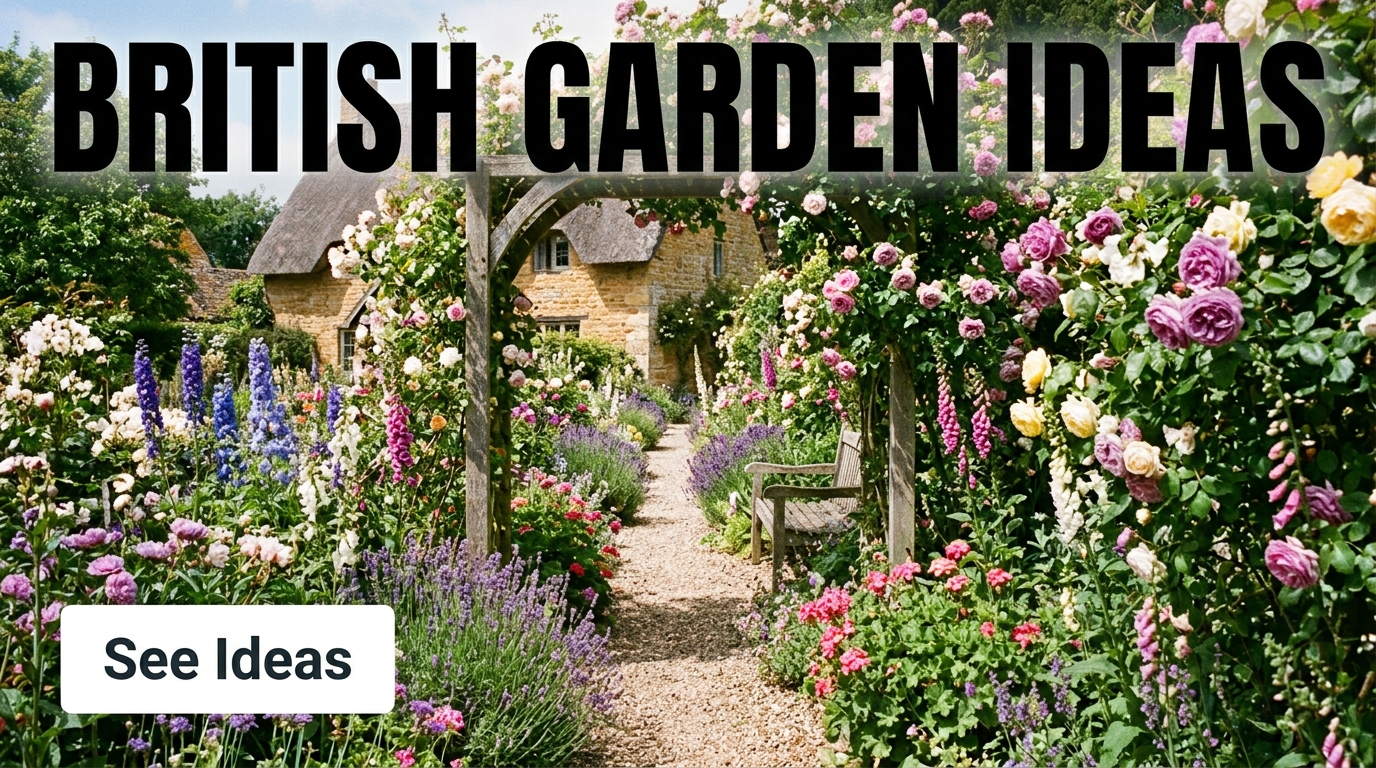
A British garden combines natural beauty, traditional landscaping, layered planting, charming pathways, clipped hedges, colorful flowers, and relaxed outdoor spaces. From classic English country gardens to romantic cottage borders, British garden design is known for creating landscapes that feel established, welcoming, and connected to nature.
Whether you have a large country property, suburban backyard, small courtyard, or compact front garden, you can bring British garden character into almost any outdoor space.
What Is a British Garden?
A British garden generally refers to a garden inspired by traditional gardening styles found across Britain. Designs can range from formal English gardens and historic estate landscapes to informal cottage gardens and contemporary interpretations.
Common features include:
- Flower borders
- Hedges
- Lawns
- Roses
- Lavender
- Cottage-style planting
- Brick pathways
- Natural stone
- Garden arches
- Pergolas
- Wooden benches
- Water features
- Mature-looking trees and shrubs
The overall goal is often to create a garden that feels abundant, seasonal, and naturally established.
Benefits of a British Garden
A British-inspired garden can:
- Create a timeless appearance
- Support pollinators
- Provide seasonal color
- Add privacy
- Create attractive outdoor rooms
- Blend formal and informal planting
- Work with traditional architecture
- Provide opportunities for relaxing and entertaining
1. Classic British Garden
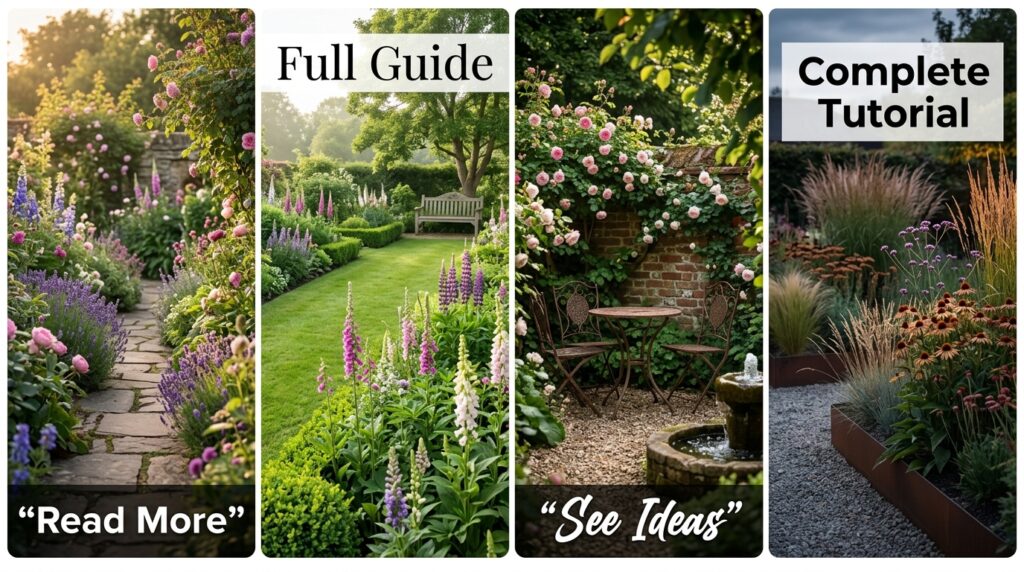
Create a traditional landscape using a central lawn surrounded by flower borders and clipped hedges.
Add a brick or stone pathway to connect different areas.
2. English Cottage Garden
Cottage gardens are known for abundant, informal planting.
Combine:
- Roses
- Foxgloves
- Lavender
- Delphiniums
- Hollyhocks
- Geraniums
- Herbs
Allow plants to overlap naturally while maintaining clear pathways.
3. British Country Garden
Create a relaxed countryside atmosphere with natural stone, flowering borders, mature shrubs, trees, and informal pathways.
Use a mixture of heights and textures to avoid a rigid appearance.
4. English Formal Garden
For a more structured design, use:
- Box-style hedges
- Symmetrical borders
- Geometric paths
- Clipped shrubs
- Central focal points
Balance formal structure with softer planting.
5. Small British Garden
A small garden can still capture the English aesthetic.
Use a compact lawn, narrow flower border, climbing roses, containers, and a small bench.
Avoid too many large plants that could overwhelm the space.
6. British Front Garden
Create an inviting entrance using low hedges, flowering plants, a pathway, and a traditional gate.
Roses and evergreen shrubs can provide structure throughout the year.
7. British Backyard Garden
Divide the backyard into several outdoor rooms.
Consider:
- Dining area
- Lawn
- Flower border
- Vegetable patch
- Seating corner
- Shed or greenhouse
Use hedges or planting to connect the different areas.
8. British Rose Garden
Roses are an excellent choice for a traditional English-inspired landscape.
Use climbing roses on arches and repeat shrub roses throughout borders.
Select varieties suited to your local climate.
9. British Garden With Lavender
Lavender adds fragrance, soft foliage, and purple flowers.
Use it along paths, borders, or around seating areas where sunlight and drainage are suitable.
10. British Garden With Hedges
Hedges provide structure and privacy.
Use formal clipped hedges for traditional gardens or informal mixed hedges for a more natural country style.
11. British Garden With Lawn
A lawn can act as the central open space.
Frame it with borders and pathways rather than allowing it to dominate the entire garden.
12. British Garden With Brick Path
Brick pathways create a classic country-garden appearance.
Use curved paths for a cottage garden or straight paths for a more formal design.
Ensure the surface is stable and drains appropriately.
13. British Garden With Stone Path
Natural stone creates a softer countryside feel.
Combine irregular stepping stones with low-growing plants for a relaxed appearance.
14. British Garden With Garden Gate
A traditional gate can create a strong entrance.
Choose timber, metal, or painted designs that complement the house and surrounding landscape.
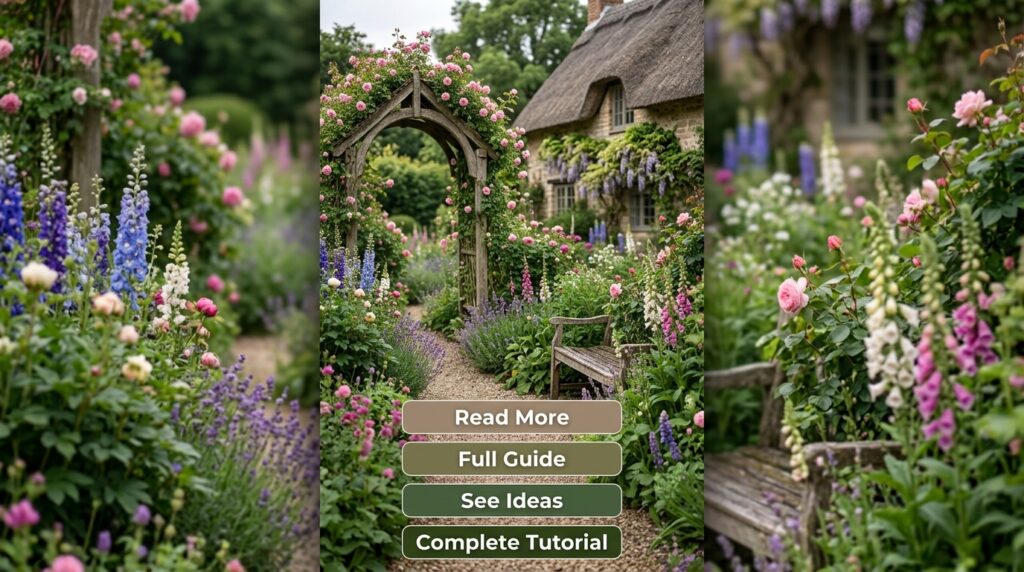
15. British Garden With Arch
Install a garden arch over a pathway and train a suitable climbing plant across it.
Roses, clematis, or other locally appropriate climbers can create a romantic entrance.
16. British Garden With Pergola
A pergola can create a shaded outdoor room.
Decorate it with climbing plants and use it as a seating or dining area.
17. British Garden With Bench
Place a wooden or stone bench beneath a tree, beside a flower border, or at the end of a path.
A bench can become both a practical seating area and a garden focal point.
18. British Garden With Pond
A small pond can add movement and wildlife habitat.
Surround it with suitable moisture-loving plants and natural stone.
Make sure the feature is designed safely, especially where children or pets are present.
19. British Garden With Fountain
A traditional fountain can provide a formal focal point.
Place it in a central location or at the end of a pathway.
20. British Garden With Wildlife Area
Create a wildlife-friendly section with native plants, flowering species, shelter, and water.
Avoid excessive pesticide use and choose plants that support local biodiversity.
21. British Garden With Wildflowers
A wildflower section can soften formal areas.
Choose locally appropriate species and allow part of the garden to develop a more natural appearance.
22. British Herb Garden
A small herb garden can add practical value.
Grow suitable herbs such as:
- Thyme
- Sage
- Rosemary
- Chives
- Parsley
- Mint in containers
Place herbs according to their sunlight and drainage requirements.
23. British Vegetable Garden
Create traditional-looking vegetable beds using raised borders, paths, and neat planting rows.
Consider:
- Carrots
- Lettuce
- Beans
- Peas
- Onions
- Potatoes
- Herbs
Choose crops according to your local climate.
24. British Kitchen Garden
A kitchen garden can combine vegetables, fruit, herbs, and flowers.
Use structured beds and pathways for a productive yet attractive layout.
25. British Garden With Greenhouse
A greenhouse can provide space for growing seedlings and tender plants.
Position it where it receives suitable light and has convenient access.
26. British Garden With Fruit Trees
Apple, pear, plum, and other suitable fruit trees can add seasonal interest.
Choose varieties suited to your climate and available space.
27. British Garden With Wisteria
Wisteria can create a dramatic flowering feature on a strong pergola or wall.
Use a sturdy support and maintain it carefully because mature plants can become substantial.
28. British Garden With Hydrangeas
Hydrangeas can provide large seasonal flower heads.
Choose varieties suited to the soil, moisture, and light conditions in your garden.
29. British Garden With Peonies
Peonies bring large, romantic flowers to traditional borders.
Plant them where they receive appropriate light and have well-drained soil.
30. British Garden With Foxgloves
Foxgloves create tall flower spikes that work beautifully in cottage-style borders.
Remember that foxgloves are toxic if eaten, so position them carefully around children and pets.
31. British Garden With Delphiniums
Tall delphiniums create vertical accents in traditional flower borders.
Provide appropriate support and growing conditions.
32. British Garden With Climbing Plants
Climbers can cover walls, fences, arches, and pergolas.
Use suitable species according to the structure and available sunlight.
33. British Secret Garden
Create a hidden retreat behind a hedge, gate, or arch.
Use winding pathways and dense planting to make the destination feel discovered rather than immediately visible.
34. British Garden Room
Divide the garden into separate areas for:
- Dining
- Reading
- Gardening
- Entertaining
- Relaxation
Hedges, arches, and planting can define each room.
35. British Garden With Gravel
Gravel pathways can create a relaxed country-garden appearance.
Use appropriate edging to keep the gravel contained.
36. British Garden With Terracotta Pots
Terracotta containers add warmth and traditional character.
Use them for herbs, flowers, and seasonal displays.
37. British Garden With Rustic Shed
A small timber shed can become an attractive garden feature.
Surround it with climbing plants, flowers, and a simple pathway.
38. British Garden With Outdoor Seating
Create a comfortable seating area among flowering plants.
A wooden table and chairs can provide a traditional countryside feel.
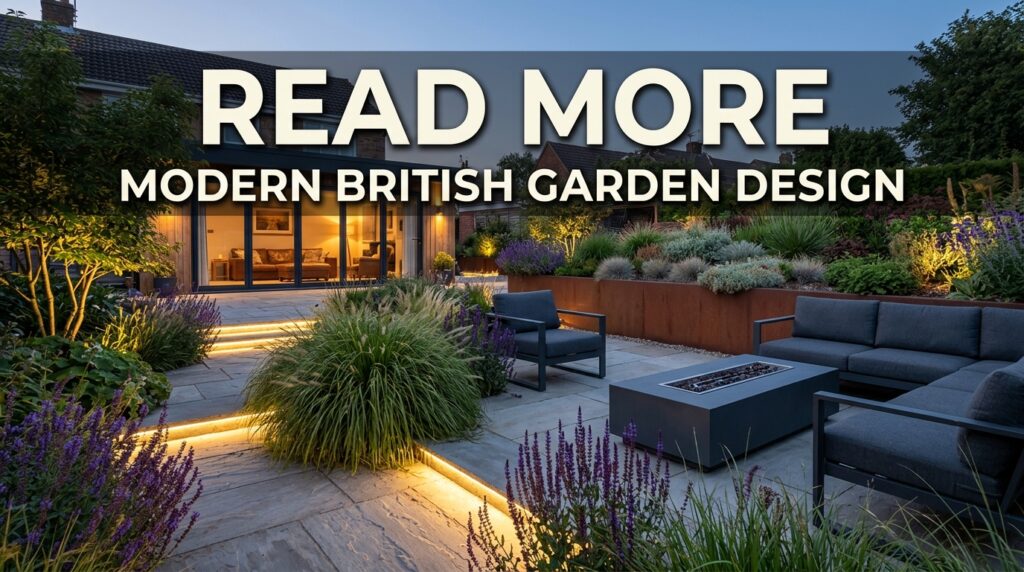
39. Modern British Garden
Combine traditional planting with contemporary architecture.
Use clean-lined paving, modern furniture, clipped greenery, and abundant seasonal plants.
40. Romantic British Garden
For a romantic atmosphere, combine:
- Roses
- Soft-colored flowers
- Arches
- Winding paths
- Benches
- Lanterns
- Fragrant plants
Keep the planting lush without making pathways difficult to navigate.
Best Plants for a British-Inspired Garden
Plant selection should match your local climate, soil, and sunlight.
Potential choices include:
Flowers
- Roses
- Peonies
- Foxgloves
- Delphiniums
- Hollyhocks
- Geraniums
- Lavender
- Lupines
Shrubs
- Hydrangeas
- Rhododendrons where suitable
- Camellias where suitable
- Flowering currants
- Evergreen shrubs
Herbs
- Rosemary
- Sage
- Thyme
- Chives
- Parsley
Trees
- Apple
- Pear
- Crabapple
- Birch
- Hawthorn
- Maple
Choose locally appropriate species and check mature dimensions before planting.
British Garden Color Ideas
Pink and Green
Soft and romantic.
Purple and White
Elegant and calming.
Red, Pink, and Cream
Traditional and abundant.
Blue and Lavender
Cool and sophisticated.
Green and White
Classic and timeless.
How to Design a British Garden
Step 1: Establish Structure
Start with paths, hedges, lawns, walls, or major trees.
Step 2: Create Garden Rooms
Divide the landscape into useful areas.
Step 3: Choose a Planting Style
Decide between formal, cottage, country, or modern British-inspired planting.
Step 4: Layer the Borders
Use groundcovers, perennials, shrubs, and small trees to create depth.
Step 5: Add Vertical Features
Use arches, pergolas, trellises, or climbing plants.
Step 6: Introduce a Focal Point
A bench, fountain, sculpture, tree, or beautiful gate can anchor the design.
Step 7: Add Seasonal Interest
Choose plants that flower or provide foliage at different times of the year.
Step 8: Maintain the Garden
Prune, weed, water, mulch, and divide plants as required.
Common British Garden Mistakes
Planting Too Many Species
Too much variety can make a garden look chaotic.
Ignoring Mature Plant Size
Large shrubs can quickly overwhelm small gardens.
Poor Path Planning
Paths should connect major areas naturally.
Overusing Formal Hedges
Too much clipping can make an informal garden feel rigid.
Ignoring Local Climate
Traditional British plants may not perform well in hot or dry climates.
Neglecting Seasonal Interest
Choose plants with different flowering and foliage periods.
Frequently Asked Questions
What makes a garden look British?
Layered flower borders, roses, hedges, lawns, natural materials, winding paths, garden arches, and a relaxed but structured planting style can create a British-inspired appearance.
What flowers are associated with English gardens?
Roses, foxgloves, peonies, delphiniums, lavender, hollyhocks, and geraniums are popular choices for English-inspired gardens.
Can I create a British garden in a small space?
Yes. Use compact hedges, climbing plants, containers, narrow paths, and layered borders to capture the style without needing a large yard.
Is a British garden formal or informal?
It can be either. Formal English gardens use symmetry and clipped hedges, while cottage and country gardens tend to be more relaxed and informal.
How can I make a modern garden feel British?
Combine contemporary paving and furniture with traditional roses, flowering borders, hedges, climbing plants, and natural materials.
Conclusion
A British garden combines structure, seasonal planting, natural materials, and timeless charm. Whether you prefer a romantic cottage garden, formal English landscape, productive kitchen garden, or modern interpretation, the key is to balance organized structure with abundant planting.
Start with pathways, hedges, and major garden features, then layer flowers, shrubs, trees, and climbers around them. Add a bench, arch, pond, or traditional gate to create character and make the garden feel inviting throughout the seasons.