
 By John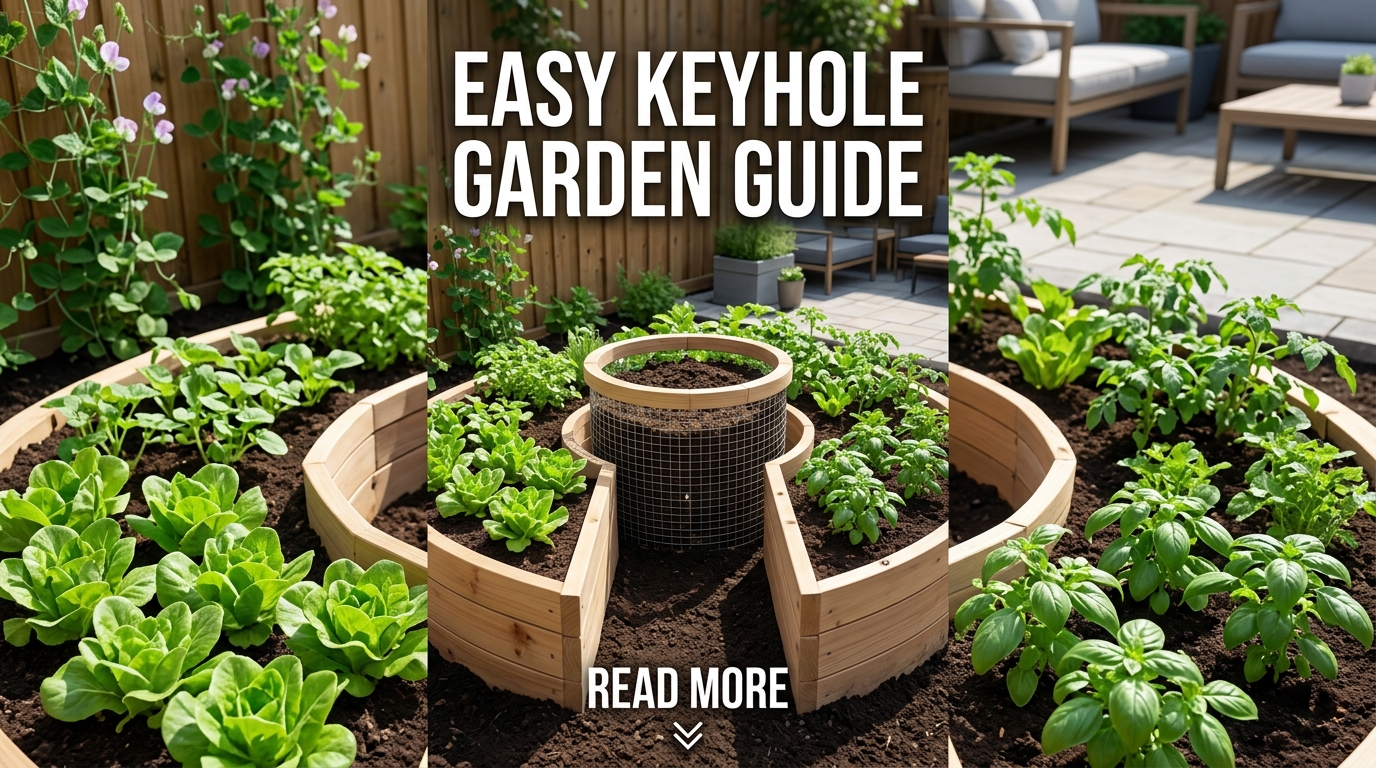
A keyhole garden is a circular raised garden bed with a small notch or pathway leading toward the center. The distinctive shape allows gardeners to reach most of the planting area without stepping into the bed, making it an efficient option for growing vegetables, herbs, flowers, and companion plants in a compact space.
Keyhole gardens can be adapted for small backyards, urban gardens, patios, community gardens, and low-maintenance landscapes. Their circular design also makes them an attractive alternative to traditional rectangular raised beds.
What Is a Keyhole Garden?
A keyhole garden is usually built as a raised circular bed with a central access point.
The design typically includes:
- A circular growing bed
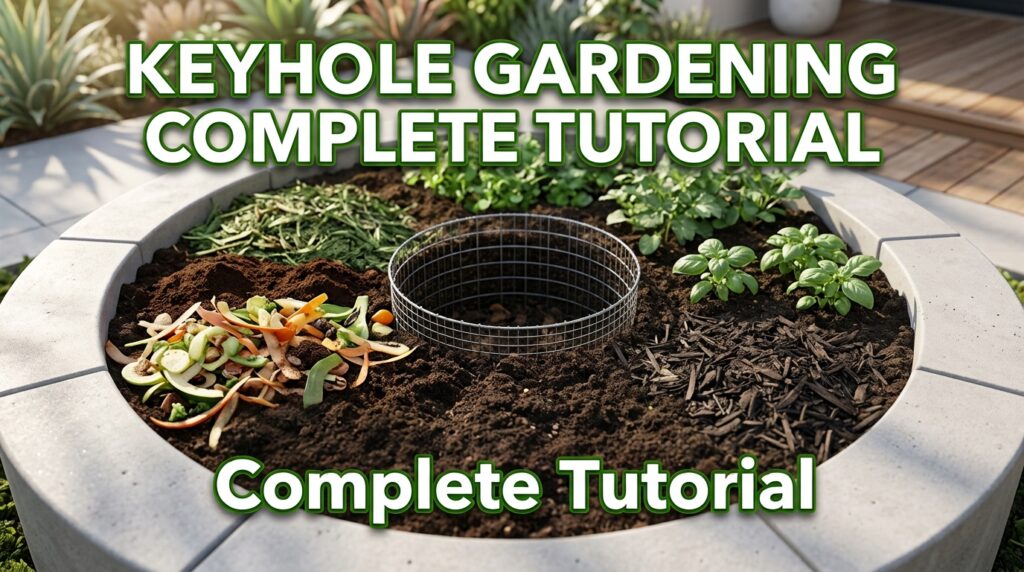
- A central composting basket or column
- A narrow access path
- Layered organic material
- Vegetable or herb planting areas
- A surrounding border
The gardener can stand near the center and reach plants around the bed without walking on the soil.
Benefits of a Keyhole Garden
Space Efficient
The circular layout makes productive use of a relatively small footprint.
Easy to Reach
The central notch allows access to plants without stepping into the growing bed.
Great for Small Gardens

Keyhole beds can work well where traditional garden rows would be difficult to fit.
Water Efficient
A properly designed bed can help retain moisture, although irrigation requirements depend on climate, soil, and plant selection.
Productive
A well-planned keyhole bed can grow vegetables, herbs, flowers, and pollinator-friendly plants together.
Attractive Design
The circular shape can become an architectural focal point in the garden.
1. Traditional Keyhole Garden
Create a circular raised bed with a central composting basket.
Use stone, brick, timber, or another suitable material for the outer wall.
Plant vegetables around the perimeter and herbs closer to the center.
2. Small Keyhole Garden
A compact keyhole garden can fit into a small backyard or courtyard.
Keep the diameter manageable so you can comfortably reach the entire planting area.
3. Keyhole Garden for Small Spaces
Use a narrow circular bed with a small central access opening.
This works particularly well in:
- Urban gardens
- Courtyards
- Side yards
- Community gardens
- Compact backyards
4. Raised Keyhole Garden
Build the bed higher than ground level to make planting and harvesting more comfortable.
Use sturdy construction and ensure the walls can safely hold the weight of soil.
5. Keyhole Garden With Stone
Stone creates a natural and durable border.
Use level, stable stones and construct the wall appropriately for its height.
6. Brick Keyhole Garden
Brick gives the garden a traditional appearance.
It works especially well with cottage, Mediterranean, and formal garden styles.
7. Wooden Keyhole Garden
Wooden boards can create a simple raised bed.
Use untreated or appropriately treated exterior-grade material suitable for food-growing applications.
8. Keyhole Garden With a Compost Basket
The central basket is one of the defining features of many keyhole garden designs.
Organic material can be composted or broken down there, depending on the specific design.
Keep the composting area managed properly and avoid adding unsuitable materials.
9. Keyhole Herb Garden
A keyhole bed is excellent for growing culinary herbs.
Try:
- Basil
- Parsley
- Thyme
- Oregano
- Chives
- Rosemary
- Mint in a contained area
Keep aggressive spreading herbs such as mint in containers or controlled sections.
10. Keyhole Vegetable Garden
Use the outer planting zones for vegetables such as:
- Lettuce
- Spinach
- Radishes
- Carrots
- Beans
- Peppers
- Tomatoes
Choose crops according to your local growing season and available sunlight.
11. Keyhole Salad Garden
Create a dedicated salad bed with:
- Lettuce
- Arugula
- Radishes
- Spinach
- Green onions
- Herbs
Succession planting can help keep fresh leaves available throughout the growing season.
12. Keyhole Flower Garden
Keyhole beds don’t have to be purely edible.
Add flowers to attract pollinators and create a decorative garden centerpiece.
Use suitable edible flowers only if you intend to consume them.
13. Keyhole Pollinator Garden
Combine vegetables and pollinator-friendly flowers.
Flowers can attract bees, butterflies, and other beneficial insects while adding color to the garden.
Choose locally appropriate native plants where possible.
14. Keyhole Companion Garden
Combine compatible plants to make efficient use of space.
For example, you can group herbs, leafy vegetables, and flowering companion plants according to their growing requirements.
Don’t rely on companion planting as a substitute for good soil, watering, spacing, and pest management.
15. Keyhole Garden With Trellis
Add a trellis to one section for climbing crops.
Suitable crops may include:
- Beans
- Peas
- Cucumbers
- Small melons where appropriate
Place the trellis carefully so it doesn’t shade plants that need full sun.
16. Keyhole Garden With Tomatoes
Tomatoes can grow well in a sunny keyhole bed.
Give them adequate spacing and provide stakes or cages for support.
Choose compact varieties if the garden is small.
17. Keyhole Garden With Strawberries
Strawberries can add color and edible fruit.
Plant them around the outer edge where the berries can hang beyond the bed.
Protect developing fruit from pests and excessive moisture.
18. Keyhole Garden With Greens
Leafy greens are particularly useful for compact gardens.
Try:
- Lettuce
- Kale
- Swiss chard
- Spinach
- Mustard greens
Choose varieties appropriate for your climate.
19. Keyhole Garden for Beginners
A simple beginner design can include:
- One circular raised bed
- A central compost basket
- Easy vegetables
- A few herbs
- One or two flowers
Start small and learn how the soil, moisture, and plants behave before expanding.
20. Keyhole Garden for Kids
A keyhole garden can become an outdoor learning space.
Children can help with:
- Planting seeds
- Watering
- Harvesting vegetables
- Observing insects
- Identifying herbs
Keep tools, compost, fertilizers, and potentially toxic plants away from unsupervised children.
21. Keyhole Garden for Seniors
The raised design can reduce the need for bending and make harvesting easier.
Choose a comfortable height and ensure the access path provides stable footing.
22. Keyhole Garden on a Budget
Build a simple version using affordable materials.
Possible materials include:
- Reclaimed bricks
- Natural stones
- Suitable timber
- Compost
- Garden soil
- Mulch
Avoid materials that may contain harmful chemicals or deteriorated treatments.
23. DIY Keyhole Garden
A basic DIY keyhole garden can be constructed in several stages.
Materials
You may need:
- Border material
- Compost
- Soil
- Organic matter
- Central basket material
- Mulch
- Plants or seeds
Steps
- Choose a sunny location.
- Mark a circular garden shape.
- Create the central access notch.
- Build the outer border.
- Install a central compost basket if desired.
- Fill the bed with suitable soil and organic matter.
- Leave enough room around the central basket for access.
- Plant vegetables, herbs, and flowers.
- Add mulch.
- Water thoroughly and monitor the plants.
24. Keyhole Garden Layout
A simple layout can divide the bed into several planting zones.
Center
Compost basket or central feature.
Inner Ring
Herbs and smaller plants.
Middle Ring
Leafy vegetables and compact crops.
Outer Ring
Larger vegetables, flowers, or trailing plants.
Adjust the arrangement according to plant height and sunlight.
25. Keyhole Garden With Recycled Materials
Repurposed materials can give the garden a rustic appearance.
Consider suitable:
- Bricks
- Stones
- Timber
- Untreated logs
- Reusable containers
Inspect all recycled materials carefully before using them around food crops.
26. Keyhole Garden With Rocks
Natural rocks can create a decorative border.
Arrange them securely and avoid creating sharp or unstable edges around pathways.
27. Keyhole Garden With Gravel Path
A gravel access path can create a clean separation between the growing bed and surrounding landscape.
Choose stable gravel and install appropriate edging.
28. Keyhole Garden With Mulch
Organic mulch can help conserve moisture and reduce weed growth.
Keep mulch away from plant stems and avoid excessive depth.
29. Keyhole Garden in a Courtyard
A circular keyhole bed can become the centerpiece of a courtyard.
Surround it with paving, gravel, seating, and containers for a complete garden design.
30. Keyhole Garden in a Community Garden
The compact design can provide a productive demonstration garden.
Use clear labels to identify vegetables, herbs, flowers, and composting areas.
31. Keyhole Garden With Vertical Planting
Use the vertical space around the garden with trellises or supports.
This can increase growing capacity without expanding the footprint.
32. Keyhole Garden With Flowers
Add marigolds, calendula, nasturtiums, or other suitable flowers to bring color and attract pollinators.
Check plant compatibility and local growing conditions.
33. Keyhole Garden With Native Plants
Native herbs, vegetables, and flowers appropriate to your region can help create a garden adapted to local conditions.
Native flowering plants can also support local pollinators.
34. Keyhole Garden in Dry Climates
Use plants adapted to lower water availability and install efficient irrigation where appropriate.
Mulching can help reduce evaporation.
35. Keyhole Garden in Hot Climates
Provide sufficient irrigation and consider afternoon shade for crops that struggle with intense heat.
Choose heat-tolerant varieties when available.
36. Keyhole Garden in a Modern Landscape
Use clean stone or timber edging, geometric planting, and a restrained color palette.
The circular bed can contrast nicely with straight modern paving.
37. Rustic Keyhole Garden
Use natural stone, weathered-looking timber, herbs, vegetables, and informal planting.
Let the garden blend naturally into the surrounding landscape.
38. Keyhole Garden With Seating
Place a small bench near the garden so you can comfortably observe, harvest, and maintain plants.
Keep enough space for movement around the bed.
39. Decorative Keyhole Garden
A keyhole bed can be both productive and ornamental.
Combine vegetables with flowers, herbs, decorative edging, and a central focal point.
40. Low-Maintenance Keyhole Garden
Choose easy-care plants, install suitable irrigation, use mulch, and avoid overcrowding.
Group plants with similar water and sunlight needs together.
Best Plants for a Keyhole Garden
Good choices depend on climate and season, but potential crops include:
Vegetables
- Lettuce
- Spinach
- Kale
- Radishes
- Carrots
- Beans
- Peppers
- Tomatoes
Herbs
- Basil
- Parsley
- Thyme
- Oregano
- Chives
- Rosemary
Flowers
- Marigolds
- Calendula
- Nasturtiums
- Other locally suitable pollinator plants
Keyhole Garden Design Tips
Keep the Bed Reachable
Don’t make the growing circle so wide that you cannot comfortably reach the center.
Plan for Sunlight
Place taller plants where they won’t unnecessarily shade shorter crops.
Group Plants by Water Needs
This makes irrigation easier and prevents overwatering or underwatering.
Use Layers
Combine low-growing vegetables, medium plants, and vertical crops.
Leave Clear Access
The central notch should remain open enough for comfortable gardening.
Protect the Soil
Mulch and organic matter can help maintain soil structure and moisture.
Common Keyhole Garden Mistakes
Making the Bed Too Large
A very wide circle defeats the main accessibility advantage.
Poor Drainage
Raised beds still need appropriate drainage.
Overcrowding Plants
Plants need enough space for airflow, roots, and mature growth.
Ignoring Shade
Large plants can quickly shade smaller crops.
Using Unsafe Recycled Materials
Avoid materials that may have been exposed to harmful chemicals.
Poor Compost Management
Don’t place unsuitable waste in the central composting area.
Frequently Asked Questions
What is the purpose of a keyhole garden?
Its circular design provides efficient access to the growing area while allowing gardeners to reach plants without walking on the soil.
Why is it called a keyhole garden?
The central notch or access pathway resembles the shape of a keyhole when viewed from above.
What can you grow in a keyhole garden?
You can grow vegetables, herbs, flowers, and some fruiting plants, depending on the climate, sunlight, soil, and available space.
How big should a keyhole garden be?
The ideal size depends on your reach and the design, but it should be narrow enough that the entire planting area can be accessed comfortably from the central opening and outside edge.
Does a keyhole garden need a compost basket?
No. A central composting basket is common in many designs, but a keyhole-shaped raised bed can function without one.
Is a keyhole garden good for beginners?
Yes. Its compact layout and easy access make it a useful option for beginners, especially when starting with a small selection of easy-growing crops.
Conclusion
A keyhole garden is an efficient and attractive way to grow plants in a compact space. Its circular layout, central access point, and optional composting basket make it particularly useful for small gardens and gardeners who want easy access to their plants.
Start with a manageable size, choose plants suited to your climate, provide good soil and drainage, and organize crops according to their sunlight and water needs. With thoughtful planning, a keyhole garden can become a productive vegetable garden as well as a beautiful feature in the landscape.